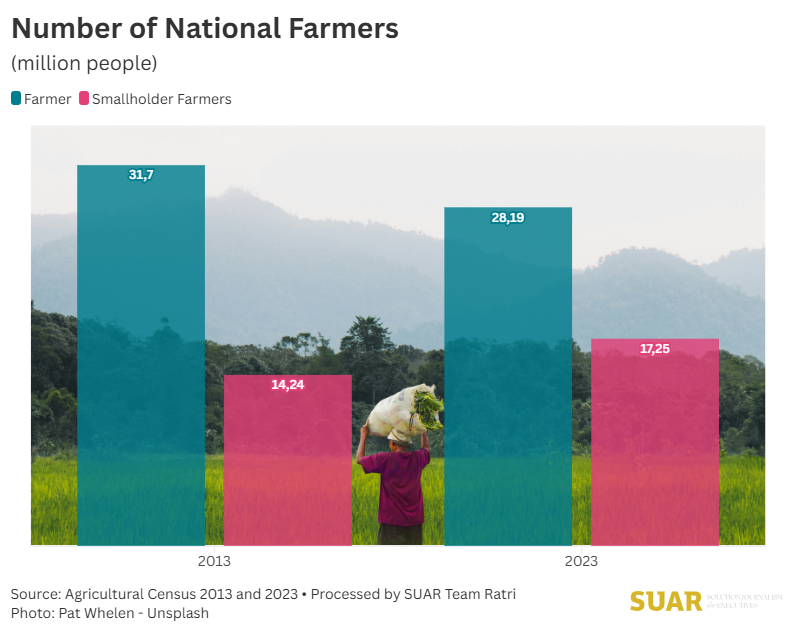
The government has increased the allocation for the food security budget in the 2026 State Budget Draft (RAPBN) by 5.9 percent to IDR 164.41 trillion. This reflects the government’s serious commitment to achieving food self-sufficiency, particularly in rice and corn.
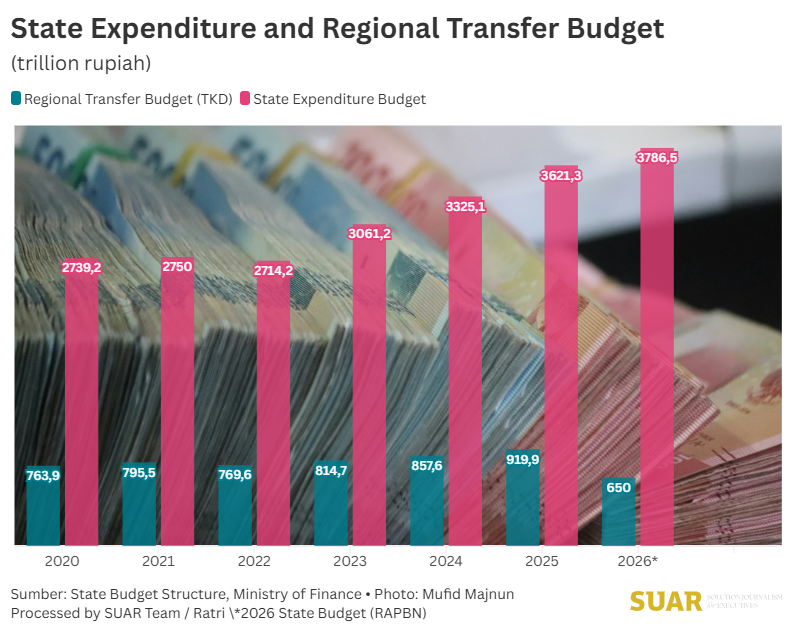
The significant reduction in regional transfer fund (TKD) allocations in the 2026 State Budget (RAPBN 2026) becomes an opportunity for local governments to achieve fiscal independence.
Driven by strengthening global demand, the rise in crude palm oil prices brings a breath of fresh air for entrepreneurs amid the challenge of boosting productivity.
The Indonesia–EU Comprehensive Economic Partnership Agreement (IEU-CEPA) and Trump’s new tariff policy will reshape Indonesia’s export landscape to become more diversified. Exports to the European Union have the potential to increase, while the U.S. export market may not necessarily contract.
Fresh optimism for the automotive industry is emerging from rising consumer interest in electric vehicles. The appeal extends beyond hybrid electric vehicles (HEVs); battery electric vehicles (BEVs) and plug-in hybrid electric vehicles (PHEVs) are also drawing buyers.
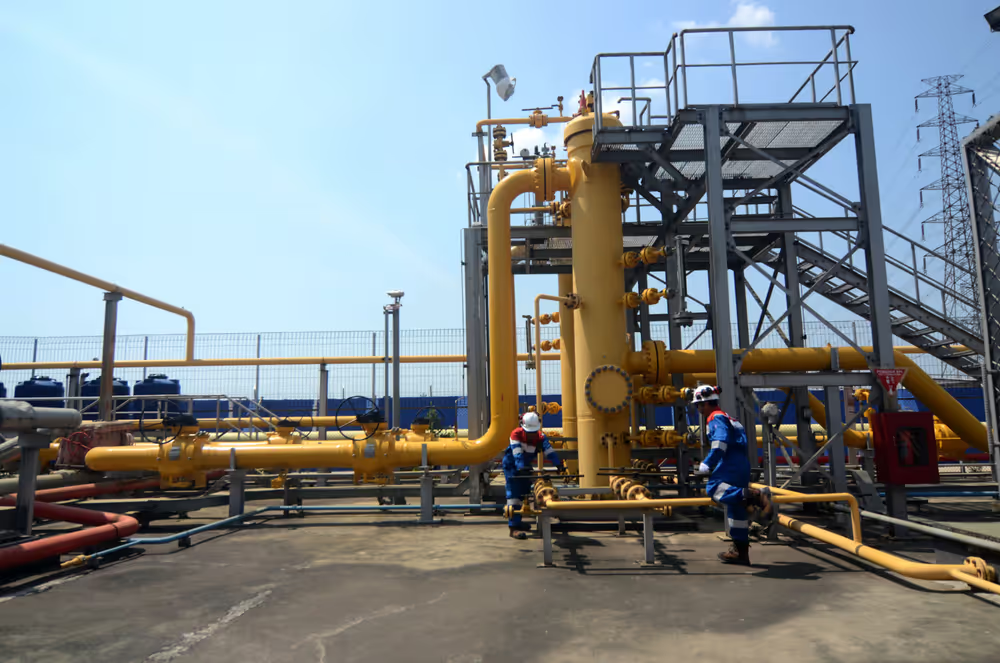
National natural gas production has contributed to keeping industries running, although the use of natural gas to increase state revenue has also grown.
The Consumer Savings Index (IMK) in July recorded a decline compared to the previous month. This decrease was driven by higher household spending on education as the new academic year began.
Several provinces outside Java—such as Central Papua, Lampung, and South Kalimantan—are showing consistently rising economic growth.
By mid-year, Bank Indonesia’s (BI) 2025 Retail Sales Survey indicates that retail sales performance has held up.
With their underlying strengths, the Riau Islands and North Maluku exemplify regions that can significantly improve their foreign trade balances and contribute up to 7% to their respective GRDPs.
Over the past five years, Indonesia’s export value has been dominated by manufacturing, led by animal/vegetable fats and oils, iron and steel, and machinery and electrical equipment.
Pelita Air, a subsidiary of PT Pertamina (Persero), officially launched its inaugural international route to Singapore on August 18, 2025.
Showing 12 of 15 total posts
Stay up to date with curated collection of our top stories.