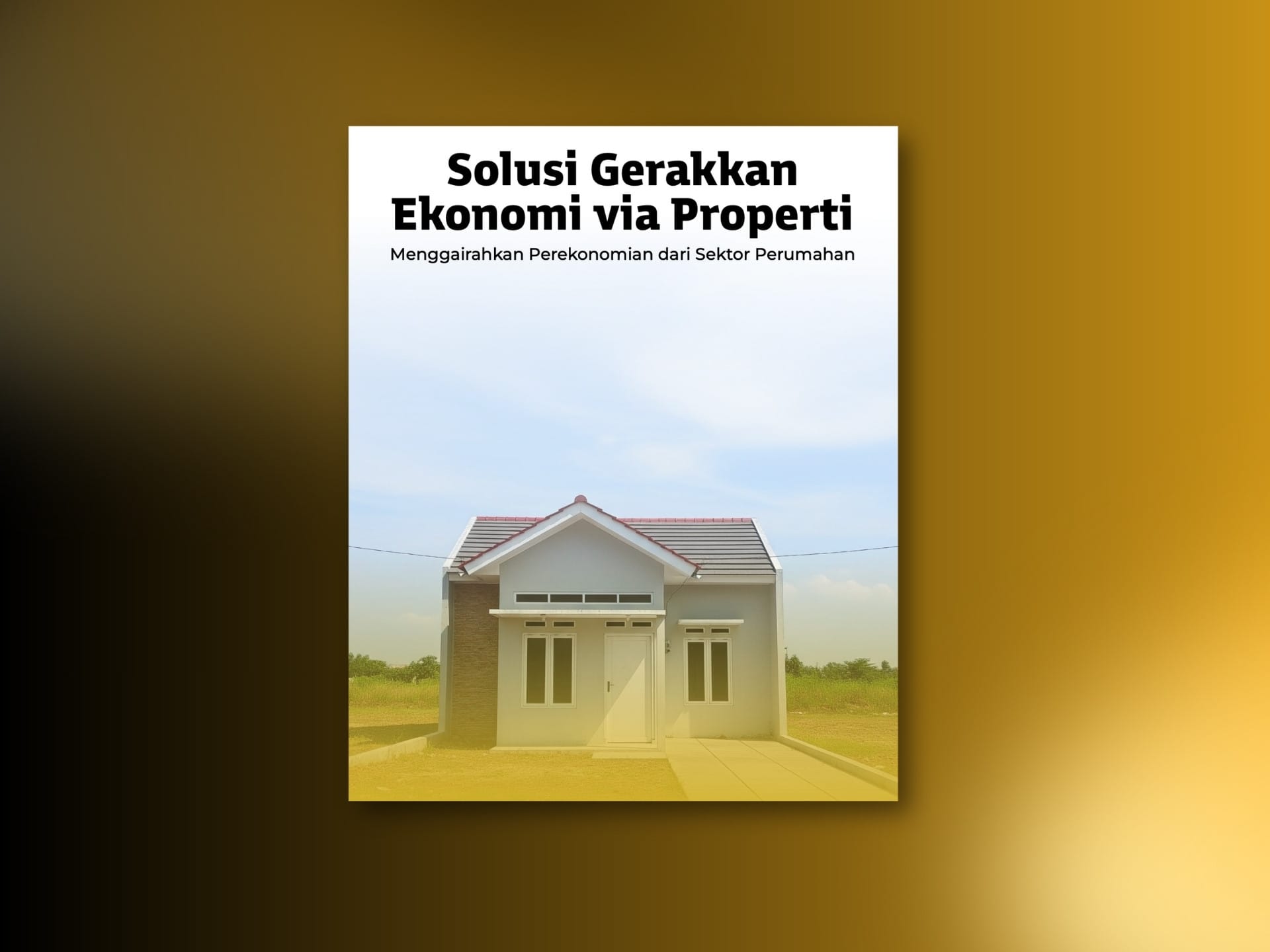
In order to provide decent housing to the community, especially those with low income, the government is targeting the construction of 3 million housing units through the 3 Million Houses Program, a key initiative prioritized by President Prabowo Subianto.
This program is also a campaign promise of President Prabowo, which is targeted to be achieved within one government period or five years.
The subsidized housing and low-cost housing incentive programs are part of the government's strategy to:
- Addressing the national housing backlog
- Providing access to decent housing for MBR
- Improve quality of life and reduce social disparities
- Driving economic growth through the property and construction sector
Read the full review:
In order to achieve the construction of up to 3 million housing units over 5 years, there are several incentives offered by the government. Some of them are:
Government borne value added tax (PPN DTP) 100%
The government covers the Value Added Tax (VAT) for subsidized houses with a maximum price of IDR 2 billion, easing the burden on first-time home buyers.
Housing Financing Liquidity Facility (FLPP)
The financing scheme for subsidized houses with a maximum fixed interest rate of 5%, a tenor of up to 20 years, targetingMBR with a maximum income of IDR 14 million / month and channeled through banks such as BRI, BTN, and others.
BSPS (Bantuan Stimulan Perumahan Swadaya)
House renovation program to repair uninhabitable houses through the Cash Labor Intensive (PKT) method, to providefunds and local labor and improve the quality of housing and purchasing power of the community.
Read the full report here or download the entire report here:
Gen Z and housing incentives
The youngest generation of the workforce today, Generation Z (Gen Z) is the age group that has made the most use of government incentives in homeownership programs.
- Gen Z is now dominating subsidized housing purchases through 2024. The total units purchased reached 124,889 units.
- They are categorized as low-income earners or MBTs, who are not adequately supported by the facilities released by the government.
- The most realistic solution regarding housing for Gen Z is vertical housing with partial subsidies.
Read the full report here