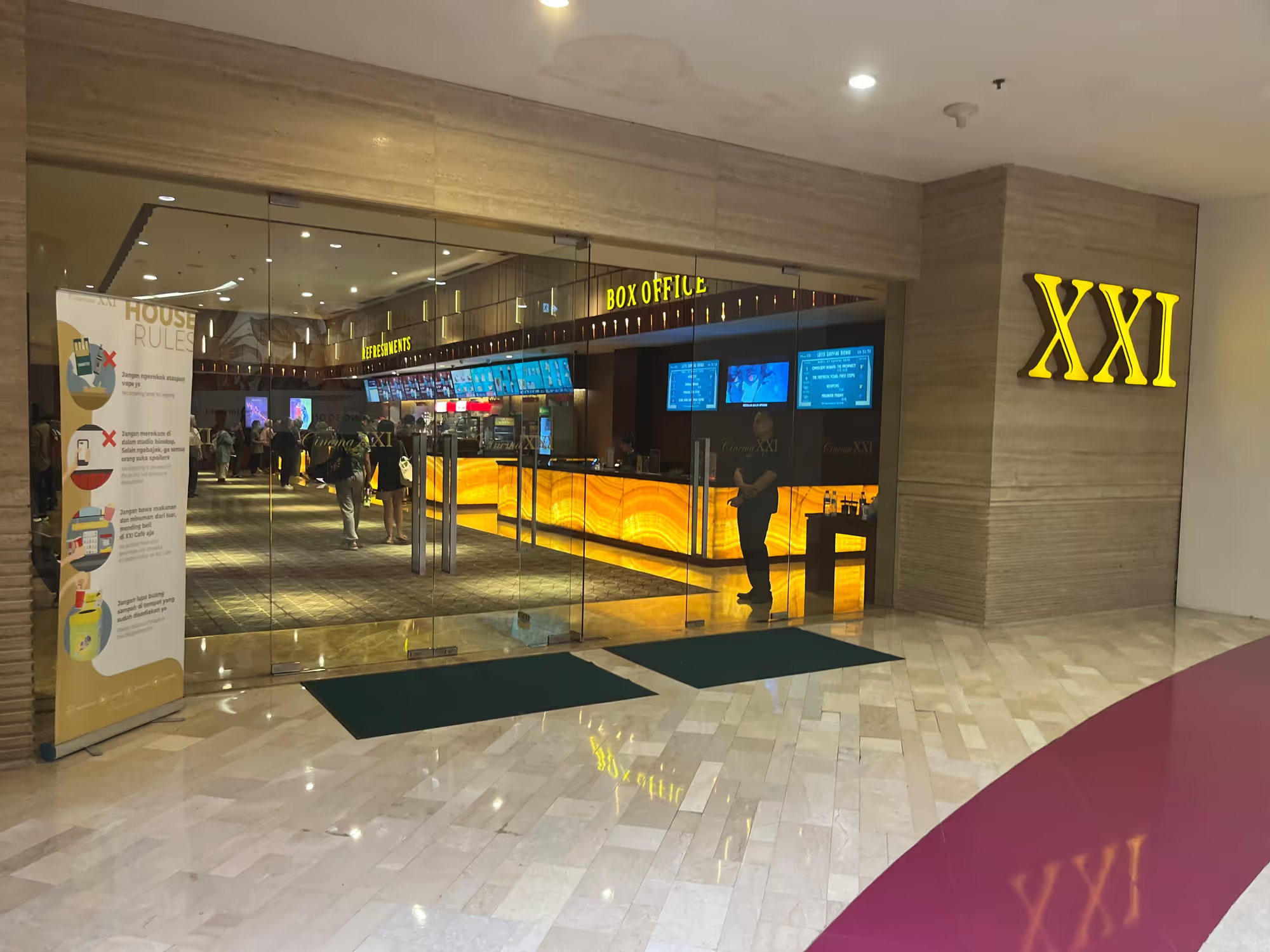
As we celebrate the country's Independence Day, local cinemas are now bustling with films of various genres, from dramas and horror to comedies, with audience enthusiasm growing.
This enthusiasm was evident at two cinemas in Jakarta, Lotte Shopping Avenue and Hollywood XXI, when the Suar Team visited on August 7, 2025, at 6:00 PM. The atmosphere was hectic. The lobby area was packed with moviegoers with long ticket queues, and most of the theaters were nearly full. Audiences came from various ages, most of whom seemed enthusiastic about watching the film with family and friends.
On August 7, 2025, three Indonesian films from various genres were released simultaneously in theaters. Lyora: Penantian Buah Hati (Lyora: Waiting for My Daughter) presents a drama based on the true story of Meutya Hafid, Communication and Digital Minister, with the theme of the struggle to build a family. From the horror genre, Pamali: Tumbal (Taboo) continues the franchise series adapted from a popular local game. Meanwhile, Panggil Aku Ayah (Call Me Dad), an adaptation of the Korean film Pawn (2020), explores the emotional relationship between fathers and children within the social context of Indonesian society.
Previously, on August 4, the film Tinggal Meninggal (Finally Dead) premiered. This satirical comedy explores the issues of loneliness and the need for attention, laced with humor and relevant social criticism.
Bicara Box Office, a website that frequently reviews cinemas, noted that the number of moviegoers for Indonesian films released in 2025 had reached 46.56 million as of July 20, 2025, equivalent to 66% of the total audience—marking a 99% increase compared to the previous year.
The Indonesian animated film, Jumbo, reached its peak when it broke box office records in the Asian market, making the Ryan Adriandhy Halim-directed film the highest-grossing Southeast Asian animated film, grossing over USD 8 million, or around IDR 130 million (exchange rate IDR 16,200).
"Jumbo" is a film based on the adventures of an orphaned boy named Don. He is overweight and a victim of bullying at school.
In the film, Don has a storybook filled with magical tales—including encounters with fairies who ask Don to help him reconnect with his family.
One of the viewers of Jumbo, Iin Kurniawati, 45, said Jumbo offers something different to audiences, both in terms of picture quality and the film's pleasant soundtrack.
According to her, Jumbo fulfills the audience's emotional needs by depicting the realities of a child's life. "This film teaches the meaning of loyalty to friends, the unwavering love of family, and teaches children to be braver," she said, reflecting on Jumbo.
For weeks after its release, Jumbo packed cinemas across Indonesia. The film—which began production five years ago and involved 400 local creators—surpassed the regional record set by Malaysia's Mechamato Movie in 2022.
Released in late March, coinciding with the school holidays leading up to Idul Fitri, Jumbo broke the record for the highest-grossing Indonesian film of all time, attracting more than 10 million moviegoers in its 63-day theatrical run.
The film, produced by Visinema Studios, successfully displaced KKN di Desa Penari (Field Work at Dancing Village) (2022) from the top spot as the highest-grossing Indonesian film, according to a Visinema release in late May 2025.
Jumbo is also listed as the Southeast Asian animated film with the highest number of moviegoers.
Following its domestic success, Jumbo is scheduled for international release starting in June 2025. The film will be screened in Malaysia, Singapore, and Brunei Darussalam. In addition, this film is also scheduled to be shown in several Central Asian and European countries such as Russia, Belarus, Ukraine, Moldova, Armenia, Azerbaijan, Georgia, Kazakhstan, Kyrgyzstan, Tajikistan, Turkmenistan, Uzbekistan, Estonia, Latvia, and Lithuania.
Golden year
This phenomenon has attracted the attention of academics and film observers. Ekky Imanjaya, a lecturer in the Film Studies Program at Bina Nusantara University (Binus), called 2025 the "golden year" for Indonesian cinema. "This year is golden, especially in terms of quantity," he told Suar (July 27, 2025).
Ekky cited the success of the film Agak Lain (A Bit Odd), followed by the animated film Jumbo and films with artistic strengths like Sore: Istri dari Masa Depan. According to him, this success demonstrates three things: increasing audience trust in local films, the success of producers in responding to market tastes, and the opening of opportunities for groundbreaking works to achieve commercial success.
Imanjaya also believes that genre diversity is a major strength of the current industry. "There's animation, there's horror with a new approach, there's sci-fi drama. This gives the audience the freedom to choose," he explained.
However, he cautioned filmmakers against getting trapped in repeating the same formula. He cited the trend of horror films or themes of infidelity as examples, which have the potential to create boredom if not handled innovatively.
Visinema: Innovation and Transformation
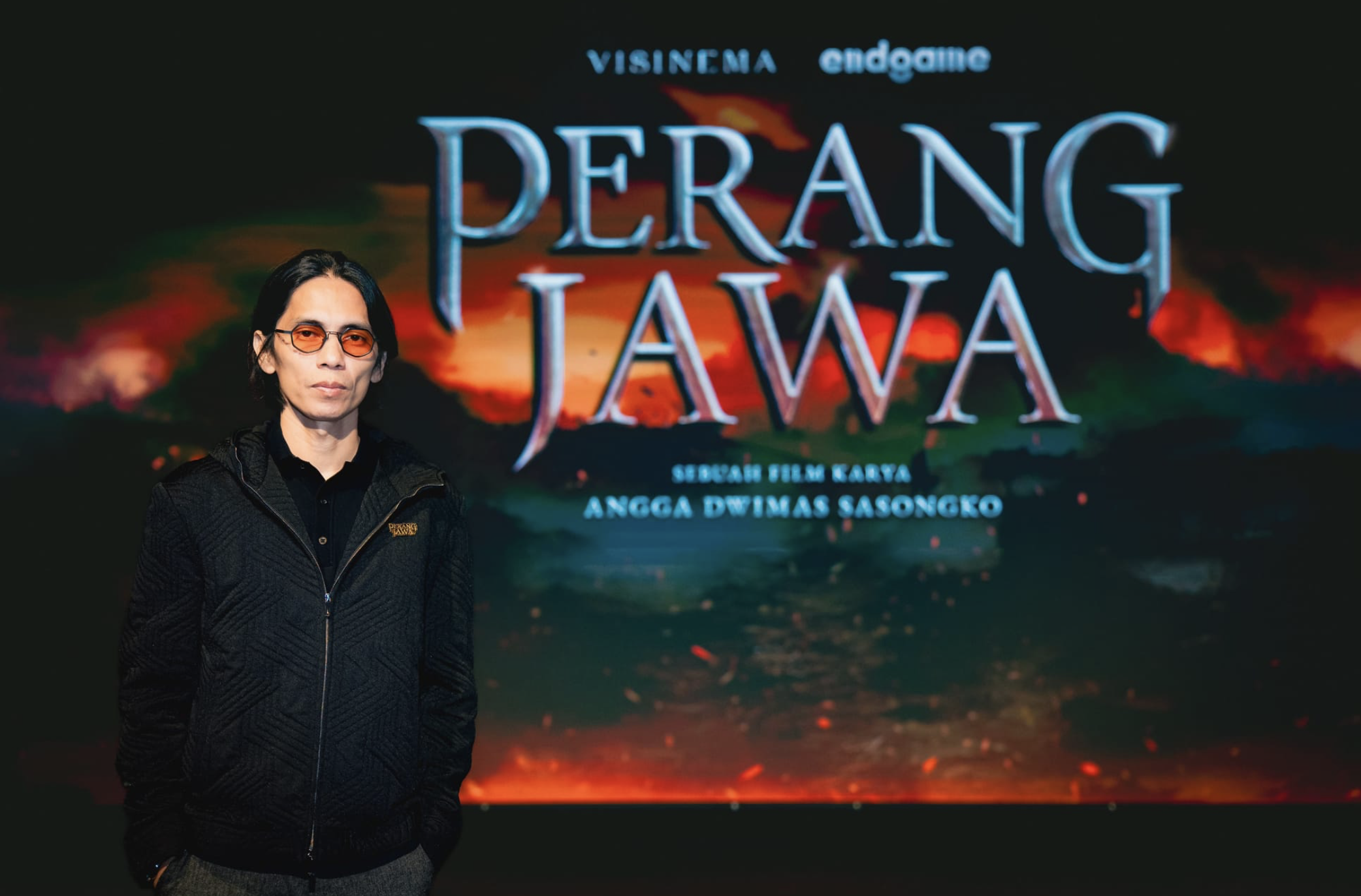
Amidst this enthusiasm, one production house actively promoting content quality and diversification is Visinema Pictures.
Angga Dwimas Sasongko, Chief Executive Officer (CEO) and Founder of Visinema Pictures, distinguishes himself through various innovations, while emphasizing that idealism and artistic quality are not merely complementary but key elements in achieving success.
For Angga Dwimas Sasongko, the birth of Visinema was not based solely on business calculations, but rather on a transformative shared experience while working on the film Cahaya dari Timur: Beta Maluku.
Angga dismisses the notion that idealism and the market are polar opposites. For him, the two can coexist. He believes that Indonesian audiences are now savvy and have a high demand for quality content.
"Films like Mencuri Raden Saleh are a real example. When we decided to make a heist movie, there was no data to suggest this genre would be successful. Similarly, JUMBO is an animated film born of creative intuition and empathy. We don't copy trends, but strive to delve into what audiences truly need. I believe that idealism executed with honesty, discipline, and empathy has a selling point," he emphasized.
In realizing this vision, Angga explained that Visinema has now transformed not just as a film production house, but into a broader creative ecosystem. According to him, this change is driven by the mission to become a "mouthpiece" and bring change to the entertainment industry.
Angga explained that Visinema's journey began with the vision of a small and happy team. However, after being involved in helping earthquake victims in Mentawai, he and Visinema discovered a new mission: to voice important issues through their work.
Currently, Visinema has entered a phase of transforming the entertainment industry. He revealed that Visinema is not only focused on film production, but also building a larger ecosystem, such as Bioskop Online—an over-the-top (OTT) platform for local content—and Visinema Studios, a division that specializes in producing stories for children and families, including the animated film Jumbo.
Furthermore, Angga revealed that Visinema is preparing to be independent without him. Currently, the company has many independent producers, writers, and creative leaders. Angga said that working together as a team without him is a source of pride for him.
Visinema is currently preparing its latest film, Perang Jawa (Java War). This film will tell the story of Prince Diponegoro's struggle, which Angga calls one of the most monumental events in the history of anti-colonialism in Southeast Asia. The film is striving to portray the story of Prince Diponegoro in an epic film that embodies the fighting spirit, courage, and spiritual values of fighting against colonialism.
Angga also conveyed a message to the younger generation aspiring to work in the creative world. He urged them not to rush into greatness, but to instead focus on authenticity. He believes that the best work is born from the courage to fail, honest doubt, and a love of the process—not merely for the sake of perfection or virality.
Meanwhile, Ekky Imanjaya emphasized that the growth of the film industry must be balanced with improvements in infrastructure and regulations. He highlighted two main challenges still hampering the progress of the national film ecosystem.
First, the absence of an integrated box office system. "The biggest problem facing the industry today is the lack of a transparent Integrated Box Office System (IBOS). We still use audience data, even though the global standard is gross revenue," he stressed. He noted that Film Law No. 33 of 2009 mandates the reporting and publication of audience data—but this has not been implemented optimally.
Second, the limited number of cinema screens. He added that the long waiting time for films to be screened poses a serious obstacle for producers and the national production cycle.
Nevertheless, Ekky remains optimistic. He believes that the diversity of genres, audience trust, and filmmakers' courage to create their own markets are strong signals that Indonesian cinema is moving toward a more mature and sustainable future.