

The value of local currency transactions (LCT) in the first half of 2025 reached US$11.7 billion, growing 2.5 times compared to US$4.70 billion in the same period in 2024. This rapid growth was supported by Indonesia's two main export commodities, coal and palm oil.
This LCT cooperation has been carried out by Indonesia with Malaysia (since 2018), Thailand (2018), Japan (2020), China (2021), Singapore (2023), and South Korea (September 2024). Next, Indonesia has established cooperation with India and the United Arab Emirates.
Bank Indonesia (BI) Deputy Governor Filianingsih Hendarta said,
"This achievement is supported by efforts to reach a wider utilization of LCT in various sectors and regions, including the expansion of Bank Appointed Cross Currency Dealer (ACCD) participants," she said in an official statement, (25/7/2025).
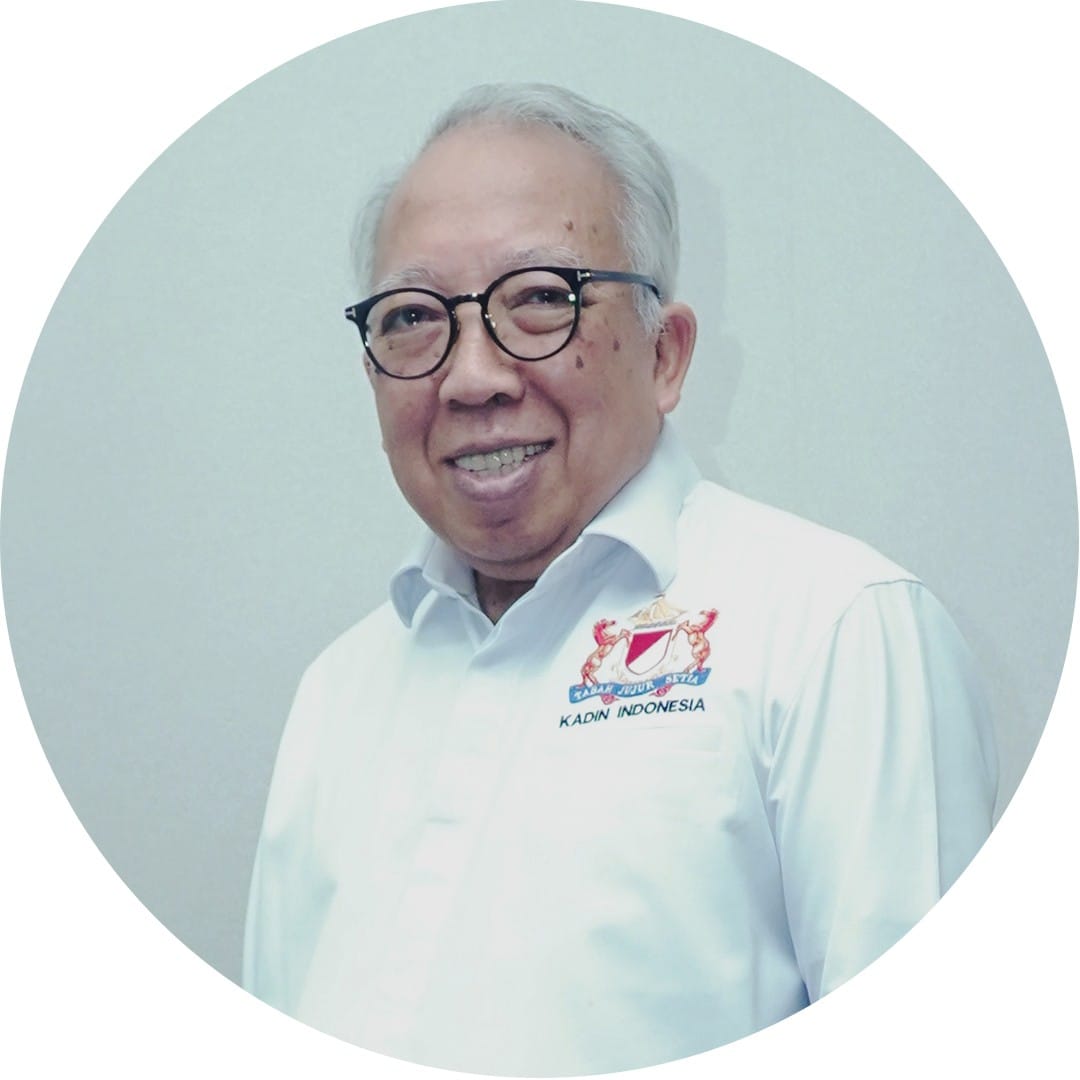
According to the Chairman of the Association of Indonesian Export Companies (GPEI), Benny Soetrisno, the trade sectors that use the most local currency transaction schemes arecrude palm oil (CPO) and coal trade.
Furthermore, he emphasized that entrepreneurs find it helpful and easy to make transactions with the LCT scheme. "We do not take advantage of currency, but with the local currency transaction (LCT), we find it easy and helpful to make transactions with trading partners," he told SUAR (29/7/2025).
LCTs are still small and face implementation challenges
On the other hand, Yose Rizal Damuri, Executive Director of the Center for Strategic and International Studies (CSIS), gave a more cautious view of the LCT.
He highlighted that the LCT transaction value of US$11.7 billion is still relatively small compared to Indonesia's total trade which reaches around US$290 billion-US$300 billion. "That means about 3% of our trade. Well, this is actually still small," he told SUAR (28/7/2025).
According to Yose, Indonesia - especially the business world - benefits from using payments with the LCT scheme if the currencies of trading partners such as Chinese and Japanese currencies are easily exchanged and sold in international transactions. Furthermore, he also explained the advantages of using LCT with trading partners whose currencies cannot be accepted by other countries, as there needs to be a balance of trade.
"We must have trade that is in balance. What we sell is what we buy. And they must be the same," he said

Yose warned that the implementation of LCT is not easy. "Each of these countries must pay with their local currency ," Yose Rizal explained.
He continued that if the currency of the trading partner is not sufficiently accepted at the international level or the trade volume is not large, Indonesia could be disadvantaged.
Yose gave an example of a case when India bought oil from Russia using the Indian currency. "As a result, Russia cannot use the rupee (Indian currency) to buy other goods. They have to use it to India again," he said.
Such trade between India and Russia demonstrates the difficulties that may arise for exporters receiving payment in the local currency of a trading partner if that currency is not flexible for other global transactions.
Yose concluded that while it is beneficial for importers to be able to pay with rupiah, exporters will face challenges to ensure that the local currency received can be reused. Moreover, the decision to use LCT is ultimately in the hands of business people who will consider whether the partner's local currency can be reused for their business needs.