
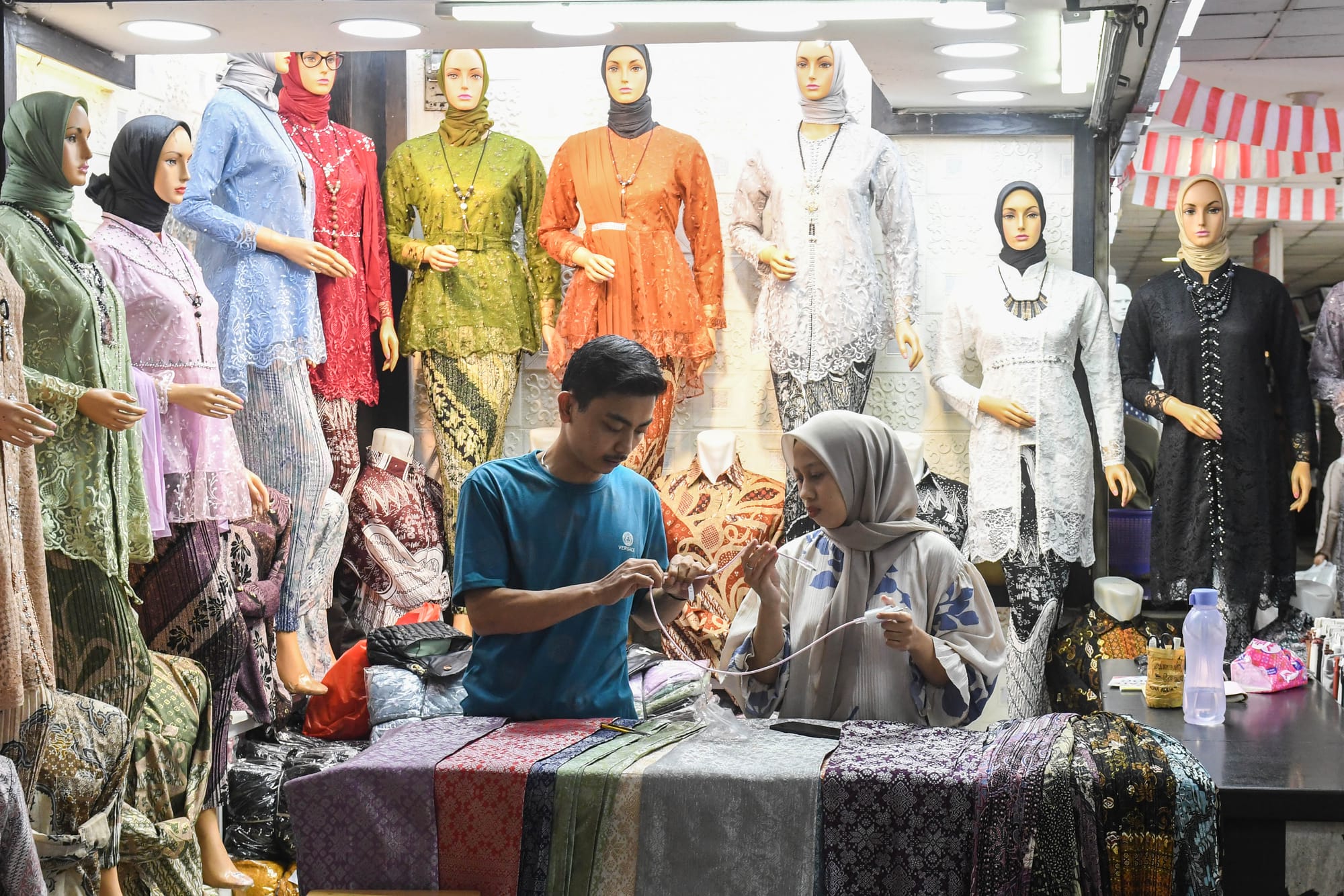
Clothing, food and shelter are the primary needs of living beings. But today, the textile industry - which is the foundation of the economy in the labor-intensive sector - is experiencing many challenges.
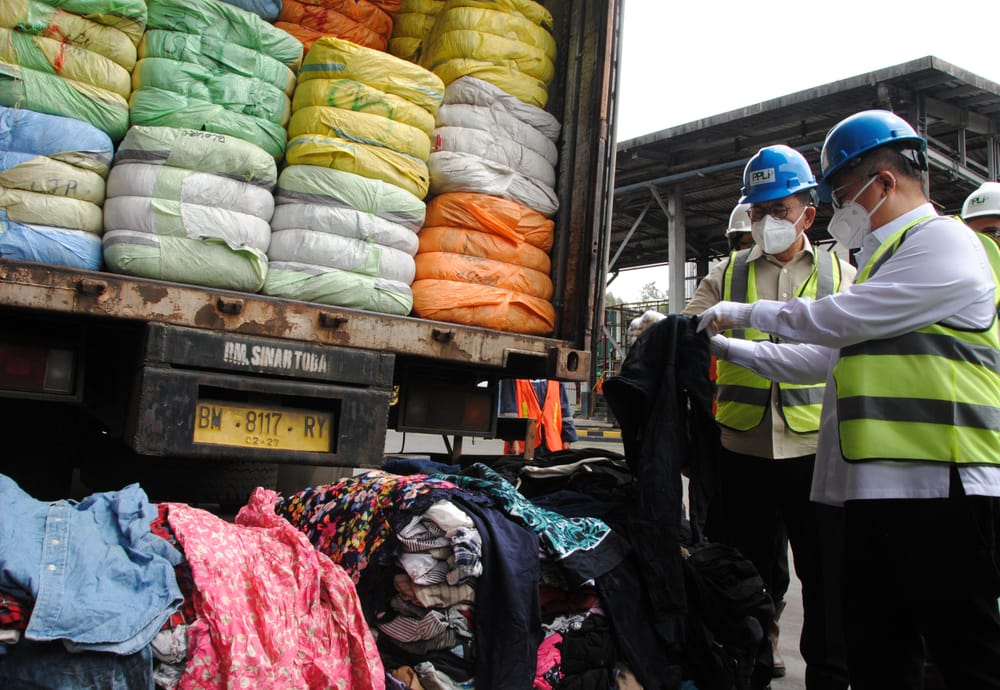
So far, the textile industry has been faced with high production costs due to dependence on imported raw materials and tight global competition accompanied by an onslaught of cheap imported products. In addition, there is also the problem of the lack of supply chain linkages from upstream to downstream, considerable waste potential and sustainability issues.
These are the reasons underlying the pressure from textile entrepreneurs for the immediate completion of the Draft Law (RUU) Pertekstilan - a milestone in the revival of the national textile and textile products (TPT) industry.
Chairman of the Indonesian Textile Association (API) Jemmy Kartiwa Sastraatmadja said that the textile industry is a labor-intensive industry that must be maintained.
"The life and death of labor-intensive industries depends on the policies and regulations issued by the government. With this Textile Bill, the direction of the textile industry policy can be clearer and more organized," Jemmy told SUAR in Jakarta, Monday (22/09/2025).
One of the important points in the Textile Bill is to provide real protection for local industry players, while encouraging the use of raw materials originating from within the country.
The Textile Bill is also expected to provide legal certainty for business actors to increase local competitiveness. In addition, the Textile Bill encourages the independence of the textile sector amidst the swift flow of imports.
Jemmy said that the Textile Bill could become a strong legal umbrella so as to increase the competitiveness of the national textile industry. Currently, the Textile Bill has been included in the 2025 National Legislation Program (Prolegnas) list.
"We really hope that the Textile Bill will be completed, so that the textile industry has a clear direction," said Jemmy.
Jemmy reiterated that the struggle to encourage the achievement of a labor-intensive investment climate in the textile and garment sector is still long and challenging. The reason is not only to improve the quality of production for the domestic market, but also for export purposes.
"We want to maintain the sustainability of labor-intensive industries in Indonesia," said Jemmy. So, he wants the Textile Bill to be completed soon by the House of Representatives so that it can become a new milestone for the revival of a resilient, inclusive and highly competitive Indonesian textile industry.
Support the textile industry
From the regulatory side, the Ministry of Industry (Kemenperin) strengthens its commitment to revive the performance of the textile and textile products (TPT) industry to further contribute to the national economy through the role of professional human resources.
"The textile industry is one of the priority sectors in the national industrial development road map. This sector is also key in spurring Indonesia's economic growth," Industry Minister Agus Gumiwang Kartasasmita said in his official statement received by SUAR in Jakarta (23/9).
Referring to the Ministry of Industry, the performance in the first quarter of 2025, the textile industry recorded a positive growth of 4.64%.
Minister Agus emphasized that his party will continue to support the strengthening of the textile industry through various strategic programs. One of them is the transformation towards industry 4.0 by utilizing digital technology. This strategy is not only applied in the industrial sector, but also in the Ministry of Industry's vocational education units.
Head of the Industrial Human Resources Development Agency (BPSDMI) of the Ministry of Industry Masrokhan said, to support the textile industry's need for a large number of competent workers, one of the Ministry of Industry's vocational education units, namely Politeknik STTT Bandung, plays a role in meeting these needs.
Politeknik STTT Bandung, as one of the Ministry of Industry's 13 vocational higher education institutions, is also the oldest university established since 1922 or 103 years old.
The vocational school was developed with a specialization in textiles and textile products. There are three diploma IV study programs, namely Textile Engineering Study Program, Textile Chemistry Study Program, and Garment Production Study Program.
Through the teaching factory approach, the implementation of dual system education, and educational programs that integrate technology, sustainability, and entrepreneurship, Politeknik STTT Bandung is an important pillar in preparing textile human resources who are not only able to work in the industry, but also ready to create new jobs in the era of industrial transformation 4.0 and green industry.
Contributor of foreign exchange
Economic observer from the Institute for Development Economics and Finance (Indef) Eko Listiyanto assesses the benefits of the textile and textile products (TPT) industry, among others, as a contributor to the country's foreign exchange through product exports, supporting the national economy, providing significant employment opportunities, and fulfilling people's clothing needs.
"The industry also has a role in increasing the added value of resources, driving innovation, and absorbing labor from the demographic bonus, all of which strengthen the overall industrial structure," Eko said.