
Good morning, Chief...
The following is important information related to the development of the business universe that needs attention today based on the curation of the SUAR Team.

Strategies to Reduce Energy Costs to Attract Investment
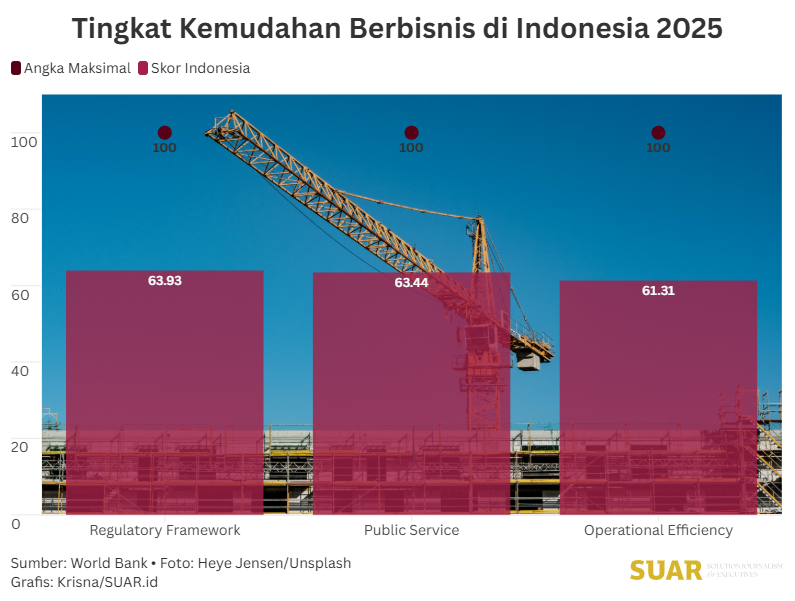
- The government's commitment to improve ease of doing business to attract investment in Indonesia continues to be developed in a number of ways, including by taking integrated measures to reduce energy costs, which have been a complaint of entrepreneurs. Optimizing downstream solar cell opportunities and increasing the renewable energy mix are two of the strategies.
- For example, processing raw bauxite into alumina requires 250 MW of electricity. However, to process alumina into aluminum requires four times as much energy, up to 1,000 MW or 1 GW. Currently, with industrial electricity tariffs reaching USD 0.99 per kWh, the need is clearly very burdensome for investors interested in investing in the processing industry.
Read the full story here.

Strategic Steps to Realize the National Car Project
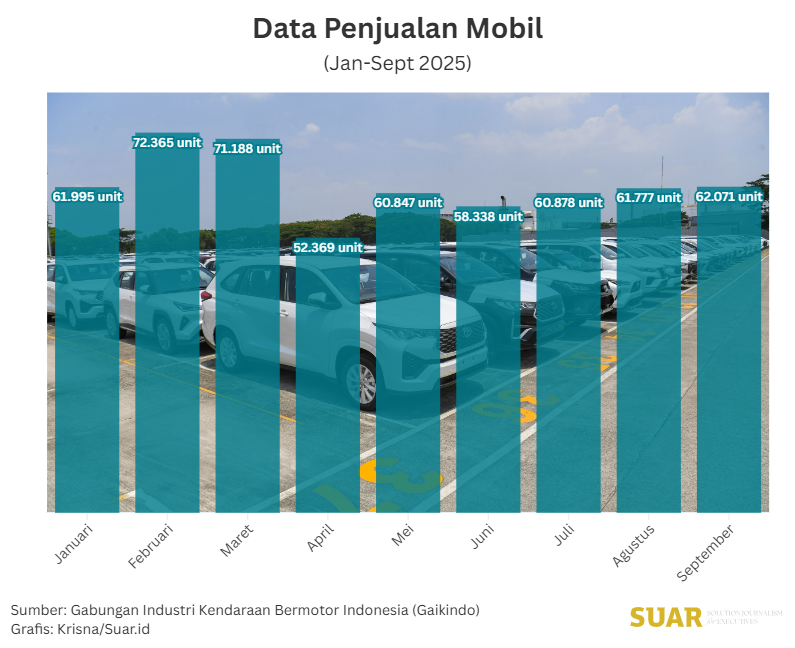
- President Prabowo Subianto has revived plans for a national car development project as an effort to realize the independence of the automotive industry ecosystem. A number of national brands have emerged, from Esemka, i2C to Maleo. Most recently, Prabowo Subianto has been touting a variant of the Maung car from PT Pindad (Persero) as Indonesia's national car. From the domestic private sector, Polytron is developing an electric car in addition to Pindad, which has Maung.
Read the full story here.
Textile Industry Welcomes Cotton Yarn BMTP Policy
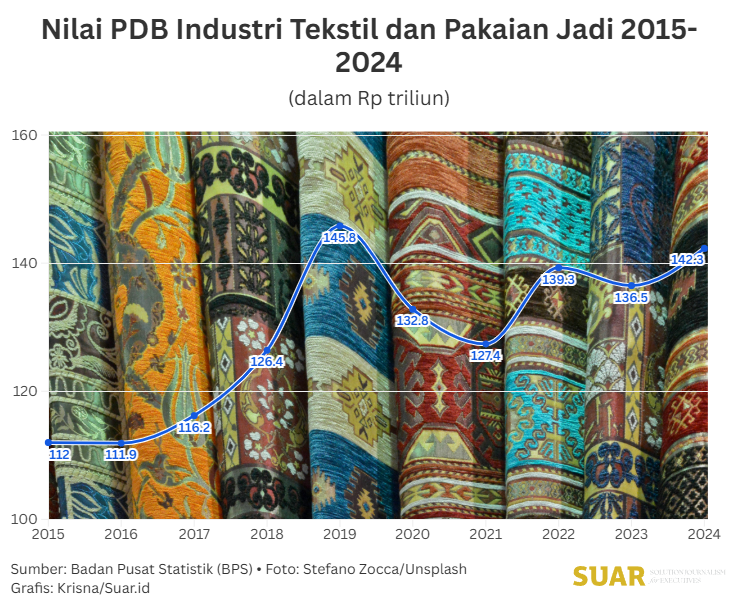
- The upstream textile industry welcomed the government's move to impose Safeguard Measures Import Duty (BMTP) on imports of cotton yarn products amid a wave of dumping and illegal imports that have caused many factories to close.
- The regulation is effective October 30, 2025 - October 29, 2028, covering 27 types of products with eight-digit Harmonized System (HS) numbers of cotton yarn with HS codes from 5204.11.10 to 5206.45.00. These are the main raw materials used by the spinning and weaving industry in the textile sector.
Read more here
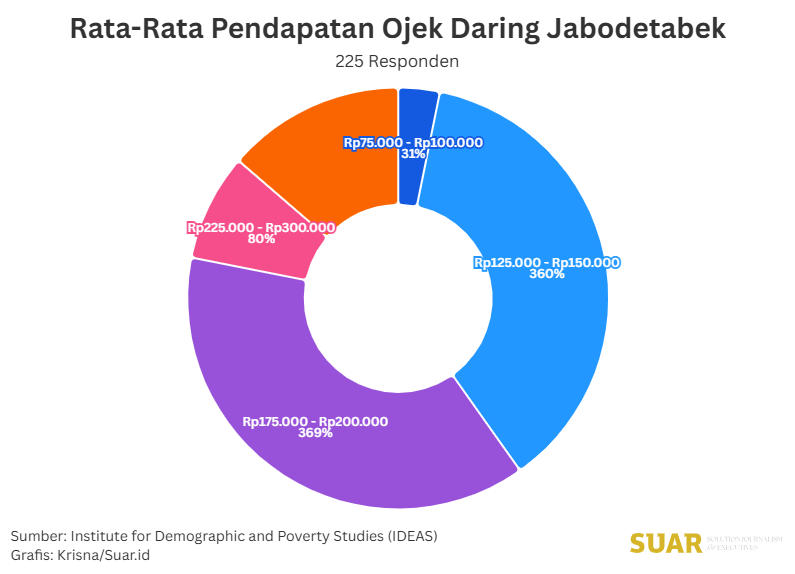
Ojol to become UMKM, Protection or Blurring of Status?
- Minister of Micro, Small, and Medium Enterprises (UMKM) Maman Abdurahman has proposed that online motorcycle taxi (ojol) drivers be included in the UMKM category. According to him, the drivers are part of a rapidly growing digital ecosystem along with online merchants and food ordering services. The government believes that there needs to be a legal basis that provides protection for business actors in the digital sector.
Read the full story here.

Strategies Needed to Prevent Farmers from Making a Profit amidst Global Cocoa Industry Surplus
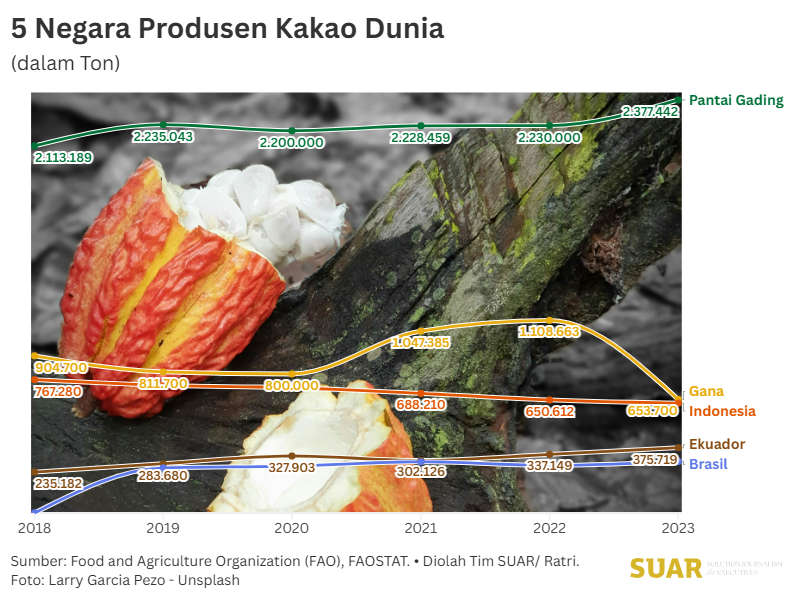
- The Indonesian Estate Crops Statistics report from the Central Bureau of Statistics (BPS) in 2024 showed that Indonesia was able to produce 617,112 tons of cocoa dry beans. This number decreased by 2.37% from the previous year. When compared to the production volume of other cocoa producing countries such as Côte d'Ivoire and Ghana, which are relatively stable or increasing, Indonesia's cocoa production data has been trending downward in recent years. Price fluctuations in the international market, especially the drastic decline throughout 2025, have the effect of putting double pressure on farmers' income while threatening the national productivity improvement program.
- Entering the middle of the year, prices began to correct sharply, reaching a low of 5,858 US dollars per ton in mid-October 2025. This decline reflects a major correction of almost 50% from the peak at the beginning of the year. The main cause of the price slump was a surplus of supply from the West African region, which was supported by changes in climatic conditions.
Read the full story here.

China International E-Commerce Industry Expo & Indonesia E-commerce Product Selection Exhibition (CIEIE) 2025 is an international business-to-business (B2B) trade show organized by the China Council for the Promotion of International Trade (CCPIT). CIEIE 2025 is scheduled to take place over three days, from October 29-31, 2025, at the Jakarta International Expo (JIExpo) Kemayoran, Jakarta. The event focuses on trade collaboration between Indonesia and China to encourage the growth of digital UMKM and the e-commerce industry, by showcasing various products and related technologies. Industry players, suppliers, and e-commerce enablers, while visitors from other circles are expected to be part of this event. Information regarding how to participate in the event can be directly accessed through CIEIE's social media.
Pacific Coatings Show (PCS) 2025 is a Southeast Asian trade show and conference specifically focused on the coatings industry, including coatings raw materials, printing ink raw materials, adhesive raw materials, and laboratory/production equipment. The event is organized by Vincentz Network and will take place over three days, from 29-31 October 2025, at the Jakarta International Expo (JIExpo), Indonesia. The event is supported by the Indonesian Chemical Association and the Ministry of Industry. In addition to exhibitions from dozens of international and domestic brands, PCS also organizes the Pacific Coatings Conference and Short Courses to discuss the latest developments, innovations, and technologies in the industry. Information related to event details can be accessed directly through the official website of the Pacific Coating Show.

"If you have no fear of failure, then you'll be more willing to try new things." (Jeff Bezos-Founder of Amazon)
Have a good day, Chief.
Team SUAR


