
Amidst the geopolitical challenges and complexities of the digital era, supply chain security as the heart of the economy has become the key to national distribution stability. It is no wonder that energy companies, logistics, and advanced technology developers are now focusing on a holistic approach that combines collaboration between parties, improving human resource competencies, and utilizing artificial intelligence technology to secure the flow of goods and data.
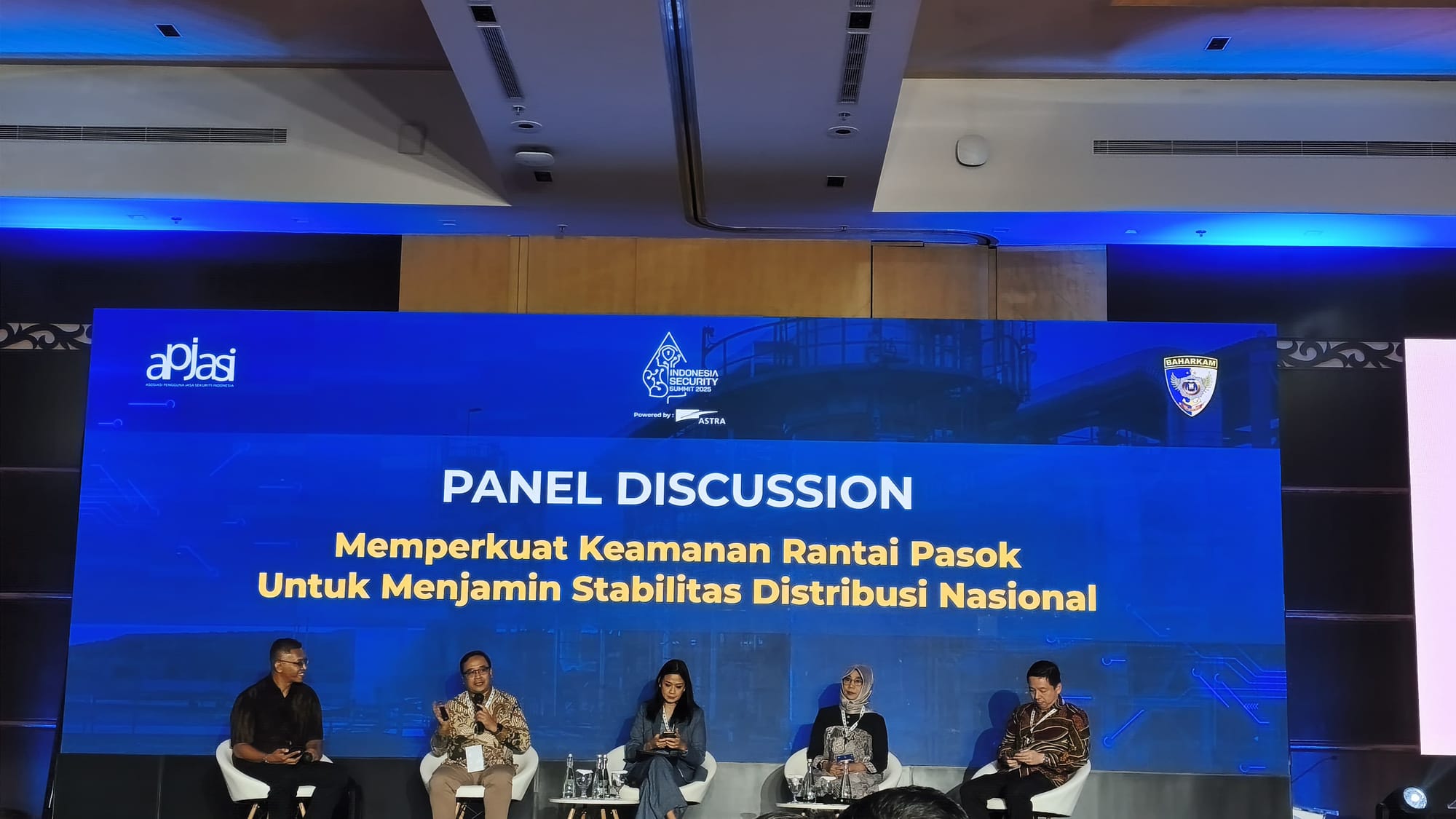
Met at the Indonesia Security Summit 2025 forum in Jakarta (26/8), MIND ID Vice President of Health, Safety, Security, and Environment (HSSE) Budi Haryanto explained that the mining industry is very sensitive to geopolitical changes and global dynamics that affect mineral commodity prices. Therefore, companies are required to adapt quickly and efficiently to all global challenges and demands.
At the same time, it faces significant security risks from domestic factors. These include asset theft at dispersed operational sites, disruption from community demonstrations and blockades, environmental and state losses from illegal mining, and security challenges in high-crime areas.
To strengthen security, Mind ID faces challenges by improving governance. The mining industry holding company now has 2,200 security personnel because it views security as an investment that is fully supported by top management.
In addition, Mind ID also uses digital technology, such as, digitization, to improve operational efficiency and safety. Budi also emphasized the importance of building strong relationships with communities around the mining area.
Energy service companies that are actively involved in distributing energy supplies also have a similar view. According to PT Elnusa Tbk's HSSE Manager, Lisda Dwi Rahayu, collaboration between parties is important to maintain the security and effectiveness of the national supply chain.
According to Lisda, the supply chain is like a 'long highway' that connects all aspects of life. Vulnerability at any one point can have a major impact on the entire system.
"The supply chain from upstream to downstream must be synergized. Why do we need synergy, because as in Elnusa, we need data that will be interpreted and mapped to mitigate supply chain risks and insecurities," Lisda explained in the same discussion forum (26/8/2025).
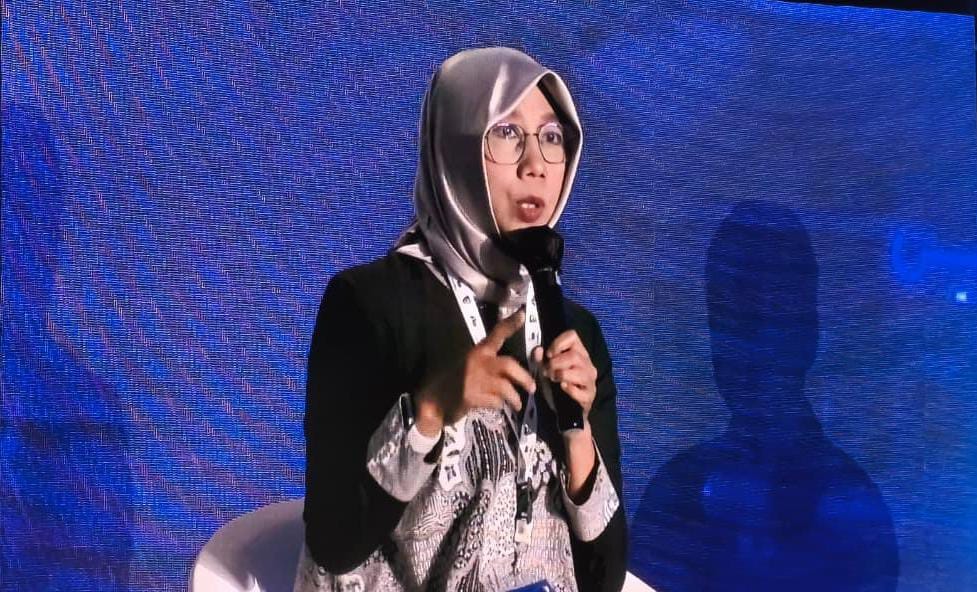
He elaborated that the root causes of supply chain security problems are suboptimal coordination between institutions, lack of threat detection systems, and the absence of standardized joint response protocols, as well as minimal involvement of local communities.
Based on Lisda's explanation, Elnusa itself has conducted integrated data collection from data sources from security forces, analysis from social researchers and non-governmental organizations, as well as data and information from local community leaders.
According to her, the results of the data collection by the integrated energy services company will later be developed to map critical points, such as conflict areas, crime-prone areas, and disaster-prone areas. Lisda pointed out that the development of the supply chain security system also utilizes technology by developing an early detection system using AI CCTV and reports and complaints from the community in real time.
Furthermore, he emphasized the collaboration between parties, such as the involvement of the Indonesian National Army (TNI), police, local government, and also the role of the media as a positive narrative reinforcement.
From the government oversight element, the Special Task Force for Oil and Gas (SKK Migas) also views security as an integrated system that includes collaboration with the community and protection of the country's strategic assets. Indarto Wibowo, Head of the SKK Migas Security Department, explains that the security function plays an important role from the socialization, licensing, and exploration and production phases.
"So security is more than physical guarding and more about being able to maintain then collaboration with the community and certainly being able to maintain asset investment, if we talk in the love of investment," he said in the Indonesia Security summit 2025 discussion panel, Jakarta (25/8/2025).
Indarto explained that SKK Migas acts as the manager of upstream oil and gas business activities based on production sharing contracts (PSCs). This cooperation starts since the winner of the oil and gas working area auction determined by the Ministry of Energy and Mineral Resources (ESDM). "So the security function starts to play a role from the socialization and licensing stage, up to the exploration and production phase," he added.
According to Indarto, most disruptions occur in the exploration phase, when there are activities such as geological, geophysical and drilling surveys. After that, in the production phase, security challenges include securing wells, production facilities, pipelines, and other assets.
"As the supervisor of upstream oil and gas activities, SKK Migas ensures that all activities run smoothly by conducting audits and risk assessments of the security program implemented," he said.
He explained that losses due to sabotage, theft, blockade and geopolitical security threats in the oil and gas sector reached IDR 1.9 billion with a total of 1,310 cases from January 2025 to June 2025.
In response to these threats and risks, SKK Migas mitigates with a risk approach using two main references in managing security, namely Security Standards and Organizations and Competency Regulations. "These reference documents ensure that the security system implemented is transparent and measurable," he said.
Ensure a stable supply chain
PT Perusahaan Listrik Negara (Persero), aka PLN, is also working to ensure that electricity supply remains stable and safe, given its vast network coverage. Vice President of Health, Safety, Security, and Environment (HSSE) of PT Perusahaan Listrik Negara (PLN), Detty Elviany, explained the various efforts made by the company to ensure stable electricity supply and strengthen supply chain security.
PLN currently has 90,000 kilometers of transmission network, 1.1 million kilometers of distribution network, 182,000 Megavolt-Ampere (MVA) of substation capacity, and 16 million electricity poles. Thus, PLN needs an effective and integrated security net.
Detty explained that previously the primary energy supply chain was spread across five PLN Group entities with management that could pose a risk of imbalance between supply and demand. However, now the primary energy supply chain is under one management, thus ensuring more security.
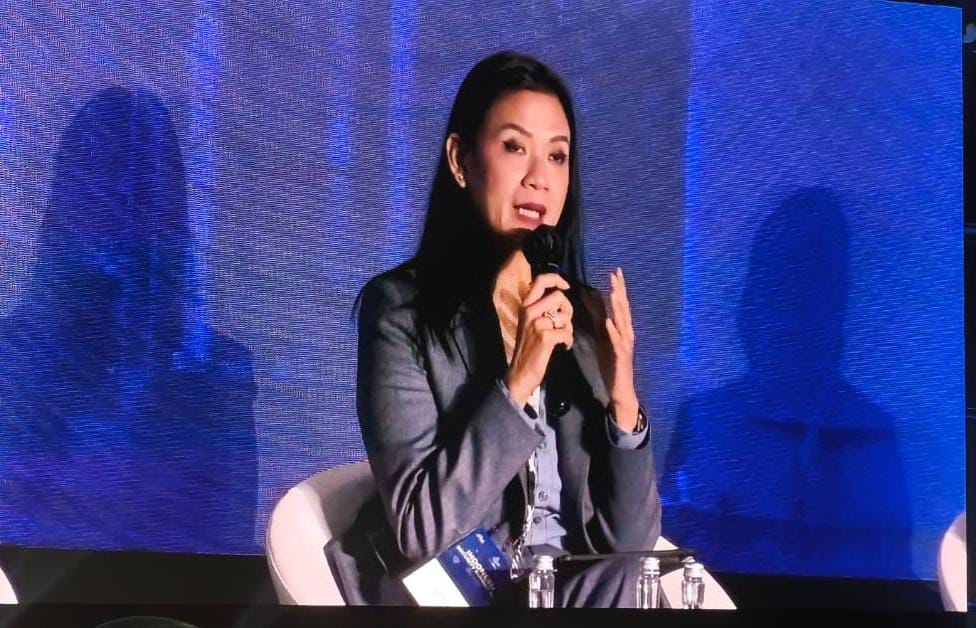
Detty said, to face the geographical challenges of Indonesia as an archipelago in distributing electricity from plants that are located far apart, the government and PLN plan to build a super grid or integrated electricity network.
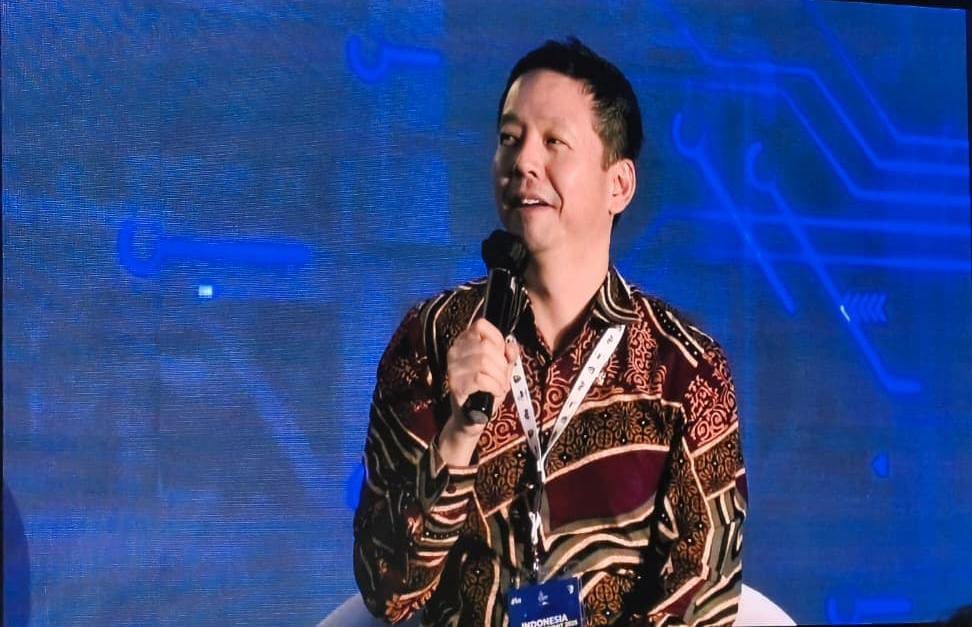
According to Kyatmaja Lookman, Chairman of the Indonesian Security and Safety Association (Kamselindo), supply chain security encompasses a range of policies and technologies designed to protect the flow of goods and data, and focuses on risk management. He explains that risk now takes many forms, from misdelivery of goods to digital crime.
"When we talk about supply chain, it's a physical and data exchange. So there are two forms of security threats, such as errors in shipping goods, but also digital errors," said Kyatmaja, who is also the Chief Operating Officer (CEO) of PT Lookman Djaja Logistik.
He highlighted how technology has changed the modus operandi of crime. For example, GPS, which used to function as a tracking and protection tool, can now be manipulated by criminals, requiring adaptation of security strategies.
AI technology: predictive solutions for risk mitigation
On the other hand, technological developments offer proactive solutions to secure the supply chain. PT KPMG Siddharta Advisory developed a solution based on artificial intelligence (AI) and predictive analytics called Supply Chain Predictor to anticipate and mitigate risks.
According to Associate Director of PT KPMG Siddharta Advisory, Mochammad Zuliansyah, the solution is designed to create an AI platform that can be used by various companies in Indonesia to detect disruptions in the company's supply chain.
"We introduce solutions and technologies in the supply chain area that have been and are being developed globally. How can we provide security from threats and disruptions by using data analytics technology and also AI," said Zuliansyah in the discussion forum Strengthening Supply Chain Security to Ensure National Distribution Stability, Jakarta (26/5/2025).
He explained that the use of Supply Chain Predictor with AI allows companies to predict things that might happen, such as disruptions or problems, so that companies can prepare better handling steps.
Furthermore, he elaborated, one of the main features developed is Digital Equity. Digital Equity allows digital remodeling of real conditions in the field. With this technology, "We can monitor everything in the supply chain area in the system," Zuliansyah explained.
Zuliansyah added that to improve the accuracy of predictions and modeling, integration of internal and external data is required.
"Internal data refers to historical data, which the company has, so the more data from the company the smarter. But, we add one more is external data, a big data," he explained.
Big data, he added, stores all the conclusions of problems and incidents that apply to most industrial sectors globally.
In his presentation, Zuliansyah explained how Supply Chain Predictor works, which is equipped with several key features to secure the supply chain, including;
- Advanced scenario modeling which enables upstream to downstream supply chain planning. The system can project product needs for the next 1 month, 3 months, up to 12 months. In addition, this feature provides alternative suppliers who have similar characteristics supported by machine learning.
- Intelligent forecasting which is used for simulation. Companies can predict potential risks and evaluate their suitability to business objectives. This feature can also help determine the most suitable individual for a role.
- Anomaly detection which displays the facility virtually in a 3D model if an anomaly occurs, the system can detect it quickly. The system will then provide corrective action recommendations.
Despite its promise, Zuliansyah also recognizes several challenges in implementing AI. Among them, data readiness, where data that is not well managed and scattered is a major obstacle. Then, deadlines are often unrealistic because companies want instant results, even though AI systems need time to learn and develop.
Finally, there is a need for readiness in terms of people and processes, including the right incentives for new technologies to be well adopted.
Large enterprises in Indonesia and globally are facing new challenges in managing security, along with the rise of cyber threats and the importance of protecting physical assets.
In line with Mind ID, the same thing is also done by PT Astra International Tbk. Astra's Corporate Security Division Head Selly Irfandy revealed that the company's security strategy has been strengthened through the implementation of the Astra Security Management System (ASMS) since 20 years ago.
This system aims to integrate the security programs of all companies in the Astra International holding, so that each initiative can run effectively.
"ASMS actually illustrates how we can help and process companies under the holding of PT Astra International Tbk that have security programs and innovations. The goal is to spur innovation and creativity so that the program can be implemented," Selly said in a panel discussion at the Indonesia Security Summit 2025, Jakarta (25/8/2025).
Furthermore, he explained that ASMS is a risk-based security strategy model with approaches, technical, operational, commercial, and financial risks. "This holding security strategy is for the sustainability of the company. The program we run is not to spend funds but to secure the company's assets," he added,
So far, the ASMS system has been implemented in more than 600 Astra installations throughout Indonesia. The success of this implementation can be seen from theaward given every year. Since 2015, the ASMS Award has collected 588 innovations from various business units.
Selly Irfandy explained that this program not only serves as an appreciation event, but also encourages business units to continue to innovate. "They must commit that the system is not far from their core business, so they can continue to create relevant programs," she added.
Furthermore, Selly revealed that the main requirement to get this recognition is to have a good system and platform, as well as innovative programs that are able to provide significant added value(net worth income) for the company.
Amidst the complexity of global and regional challenges, Indonesia is required to adopt a more holistic and integrated approach to security. According to Phillip J. Vermonte, Senior Fellow of the Center for Strategic and International Studies (CSIS) Indonesia, good security governance is not just about military power, but also a key strategy for mitigating business risks, maintaining economic sustainability, and building trust in the eyes of investors.
Vermonte explained that the concept of security has evolved from traditional threats (wars between countries) to non-traditional threats, better known as human security. "So, the concept of security has now also developed not only wars between countries, but also things that are precisely non-traditional such as natural disasters, the impact of pandemics, and illegal trafficking," he said at the same event, in Jakarta (25/8/2025).
According to him, the interaction of various threats ranging from geopolitics to climate change often occurs simultaneously, creating a challenging multidimensional situation.
He added that the impact of geopolitical and climate change poses various economic and security risks for companies in Indonesia. Such risks include regional economic instability due to local currency settlement conflicts, uncertainty in commodity prices and logistics costs, declining investor confidence, and damage to business assets and infrastructure due to disasters.
Phillip emphasized that unstable situations, whether due to geopolitical conflicts or non-traditional disasters, can increase investment risks."Geopolitical action and its impact can disrupt supply chains and logistics and then because of the unsafe situation, the risk for investment increases, therefore we have an interest in maintaining peace," he explained.
Furthermore, he cautioned, the threat of cross-border crime can also affect investor perceptions as it reflects weak law enforcement and indicates the country's weak ability to protect itself.
To manage these challenges, Vermonte suggests that businesses and government agencies start integrating geopolitical analysis into their strategic planning. By understanding the impact of each geopolitical dynamic, Indonesia can build better resilience, reduce risks, and create an environment more conducive to investment and economic growth.