
The government will add six new Special Economic Zones (SEZs) next year with a potential investment of Rp 300 trillion. The presence of the new SEZs is expected to absorb labor, add value to Indonesian production, and ultimately spur economic growth.
Deputy Minister of Investment and Downstreaming/Deputy Head of the Investment Coordinating Board (BKPM) Todotua Pasaribu said that with the addition of six new SEZs next year, economic growth is expected to continue.
The six new SEZs operate in various sectors ranging from health, education, manufacturing, and tourism. However, the location of the new SEZs and their latest developments have not been disclosed.
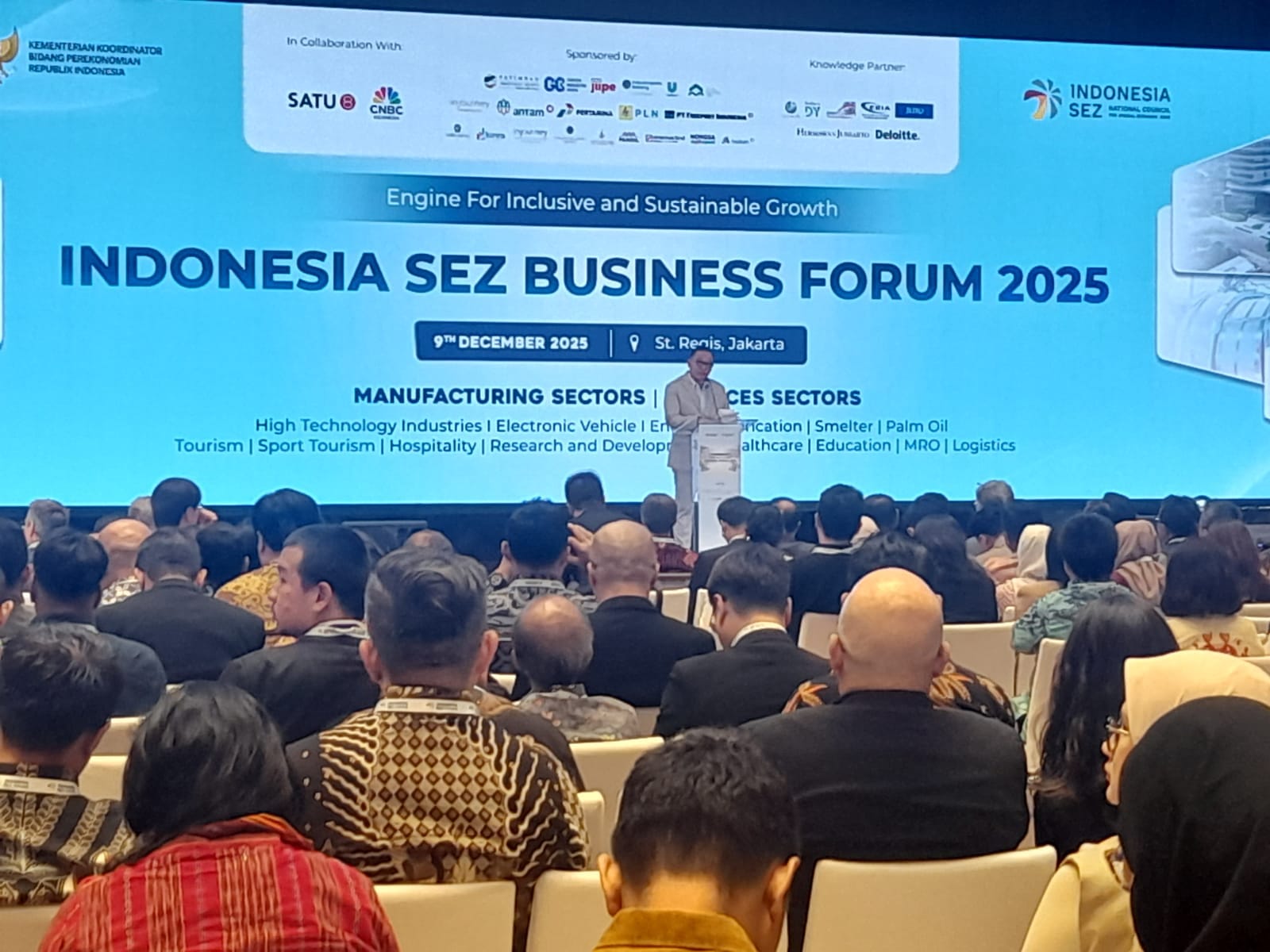
"Just wait for the date, there will be a launch and it will be announced," he said when met at the Indonesia Specific Economic Zone (SEZ) Business Forum 2025, at The St. Regis Hotel, Jakarta (9/12/2025).
As of September 2025, there are already 25 SEZs in operation that have successfully attracted investment, driven economic growth, and absorbed labor.
The 25 SEZs that are already in operation consist of 13 industrial SEZs, 8 tourism and health SEZs, 3 digital and education SEZs, and 1 other service SEZ, specifically for aircraft maintenance, repair, and overhaul (MRO).
By the third quarter of 2025, SEZs throughout Indonesia had recorded cumulative investments of Rp 314 trillion, equivalent to US$ 18.8 billion.
In addition, 237,000 jobs have been created, with a total of 351 tenants now operating in 25 SEZs spread from Aceh to Papua.
Throughout 2025 alone, KEK's performance showed a significant surge. During this period, KEK succeeded in generating new investments worth US$ 3.6 billion, while creating more than 79,189 jobs.
Not only that, KEK also recorded impressive export performance of US$ 5.43 billion.
KEK: engine of economic growth
On the same occasion, Deputy Chair I of the SEZ Implementation Team, Elen Setiadi, revealed that Indonesia already has 25 Special Economic Zones (SEZs) as drivers of economic growth.
He emphasized that this SEZ serves as a prototype area, offering competitive fiscal and non-fiscal incentives, with simpler procedures.
"Each SEZ is supported by integrated infrastructure designed to boost productivity, effectiveness, and certainty for investors," he said.
The government is committed to improving competitiveness for SEZs and Indonesia as a whole. According to him, Indonesia aims to achieve a low ICOR (Incremental Capital Output Ratio) and assert its position as a high-return investment destination. In this way, the government will be able to promote efficient and high-quality economic expansion.
ICOR is a ratio that measures how much additional capital or new investment is needed to generate one additional unit of output (growth) in the economy, indicating investment efficiency. The smaller the ICOR value, the more efficient the investment is in driving economic growth. This is an important indicator in national development planning to evaluate the effectiveness of investment budget utilization.
Indonesia is also promoting blue and green economies, digital transformation, tourism, and the creative economy as new engines of growth.
Chinese investors are the main partners of KEK
Acting Secretary General of the National Council for Special Economic Zones, Rizal Edwin Manansang, said that the development of Special Economic Zones in Indonesia in recent years cannot be separated from the important role of Chinese investors, who have become one of the main partners in driving the growth of value-added industries.
Through investments in downstream industries, new and renewable energy, high-tech manufacturing, and advanced materials, Chinese companies have strengthened Indonesia's industrial supply chains and accelerated its economic transformation.
A number of Chinese companies have made significant contributions to the development of Indonesian SEZs, including the Galang Batang SEZ in the alumina, photovoltaic, and chemical industries, the Kendal SEZ in the electric vehicle battery supply chain, and the Gresik SEZ in the construction of the largest copper foil factory in Southeast Asia and the largest glass factory in the world.
"Chinese companies in the Galang Batang, Kendal, and Gresik Special Economic Zones have proven to accelerate downstreaming and strengthen the high-tech manufacturing ecosystem in Indonesia," he said.
Read also:
 Mukhlison Widodo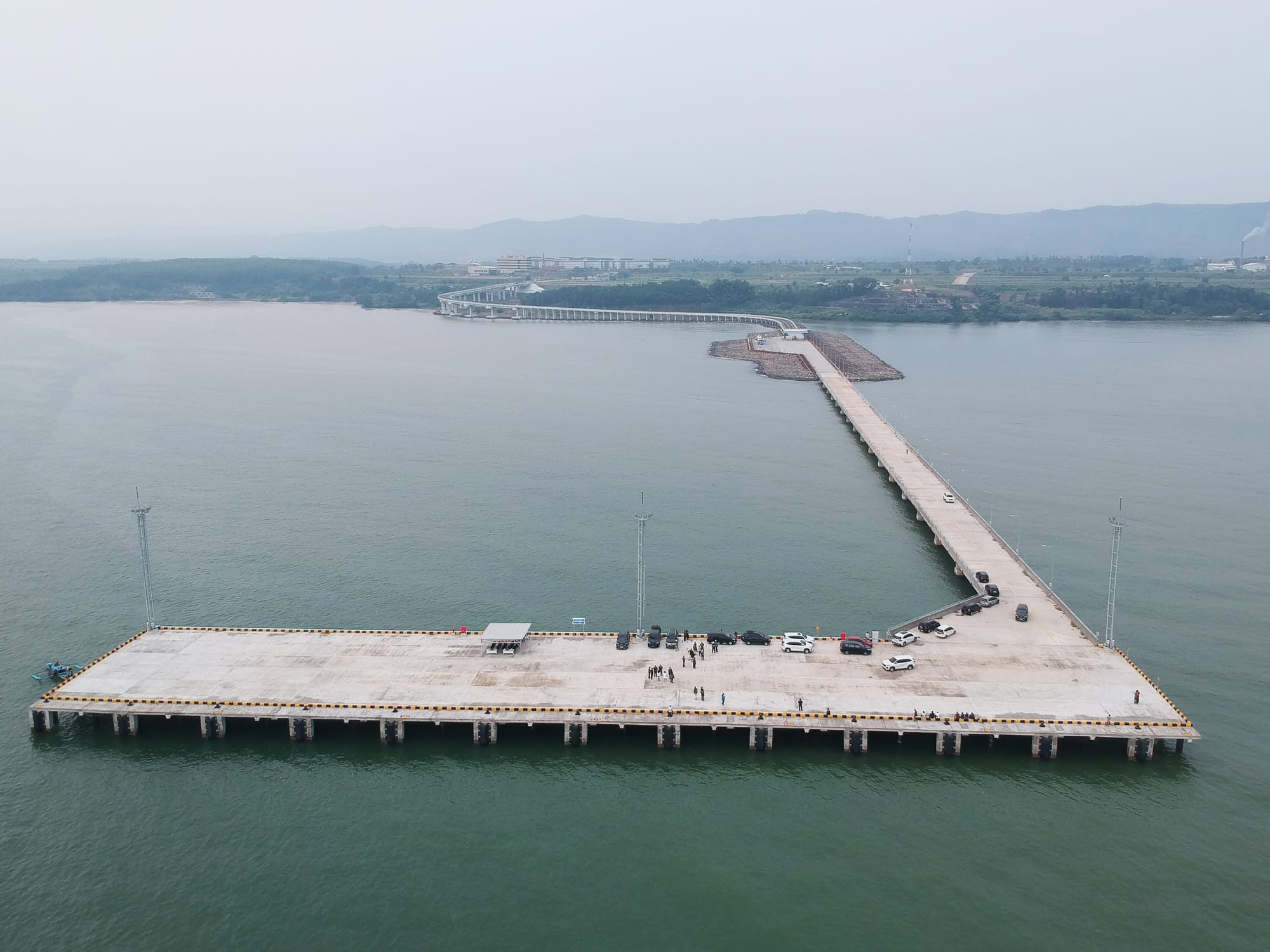
Their presence in various SEZs demonstrates their high confidence in Indonesia's economic prospects and reflects the alignment of both countries' visions in building competitive and export-oriented industries. This strategic role makes Indonesia-China collaboration one of the main pillars in the development of SEZs and the strengthening of Indonesia's position in the global value chain.
He added that SEZs would be a key pillar in supporting national development priorities for 2025–2029, particularly through increased exports, import substitution, the acceleration of Industry 4.0, and the development of eastern Indonesia.
Aspirations for the development of SEZs
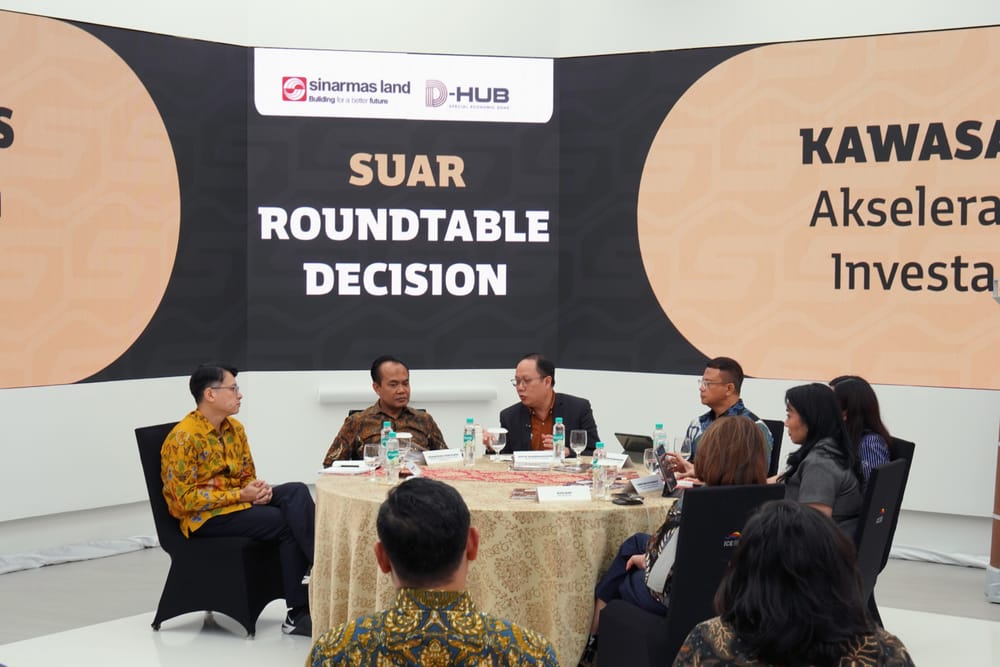
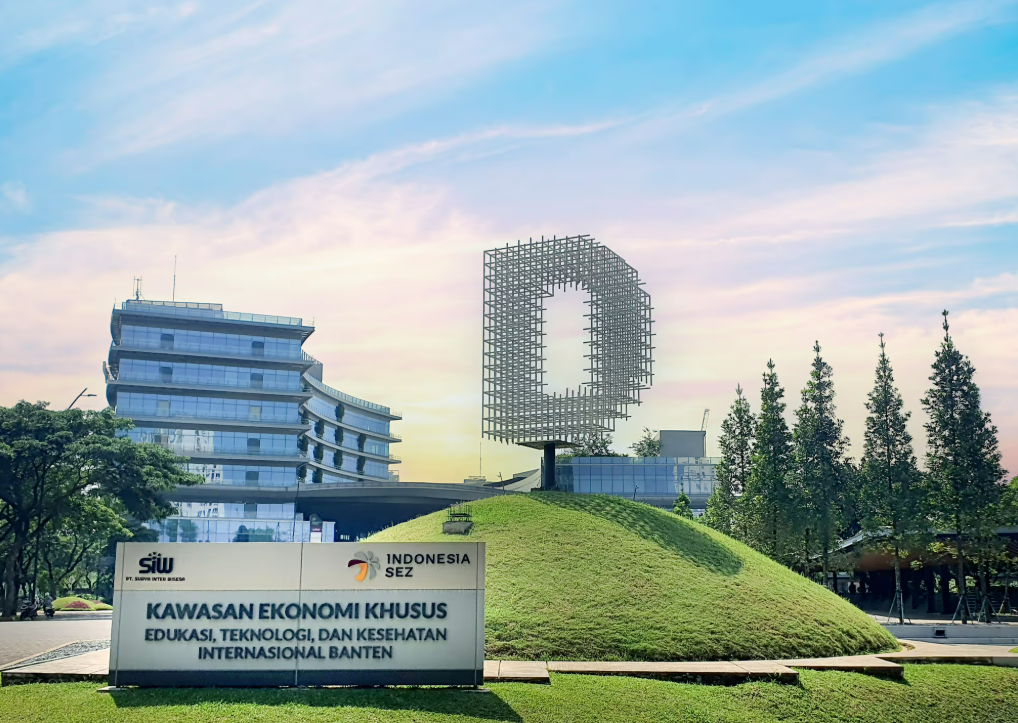
Previously, in Roundtable Decision Suar.id Roundtable Decision Tuesday (2/12/2025) at the Biomedical Campus KEK ETKI Banten on Tuesday (2/12/2025), a number of KEK managers provided input to the government on efforts to develop and optimize KEK.
Executive Director of KEK Kendal Juliani Kusumaningrum said that the main problem faced by business actors in KEK is operational, particularly in terms of licensing.
Juliani also suggested that there should be a good profiling system by Customs in order to save time and costs incurred by business actors. Therefore, she proposed that there should be a profiling system that can be implemented in SEZs.
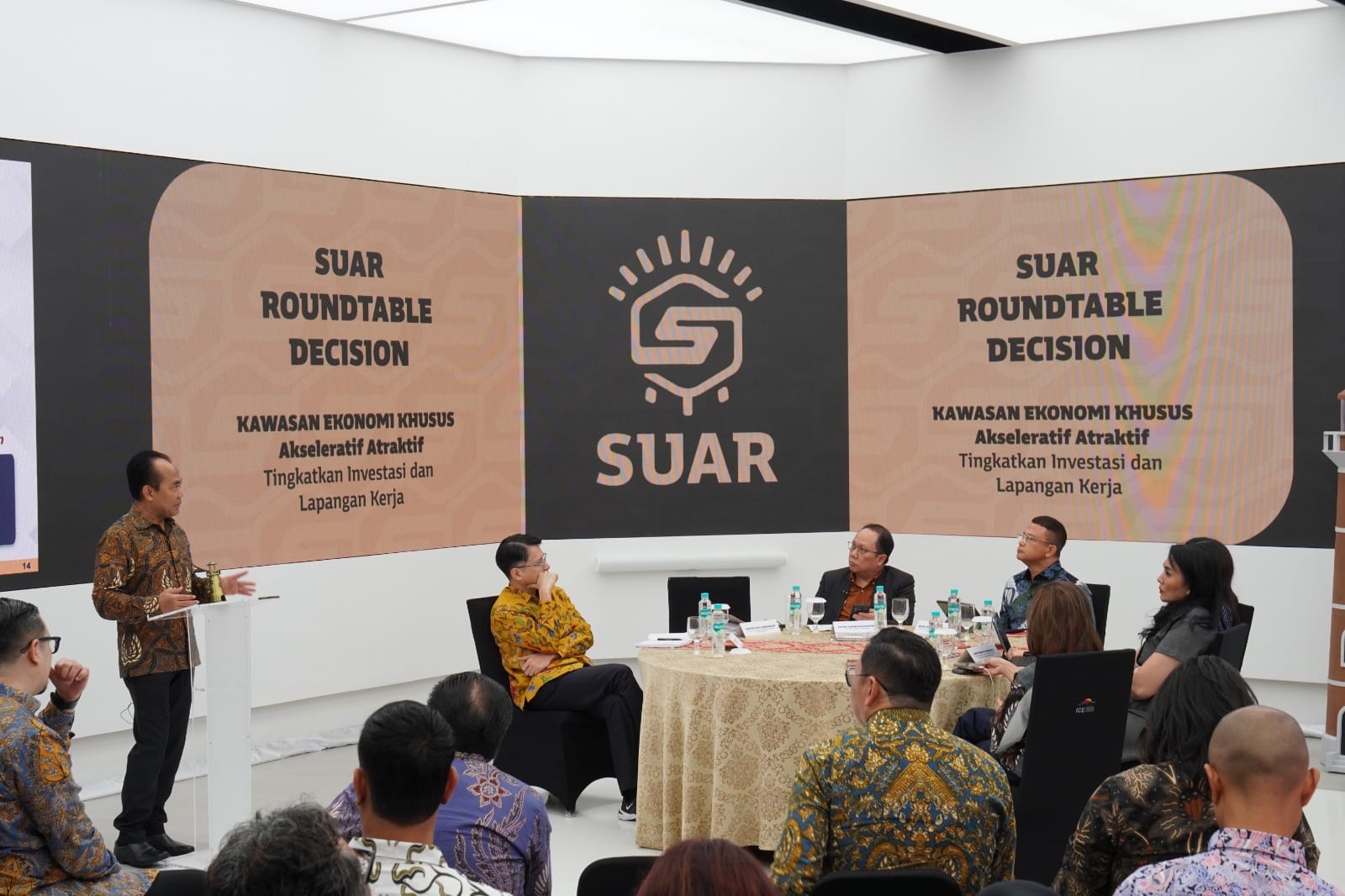
Meanwhile, Christine Hutabarat, President Director of PT Hotel Indonesia Natour/InJourney Hospitality (Sanur SEZ), proposed the need for good coordination between relevant parties in the development of SEZs from a regulatory perspective.
Fast licensing for business actors is considered important, because business actors take full advantage of momentum to invest.
Similarly, Strategy Advisor of KEK ETKI Banten Mulyawan Gani said that there is a need for ministerial regulations (Permen) that can accommodate and facilitate specific sectors in KEK in order to facilitate investment.
"There must be clear regulations that can be applied in the Special Economic Zone. Outside of health, I don't see it. There is no digital creativity, no education, so sometimes we are confused about what to do," said Gani.
Read also:
 Benedictus Krisna Yogatama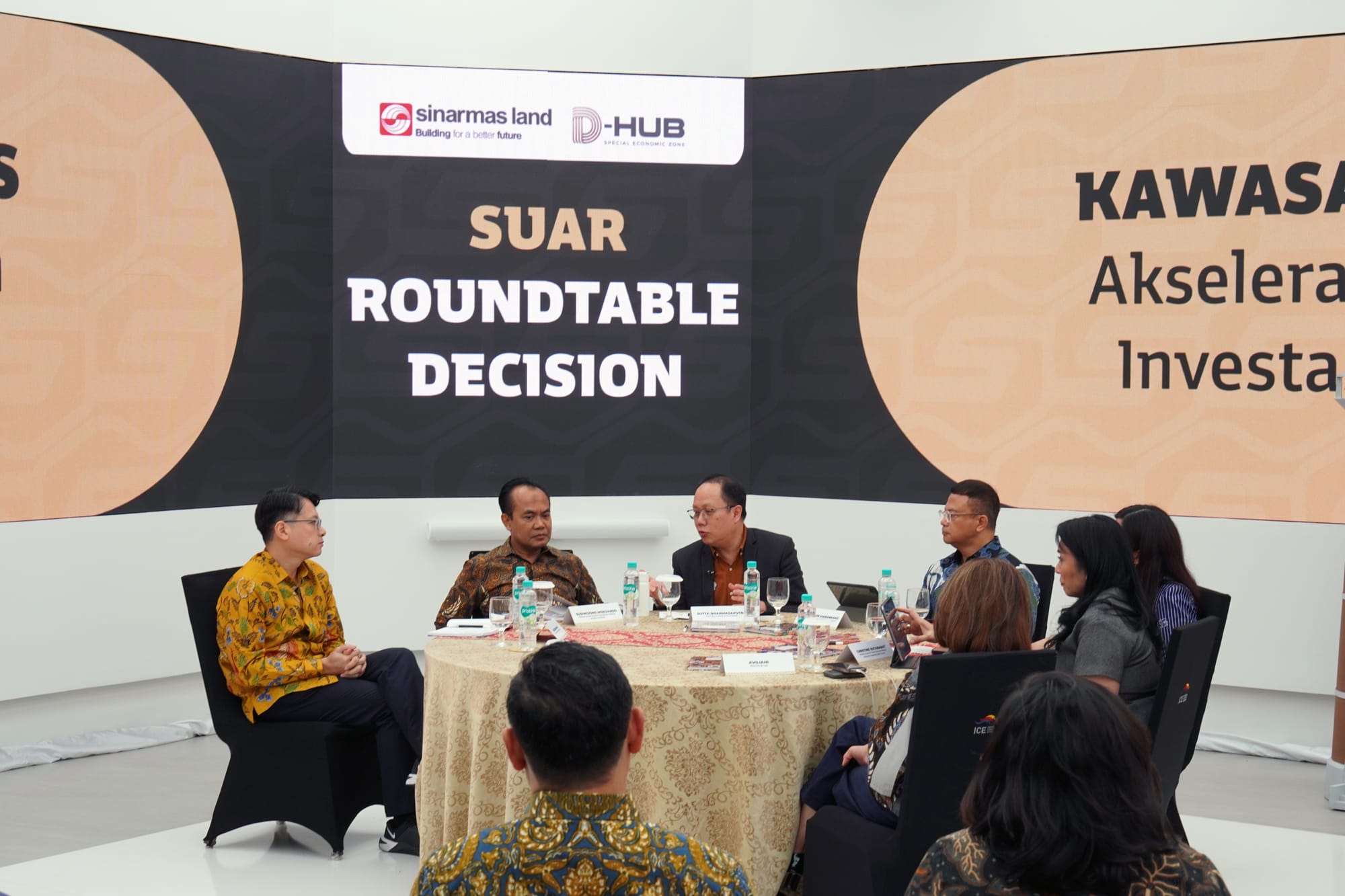
He cited the education sector, which requires teaching staff. These teachers are then linked to immigration, so there needs to be regulations that support and facilitate this issue.
"So this definitely makes sense. If the regulation itself does not exist, how can we provide certainty to foundations that want to open universities again?" he said.
In addition, Senior Economist Aviliani explained that local governments need to be more involved in the development of SEZs. The operation of SEZs is closely related to local governments in regencies/cities, therefore there needs to be clear regulations governing this matter so that accountability can be ensured.
"Regional infrastructure is fordelivering all kinds of goods. So, this team should also involve local governments. Because now, many local governments feel that this is a matter for the central government," said Aviliani.