Challenges, innovations, and policies that influence the growth of Micro, Small, and Medium Enterprises.
The halal industry in Indonesia is becoming a new force amid global trade challenges, with a value reaching more than US$2 trillion
The government has set an extension of the final Income Tax (PPh) rate of 0.5 percent for UMKM with a turnover of up to IDR 4.8 billion per year. This policy is no longer extended annually, but is given certainty until 2029.
The presence of POJK 19/2025 concerning Ease of Access to Financing for Micro, Small and Medium Enterprises opens up opportunities for financing this segment to be more driven.
Various challenges experienced by UMKM, ranging from limited human resource capacity to market access, can be assisted by all stakeholders.
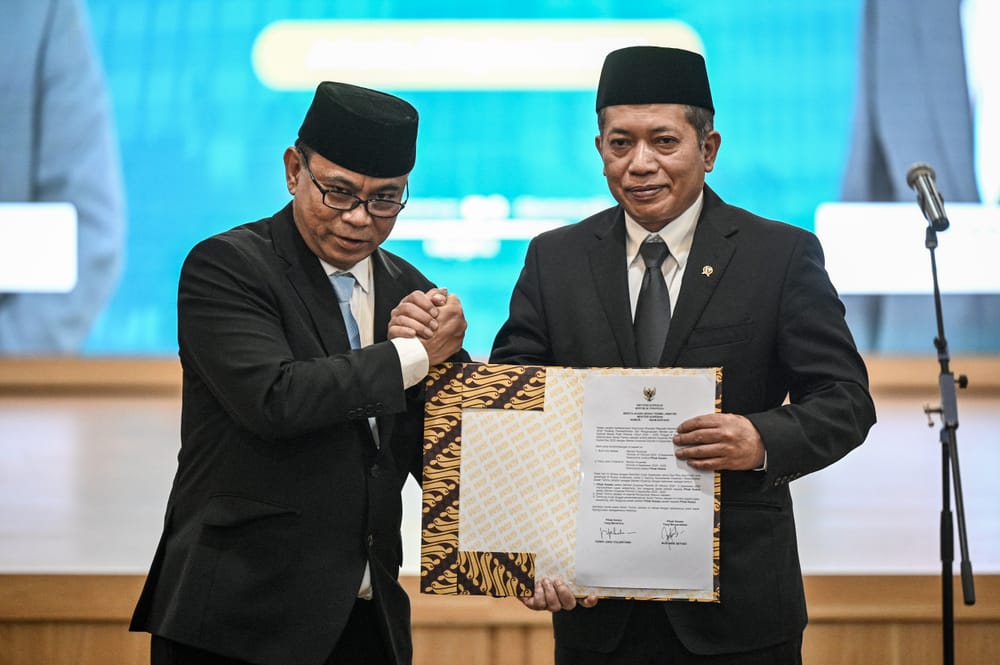
The new Minister of Cooperatives, Ferry Juliantono Ferry, ensures that he will continue the baton and maintain the existing priority programs including the Red and White Village Cooperative (Kopdes Merah Putih) program.
ASEAN is preparing to step into a new chapter that has the potential to change the face of the region's economy. Through the Digital Economy Framework Agreement (DEFA), member countries are designing the first comprehensive framework that unites various cross-border digital policies.
Through the Labor Intensive Industrial Credit (KIPK) program, the government subsidizes an interest discount of up to 5%. Debtors get a credit interest rate of 6% per year, lower than the usual credit interest rate of 12%-13%.
Bank Indonesia (BI) has officially launched the Quick Response Code Indonesian Standard (QRIS) cross-border payment system with Japan, effective August 25, 2025.
The SAPA UMKM digital platform, which will be launched in the near future, integrates access and business support services, to government priority programs.
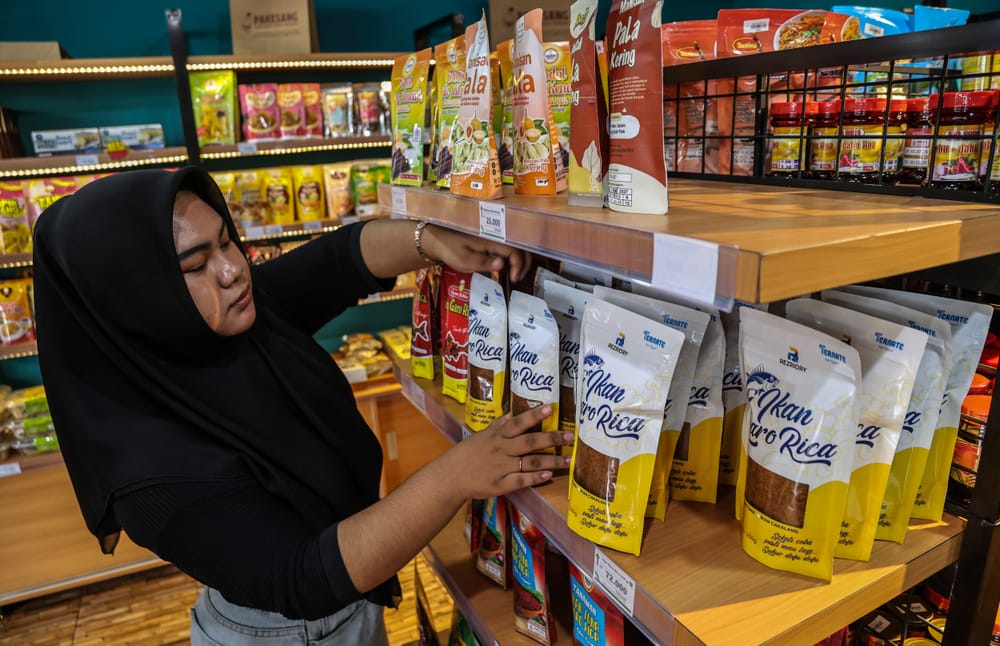
More than 80 percent of products marketed in modern retail are local products
UMKM has become the backbone of the national economy with a contribution of 61.9% to the GDP. However, many UMKM that want to develop their businesses are still facing financing problems. Deregulation and other breakthroughs are needed to encourage UMKM to level up and be sustainable.
As many as 40% of respondents stated that UMKM have difficulty obtaining bank credit access. Three key factors in UMKM development: ease of access to credit, promotion and market expansion strategies, and good management.
Showing 12 of 36 total posts
Stay updated with our collection of the best stories.