Taxation policies, compliance strategies, and their implications for the business world and society.
As of October 31, 2025, state revenues have collected Rp2,113.3 trillion or 73.7% of the 2025 State Budget target. Remaining before the end of the year, the government is speeding up state revenue.
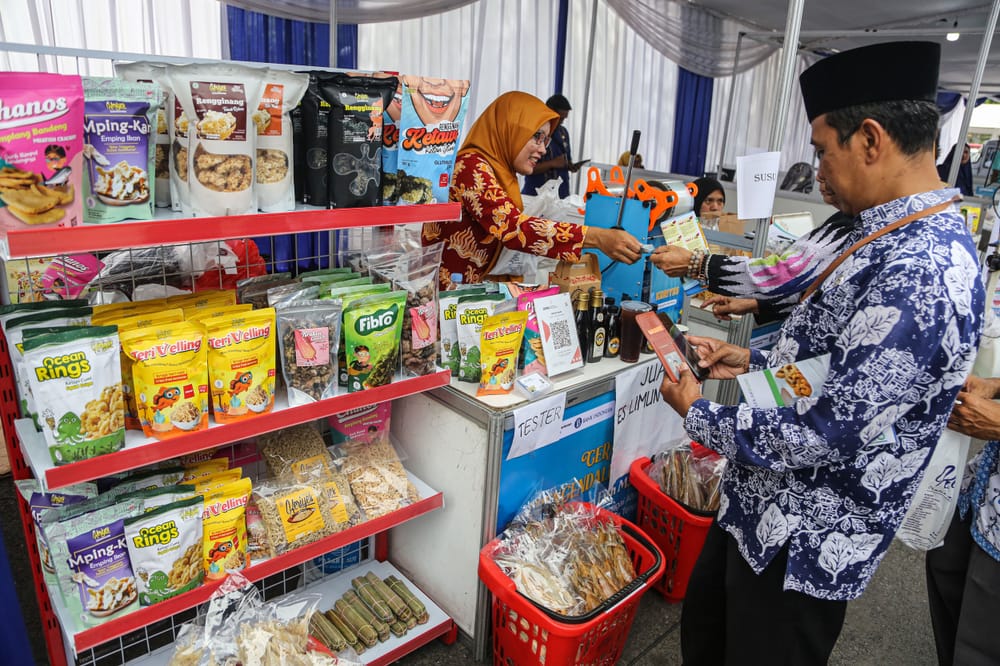
Finance Minister Purbaya Yudhi Sadewa opened the opportunity to make the final Income Tax (PPh) rate for UMKM players of 0.5% a permanent policy. Currently, the 0.5% final income tax rate has been extended until 2029 for UMKM with a maximum turnover of IDR 4.8 billion per year.
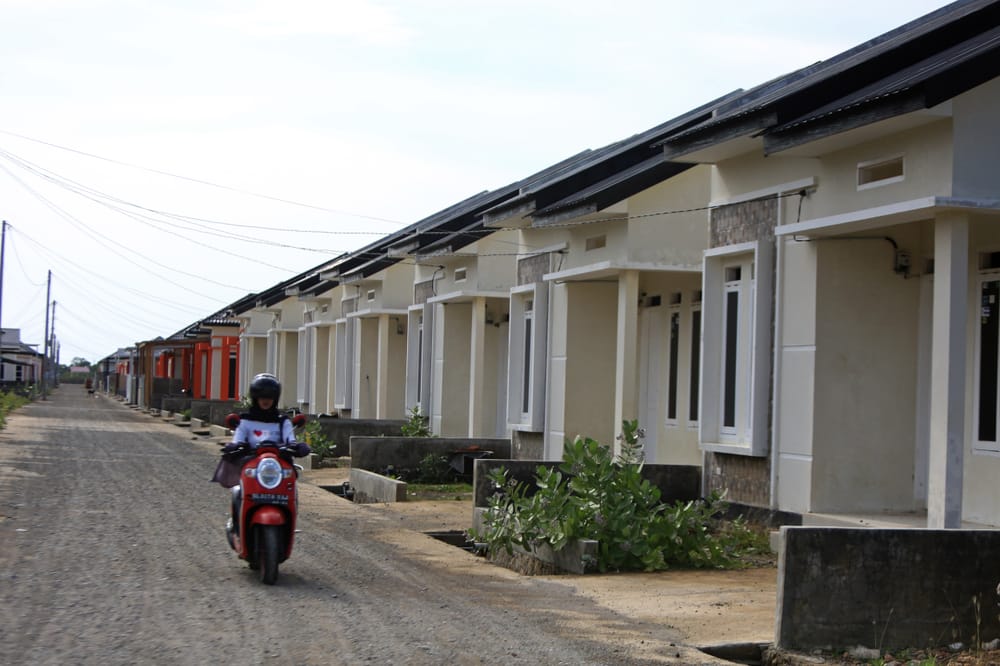
With the government-borne value-added tax (VAT) incentive (DTP) of 100% for the purchase of landed houses and apartments, housing prices can be more affordable so as to stimulate sales for consumers.
The government has set an extension of the final Income Tax (PPh) rate of 0.5 percent for UMKM with a turnover of up to IDR 4.8 billion per year. This policy is no longer extended annually, but is given certainty until 2029.
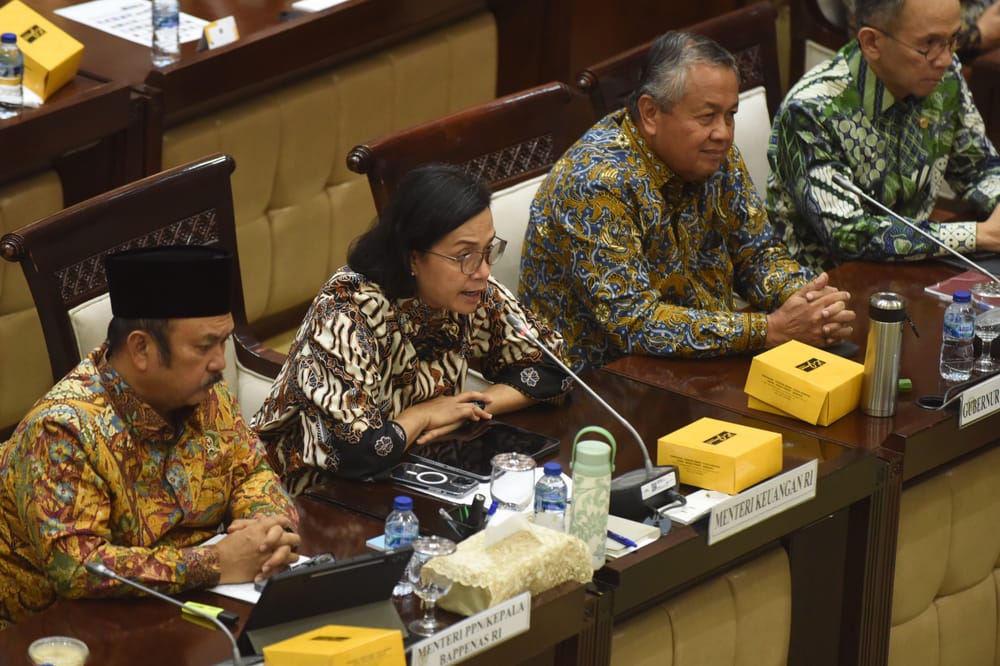
Minister of Finance Purbaya Yudhi Sadewa said that he personally prefers not to increase tax rates and focus more on encouraging the economy. Let's see what the direction of his policy will be in the future.
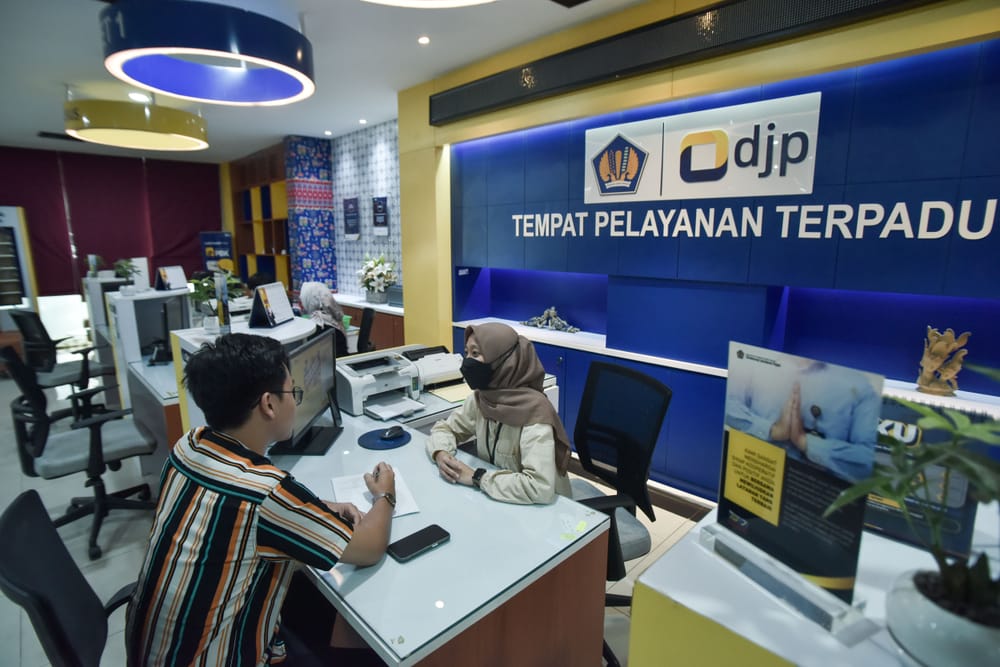
Minister of Finance Sri Mulyani has affirmed that there will be no tax rate increases for 2026 and that the focus will be on intensifying enforcement and improving taxpayer compliance as efforts to optimize state revenue.
The Ministry of Finance stated that the realization of tax revenue from the digital economy reached Rp 40.02 trillion as of July 31, 2025.
Indonesia can increase its tax ratio by implementing two strategies. First, resolve four fundamental tax problems. Second, close five tax loopholes.
Citing OECD data, Indonesia's tax ratio reached 12% in 2023. This figure is still below other countries such as Malaysia (13.1%), Singapore (13.7%), China (20.4%), South Korea (28.9%), and Japan (34.4%).
The government has set a tax revenue target in the 2026 State Budget Draft (RAPBN) of IDR 2,357.7 trillion, or an increase of 13.5% from the 2025 tax revenue outlook of IDR 2,076.9 trillion.
CELIOS has discovered a formula to increase taxes by up to IDR 524 trillion without burdening the business world and society.
Ease of doing business and investment will encourage a region's fiscal independence. Badung Regency, Bali Province, for example, as much as 91 percent of its regional income originating from PAD cannot be separated from the contribution of the private sector or business actors in paying regional taxes.
Showing 12 out of 13 total posts
Stay updated with our collection of the best stories.