Strategic analysis and data-driven reports for business leaders. The Insight category presents in-depth reports and relevant data visualizations to help executives understand context, identify trends, and make informed decisions.
One year into President Prabowo's administration, downstream policies in various sectors have been implemented. Domestic technological capabilities are needed so that the industrial sector can continue to run.
The declining number of middle-class Indonesians and the difficulty in achieving prosperity is a signal of "alert" for the government. Appropriate social protection instruments are needed so that the role of this group can be more optimal economically, socially and politically.
The economic shock from the combination of the Covid-19 pandemic and technological disruption has caused the curve of Indonesia's middle class to decline. The middle class is vulnerable to falling into poverty. Indonesia faces a steep road to becoming a high-income country.
The condition of the Indonesian middle class that is not yet prosperous is recorded in the Survey of the Business World conducted by the SUAR Team. The government also needs to formulate appropriate social protection instruments for the middle class.
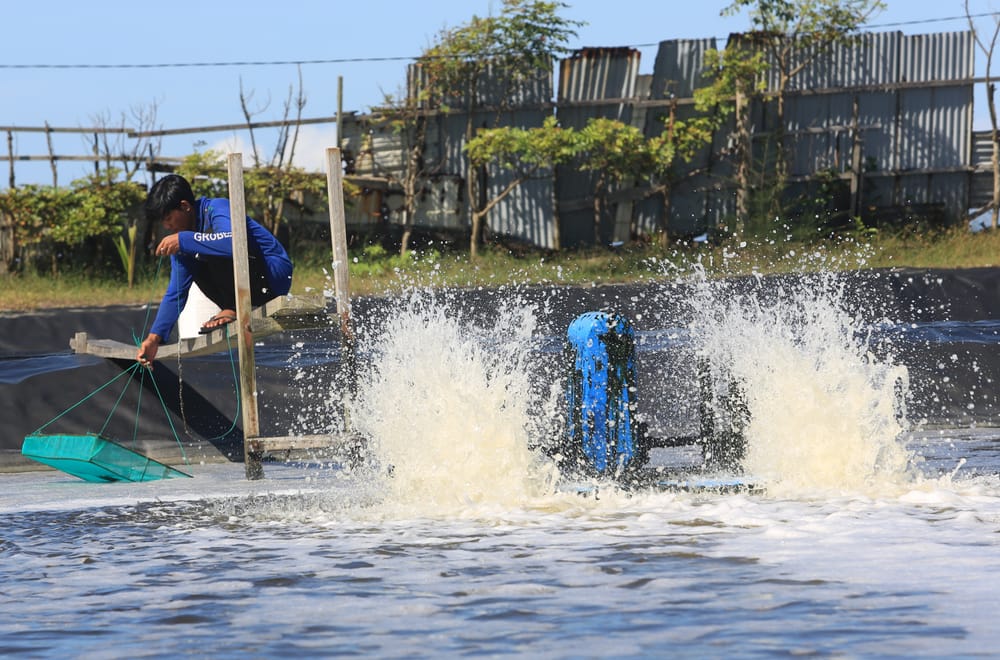
The case of radiation exposure to shrimp in the United States needs to be a valuable lesson, to improve the governance of Indonesia's export commodities.
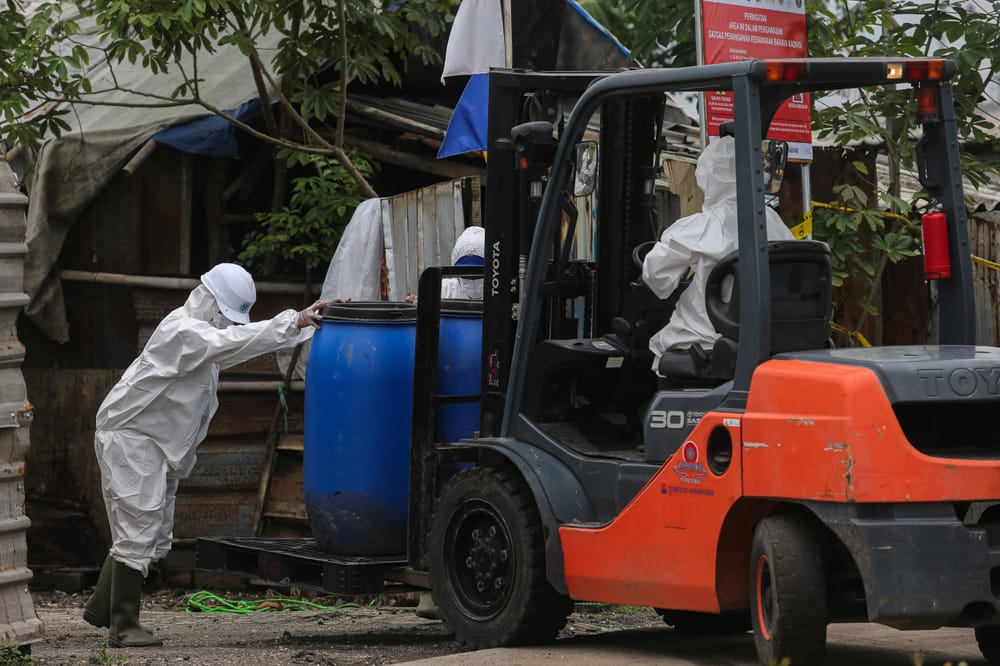
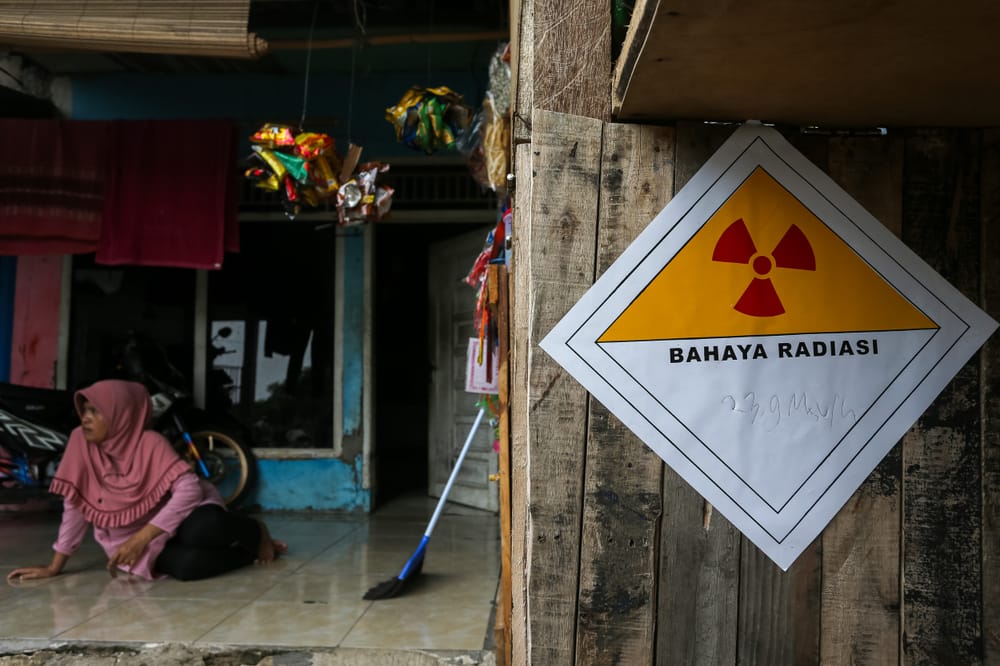
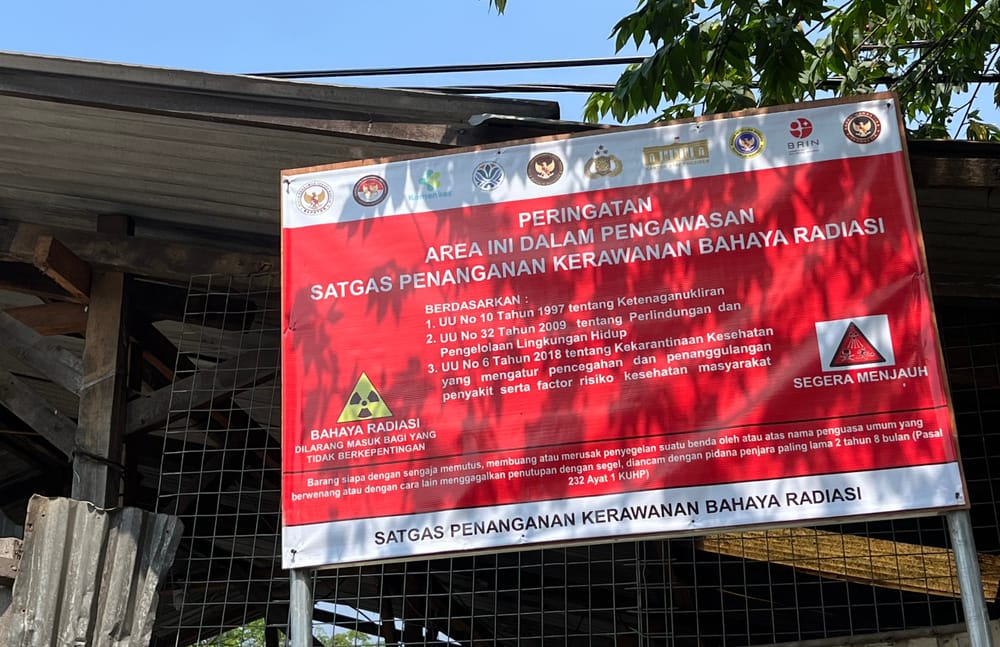
The case of radioactive contamination in the Cikande area is an important reminder of food safety procedures.
Radionuclide exposure in Cikande threatens to collapse the country's shrimp industry. The Ministry of Marine Affairs and Fisheries successfully negotiated.
Indonesia is not ready to prevent the threat of radiation exposure that can occur anytime and anywhere. It is necessary to improve procedures and strengthen regulations.
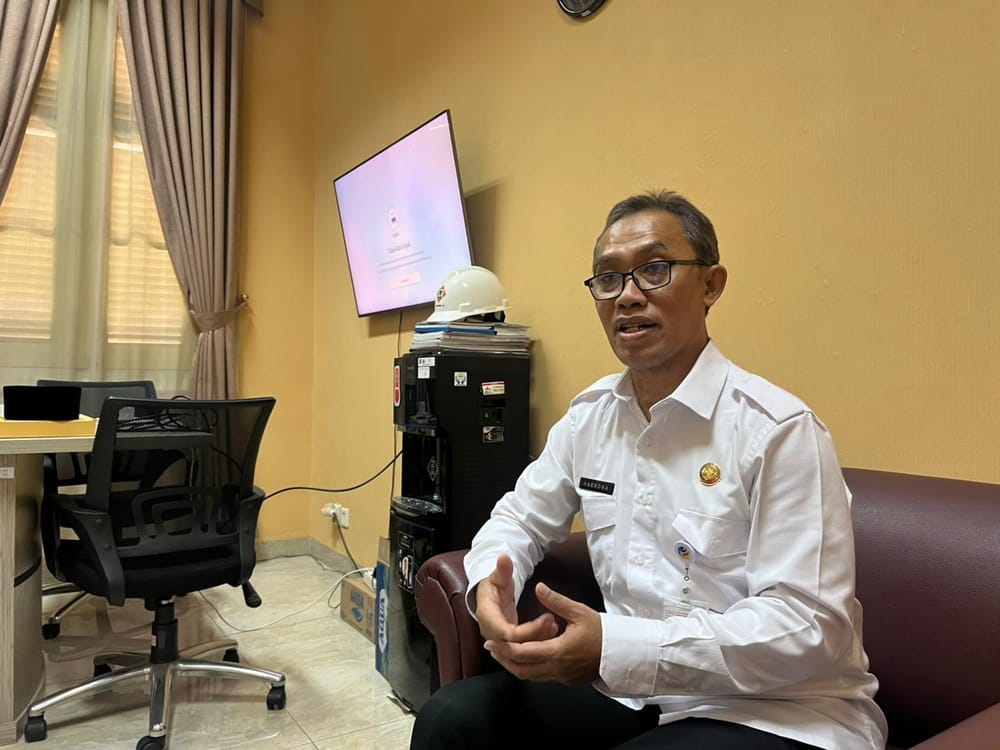
The public has not been educated about the dangers of nuclear radiation. Bapeten conducts training to scavengers, Customs and Excise to Ministry of Marine Affairs and Fisheries officers.
BM is not only the main source of energy, but also plays a strategic role in economic stability and community welfare.
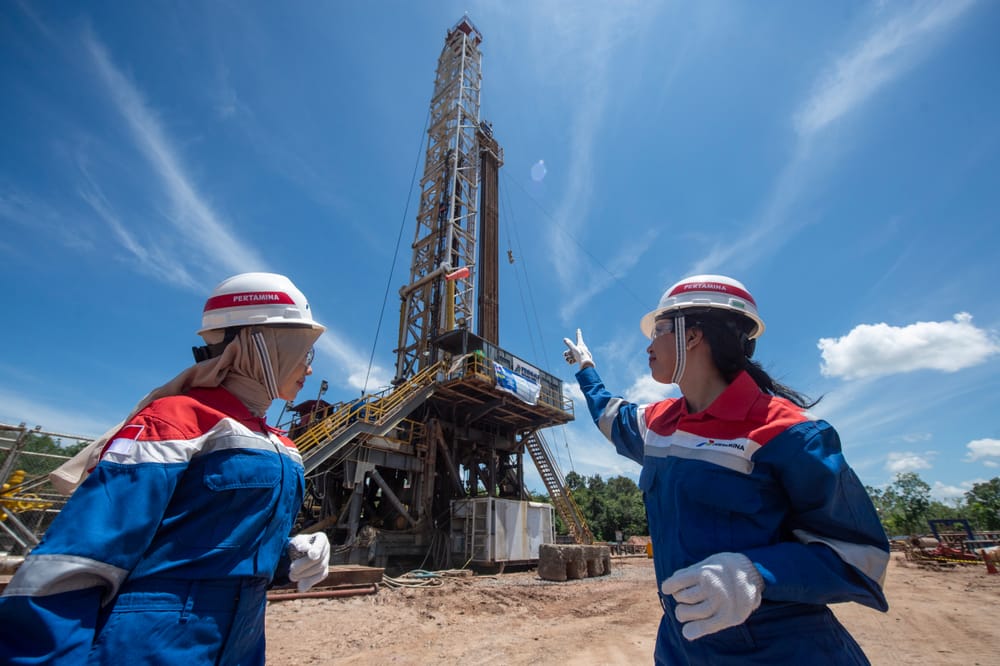
Indonesia needs to find solutions to the threat of a future energy crisis. Increasing fossil energy production is still being done, but innovations such as the use of vegetable energy must also be developed.
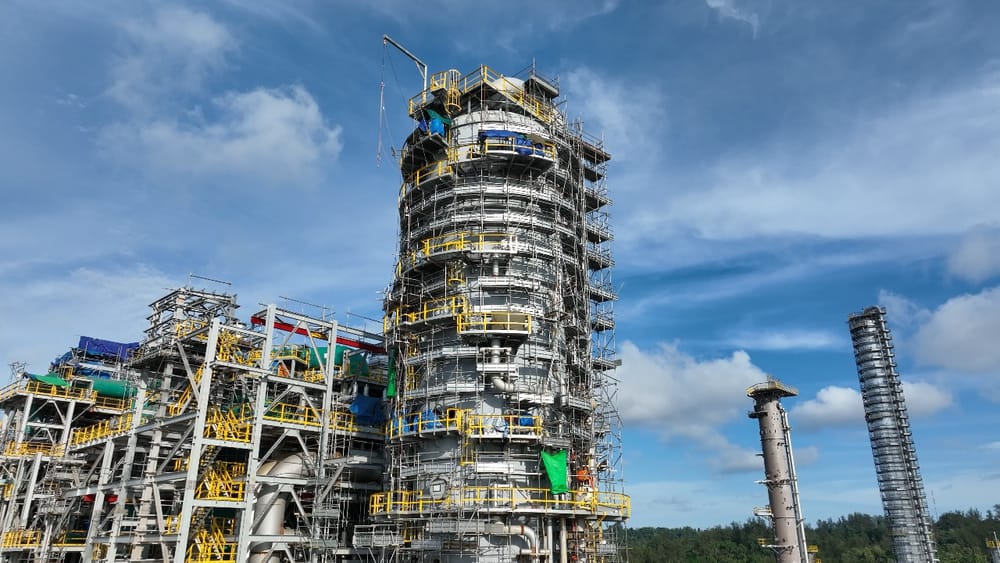
Building a refinery is not an easy task. In addition to having to convince investors, refinery projects can be threatened by the movement to use renewable energy.
Showing 12 out of 81 total posts
Stay updated with our collection of the best stories.