The Industry section presents the latest developments from key sectors driving the economy-from energy to manufacturing to digital. Focus on business implications and real opportunities, not surface news.
In the Data Center Construction Cost Index 2025 report, Jakarta has a competitive advantage in Southeast Asia, with its data center construction cost of Rp187,207 per watt, which is lower than countries such as Singapore and Tokyo (Japan).
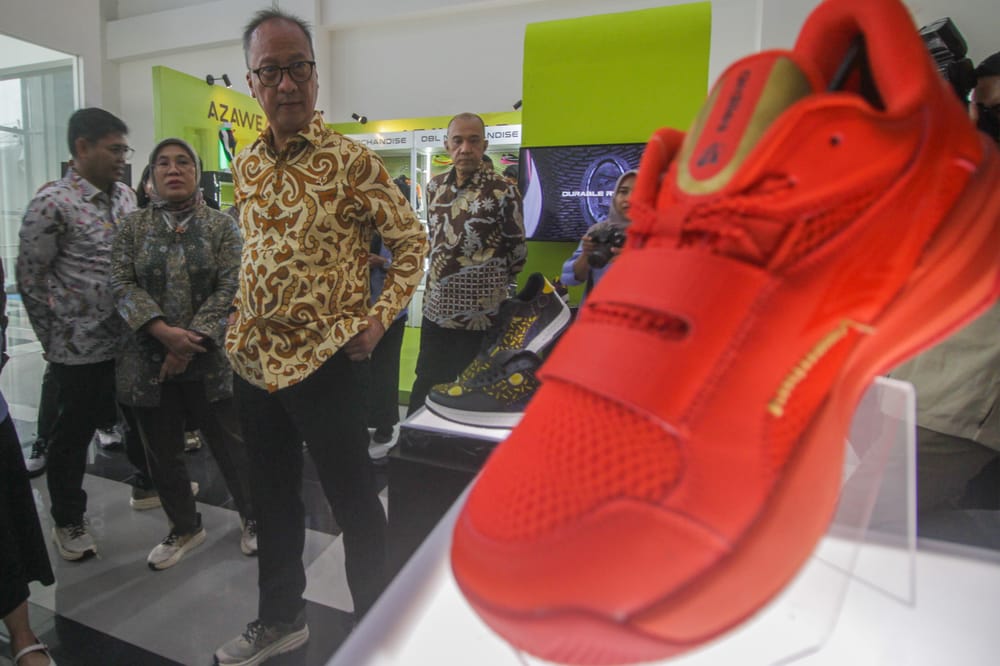
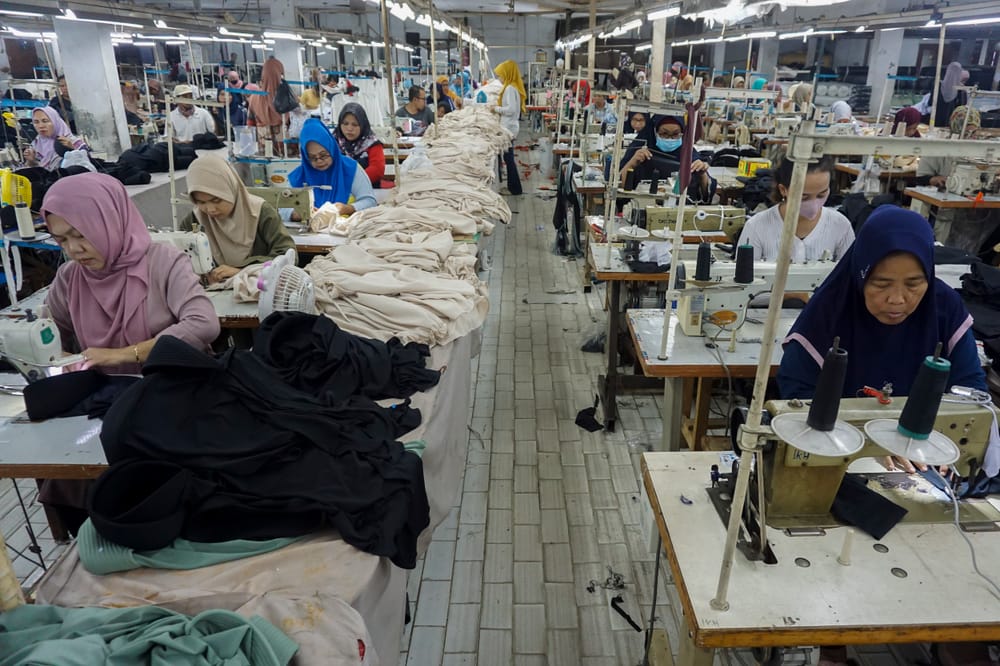
The manufacturing sector is again the main driver of the Indonesian economy for both the domestic and export markets.
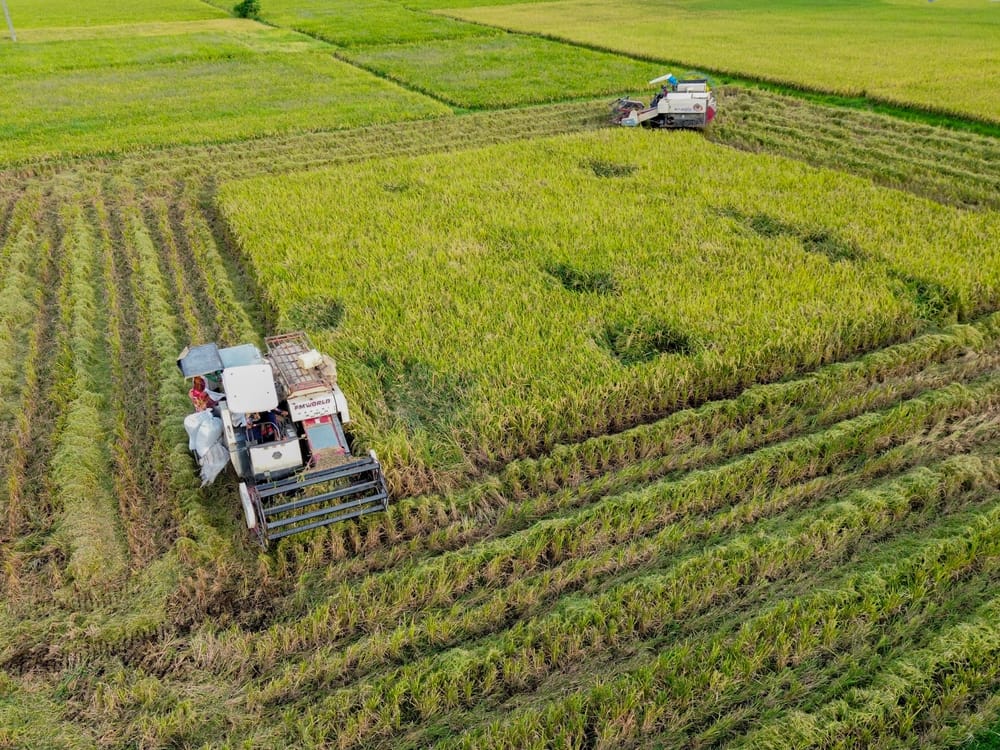
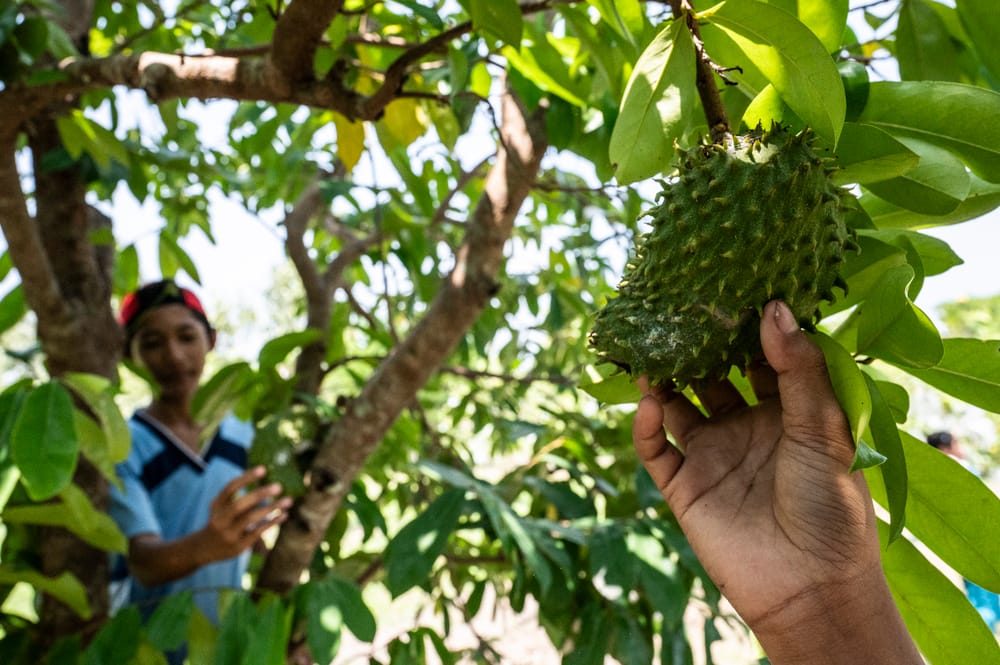
Reform towards modern agriculture is an important step in addressing the challenges of land efficiency, environmental sustainability, and increasing national productivity.
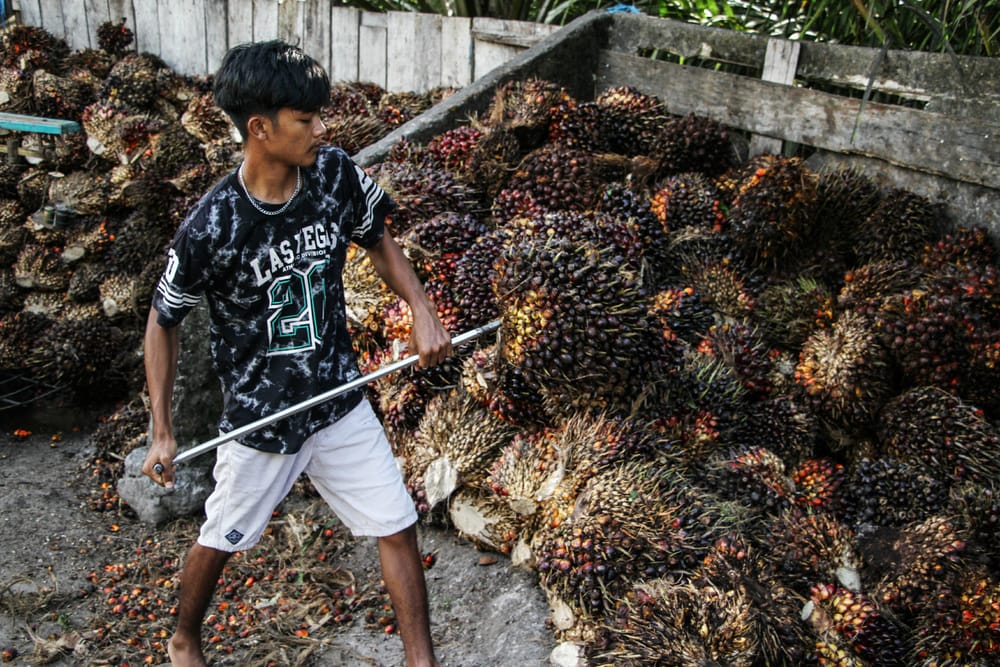
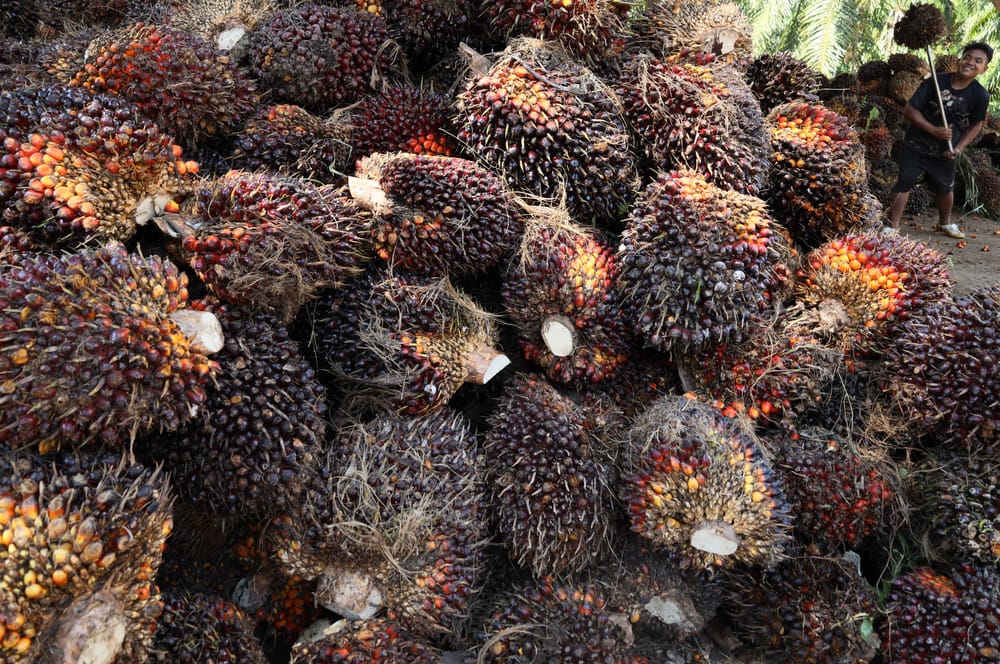
The export value of CPO and its derivatives in the first 9 months of 2025 reached USD 18.14 billion, growing from USD 13.70 billion in the same period last year.
Indonesia's skyrocketing manufacturing activity in October 2025 caused the Manufacturing Purchasing Manager's Index (PMI) in October 2025 to increase to a level of 51.2.
The agro-industry is the main driver in increasing the added value of domestic raw materials, creating jobs, and being able to compete globally.
In addition to funding or capital issues, there are six strategic steps that must be realized to make the national car project a reality. What are they?
The application of Safeguard Import Duties (BMTP) on imports of cotton yarn products is considered capable of protecting the spinning industry, which has been sluggish in recent years.
After Indonesia previously had aspirations for a national car with the Timor, Bimantara, and most recently Esemka brands, now President Prabowo wants to bring the Maung car variant from PT Pindad (Persero) as a national car.
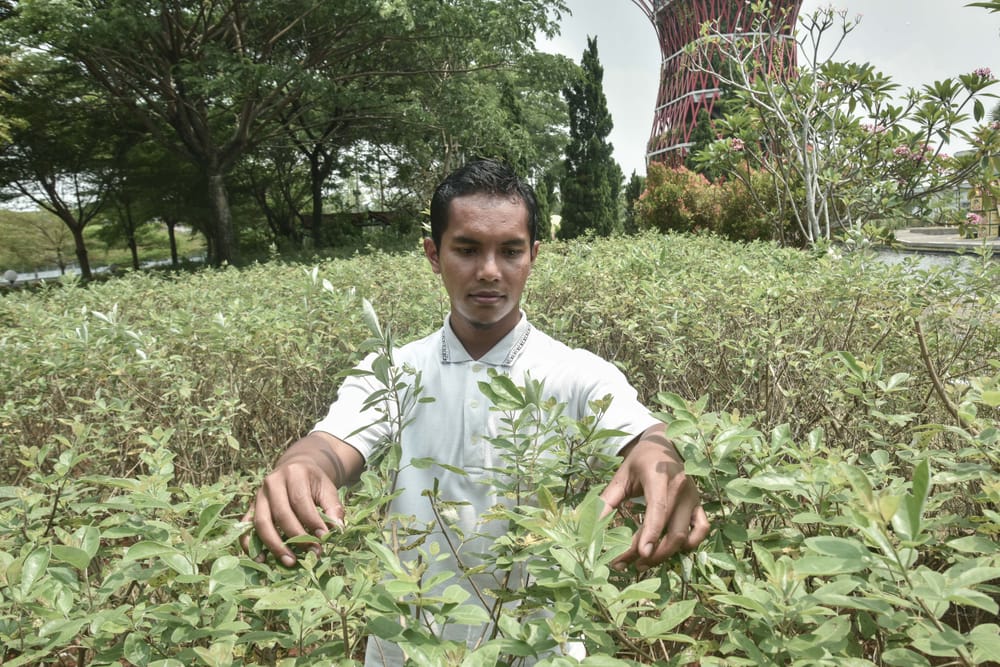
Indonesia is expected to become one of the centers for the development of herbal medicines in the world
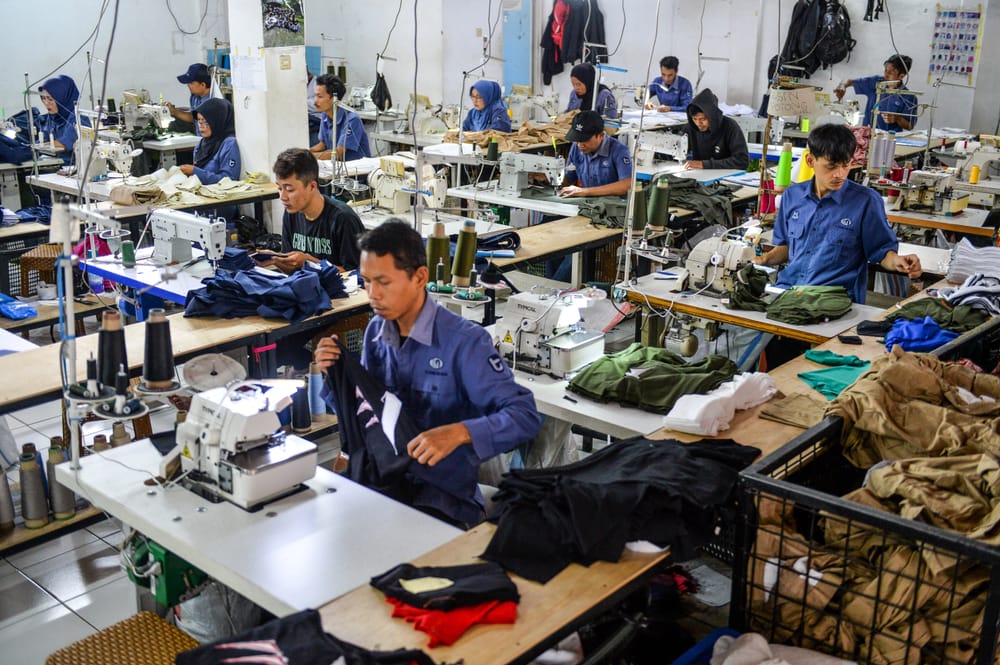
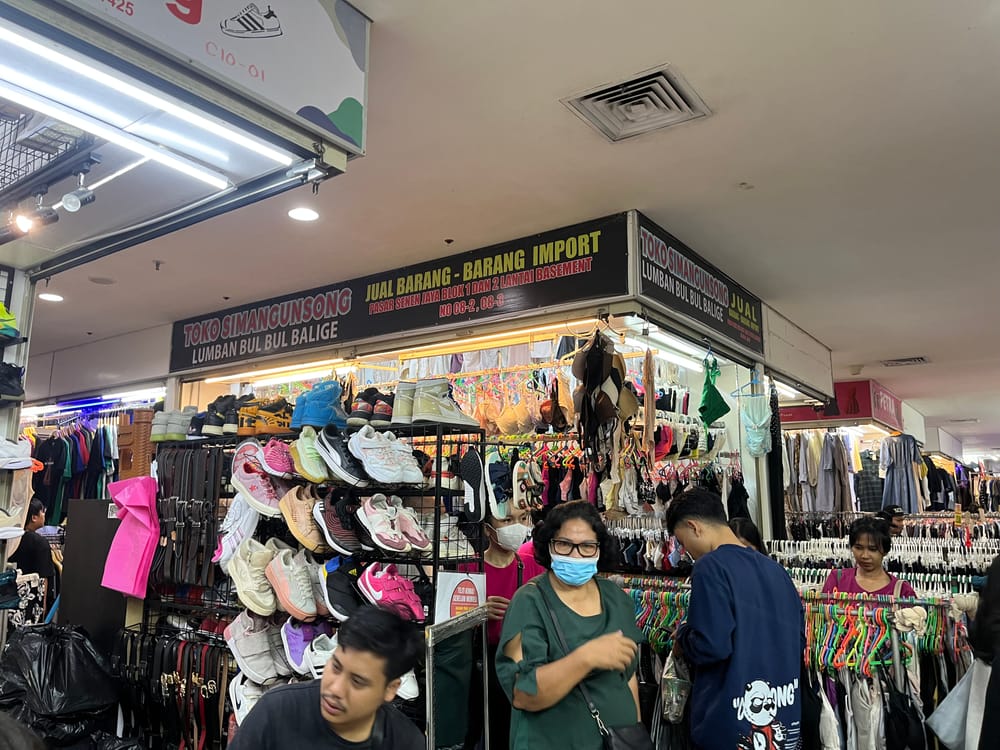
Finance Minister Purbaya Yudhi Sadewa will crack down on illegal imports of used clothing (balpres) with fines, a move that textile industry players are waiting for to restore their competitiveness. This policy aims to provide a deterrent effect while protecting the domestic textile industry.
The Indonesian Palm Oil Association (Gapki) is exploring export markets to 3 African countries namely Tanzania, Kenya and Namibia.
Showing 12 of 87 total posts
Stay updated with our collection of the best stories.