Visualization, analysis and interpretation of current data relevant to economic, policy and business issues.
Amid the uncertain economic situation and declining purchasing power, e-commerce, the backbone of Indonesia's digital economy, is predicted to continue growing until 2030.
Household consumption remains Indonesia's largest source of economic growth to date. However, data from Q2-2025 shows a change in consumption patterns where food and beverage consumption increased, while clothing and footwear consumption decreased.
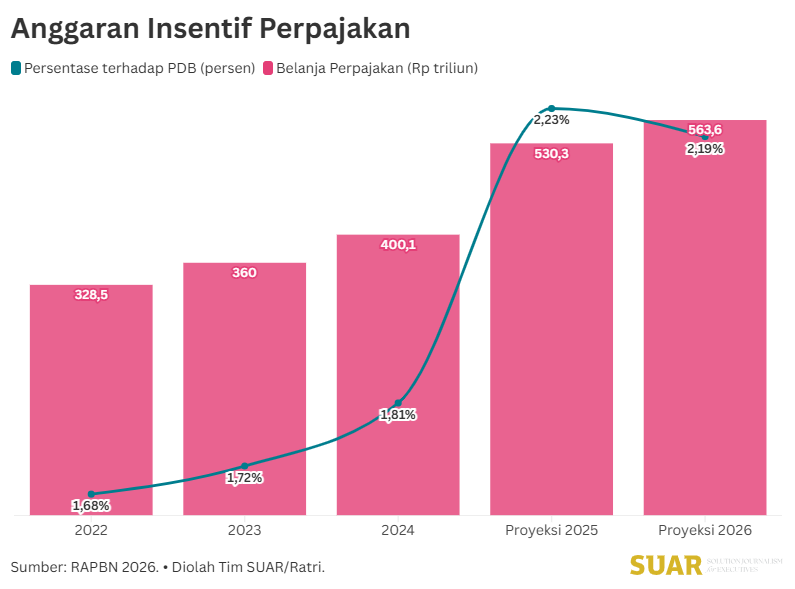
In the midst of efforts to increase the tax ratio, the government is not only focused on tax collection. In 2026, the government will further optimize tax incentives to support public consumption and UMKM activities.
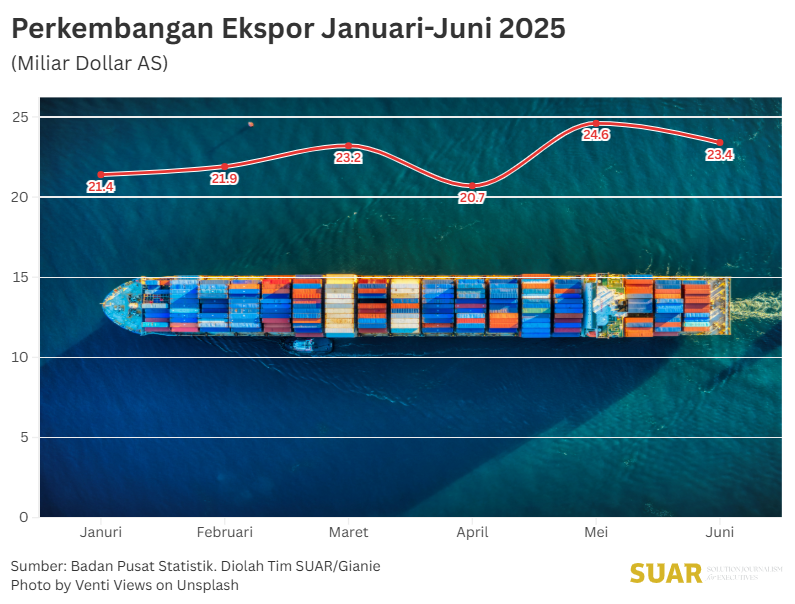
Indonesia's economy in the second quarter of 2025 grew by 5.12% on an annualized basis. This growth was driven by three main components, namely exports, LNPRT consumption, and gross fixed capital formation (PMTB).
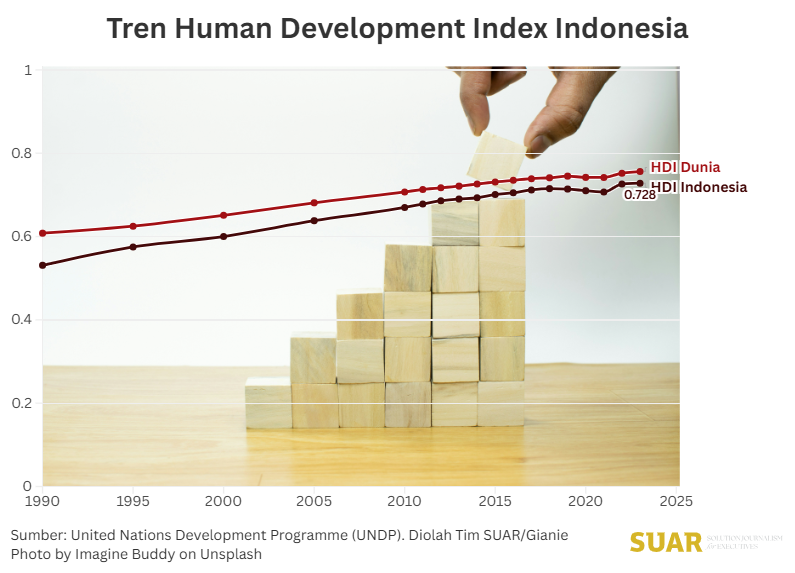
Since a decade ago, based on the Human Development Index score, Indonesia has been among the countries with high quality human resources. But, in ASEAN, it ranks 6th.
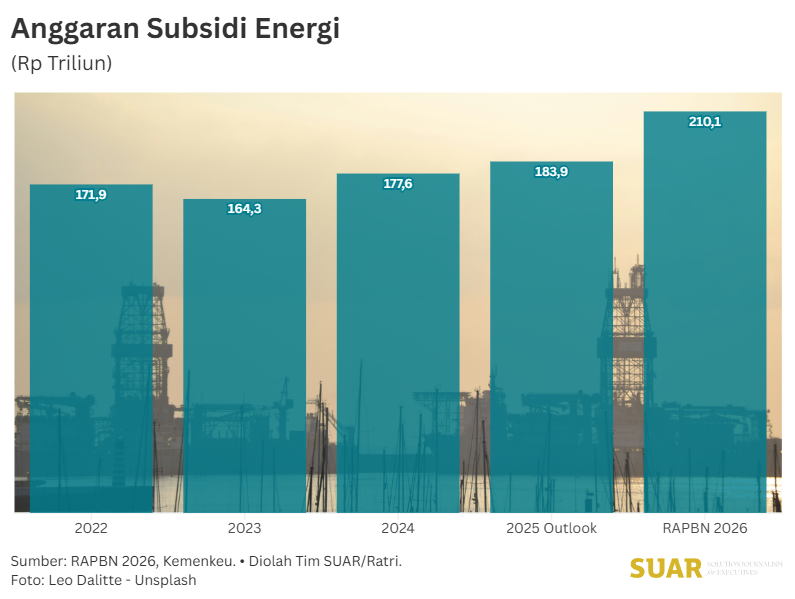
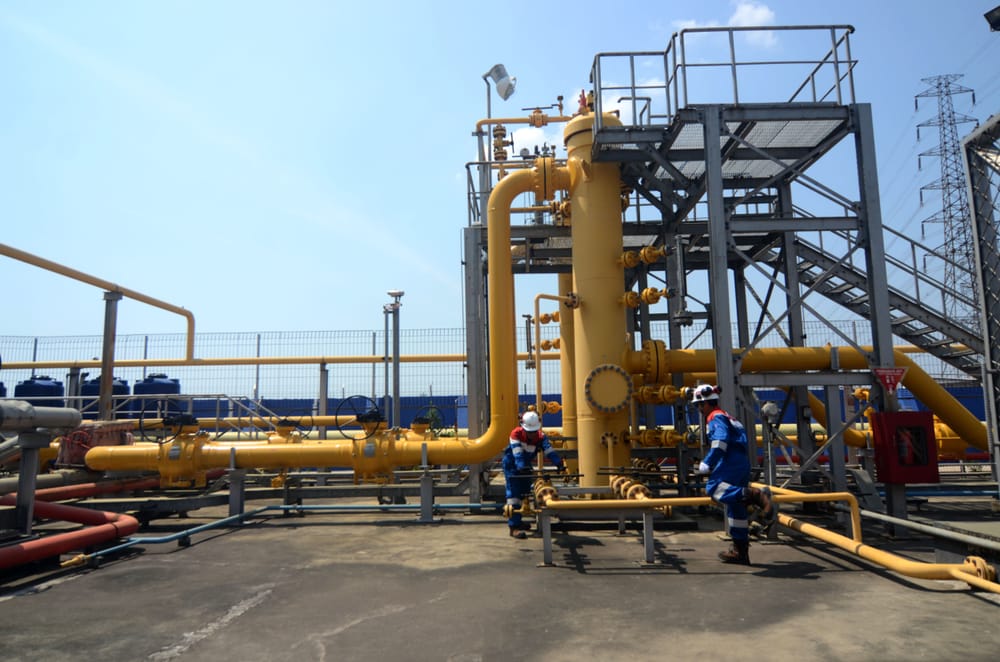
The government places energy security as one of the priority agendas, which in the 2026 Draft State Budget received an allocation of IDR 402.4 trillion. One of the targets is to increase the volume of national oil and gas production.
The government increased the food security budget allocation in the 2026 Draft State Budget by 5.9 percent to IDR164.41 trillion. This shows the government's serious commitment to realizing food self-sufficiency, especially in rice and corn.
The significant reduction in the allocation of transfer funds to regions (TKD) in the 2026 Draft State Budget is a momentum for local governments to realize fiscal independence.
Driven by strong global demand, the rise in crude palm oil prices is a breath of fresh air for entrepreneurs amidst the challenges of improving productivity.
National natural gas production has contributed to keeping industries running, even though the use of natural gas to increase the country's foreign exchange has also increased.
The Consumer Savings Index (IMK) in the July period fell compared to the previous month. This decline was due to the moment of household spending on education entering the new school year.
A number of provinces outside Java, such as Central Papua, Lampung, and South Kalimantan, showed consistently higher economic growth rates.
Showing 12 out of 112 total posts
Stay updated with our collection of the best stories.