Visualization, analysis and interpretation of current data relevant to economic, policy and business issues.
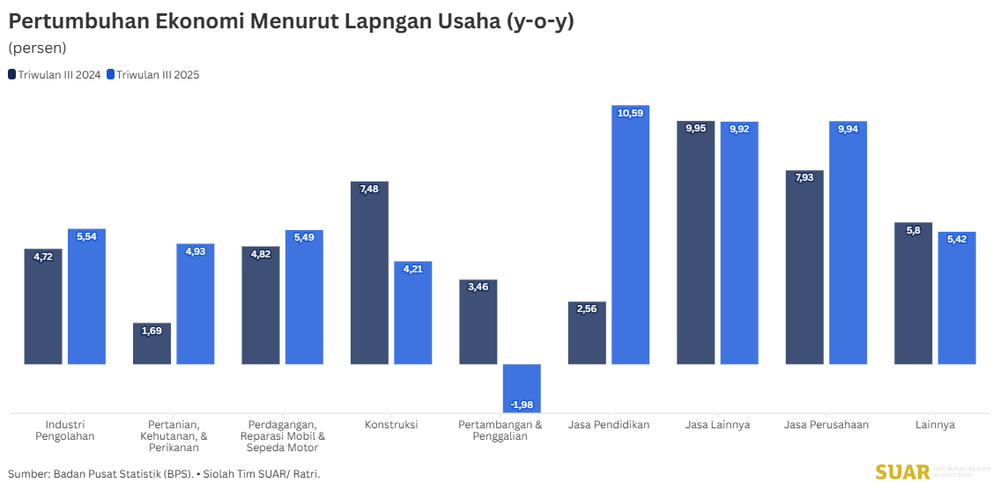
Overall, Indonesia's economic performance in Q3-2025 showed a resilient economy, supported by the strong foundation of the manufacturing industry and driven by acceleration in the services sector.
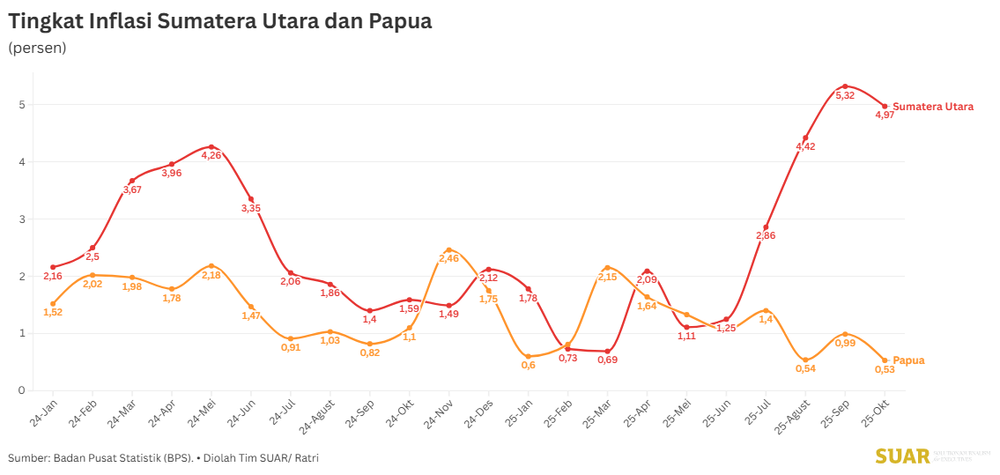
The national inflation rate as of October 2025 was recorded at 2.86%. Although still within the government's target corridor, the inflation trend is starting to show an increase. Regions outside Java recorded fluctuating inflation rates.
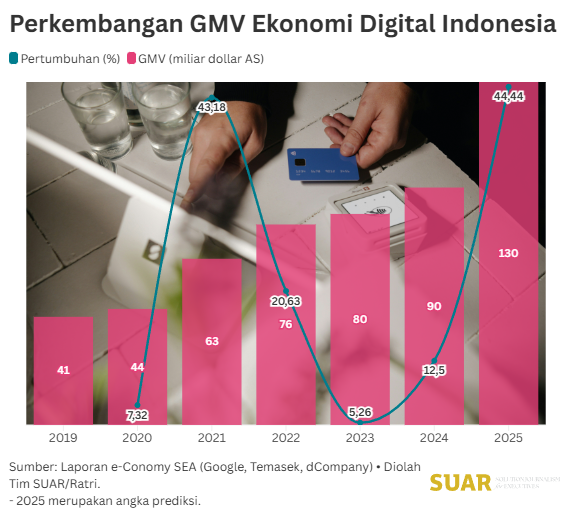
Indonesia is the largest and most strategic digital market in Southeast Asia. In the long term, the total Gross Merchandise Value (GMV) of Indonesia's digital economy is estimated to reach US$200 billion to US$360 billion by 2030.
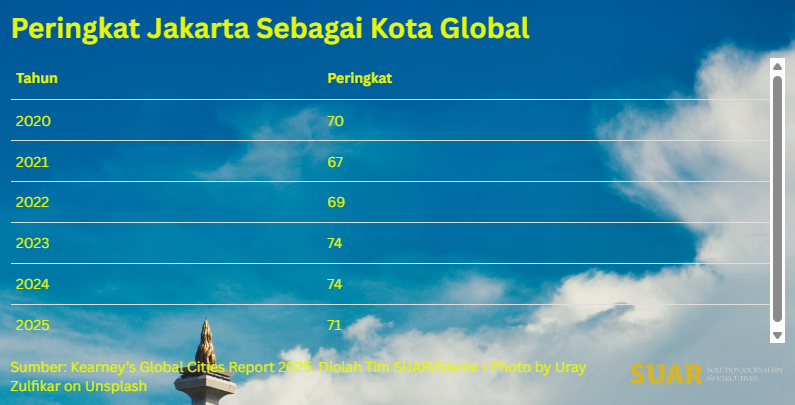
This year, Jakarta improved its position as a global city by rising three places to 71st. Increased business and economic activity is one of the barometers of assessment. There is still plenty of room for Jakarta to become an established global city.
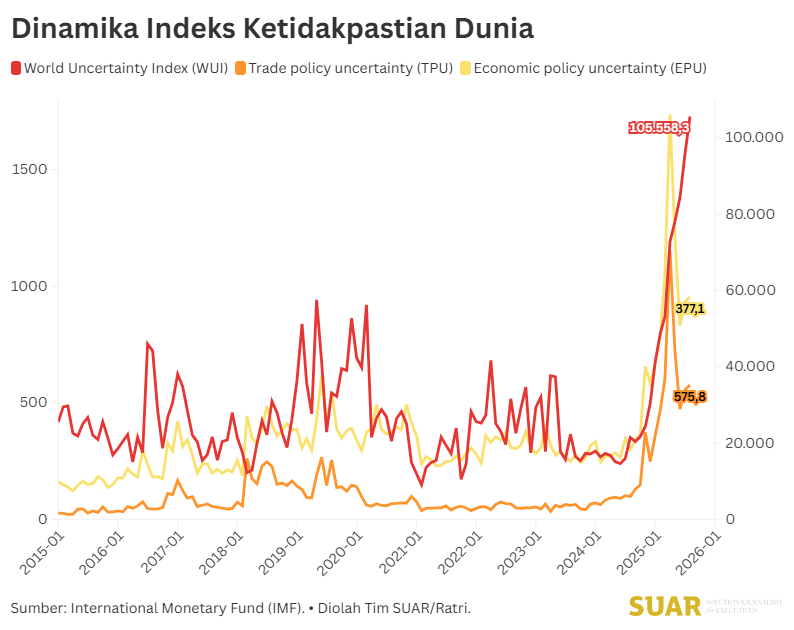
Amid high global uncertainty, developing countries in Asia are showing better resilience. Indonesia is the IMF's main study on resilience.
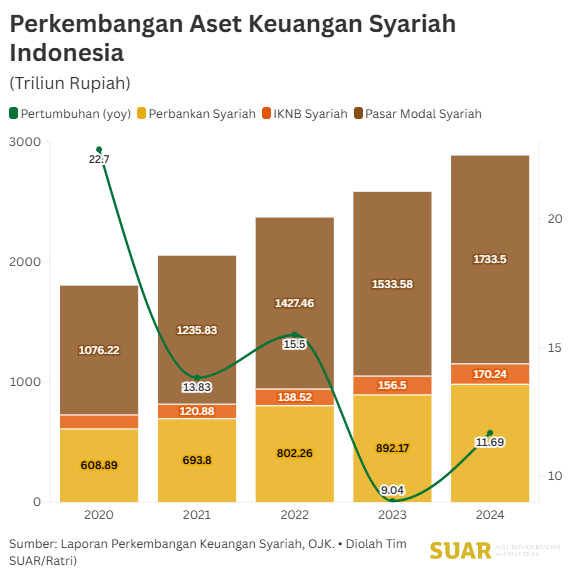
Strong support from the Government and stakeholders has made the Sharia economy and finance an important pillar of national development. With promising asset growth and an expanding market share, Indonesia has the potential to dominate the global Sharia economy and finance.
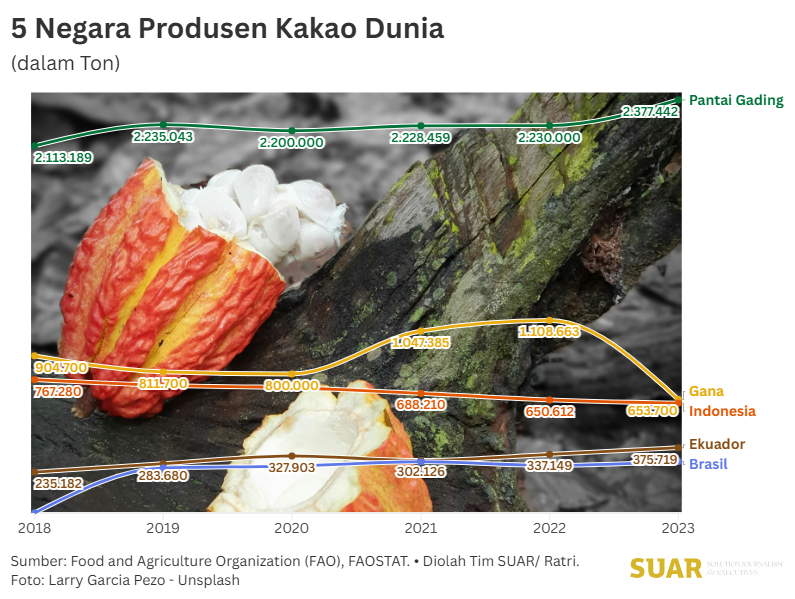
The significant decline in global cocoa prices throughout 2025 has affected the world's chocolate industry. Indonesia, which occupies an important position as the world's largest cocoa producer, is also facing this price volatility, which has an impact on farmers.
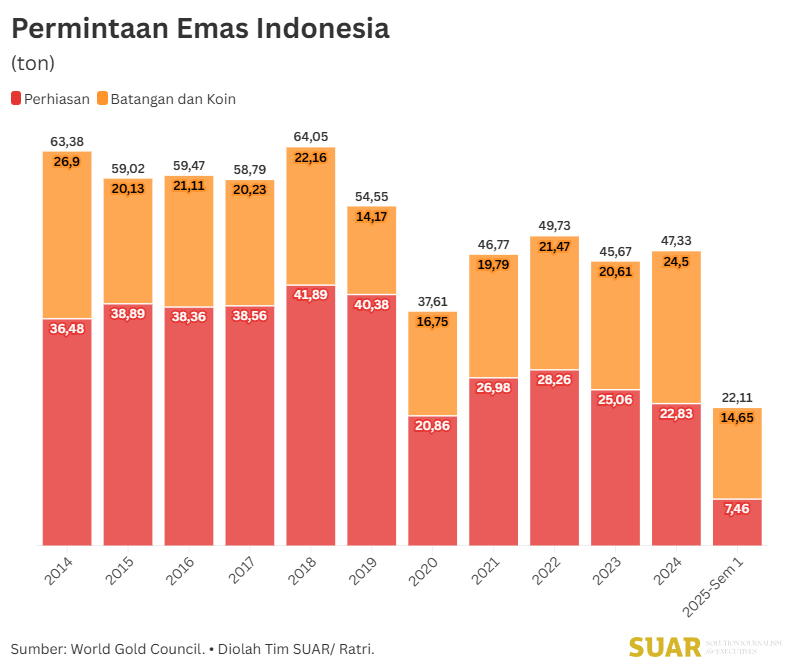
Indonesia is a major force on the global gold industry map. As the owner of the world's top 5 gold reserves, Indonesia accounts for about 4% of world production. However, domestic needs are still dependent on imports.
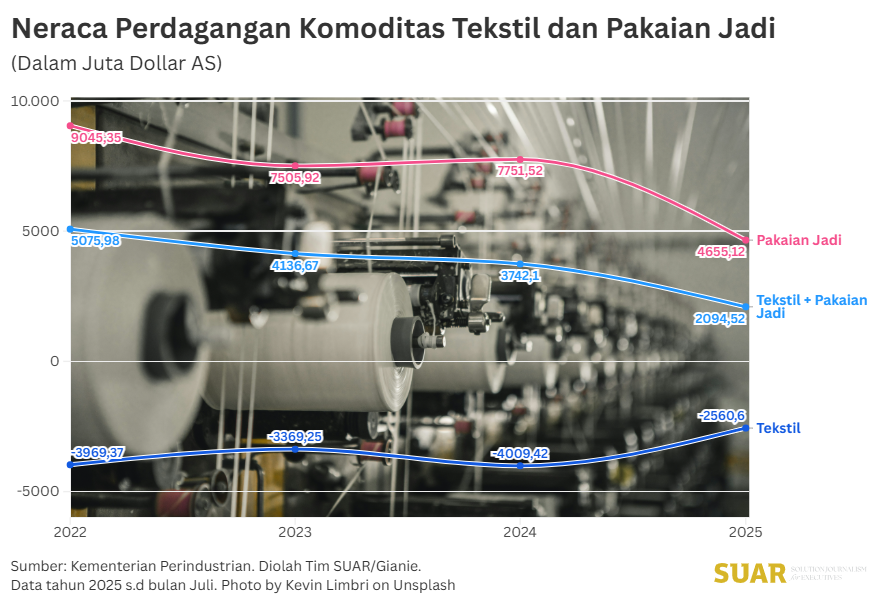
Textiles and apparel are Indonesia's leading export commodities. However, the development of the national textile industry is still faced with a surge in imported products sold at low prices.
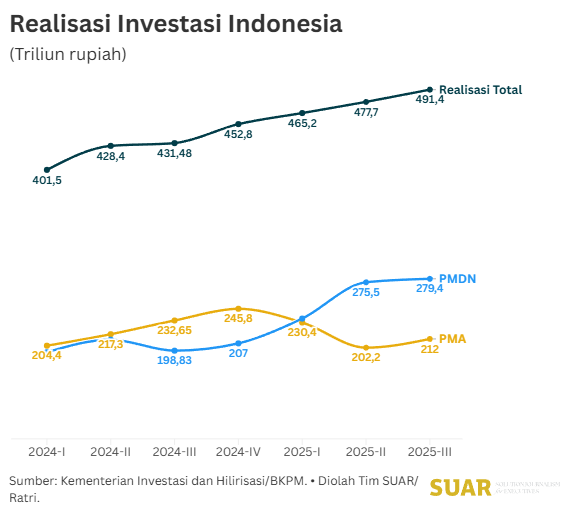
Investment realization from quarter to quarter has always grown positively. However, after the realization of foreign investment slowed down in the first and second quarters, extra work is needed to achieve the target of nearly Rp 2,000 trillion this year.
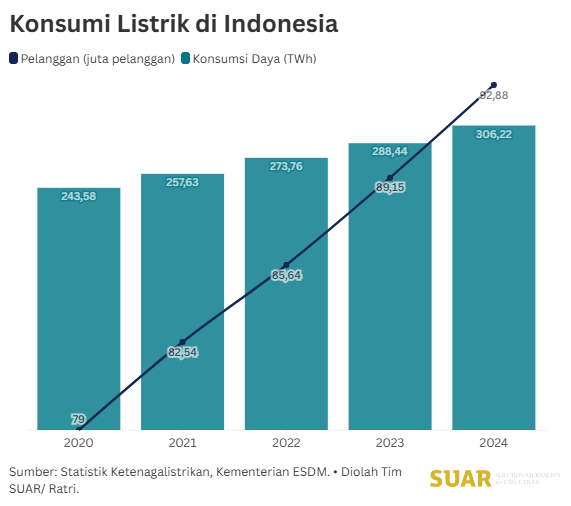
National electricity consumption has historically grown by an average of 6% per year. If consumption figures continue to increase, the target of economic growth above 5% will be realized.
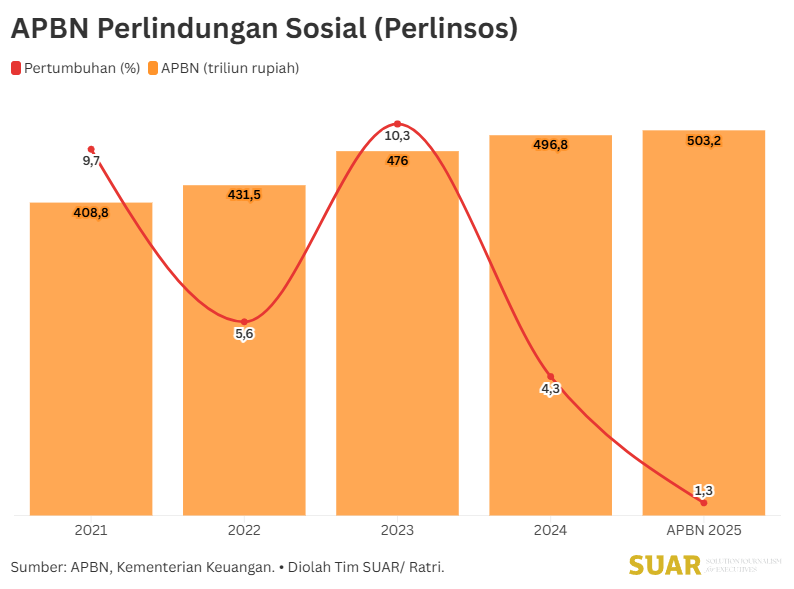
The government continues its efforts to alleviate poverty by expanding the scope of social safety net recipients. Ministry/agency budgets that have not been optimally absorbed are reallocated for this purpose.
Showing 12 out of 112 total posts
Stay updated with our collection of the best stories.