The challenging condition of law enforcement amidst the government's efforts to hunt down corrupt assets was recorded in the SUAR Team's Universal Survey of the Business World. Some of the findings:
- The government's performance in preventing and combating corruption is still poor (56.3%), with 18.8% saying it is getting worse.
- Corruption eradication performance within SOEs is also still poor (50%) and getting worse (6.3%).
- Almost all interviewees (93.8%) agreed that the punishment for corruptors is not fair and deterrent.
- Current law enforcement performance has not been able to increase investor confidence to invest in Indonesia (81.3%).
- Confiscated money from corruption cases has not been able to cover state losses, said 81.3% of respondents.
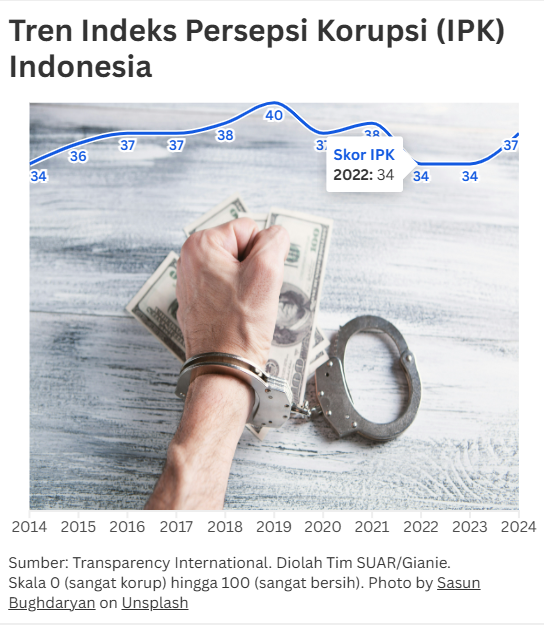
Indonesia's Corruption Perception Index (CPI) score in 2024 has increased (from 34 to 37), indicating an improvement in the prevention and prosecution of corruption cases. However, the score is still below the global average of 43. The highest score Indonesia has ever achieved was only 40 in 2019.
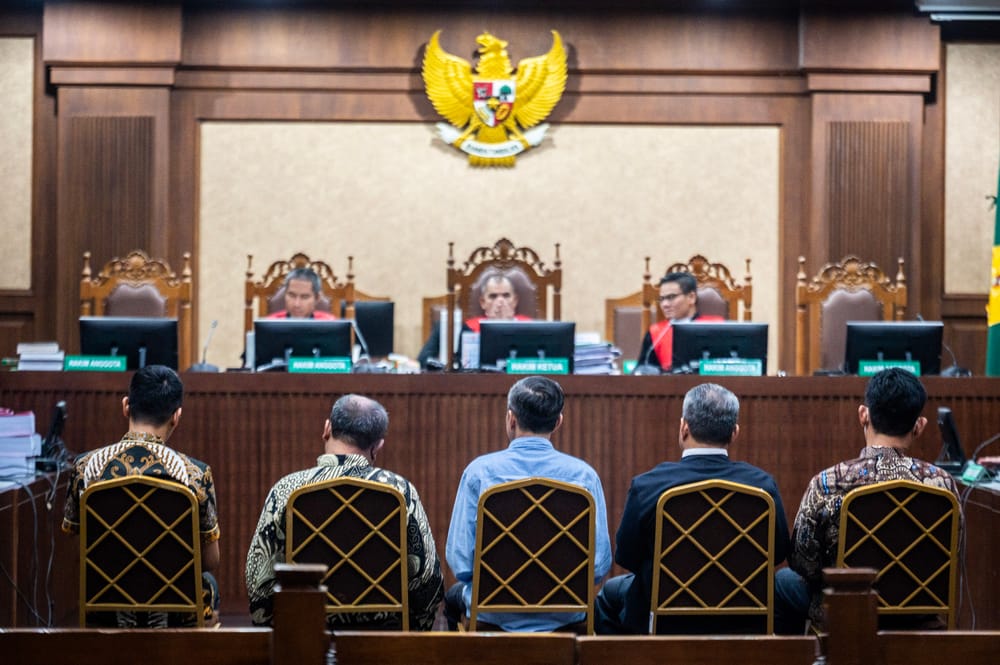
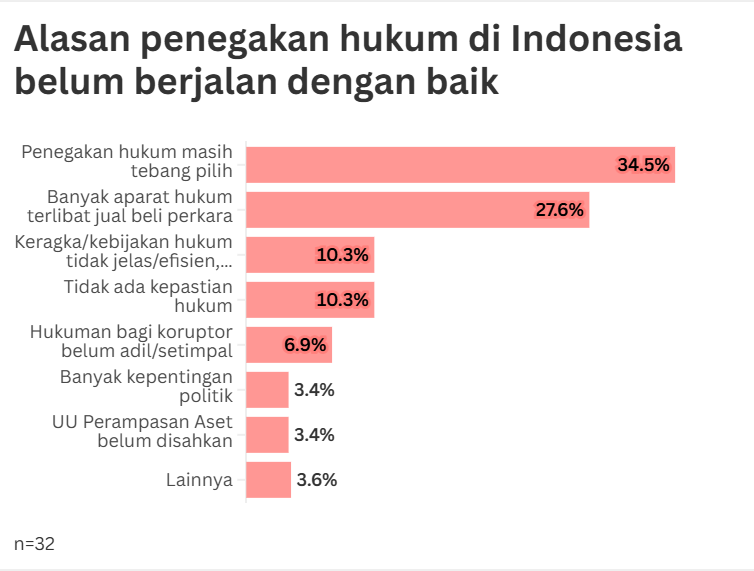
The majority of respondents stated that law enforcement in Indonesia has not gone well. The main reason is because the practice of law enforcement is still selective and the performance of law enforcement officials (police, prosecutors, judges) is not as expected. Many law enforcement officers are involved in buying and selling cases.
In fact, law enforcement conditions have an impact on the economy. The performance of law enforcement that runs well can increase investor confidence to invest in Indonesia.
Corruption within companies or state-owned enterprises (SOEs) has never subsided. Corruption cases occur in various BUMN business sectors, ranging from corruption of pension funds, aircraft procurement, corruption of tin and oil commodity trading systems, to procurement of EDC machines.
Hundreds or even thousands of trillions of rupiah in losses are borne by the state. For this reason, the government is ambitious to pursue the assets of corruptors which will be used to finance government programs, especially in the education sector.
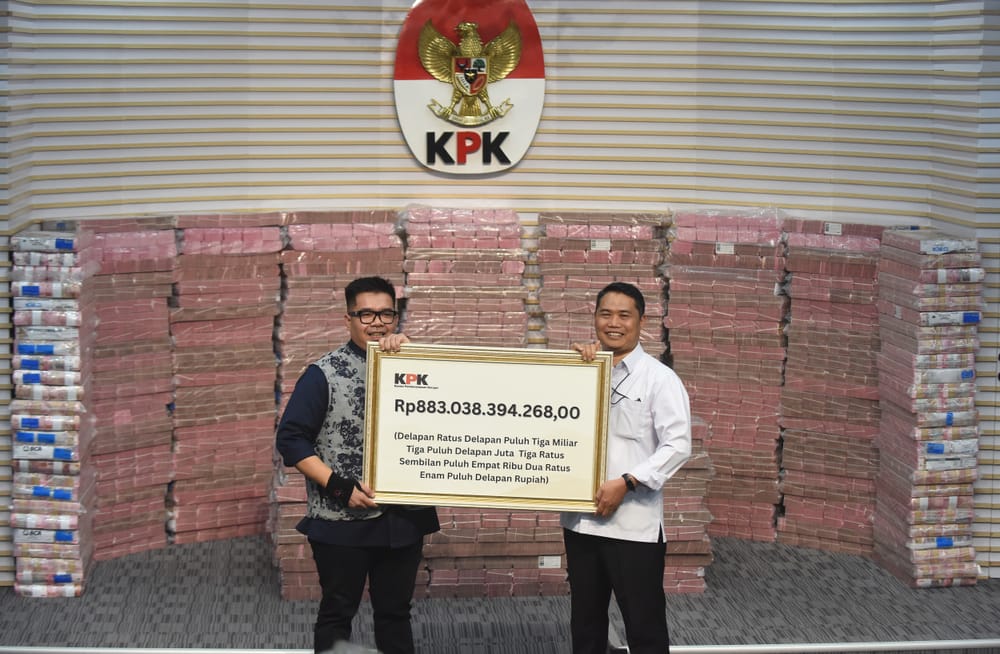
More than Rp 1,000 trillion in state losses have been recovered by law enforcement, the government claims. However, sources argue that confiscated money from corruption cases has not been able to cover state losses. Accountability and transparency in the management of confiscated money from corruptors is important to the public.