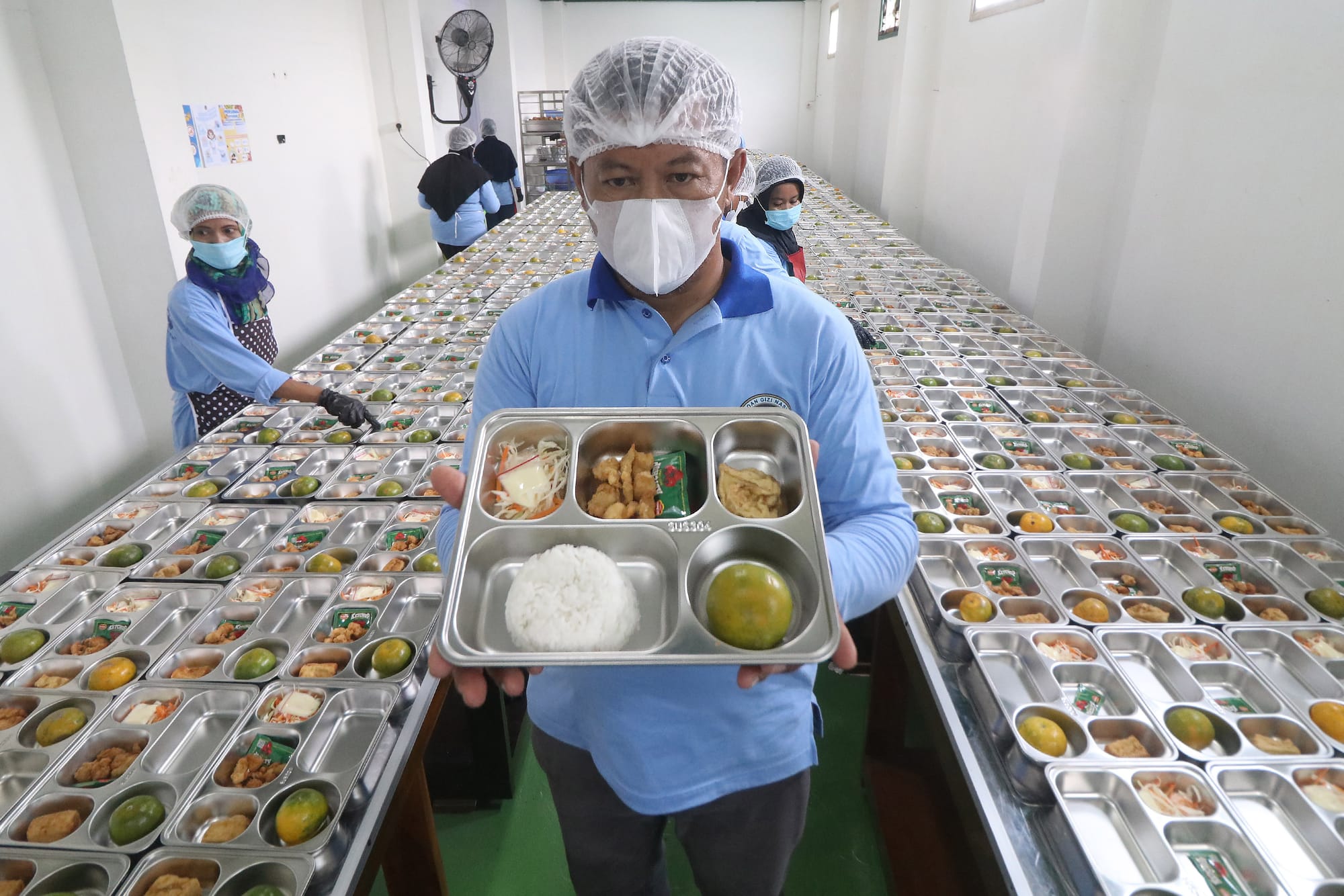
The government's goal to improve the nutrition of Indonesian children through the Free Nutritious Meal Program (MBG) faces a complex problem. Instead of being healthy, many MBG beneficiary students are poisoned after eating the MBG menu, leading to extraordinary events.
Evaluation of the implementation that has been running for 9 months is urgent. The SUAR team explored the thoughts of decision-makers or leaders in companies as well as economic observers regarding the implementation of the MBG program through the Business World Universe Survey.
The MBG program is designed to reach various target groups, ranging from PAUD/TK/RA students, SD/MI, SMP/MTs, SMA/SMK, pesantren students, PKBM and SLB participants, seminaries, to pregnant women, nursing mothers, and toddlers.
Until the end of September, Head of the National Nutrition Agency (BGN) Dadan Hindayana said the number of MBG beneficiaries had reached 31 million children. In its implementation, the government formed partners of the Nutrition Fulfillment Service Unit (SPPG), which until September was recorded at 9,615 units throughout Indonesia.
Some findings:
- The majority (74.3%) of the interviewees, consisting of company decision-makers and economic observers, were of the opinion that the MBG program has not worked as expected.
- The main reasons are poor food quality (46.2%) and many children not receiving benefits (23.1%), especially those in remote areas.
- Interviewees understood that the goal of the MBG program is to improve the nutritional condition of Indonesian children and ease the burden on families in serving nutritious meals.
- However, the implementation, which costs a lot of money, has not been considered successful in four ways. Namely, in developing UMKM, empowering local food, mobilizing cooperatives, and easing the burden on families.
- To be sustainable, the MBG program must be closely monitored, including the provision of food ingredients, food processing, and distribution. Evaluation of activities also needs to be carried out periodically and thoroughly to fix gaps that are still lacking. 60% of respondents emphasized this supervision and evaluation.
The resource person stated that the implementation of the MBG program must be clearly targeted. The use of the budget must also be more efficient considering that Indonesia has fiscal limitations.
According to experts, the MBG program should be a 'hub' for other government programs. Starting from providing foodstuffs (especially local food), to creating jobs, both through the development of UMKM and cooperatives. Thus, the MBG program has a hugemultiplier effect.
Much needs to be done if the MBG program is to run well and sustainably to create a healthy and smart generation of Indonesians. The government cannot only focus on quantity, but also quality. It should also not only focus on the beneficiary students, but also on the executives who serve the food.
Evaluations should be conducted on all aspects and all stakeholders.
Read also other articles:
 Gianie
 Gianie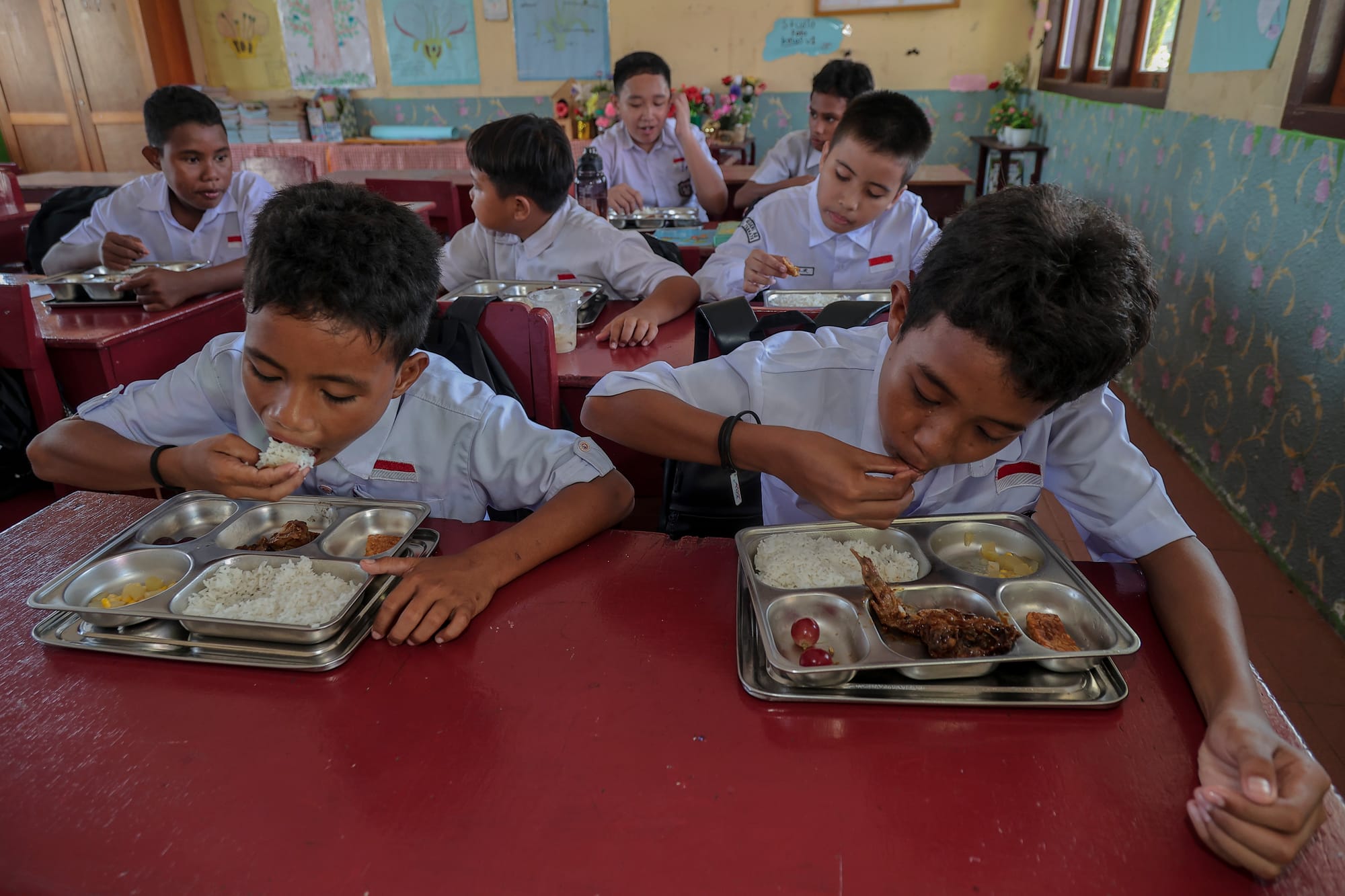
Read more here, Chief.
Author: Gianie