

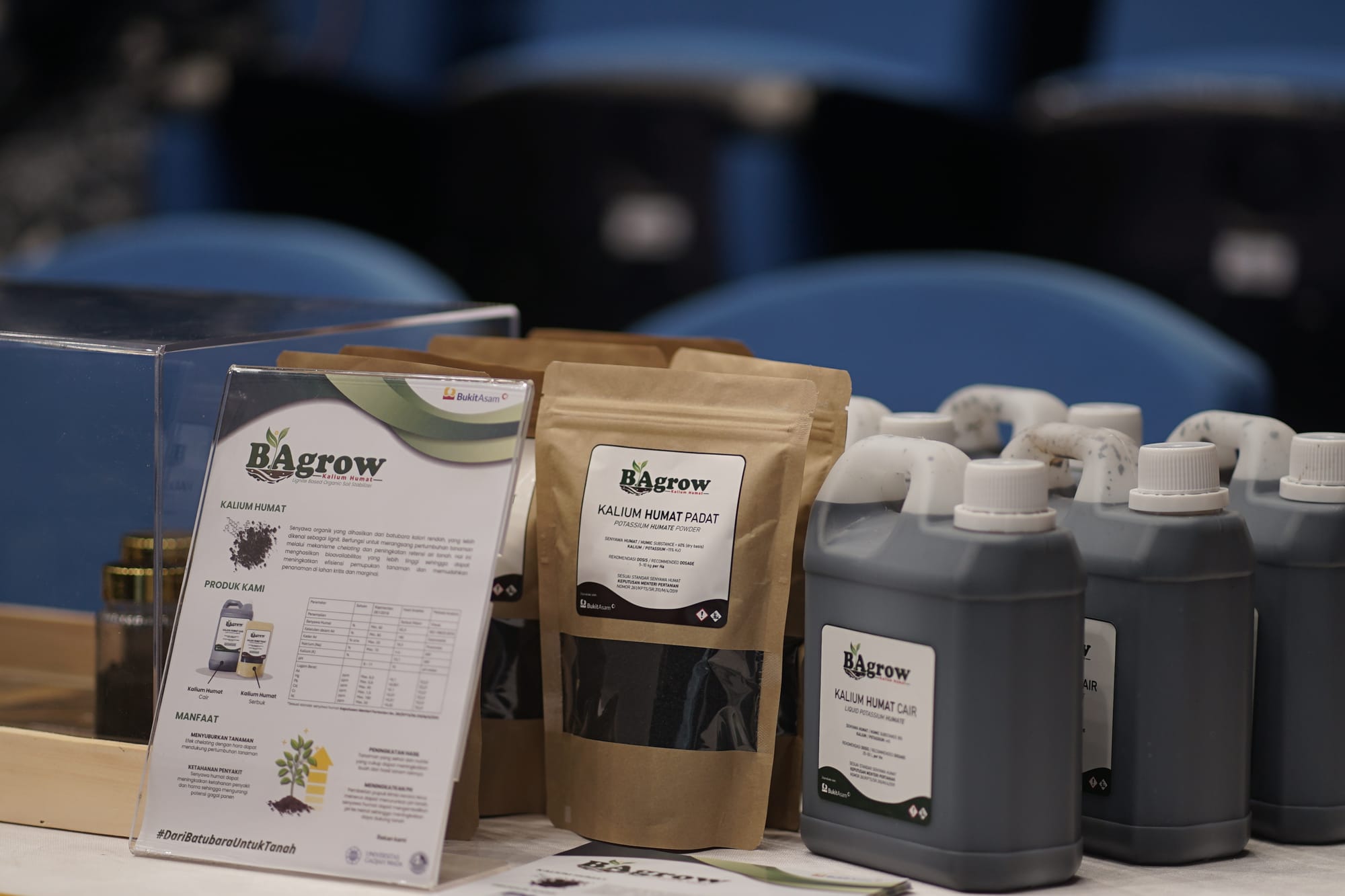
If nothing goes wrong, next year, PT Bukit Asam Tbk (PTBA) will start a coal gasification project into dimethyl ether (DME). This project is part of the coal downstreaming program which is expected to replace LPG imports. "Hopefully it can start next year because the reserves are ready, the technology is ready," said PT Bukit Asam's Director of Downstreaming and Product Diversification, Turino Yulianto.
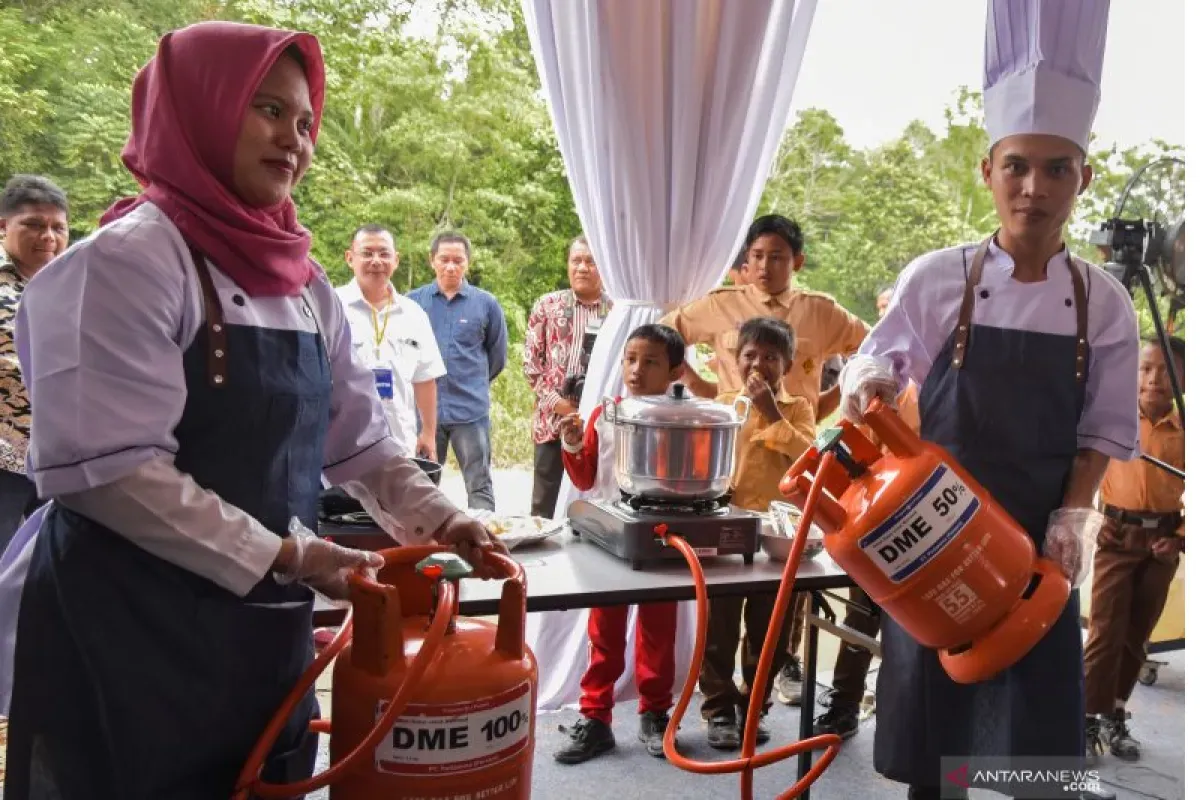
According to Turino, the company's coal supply is currently abundant enough for it to start developing the project. The coal DME project initiated by PT Bukit Asam is one of six coal downstream projects being reviewed by the Investment Management Agency (BPI) Danantara.
The need for coal reserves for the gasification project into dimethyl ether reaches 5 million tons to 6 million tons per year or 100 million tons to 120 million tons for 20 years. The company has secured 800 million tons of coal reserves for downstream needs including for the DME project.
To build one coal processing plant into DME, the investment requirement is estimated at US$2.5 billion or Rp40 trillion. PT Bukit Asam is also looking for partners to invest in this project.
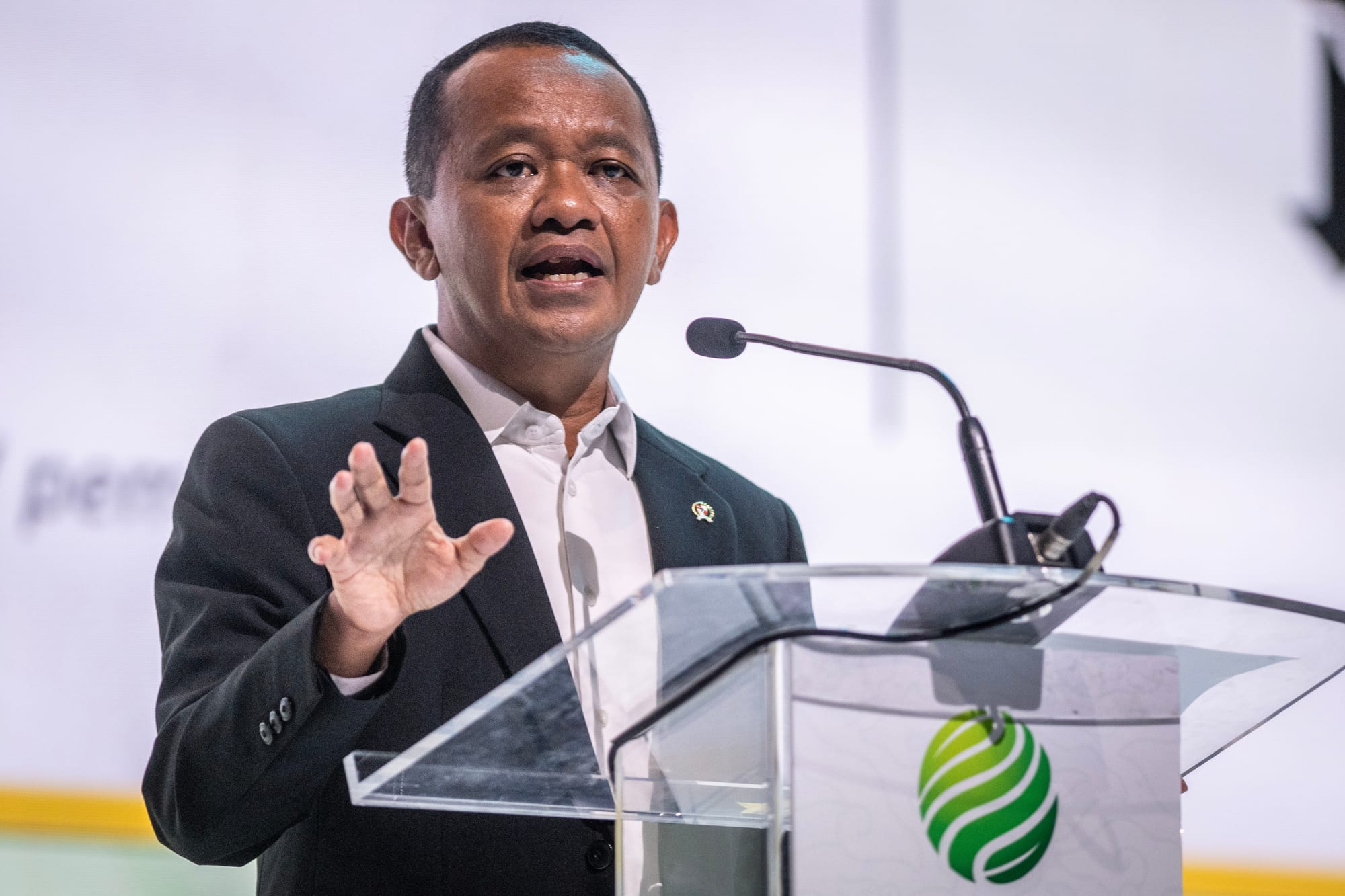
In addition to PT Bukit Asam, the government is currently in talks with two potential investors who will enter the sector. Minister of Energy and Mineral Resources (ESDM) Bahlil Lahadalia said there are currently two options for potential investors working on DME. One comes from China, then the second is a joint investor between South Korea and Europe.
However, until now there has been no final decision regarding which investor will work on the coal downstream project into dimethyl ether. "We have not finalized it, now we are conducting a feasibility study (FS) with the technology," Bahlil said when met after the 100 Indonesian Economists Sarasehan event, Tuesday, October 28, 2025.
Bahlil explained that although there are no investors yet, the project plan does not face any problems. This is because the raw material for downstreaming into DME is coal with low calorific value, of which there are many reserves in Indonesia. "The technology is now much more efficient, the longer technology innovates, the better," he explained.
This DME project is included in one of the 18 Priority Projects that submitted Pre-Feasibility Study (FS) Documents to Danantara. In the mineral and coal downstreaming sector, 6 of the projects are coal downstreaming worth Rp 164 trillion. The six projects are planned to be located in Bulungan, East Kutai, Kota Baru, Muara Enim, Pali, Banyuasin.
To accelerate downstreaming, the government through the Task Force for the Acceleration of Downstreaming and National Energy Security has prepared 18 priority projects worth more than Rp618 trillion, which will be managed by Danantara. The details include 8 mineral and coal sector projects with an investment value of US$20.1 billion or around Rp321.8 trillion.
In addition, two energy transition projects, two energy security projects, three agricultural downstream projects, and three marine and fisheries downstream projects have been prepared, with 67 percent of the project locations outside Java. These projects are estimated to be able to absorb more than 100,000 new workers in various regions.
Regarding this national downstream project, referring to data from the Ministry of Investment and Downstream / BKPM, the realization of downstream investment in the first semester of 2025 reached Rp280.08 trillion.
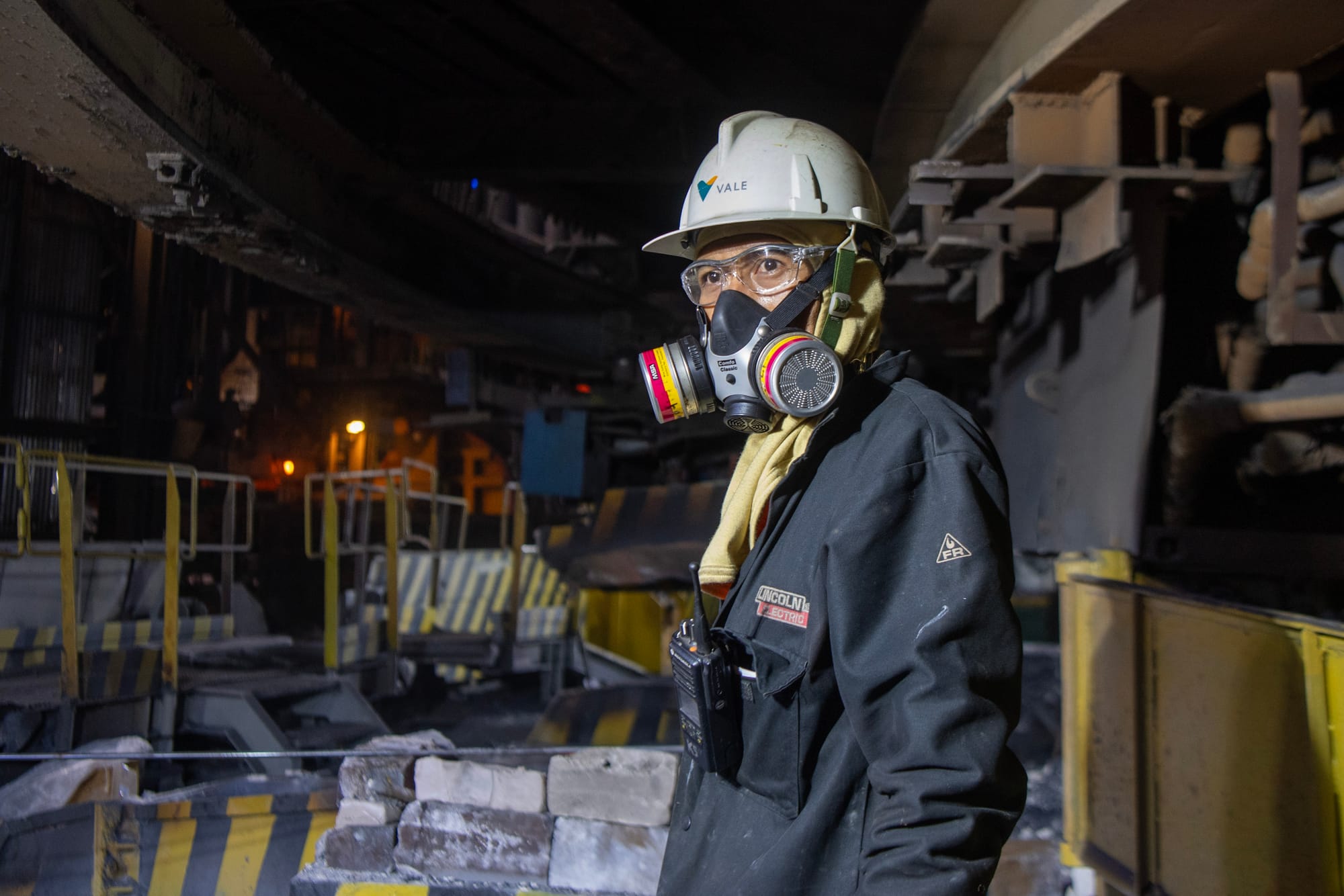
Of that amount, Rp193.8 trillion came from the mineral and coal sector, with the largest contribution from nickel worth Rp94.1 trillion, followed by copper Rp40 trillion, bauxite Rp27.7 trillion, steel Rp21.5 trillion, tin Rp3.5 trillion, and other commodities such as silica sand, gold, silver, cobalt, manganese, coal, and buton asphalt worth Rp7 trillion.
Bahlil said that downstreaming is no longer just an idea, but a real strategy to escape the curse of a country that owns resources but cannot utilize them. "Natural resources must not be a creator of inequality, but must be a source of prosperity," he said.
Downstreaming drives investment
Through an integrated approach, downstreaming is now seen not just as an industrial policy, but as a long-term economic development instrument. The program expands business opportunities, creates jobs, and strengthens regional economic independence.
On the other hand, during President Prabowo Subianto's administration, downstreaming was also designed to build a domestic industrial value chain while encouraging equitable development. Initiatives include the development of alumina, manganese sulfate, stainless steel slab, solar modules, bioavtur, and oil storage facilities, as well as other projects in the marine, forestry, and agriculture sectors.
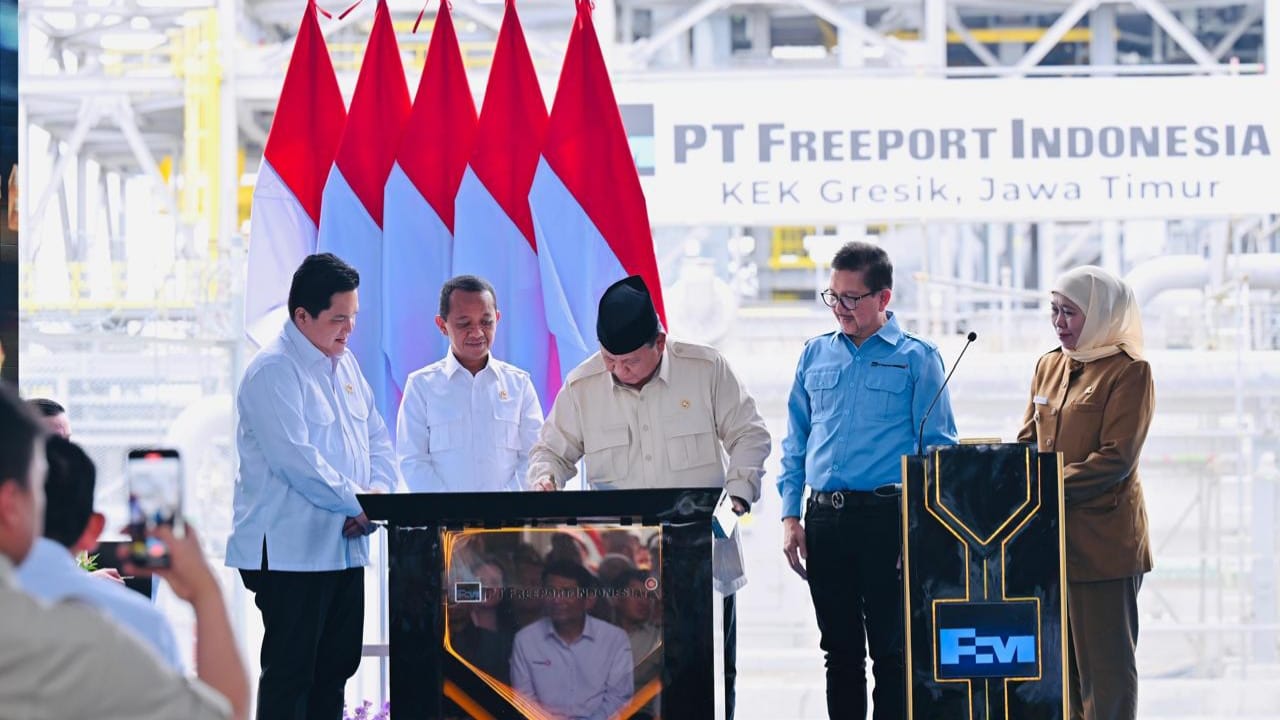
The inauguration of PT Freeport Indonesia's gold smelter, for example, marks the strengthening of the mining industry chain. Meanwhile, the ecosystem of the electric vehicle battery industry with a capacity of 15 gigawatts determines the direction of future vehicle manufacturing.
In addition to changing the industrial structure, the downstream program also focuses on developing human resources. The Ministry of Energy and Mineral Resources has organized training and certification for tens of thousands of workers in the energy and mining sectors to meet the needs of the future industry. It is estimated that more than 276,000 new job opportunities have been created from these downstream projects.
Nurul Ichwan, Deputy for Investment Promotion at the Ministry of Investment and Downstreaming/Investment Coordinating Board (BKPM), added that in general, the factors driving the increase in investment are closely related to downstreaming policies.
"Global demand for commodities from our natural resources is still very strong. For example, nickel, although not all of it is absorbed into electric vehicle batteries, but also into stainless steel, still has good prospects globally," he told SUAR.
Apart from nickel, according to Nurul, bauxite downstreaming has also shown great interest from investors. Although the process takes a long time due to complex mining permits, the interest is a positive signal for the sustainability of non-nickel downstream.
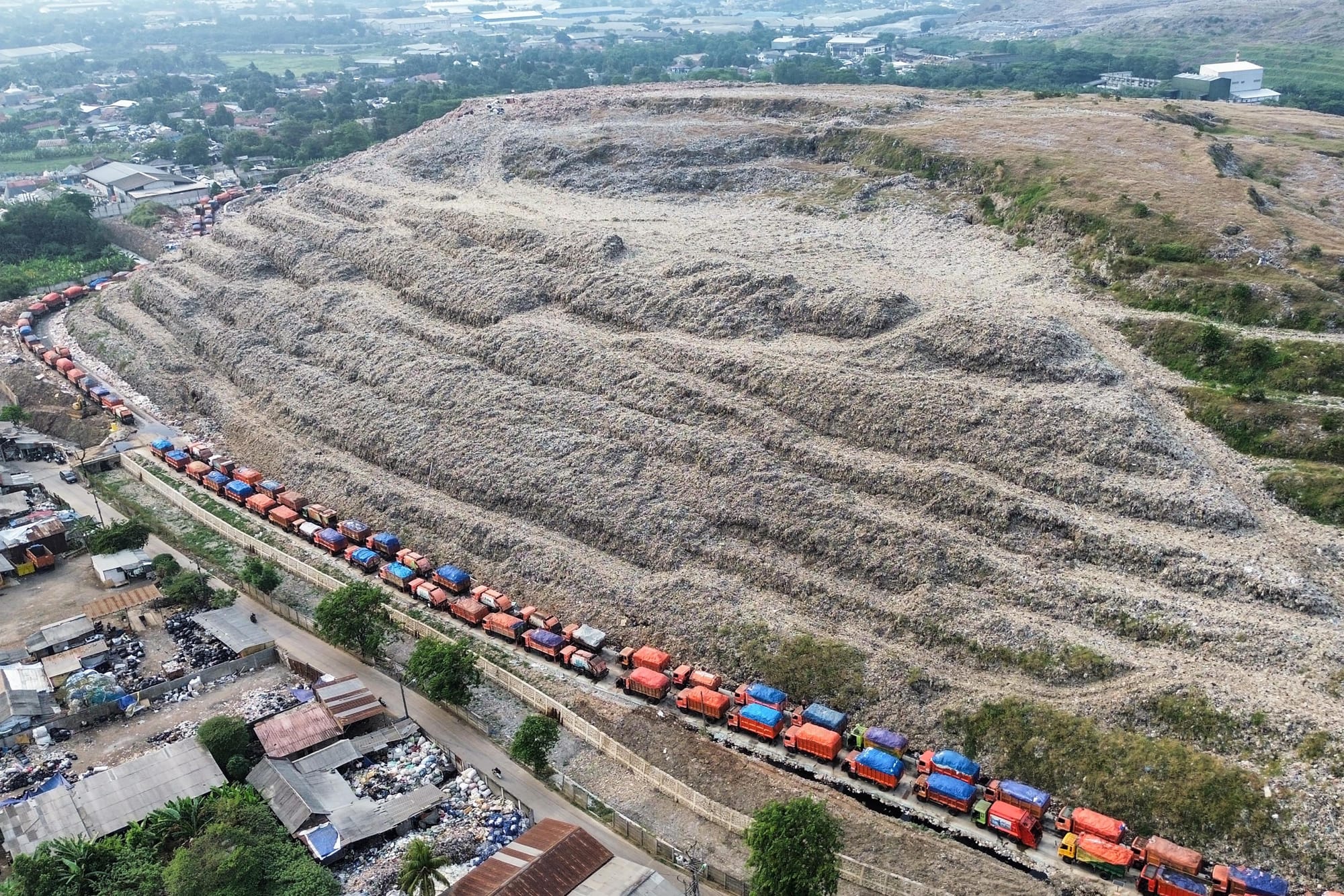
In addition, the Waste to Energy sector is also starting to attract a lot of attention. After the government issued several regulations, including a presidential regulation on the development of Waste to Energy, this sector will soon be tendered. "Investors, both domestic and foreign, see this as a strategic opportunity: at the same time reducing plastic waste and meeting renewable energy needs," Nurul said.
Downstreaming of the agriculture and fisheries sector
In addition to downstreaming the mineral and mining sectors, the Government has also started strengthening downstreaming in other sectors, such as fisheries and agriculture-plantations. In the fisheries sector, the Ministry of Maritime Affairs and Fisheries continues to encourage innovation in producing fishery-derived foodstuffs to support the downstream program, while increasing the national fish consumption rate.
This step is followed by regular product introduction efforts to the community to be used as a business opportunity and increase knowledge of various ways to process fishery products.
The Ministry through the Center for Testing the Application of Marine Fisheries Products (BBP3KP) has created 244 innovative products that are easy to process at home and have the potential to become business opportunities. A total of 143 types of processed products have been adopted and developed by business actors, of which the most developed are shredded sheets and fish balls.
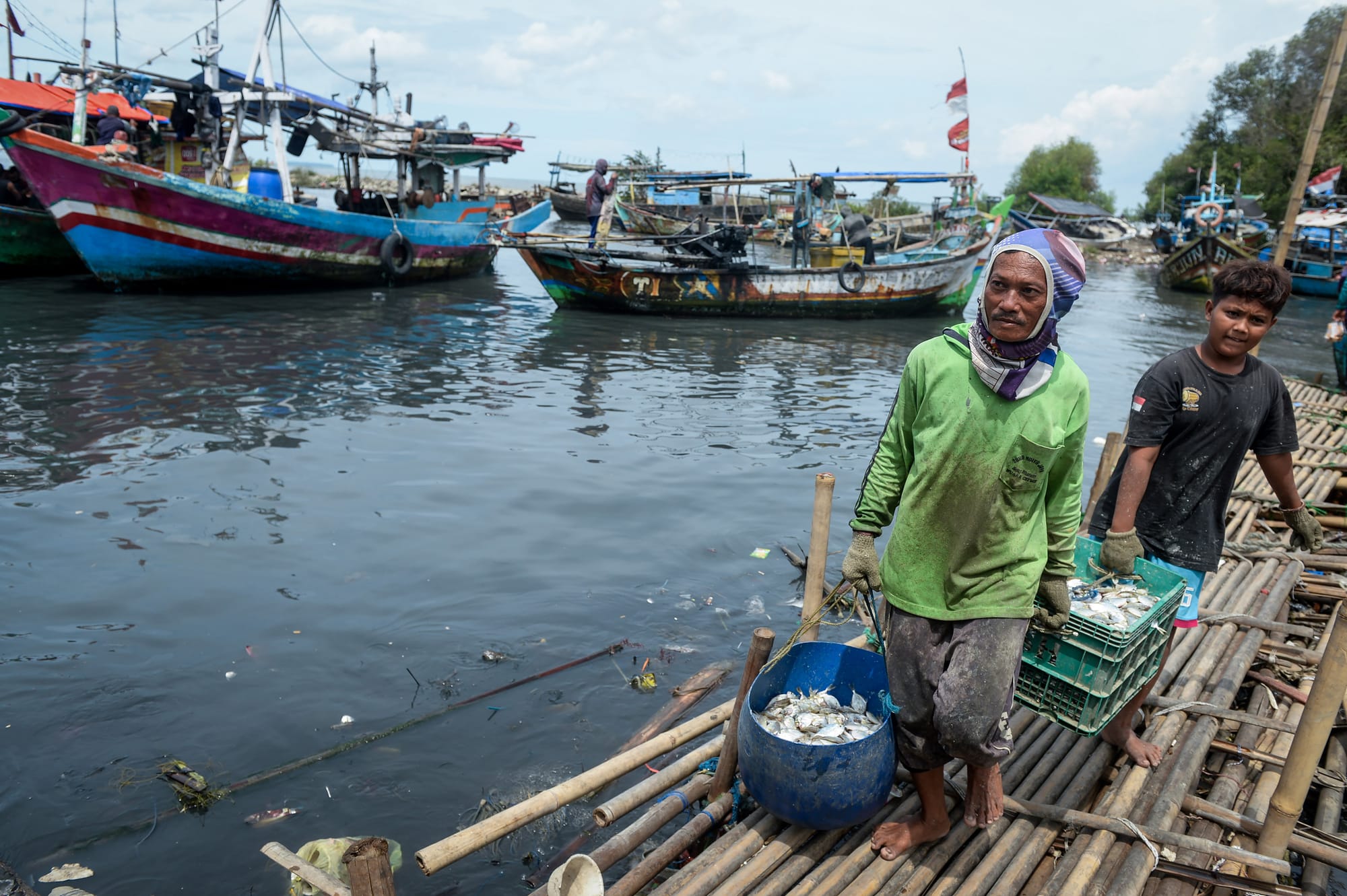
Minister Bahlil Lahadalia said that a roadmap for the downstreaming of raw materials has been prepared until 2040, covering 21 commodities, four of which are from the fisheries sector, including shrimp, fish, crab and seaweed. This roadmap is expected to optimize natural resources and boost the per capita income of the population.
Currently, investment in the fisheries sector is the lowest when compared to other sectors. This is due to the fact that the majority of fisheries businesses are still small-scale or traditional, which are seen as high-risk business entities.
Investment direction and strategic initiatives for debottlenecking can help develop leading commodities and add value to Indonesia's fisheries sector.
Meanwhile, in the agriculture and plantation sectors, the Ministry of Agriculture also initiated the downstream movement as a strategic step to increase the added value of products, create jobs, and accelerate the distribution of people's welfare.
Minister of Agriculture Andi Amran Sulaiman said that the plantation subsector has tremendous economic potential if managed in an integrated manner from upstream to downstream. "It's time for our farmers to become entrepreneurs. We encourage the downstreaming of coffee, cocoa, pepper, nutmeg, coconut, sugarcane, cashew, palm oil, and gambier. The benefits of added value must stay in the village, the positive benefits and profits can be felt by our farmers, our nation, not taken abroad," said Minister Amran.
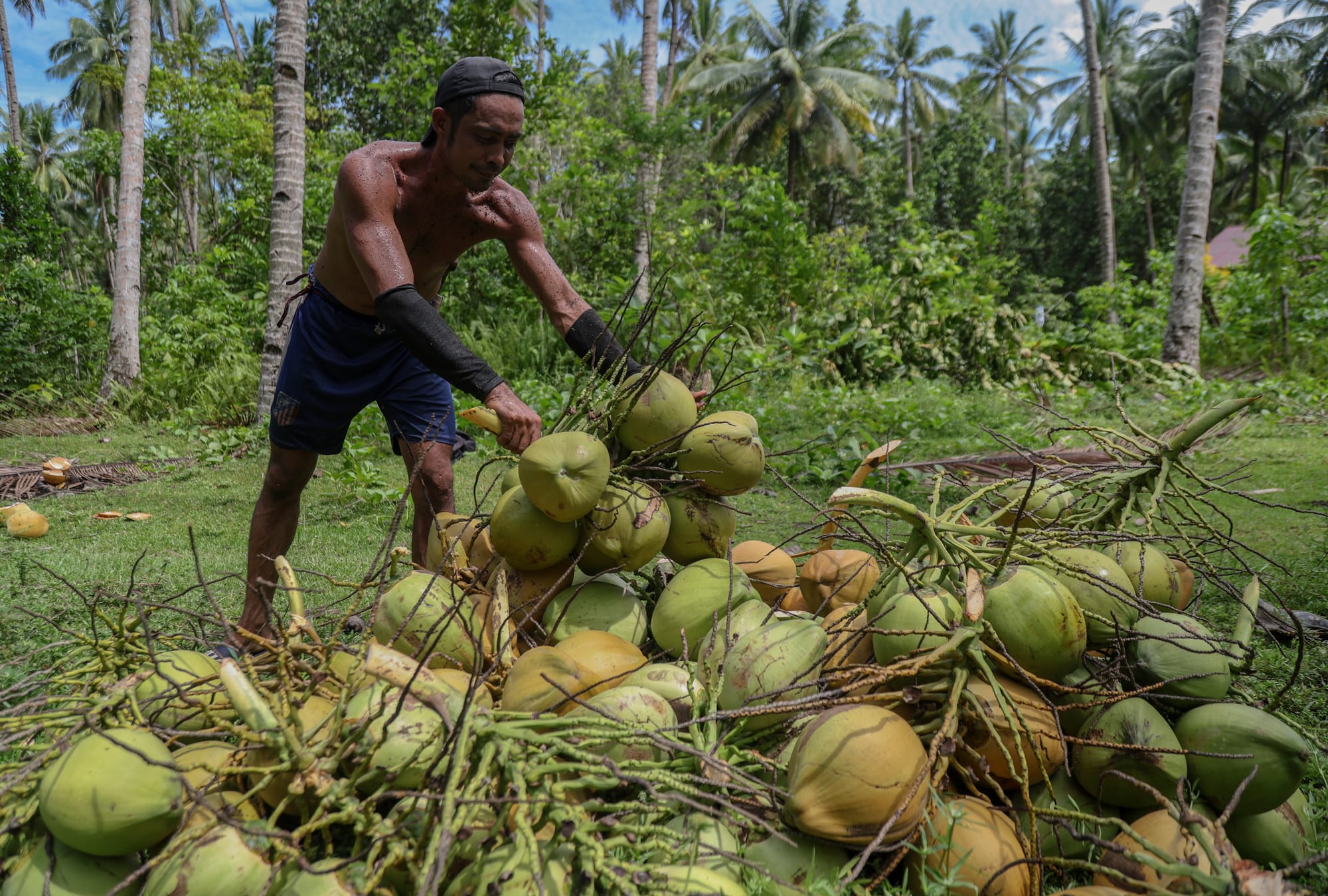
According to Amran, his office is accelerating the downstreaming of cocoa, cashew, coconut, pepper, and other commodities. "For coconut, the data has increased significantly, 33 million tons this year from 29 million tons last year," Amran said.
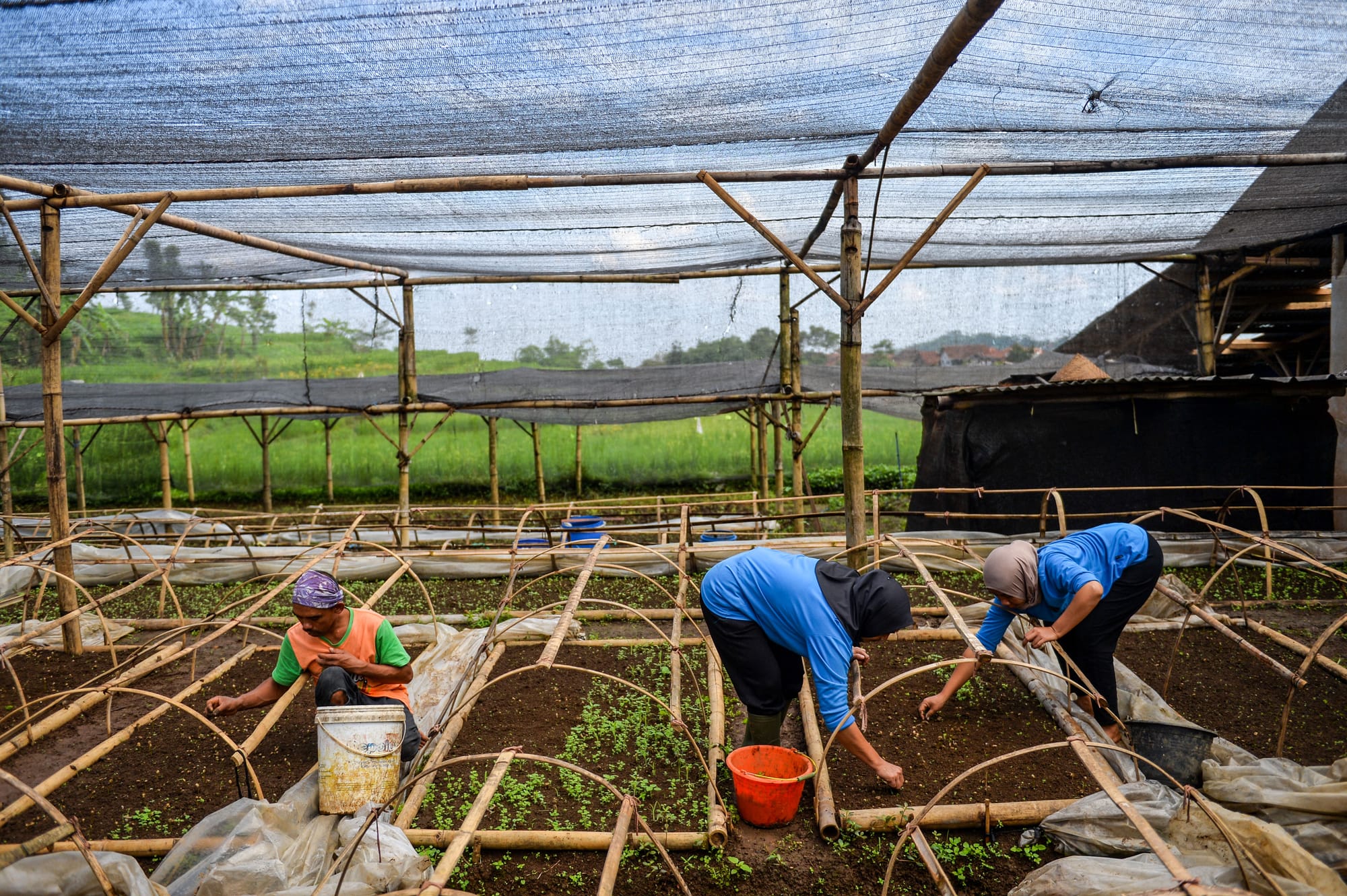
According to Amran, Indonesia still exports coconut in the form of logs with a total of 2.8 million tons per year worth IDR 24 trillion. In fact, if processed into derivative products such as coconut milk, the selling value can increase up to a hundred times.
"If it's 100 times as much, the potential value could reach Rp2,400 trillion. Let's just say half of it, it still generates Rp1,200 trillion in foreign exchange, and that's just from coconut," he explained.
The government is also preparing downstreaming for gambier commodities, which have been supplying 80 percent of the world's needs. Its derivative products can be used for election ink materials to household needs. Similar steps are also applied to the palm oil commodity controlled by the government. Amran said that fresh fruit bunches (FFB) will be processed into biofuel, cooking oil, margarine, and butter.
In addition to accelerating downstreaming, the government is also optimizing a budget of Rp9.95 trillion to support the plantation and horticulture development program. For this program, the Government will provide seeds, seedlings, to all Indonesian farmers.
These seeds will be given to many farmers who cultivate various agricultural commodities. "Cocoa, coffee, coconut, cashew, nutmeg, approximately 800,000 hectares throughout Indonesia. It will create employment for 1.6 million people within two years at the latest," Amran said.
Impact in all directions
On paper, downstreaming has a lot of potential to improve the national economy and people's lives. Research by the Faculty of Economics and Business of the University of Indonesia (FEB UI) in January 2025 entitled "Study of the Impact of Downstream Mining Industry on the Economy, Social and Environment: Copper, Bauxite, and Silica Sand", can at least illustrate how downstreaming can impact a region.
And from FEB UI research, in downstream areas such as Gresik, West Sumbawa, Mempawah, and Batang, a number of social indicators show improvement. Expected Years of Schooling (HLS) and Average Years of Schooling (RLS) increased along with the development of education infrastructure, which was supported by local revenues from Revenue Sharing Funds (DBH) and Local Original Taxes (PAD).
Improvements in the health sector are also a major concern. Indicators such as Life Expectancy (UHH) and the reduction in stunting rates show encouraging progress.
However, downstreaming also faces challenges such as limited infrastructure and technology, a limited skilled workforce, volatile market demand, and negative environmental impacts.
On the other hand, downstreaming is also expected to not only strengthen exports, but also strengthen supply chains and local industries. Related to this domestic strengthening function, according to Nurul Ichwan, there are two main challenges faced, namely financing and technology mastery.
"Most of the mines are owned by domestic entrepreneurs, but once they enter the smelter stage, the investment is very large and we do not have the technology. Therefore, we always encourage foreign investors to partner with local investors," said Nurul.
In its provisions, the Foreign Investment category is not always 100% foreign. Even if foreign ownership is only 1%, it is still categorized as PMA. Therefore, many foreign investments also involve domestic capital.
But in the future, according to Nurul, it is important for Indonesia to build downstream based on domestic technological capabilities so that the industrial sector can continue to run even when foreign investors withdraw." This means that innovation and research must be the backbone of our industry," he said.
On the other hand, downstreaming has also not been optimized. Arif Perdana Kusumah, Chairman of the Indonesian Nickel Industry Forum (FINI), said the challenges of downstreaming, such as nickel commodities, come from two sides: external and internal.
Externally, the world nickel industry is faltering. "The industry is still very dependent on stainless steel," Arif said. China dominates the stainless steel industry, and the country's economic slowdown is shaking global demand. Add to that geopolitical tensions between the United States and China, as well as President Donald Trump's energy policies that hinder the growth of electric vehicles.
In addition, there is technological competition between nickel-based batteries and non-nickel batteries. "Nickel in the world is 70 percent used for stainless steel and 15 percent for batteries and renewable energy," he said. As technology moves fast, so does uncertainty.
Wars in the Middle East, the Russia-Ukraine conflict, and global oversupply due to Indonesia's production, which has increased fivefold since 2020, have all depressed world nickel prices. "Global absorption is down, while production is increasing. That's a tough challenge for the industry," he explained.
He highlighted one important point that often goes unmitigated, battery technology competition. "There is intense competition between nickel-based batteries and non-nickel batteries. This affects the direction of the industry directly," he said.
Meanwhile, Indonesia is expanding its production capacity. "Our production has increased fivefold." This has flooded the world with supply, while demand is weak. "That's why prices are falling. This is a big challenge for us," Arif explained.
Meanwhile, the weakness in the country is always about regulations. "Business actors want synchronization of regulations," said Arif. Central and regional regulations sometimes overlap, making the investment climate feel fragile. The nickel industry needs certainty, stability, and long-term predictable regulations. "This is a capital-intensive, labor-intensive, technology-intensive industry. Investors need certainty," he said.
Licensing, taxation, complicated export mechanisms are all on the government's homework list. "The downstream industry is a long-term investment. Without certainty, it is difficult to run stably."
He reminded that the mineral industry is a capital-intensive, labor-intensive, and technology-intensive industry. "Investors need stability. That is the main requirement," he said.
Even so, Arif is still optimistic. For him, Indonesia is only one-third of the way to full downstreaming. "The big goal is to build an applicative industry. Finished goods. Not just intermediate products," he said.
FINI even made a small study to see what was needed for the nickel downstream industry to enter the next stage. The conclusion resulted in six key recommendations:
- Fiscal incentives and long-term investment guarantees.
- Supporting infrastructure especially in the eastern region: logistics, transportation, energy.
- Simpler and clearer regulations, not overlapping center-region.
- Sustainability and environmental principles for the industry to be accepted by the global market.
- Collaboration between industry players, government, and related institutions.
- Workforce development, which according to Arif is the most crucial point.
"We need a stable and competent workforce, because technology is constantly evolving. This is a long-term investment," he said.
Arif said Indonesia is at an important crossroads. "The challenges are great, but the opportunities are also great. The important thing is sustainability and consistency," he said.
Mukhlison and Dian Amalia
Changing Strategy to Downstream concept
Downstreaming in Morowali, Central Sulawesi, is transforming into factories, thousands of people are working, and the local economy is booming. One of the driving forces is Tsingshan Holding Group, a Chinese company that is now a key player in the national nickel industry.
According to Dedy Kurniawan, Media Relations of PT Indonesia Morowali Industrial Park (IMIP), Tsingshan's move to invest in Indonesia is not a spontaneous decision, but the result of a long process of relations between the two countries, in the mining sector.
"Since the early 2000s, Indonesia and China have had close cooperation in the mineral sector. In 2009, several investment agreements were even signed for the development of mines and processing facilities," Dedy explained.
One concrete result of the partnership was the establishment of the IMIP Industrial Estate in 2013, a collaboration between BintangDelapan Group from Indonesia and Tsingshan Holding Group from China. This area symbolizes the transformation from raw material exports to domestic value-added processing.
The big moment came when the Indonesian government officially banned the export of raw nickel ore in January 2020 through Permen of ESDM Number 11 of 2019. The ban prompted many companies, including Tsingshan, to change their business strategy: from being mere buyers of raw materials to investors building smelters in Indonesia.
"With this policy, Tsingshan chose to no longer only import raw ore from Indonesia, but to invest directly to build processing facilities in the country," said Dedy.
Indonesia itself has the largest nickel reserves in the world, and the downstream policy opens up great opportunities for increasing added value. In addition to boosting the economy, downstreaming also creates jobs and strengthens Indonesia's position in the global industrial supply chain.
Dedy explained that Tsingshan sees downstreaming as not only a matter of economics, but also a matter of commitment to environmental sustainability. With domestic processing, the company can apply stricter environmental standards and reduce the impact of mining exploitation, which has been in the spotlight.
"If we process it here, we can monitor it directly. We make sure the process meets environmental standards, so it is not only economically beneficial but also more responsible for nature," said Dedy.
Regarding the investment climate, Dedy assessed that the Indonesian government is quite serious in creating ease of doing business and legal certainty. Licensing reform, the provision of fiscal incentives, and the enactment of Law No. 25/2007 on Investment are considered to be concrete steps that make Indonesia more competitive in the region.
"Now licensing is much simpler. There are many conveniences for investors, and legal certainty is also more guaranteed. This allows the industrial ecosystem from upstream to downstream to be formed," he said.
However, behind the large investment figures and giant factories, the most impact is felt in the surrounding community. As of September 2025, the IMIP area has absorbed 86,394 workers, and 97 percent of them come from Sulawesi Island. Of that number, 31 percent came from Central Sulawesi, and more than half of them were Morowali residents.
"We are proud that the majority of our workforce are local people. They not only work, but also grow with this industrial area," said Dedy.
The economic impact extends to stalls, shops and small businesses around Bahodopi. Data shows that the number of businesses jumped from 4,697 units in 2021 to 7,643 units in March 2025, an increase of 62.7 percent. This surge also absorbed 16,705 new workers in the UMKM sector.
"Activities at IMIP have created a high demand for daily needs, transportation, food, and services. That's what makes local UMKM grow rapidly," Dedy explained.
More than just an investment, Tsingshan's story in Morowali is an example of how national policy can transform into regional economic power. From a ban on raw ore exports, Morowali is now the heart of the world's nickel industry, a place where policy, investment and local labor combine to create a new future.
Dian Amalia