Several experts are urging the government to conduct regular evaluations, long-term studies, and in-depth research on the Free Nutritious Meal (MBG) program, following projections that the budget could swell to IDR 300 trillion by 2026.
The growing fiscal burden has raised concerns about whether the program is delivering real impact and whether its spending is sufficiently targeted to avoid straining the economy.
Bustanul Arifin, professor of Agribusiness at the University of Lampung (Unila), stressed the need for accountability.
“Evaluation is crucial for the sustainability of MBG. We must ensure that such a large amount of funding provides real impact for the community,” Bustanul told SUAR in Jakarta on Wednesday (13/8).
Echoing the same sentiment, Professor Tjandra Yoga Aditama—former Director of Communicable Diseases at WHO Southeast Asia (2018–2020)—advised the government to conduct a comprehensive survey of the program.
According to him, evaluation is necessary not just to keep the program running, but to ensure it creates real impact for beneficiaries.
“Satisfaction surveys must be carried out regularly, not only with student recipients but also involving parents, teachers, and food providers,” Tjandra said in Jakarta on Sunday (13/8), as quoted by Antaranews.
He added that long-term studies are needed to monitor changes and the impact of MBG from its inception through the coming years. The evaluation, he stressed, should cover four key pillars: nutrition, health, education, and the economy.
“Such research may take years to deliver valid results, but the data collection process must be consistent and scientifically sound,” he noted.
Through a comprehensive evaluation approach, Tjandra expressed hope that MBG can be continuously improved and developed to truly meet community needs.
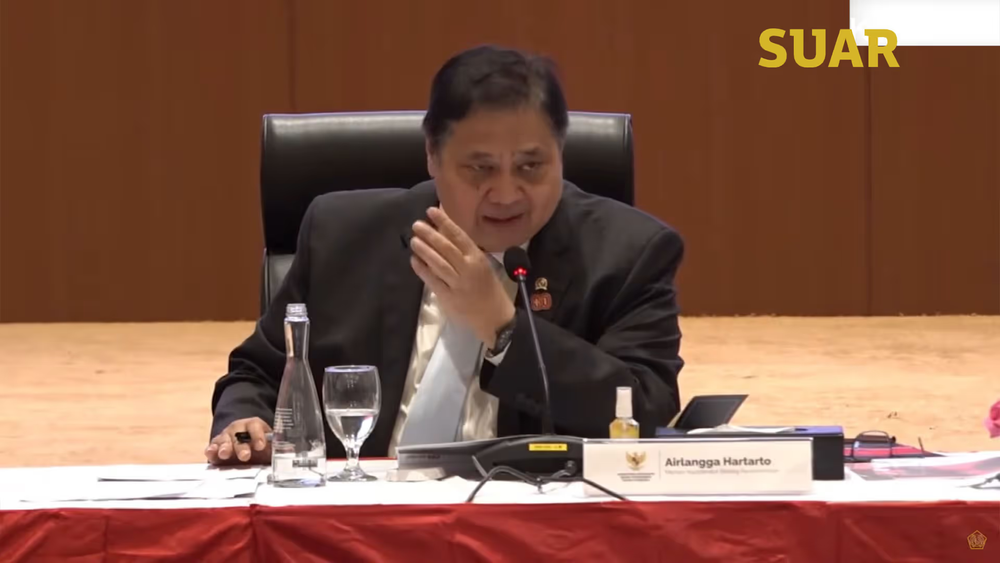
Earlier, Finance Minister Sri Mulyani Indrawati revealed that the budget for MBG could reach as high as IDR 300 trillion in 2026. This would nearly double the current year’s allocation of IDR 171 trillion, which targets 82.9 million beneficiaries.
“MBG this year reached IDR 71 trillion, with an additional reserve of IDR 100 trillion. Next year, if there are 82 million beneficiaries, the program will require IDR 300 trillion,” she said at the National Islamic Economic Seminar: Reflections on Indonesia’s Independence 2025 in Jakarta (13/8), streamed online.
She emphasized that with such a budget, the program is expected to generate significant economic activity, requiring participation from MSMEs in its implementation. Sri Mulyani also encouraged active involvement from Islamic boarding schools (pesantren) and halal industry players in MBG.
The minister reaffirmed that the government continues to leverage the state budget (APBN) to finance both development initiatives and social protection programs, including key government priorities such as MBG, people’s schools, and the construction of three million houses.

Significant Economic Impact
Despite raising concerns, President Prabowo Subianto’s ambitious program is also recognized for generating substantial economic impact.
Bustanul Arifin highlighted an example from the pilot project launched in May 2024, which employed a collaborative mechanism involving MSMEs and online transportation service drivers. According to him, the estimated multiplier effect of the Free Nutritious Meal (MBG) program demonstrated a sizeable economic benefit.
“The trial of the MBG program has already shown a positive impact on communities, but its implementation in the field must still be closely examined,” Bustanul said.
Meanwhile, Indef’s Director, Esther Sri Astuti, explained that the MBG program could create a multiplier effect if managed with precision and properly targeted. According to her, the initiative has the potential to boost Indonesia’s Gross Domestic Product (GDP) by as much as IDR 14.61 trillion.
Indef’s research revealed that the allocation for MBG spending in 2025 could spur GDP growth by 0.06%, equivalent to IDR 14.61 trillion.
Esther further noted that the program’s budget could also drive a 0.19% increase in employment absorption and a 0.39% rise in wage growth.
In addition, MBG is projected to stimulate both imports and domestic investment.
“Therefore, the MBG program must be decentralized, relying on local food sources and raw materials. This would reduce distribution costs, cut import dependency, and enhance the welfare of farmers and MSMEs,” Esther explained.
The program, managed under the newly established National Nutrition Agency (BGN), is one of the administration’s flagship policies. It is also listed among the Eight Quick-Win Programs of President Prabowo’s government, aimed at building superior human resources (SDM) as the foundation for Indonesia Emas 2045.
Among Southeast Asian nations, Indonesia has become the eighth country to provide free nutritious meals for children—following Thailand, Malaysia, the Philippines, Cambodia, Laos, Timor Leste, and Brunei Darussalam.
Ensuring Nutritional Adequacy of MBG
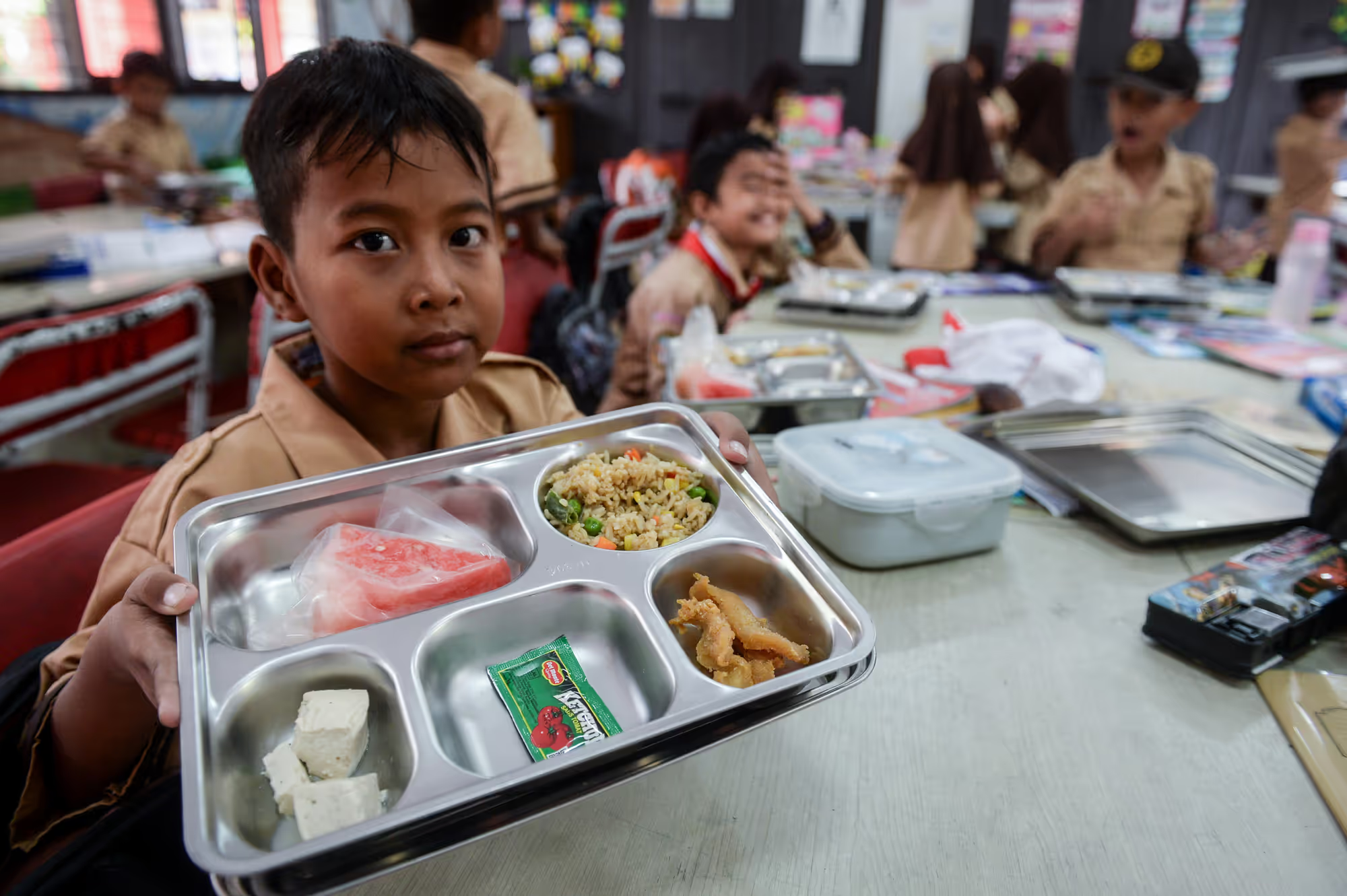
To ensure the nutritional adequacy of the Free Nutritious Meal (MBG) program, the National Nutrition Agency (BGN) has set standards for nutritional composition. Nutritionists will then design a monthly menu based on these standards, which will later be processed and distributed by the Nutrition Fulfillment Service Units (SPPG).
BGN Head Dadan Hindayana has repeatedly emphasized that every service unit must have at least one nutritionist, who will design menus with identical nutritional compositions, though the dishes themselves can be adjusted to local tastes and available resources.
The National Nutrition Agency (BGN) reported that, as of August 11, the state budget realization for the MBG program had reached IDR 8.2 trillion. This funding covered the establishment of 5,103 Nutrition Fulfillment Service Units (SPPG) across 38 provinces, benefiting more than 15 million people.
Facility Upgrades
However, facility gaps remain a challenge. DPR Commission IX Deputy Chair Nihayatul Wafiroh noted that many kitchens lack refrigerators and generators, leaving food vulnerable during power outages.
“If the power goes out and the refrigerator shuts down, food ingredients can spoil quickly. This is no trivial matter, especially when serving thousands of portions every day,” she said in a DPR release received by SUAR.
According to her, disparities in facilities create unequal quality in nutrition services. Well-equipped kitchens can maintain food quality more effectively compared to those lacking supporting infrastructure. As a result, nutritional standards and food safety may differ across regions.
“The minimum facilities that every kitchen must have include generators, refrigerators, and dry storage equipment,” she stressed.
Nihayatul added that these requirements should be part of the regular budget, not treated as add-ons when surplus funds are available. She also reminded stakeholders that supporting infrastructure is crucial for kitchens to withstand emergency situations such as natural disasters or prolonged power outages, which could disrupt food distribution.
“If we want to maintain food quality, every kitchen must have the same adequate facilities. No one should be left behind,” she concluded.