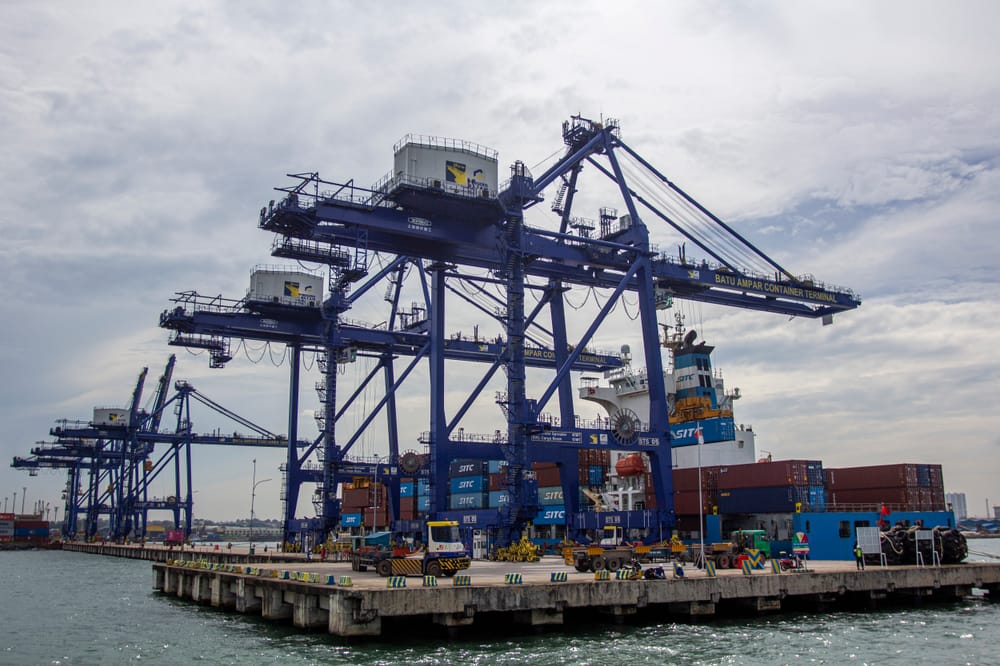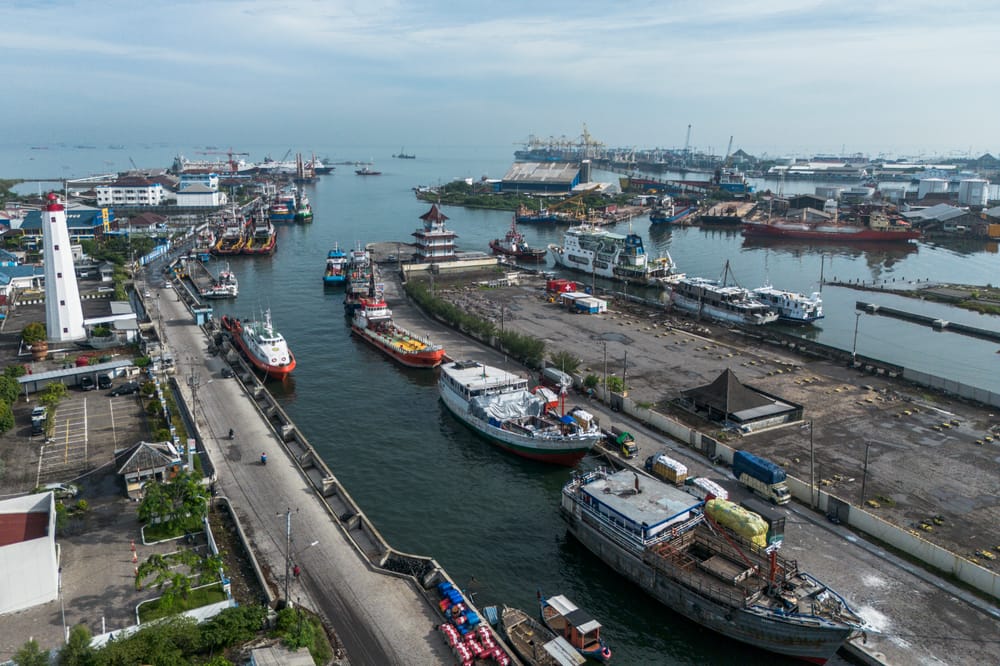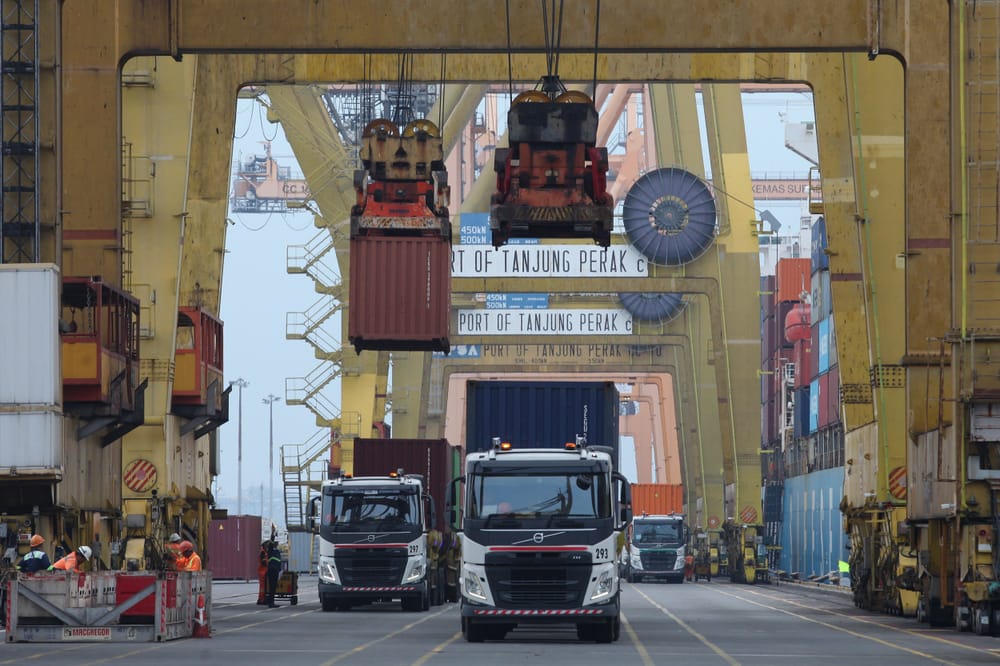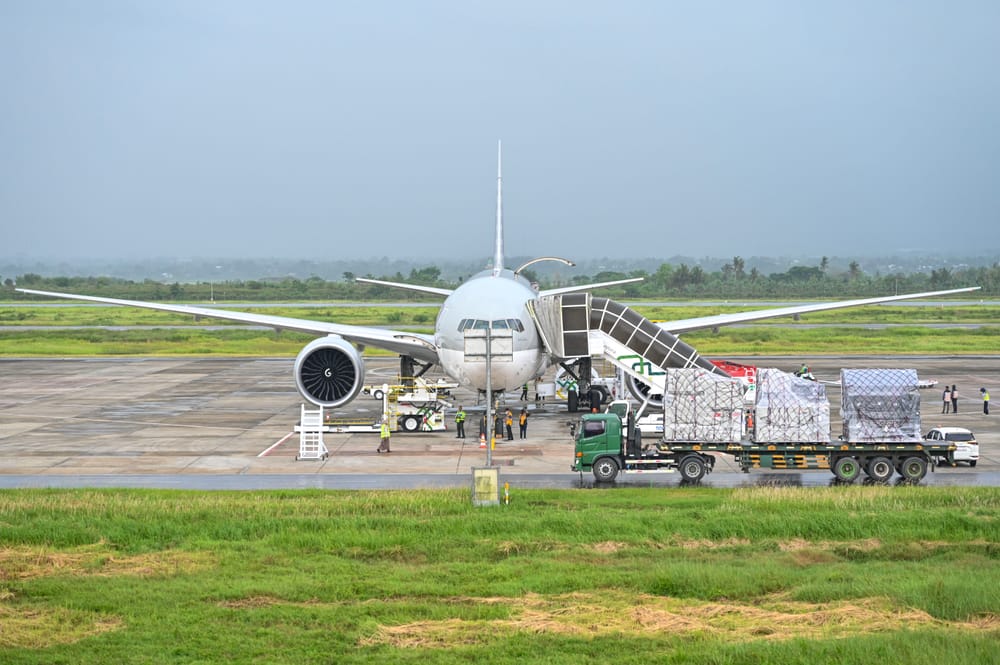

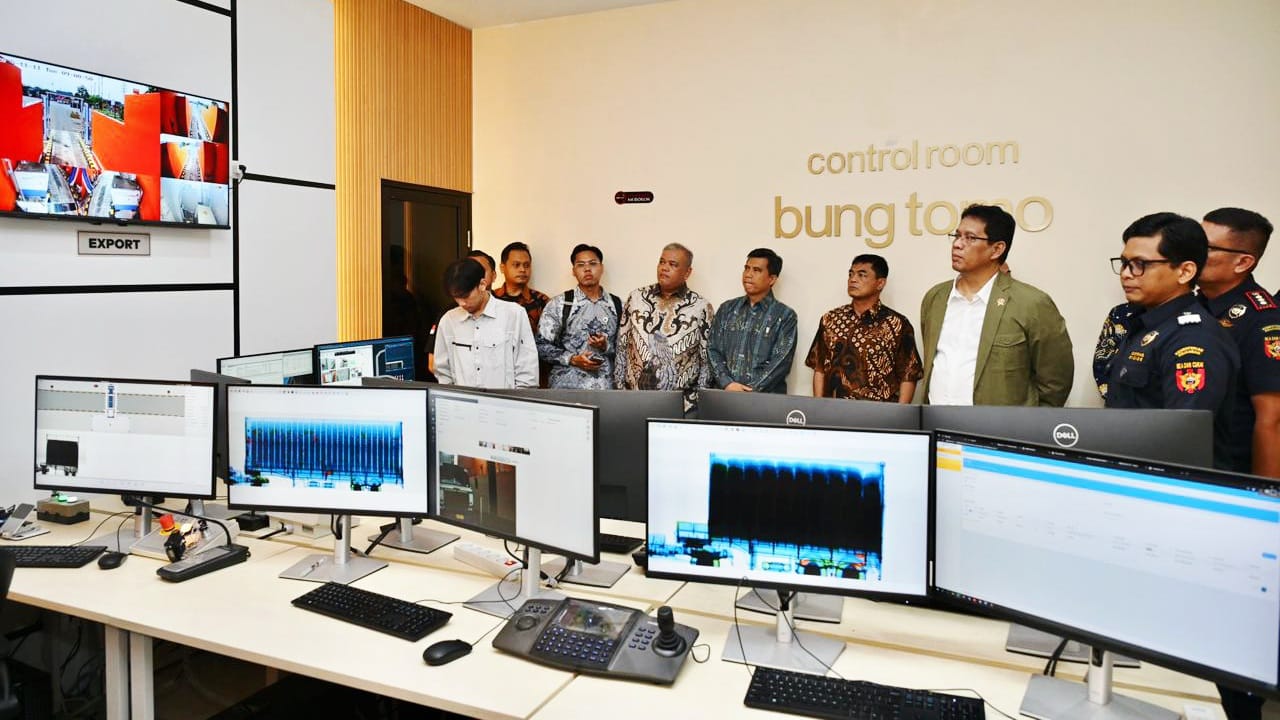
Customs offices are now starting to optimize digital systems that automatically speed up export-import inspection procedures and create a more transparent supply chain.
Head of the Customs and Excise Education and Training Center Muhammad Mulyono said the digital transformation of customs services is able to increase public trust, reduce logistics costs, and at the same time increase the competitiveness of Indonesian products in foreign markets.
"Transparency ensures public trust and develops open procedures and tariffs that are adaptive to the needs of international trade," said Mulyono at an international conference related to the World Customs Organization at a university in Jakarta, Tuesday (11/11).
According to Mulyono, Cambodia and Malaysia serve as examples that transparency not only promotes institutional integrity, but also helps small businesses compete and access global markets.
"Smart Customs allows artificial intelligence to become a working instrument capable of streamlining customs through face recognition, automatic document analysis, and simulation and training of customs officers," he explained.
The integration of services with the latest digital technology, Mulyono explained, should be an instrument that allows customs to answer the need for transparency for exporters and importers, among others with data management and accuracy in decision making.
Complementing Mulyono's explanation, former Head of the Customs Education and Training Center and WCO Accredited Expert Oentarto Wibowo emphasized that transparency is the heart of customs, as evidenced by openness, clarity of rules, and accountability of assessment, supervision, and enforcement.
"Transparency starts with a clear regulatory framework that is easily accessible, up-to-date, and provides accurate and precise information on requirements, rule changes, and procedures to exporters and importers. Automation will simplify custom declaration, especially by reducing human intervention in customs work," Oentarto explained.
Referring to WCO standards, Oentarto said there are five aspects to modern customs. First, a clear regulatory framework on restrictions, customs tariffs, and inspection references. Second, accessible and responsive service standards. Third, coordinated border control. Fourth, full monitoring of procedures, clearance time, and complaints. Fifth, digital adoption that helps real-time tracking of shipments .
Complex
Oentarto acknowledged that the implementation of complex customs service standards opens up space for gratuities and illegal levies. That is why, the WCO has also developed a framework that can be used as a reference for customs administrators around the world on corruption prevention procedures starting from the lowest level to the decision-making level.
"However, the guidelines from the WCO still need to be reduced to practical guidelines or fixed procedures (protap), one of which is with Integrity Risk Mapping which allows the identification of corruption risks in their respective units, such as preventive early detection instruments," said Oentarto.
Digitalization of customs services does seem promising. However, without clear and measurable standards, the implementation of digitalization and automation will tend to be partial and cannot significantly improve service quality. In other words, the adoption of digital technology needs to be comprehensive, with human-free service standards.
Chairman of the Indonesian Filament Yarn and Fiber Producers Association (APSyFI) Redma Gita Wirawasta stated that digitalization and automated processes are a requirement to ensure transparency in the customs process from the beginning, namely inspection and documentation. The ultimate goal is to reduce logistics costs, which have so far weighed heavily on entrepreneurs and weakened investment interest.
"Indeed, all customs documents should be digital and connected, not only between customs, but also between ports. Such digital documents will also minimize the gap in document modification by business actors, both for export and import purposes," Redma said when contacted, Tuesday (11/11/2025).
Without human contribution
However, Chairman of the Indonesian Logistics Association Mahendra Rianto emphasized that digitizing customs documents from paper to soft files is not enough.
Moreover, the assumption that document digitization is the same as service digitization is a misconception, because the definition of service digitization is a seamless logistics delivery process without the touch of human hands, with all document approvals carried out by the system.
"The emphasis on digitalization is a customs process that does not need to meet people, especially now that there is big data. Take China for example with their global e-commerce . If they are not assisted by the mastery of the database on customs of each country, it is impossible for them to distribute goods that quickly throughout the world," Mahendra explained when contacted.
A partial understanding of digitalization, according to Mahendra, can be seen when handling imports. After import duties and other tariffs have been paid, the importer will receive a digital Goods Release Approval Letter (SPPB).
However, importers still have to print the SPPB themselves, bring it to the customs service office, and process it manually, meaning there is human contact in a process that is already considered "digital".
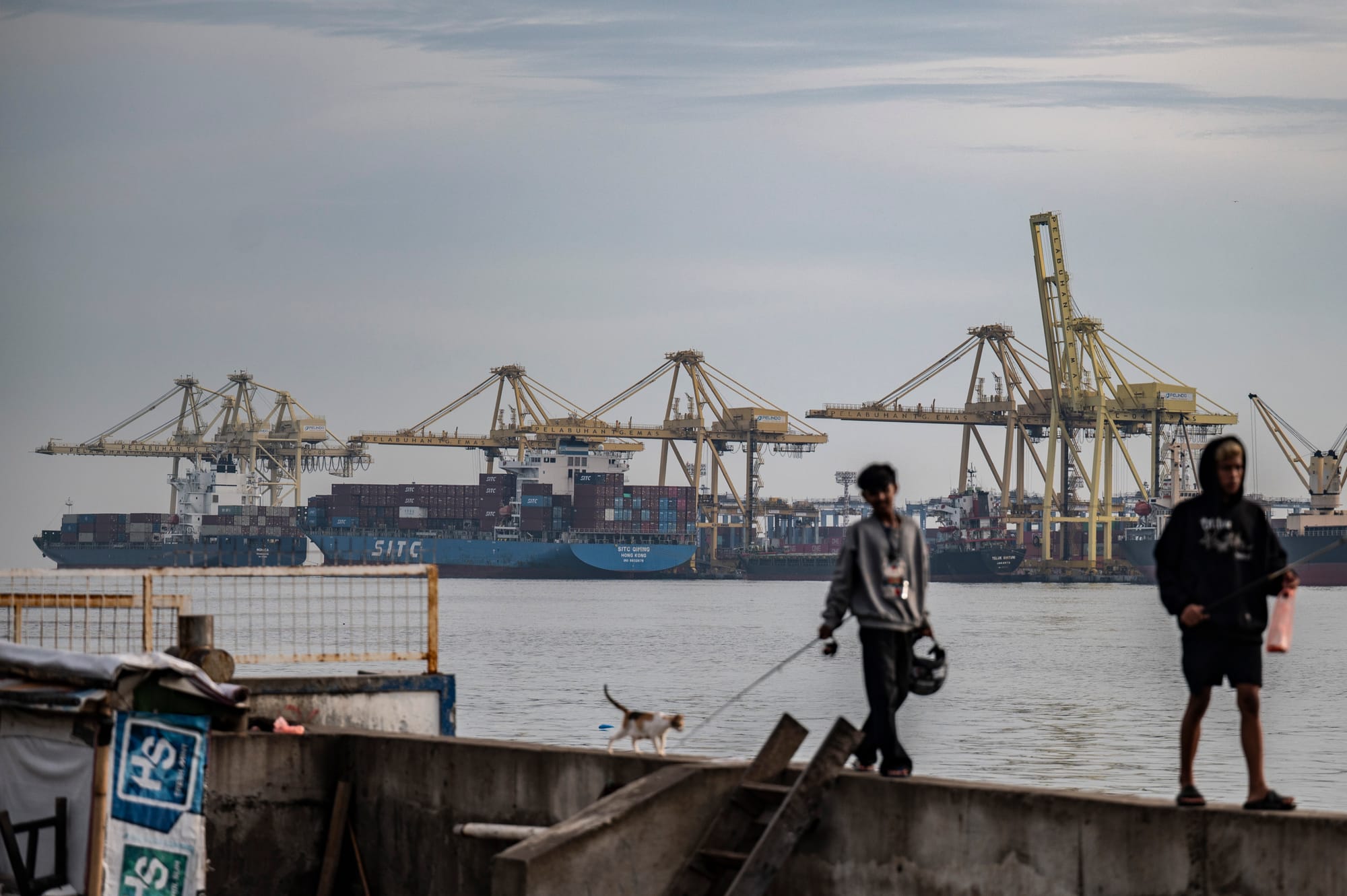
"Another example is the Port of Rotterdam. There, from the time the ship docks until the container leaves the port, the entire customs process does not require human labor. When the container is on the truck and is about to leave, they will immediately screen it with X-ray, it will immediately be known whether the goods in the container and those in the documents are compatible," he said.
With such technological sophistication in the country of windmills, Mahendra hopes that digital technology for customs services will be adopted as a whole, especially in screening to speed up custom clearance.
The reason is, when the export or import commodity is urgently needed by the market while customs disputes the documents or the suitability of the goods, there is a gap for negotiation and gratification.
"If e-commerce and marketplaces can do transactions, shipping, and build databases to deliver their products seamlessly and automatically, let alone a country. The question is, are we willing to go there? X-ray equipment can be purchased and installed along the port exit, and Indonesia can learn from countries that have experience," said Mahendra.
Support the supply chain
In the midst of an uncertain global economy and supply chain disruptions due to geopolitical tensions, the need for digital customs services has never been more urgent. Not only does it ensure the smooth flow of commodities, but it also helps improve the competitiveness of a country.
Professor of the Department of Systems and Industrial Engineering at the Sepuluh November Institute of Technology Surabaya I Nyoman Pujawan assessed that in a situation of interdependence that multiplies the dependence of a country's industry on the supply of raw materials from other countries, customs control determines the reliability of the supply chain, and ultimately, the competitive advantage of a country.
"Customs control plays a role in maintaining the security and integrity of the supply chain, but on the other hand it also increases transit time and of course has the potential to multiply logistics costs, thus increasing the average selling price of products," Pujawan explained.
The rector of the University of Logistics and International Business (ULBI) Bandung launched the Logistic Performance Index 2023 report from the World Bank, which states that Indonesia is ranked 63rd in terms ofcompetitiveness, far below Vietnam which is ranked 50th, Thailand is ranked 37th, and Malaysia is ranked 31st. One of the reasons is because Indonesia's custom score is only 2.8, far below the average.
"Customs digitalization is one of the homework that we must do, starting from electronizing all documents, accelerating clearance time for green line cargo, data sharing practices between customs, ports, and importers to reduce delays and errors," he said.
Currently, according to Pujawan, customs in Indonesia is still handled by almost 29 agencies, which are starting to be simplified with the Indonesia National Single Window (INSW) mechanism for custom clearance and the National Logistic Ecosystem (NLE) to integrate the logistics ecosystem from ports, to warehouses, to land transportation. However, Pujawan found that the performance of NLE is still below INSW in realizing a supportive logistics ecosystem.
"Good customs is to ensure that as few government agencies as possible are involved in controlling the entry and exit of goods. For digital clearance to be fast and accurate, it is better to have one authority that is very strong and has more power than other agencies, rather than having many agencies with equal power ," concluded Pujawan.