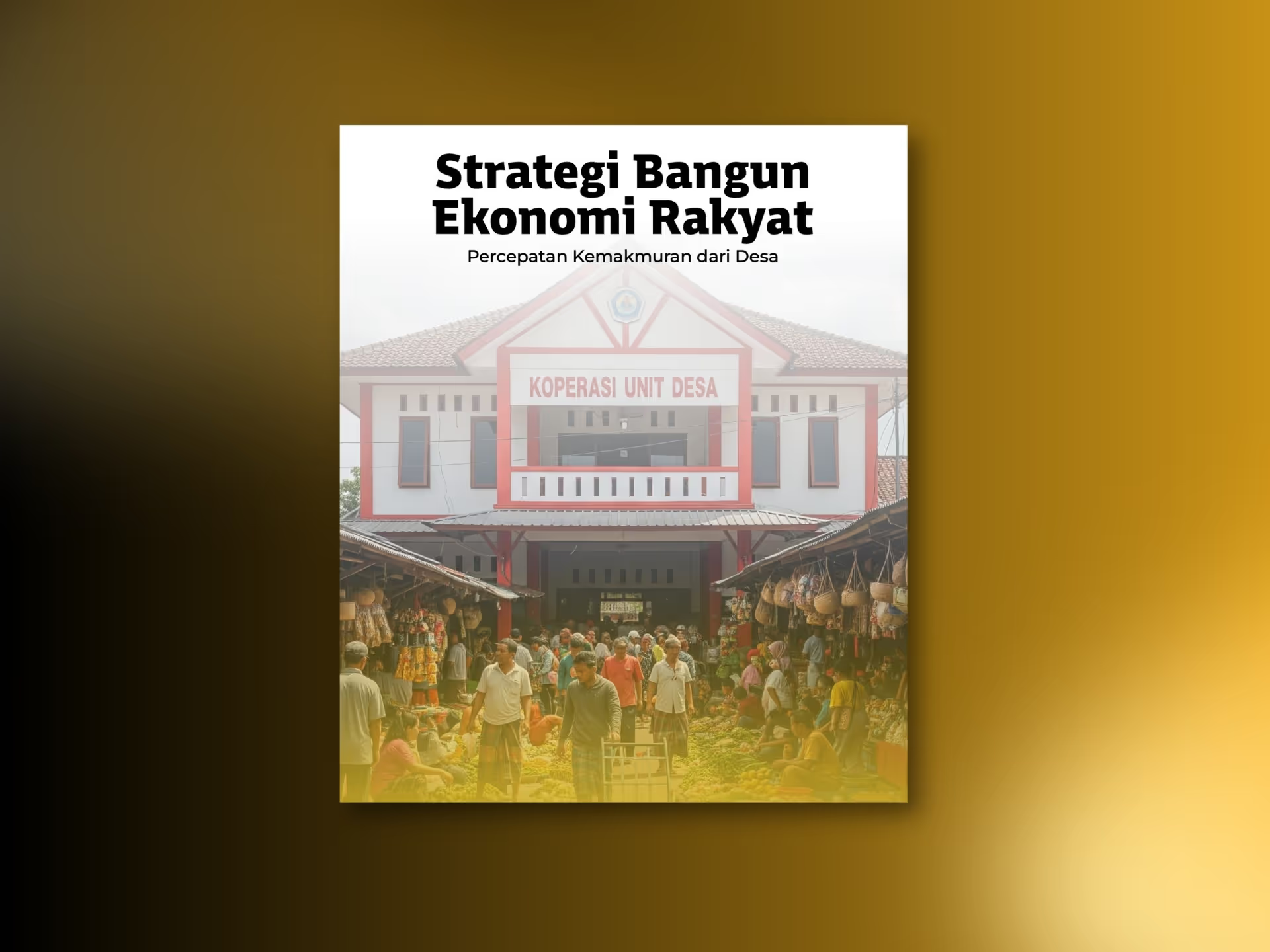
Indonesia is accelerating an ambitious push to build tens of thousands of village-based cooperatives, a move the government hopes will rebalance rural economies, curb the power of middlemen, and anchor inclusive development.
So far, more than 80,000 Merah Putih Village Cooperatives have been legally established across the archipelago. Each adopts a “7-in-1” model—combining a grocery outlet, pharmacy, health clinic, savings and loan unit, cold storage, logistics services, and a cooperative office, designed to meet basic community needs while generating jobs and income.
President Prabowo Subianto, launching the program in a hybrid ceremony attended by village leaders and cooperative managers nationwide, called cooperatives “the people’s instrument of struggle to become strong and economically sovereign.”
The Merah Putih Cooperatives are designed to:
- Strengthen village and community economies,
- Improve farmers’ exchange rates,
- Curb local inflation,
- Expand financial inclusion, and
- Create productive jobs in rural areas.
The Merah Putih Village Cooperatives adopt a 7-in-1 business model that includes a grocery outlet, village pharmacy, health clinic, savings and loan unit, cold storage, logistics services, and cooperative office.
The initiative comes with clear goals:
- To provide economic certainty in remote areas, especially with regard to fair pricing, while combating the dominance of middlemen in villages.
- By shortening distribution chains, the government aims to eliminate exploitative “economic vampires.”
State-owned enterprises such as Pos Indonesia and BRI are supporting cooperative operations through logistics and financial services. BRI, for example, integrates its AgenBRILink services into cooperatives to facilitate financial transactions for rural communities.
Backed by regulations, funding from the state and regional budgets, and cross-ministerial synergy, the Merah Putih Village Cooperatives are positioned to become the locomotive of people’s economy. The government expects these cooperatives to serve as the backbone of sustainable, fair, and inclusive village development.
For the full report, click on links 1, 2, 3, or download the complete article here.