

A big deal, but not a silver bullet.
After a long process of negotiations that took about 10 years, Indonesia and the European Union finally completed negotiations on the Indonesia-European Union Comprehensive Economic Partnership (IEU-CEPA) trade agreement in Brussels, Belgium, Sunday (13/7/2025).
Will this trade cooperation be the savior of Indonesia's international trade performance from Trump's tariff war? Which sectors will benefit the most from this deal?
Chairperson of the Indonesian Employers Association (Apindo) Shinta Kamdani said that the business world welcomes the news about the achievement of a bright spot in the IEU-CEPA negotiations. Although the entry into force of the new IEU-CEPA is targeted for the end of 2026 or early 2027, this transition period can be a very strategic time to prepare the foundation so that the benefits of IEU-CEPA can be optimized from the first day it is enacted.
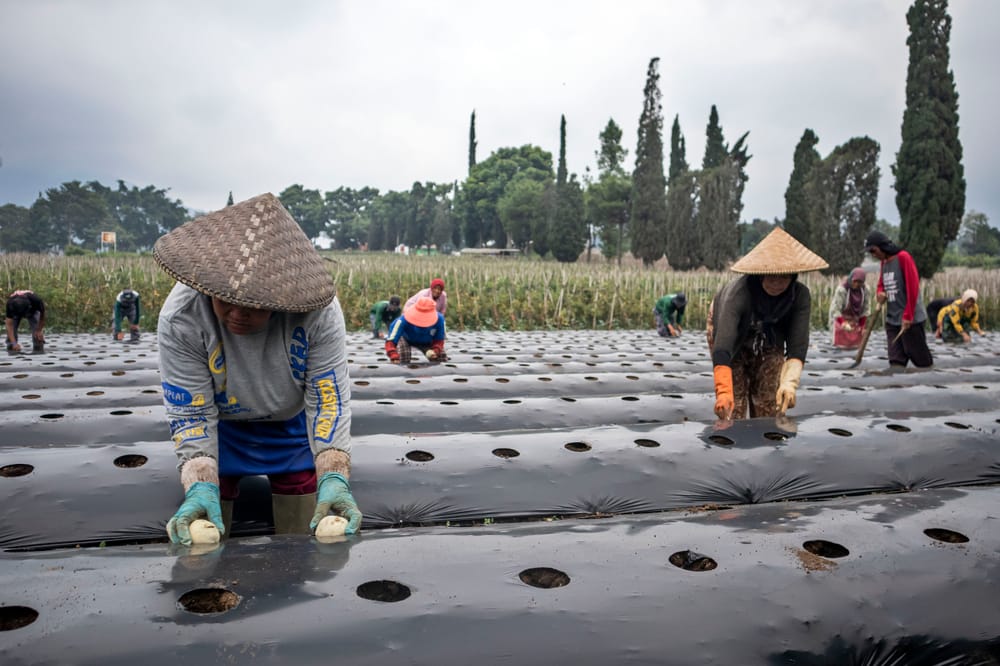
Currently, businesses, including labor-intensive industries, have begun to be encouraged to prepare themselves. Sectors such as textiles and textile products (TPT), footwear, furniture, and fisheries are projected to gain major market access improvements to Europe.
"IEU-CEPA is not only a new opportunity for labor-intensive industries to grow and penetrate the European market, but also part of a grand strategy to diversify Indonesia's export markets amid uncertainty in trade relations with the US," Shinta said on Monday (14/7/2025).
"IEU-CEPA is also part of a grand strategy to diversify Indonesia's export markets amidst the uncertainty of trade relations with the US," said Shinta.
At a time when global dynamics are increasingly uncertain, strengthening market orientation to Europe is a very relevant mitigative step, especially since many export-oriented labor-intensive industrial sectors have proven to have the capacity to compete if the ecosystem is supportive.
This optimism is not without reason. According to data from the Ministry of Trade, IEU-CEPA has the potential to increase Indonesia's exports to the European Union by more than 30 percent in the next few years. Sectors such as textiles and textile products (TPT), footwear, wood products, electronics, and agriculture are projected to be the main players.
Deni Priawan, a researcher at CSIS, added that the labor-intensive sector is indeed the main motor behind the long negotiation of IEU-CEPA. "The hope is that products such as shoes and garments that have lost competitiveness in the US market due to high tariffs can be diverted to Europe. But the homework is: we are still losing the start compared to Vietnam, which already has a trade agreement with the European Union," he said (07/14/2025).
According to Deni, it's not just about tariffs. Vietnam has the courage to open up investment from the European Union, reform the business climate, and build an integrated supply chain. "We have to think not only about selling to Europe, but also inviting their investment to make our industry more competitive," he explained.
Opportunities and challenges for the palm oil industry
Chairman of the Indonesian Palm Oil Association (Gapki) Eddy Martono said that the palm oil industry is indeed included in the list of products with potential profits through IEU-CEPA. But the road to get there is not that smooth.
Eddy reminded: even though tariffs are down, exports of palm oil and its derivative products must still comply with the EUDR(EU Deforestation Regulation). This is a big challenge, because this standard is non-tariff and very strict.
"IEU-CEPA does reduce tariff barriers, but it does not necessarily automatically increase our palm oil exports if we cannot meet the EUDR. All palm oil derivative products are also subject to the EUDR, and that is a different non-tariff issue," he said.
Eddy reminded: even if tariffs are reduced, exports of palm oil and its derivative products must still comply with the EUDR(EU Deforestation Regulation).
TheEU Deforestation Regulation (EUDR) comes into effect on December 30, 2024 and will ban products from deforested land. Even if IEU-CEPA removes or lowers tariffs, if Indonesian palm oil cannot meet sustainability certification, exports will still be hampered.
The same is true in the copper ore and iron-steel sectors. The European Union will implement the CBAM(Carbon Border Adjustment Mechanism), which levies additional taxes on high carbon footprint products. According to CSIS notes, copper ore, iron-steel, and nickel-based products will be directly affected.
"So the agreement provides opportunities, but does not automatically boost exports," said Deni from CSIS.
Cocoa and coffee are relatively ready
Unlike palm oil, the cocoa and coffee sectors are already relatively familiar with European sustainability standards. Center of Reform on Economics (CORE) economist Yusuf Rendy Manilet said their challenge is more about price competitiveness, not just certification.
"These standards must be met. But if world prices are down, exports can also remain sluggish despite low tariffs," he said.
This means that IEU-CEPA opens the door, but it is not a guarantee that export prices will automatically rise. However, the sector is relatively better prepared in terms of sustainable standards.
"Sectors such as cocoa and coffee already have good enough sustainability standards to meet EU requirements. But for palm oil and other big industries, there is still a lot of homework, especially about the negative perception of the European Union," he said.
According to Yusuf, the biggest opportunity for IEU-CEPA is in agro products that already have certifications such as Fairtrade or Rainforest Alliance. "But we still need to improve export infrastructure and accelerate certification incentives so that the benefits are felt widely, not just for big players," he added.
Who is most likely to enjoy the benefits soonest?
Looking at the data and industry readiness, the parties most likely to quickly enjoy the benefits of IEU-CEPA are:
- A large textile and footwear company that has been exporting to Europe for a long time and has relationships with global brands.
- Chocolate and cocoa producer with sustainability certification.
- Iron-steel and copper companies that are already investing in low-carbon technologies.
Conversely, small and medium-sized enterprises (SMEs) could potentially miss the train if there is no technical assistance and concrete support.
"Sustainability standards such as SVLK, FLEGT, and later EUDR must be met. Many SMEs are not ready, either financially or administratively," said Abdul Sobur from the Indonesian Rattan Furniture and Craft Association (AMKRI). "If there is no direct guidance and adaptation incentives, only the big players will enjoy the benefits. SMEs need more assistance," he added.
IEU-CEPA promises significant export increases, especially for textiles, footwear, chocolate and cocoa. But for the palm oil, copper ore, and iron-steel sectors, non-tariff challenges remain formidable.
"Trade deals provide opportunities, but do not automatically become results. What is important is what next, how we take advantage of it," said Deni from CSIS.
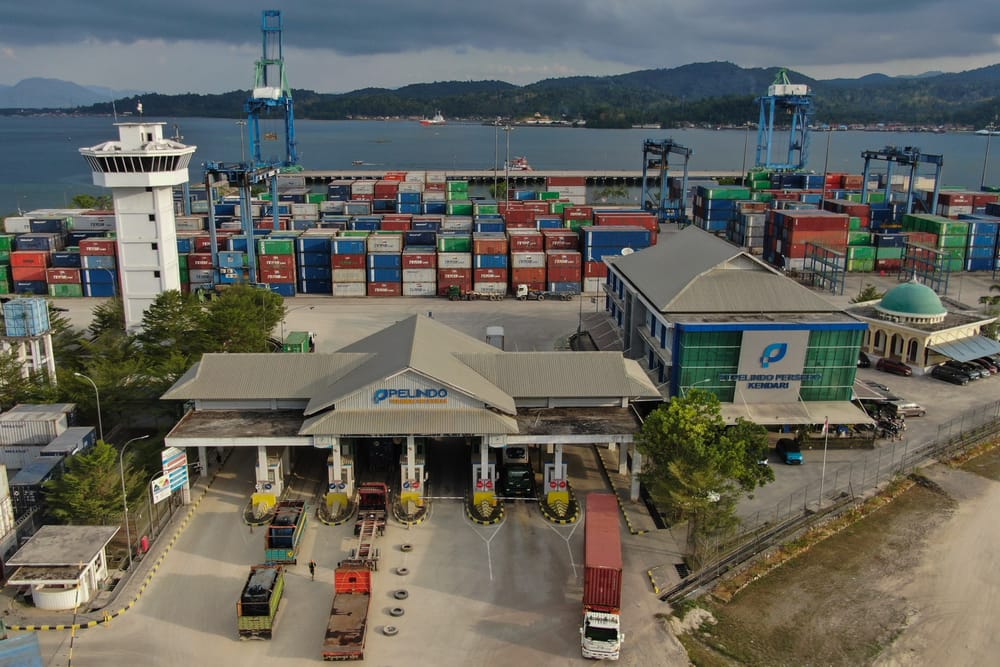
With speedy ratification, logistics reforms, certification subsidies, and SME assistance, IEU-CEPA could be an important milestone in bringing Indonesian products deeper into the global market, not just to sell, but also to build a more sustainable and competitive industry.