

The main problem in Indonesia's employment sector today is not related to the availability of jobs, but rather the availability of quality jobs, which are expected to have an impact on increasing people's purchasing power and quality of life.
"The real problem in Indonesia is not the unemployment rate, but whether the available jobs are of sufficient quality to provide a decent income," said Deni Friawan, an economist at the Center for Strategic and International Studies (CSIS).
According to him, what is happening in this sector is that the number of people working in the formal sector is steadily declining. "This is because the industrial sector, especially manufacturing, has not grown in recent years," he said.
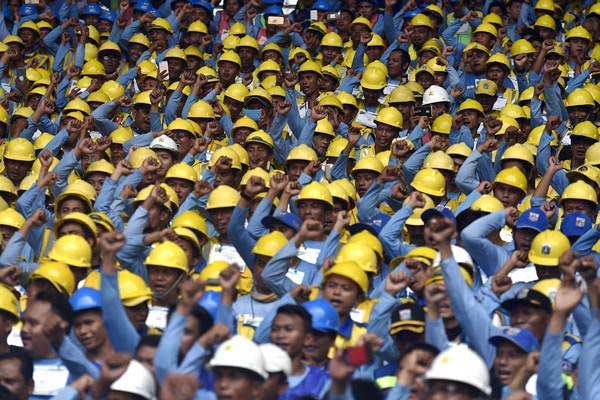
The data also shows that around 47 million Indonesian workers are currently not working full-time. In fact, the number of part-time workers with limited working hours and irregular incomes has actually increased.
This does not indicate an achievement, but rather raises alarm bells regarding the quality of job creation. The large number of people working in the informal sector also proves that jobs in the formal sector are still not available.
"People are forced to work. So whether they want to work part-time or not, the important thing is to work. Because in Indonesia, in my opinion, unemployment is a luxury, only rich people who have money or whose families are able to support them can afford to be unemployed. Meanwhile, people who don't have that ability are forced to do any kind of work, including part-time," he said.
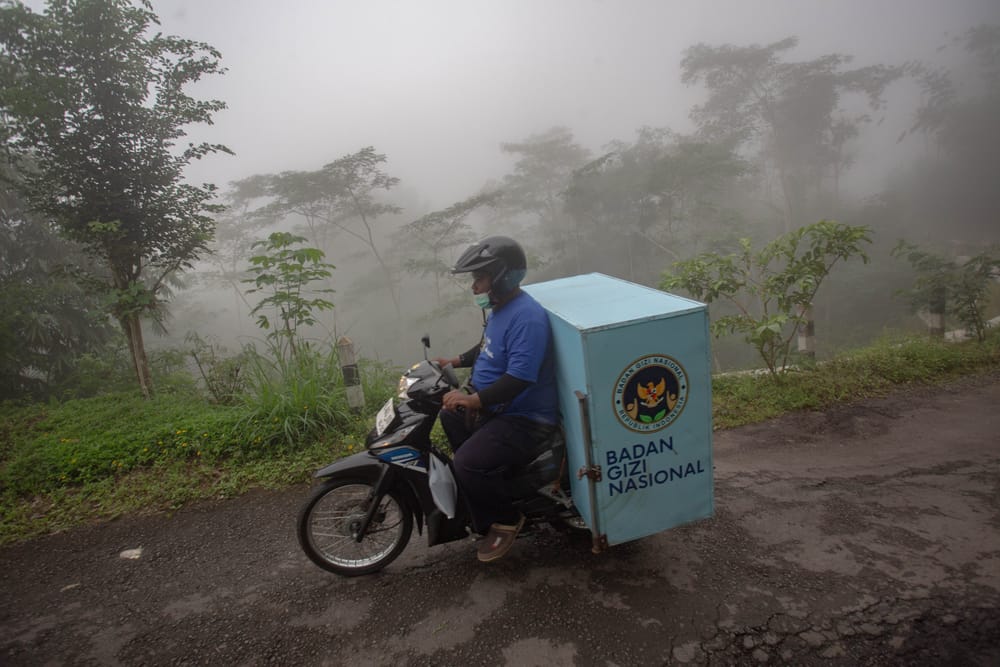
On the other hand, government programs such as Free Nutritious Meals (MBG), Merah Putih Cooperatives, and People's Schools, which are claimed to be able to absorb labor, are also considered to be ineffective within this past year. The impact on the community's economy is also said to be not very noticeable.
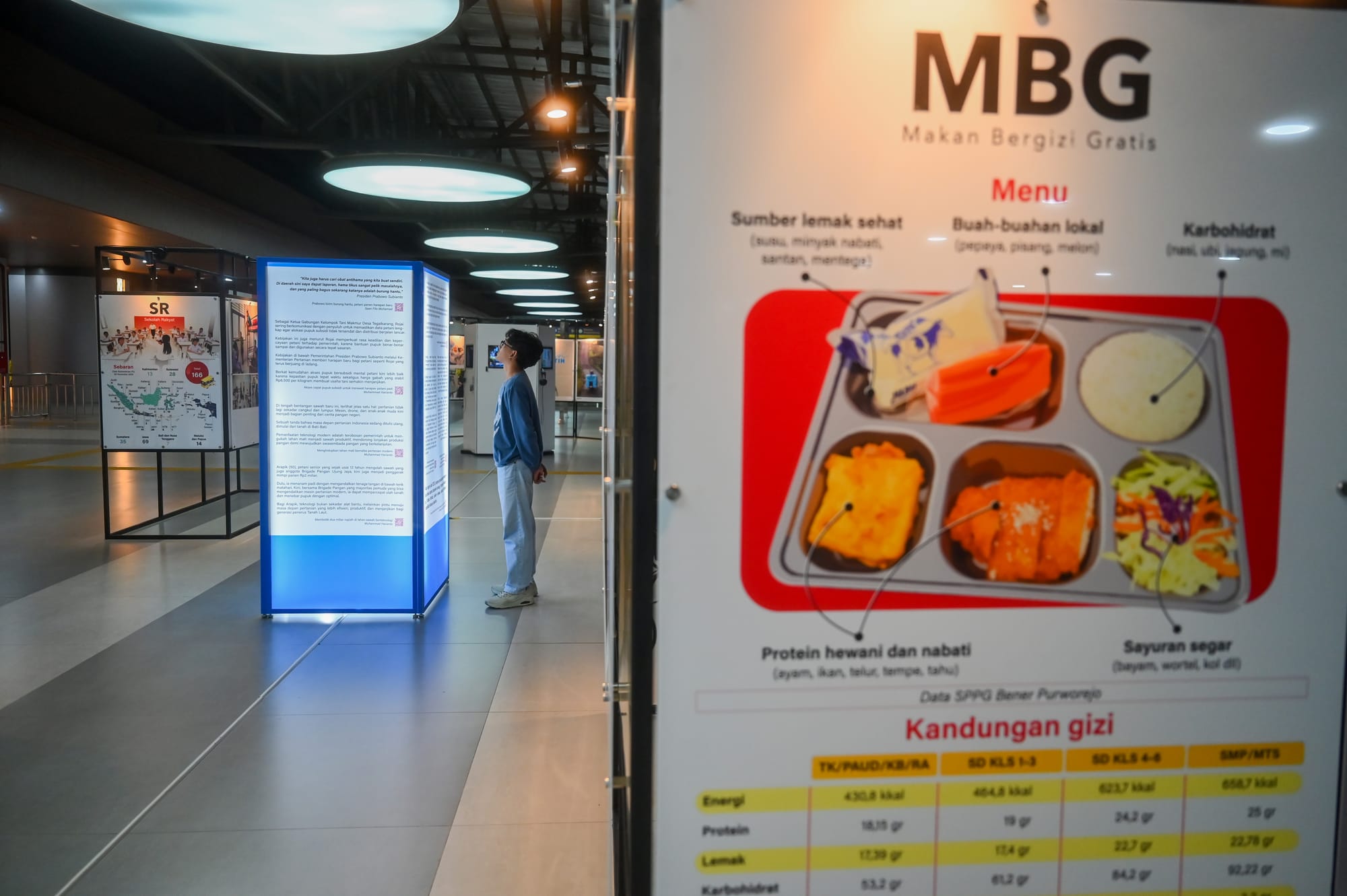
"Because the program's significance to the economy is still not felt, right? For example, only a few percent of the funds have been utilized. Ultimately, its impact in terms of creating jobs has not been significant," said Deni.
According to him, this labor-related issue is a derived demand, whereby businesses will hire workers when their operations are running smoothly and they are able to sell their products. However, currently, there is still no demand in the business world. "Ultimately, entrepreneurs are unwilling to recruit additional workers," he explained.
On the supply side, the demographic bonus is now at its peak. It is estimated that every year there are around 1.8 million to 3 million new workers from high school or college graduates entering the job market. Meanwhile, the economy's current growth capacity, which has only reached 5%, is not yet able to absorb all of this labor supply. Moreover, the investments that are coming are capital intensive.
To overcome this problem, the government must stimulate labor-intensive sectors, for example by providing incentives or other measures to create high demand.
"On the supply side, there needs to be an improvement in the quality of workers' skills. This is because there is a skills mismatch, where workers are not suited to the needs of the business world," he continued.
Even so, the most urgent task at present is to create jobs first to ensure job availability. "The most important thing right now is to improve demand, where there is economic growth in more labor-intensive sectors," he said.
Job quality vs. employment
The Head of the Employment Planning and Development Agency (Barenbang) of the Ministry of Manpower, Anwar Sanusi, agrees that there are indeed major problems in Indonesia's employment structure. Such as the issue of unemployment rates being more concentrated in urban areas. "The national average is 4.76%. In villages, it is around 3.3%, while in cities it reaches 5.73%," he said.
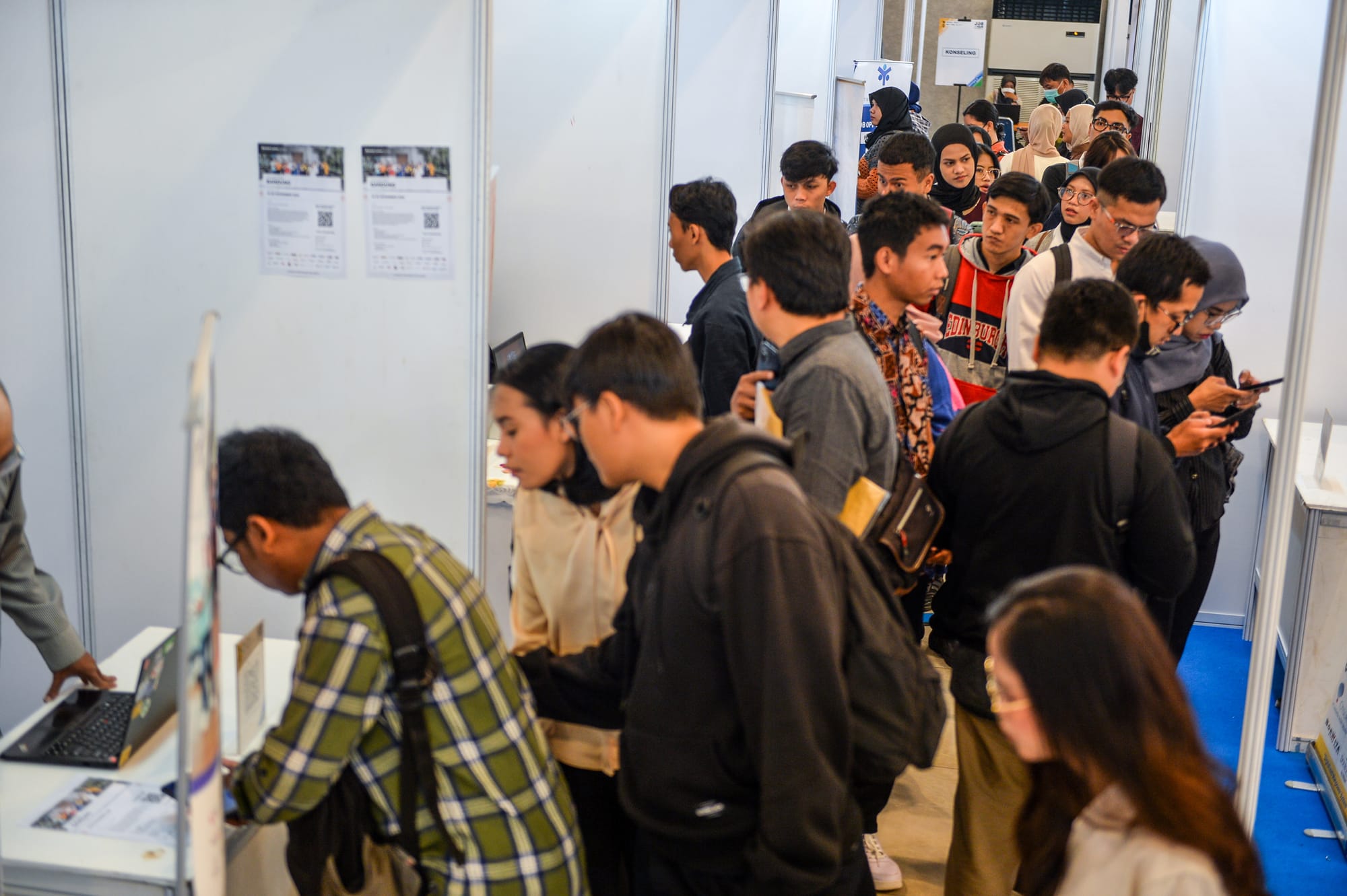
Although jobs are relatively available in villages, especially in the agricultural sector, the problem lies in the attractiveness of these jobs to the young workforce. "The problem lies in meeting basic needs. That is what makes jobs in villages less attractive to young people," said Anwar.
This phenomenon has led to large-scale migration from rural areas to cities, and even abroad as migrant workers. As a result, the agricultural sector is experiencing a human resource crisis. "This is a serious issue for us. Agriculture still employs a large workforce, but it is losing its regeneration," he said.
In terms of workforce preparation, the government has noted positive shifts. The education level of the workforce is slowly increasing. The proportion of workers with low education is beginning to decline, while the number of higher education graduates is increasing. "The number of working people with higher education is increasing. This is in line with their average wage, which reaches around Rp 4.35 million," said Anwar.
On the other hand, workers with a junior high school education or below still receive an average wage of less than Rp 2 million. According to Anwar, this disparity remains a structural problem that needs to be addressed. "This is what we need to pay attention to. The wage disparity is still quite wide," he said.
On the other hand, amid the growth of the digital economy, labor regulations have not been able to fully keep pace with changes in the nature of work. "There is still a legal vacuum for new types of digital-based work. The content is there, but it is not yet complete," he said.
The absence of regulations has an impact on job security and social protection for digital workers, especially in terms of employment social security.
Regarding the quality of the workforce, Anwar emphasized that the role of the Ministry of Manpower is not to create jobs directly, but to build a healthy employment ecosystem, from human resource development to job protection. "We design training based on the needs of the job market, using project-based learning methods," he said.
One of the flagship programs is the National Internship Program, which targets fresh graduates with no work experience. "They intern for six months, receive an allowance equivalent to the minimum wage, and social security protection. This is to reduce the mismatch between education and industry needs," said Anwar.
He also highlighted the low productivity of Indonesian workers compared to other ASEAN countries. To that end, the Ministry of Manpower has prepared 500 productivity improvement trainers and designed productivity clinics in job training centers. "Productivity must be appreciated. One of the ideas we are promoting is productivity-based wages," he said.
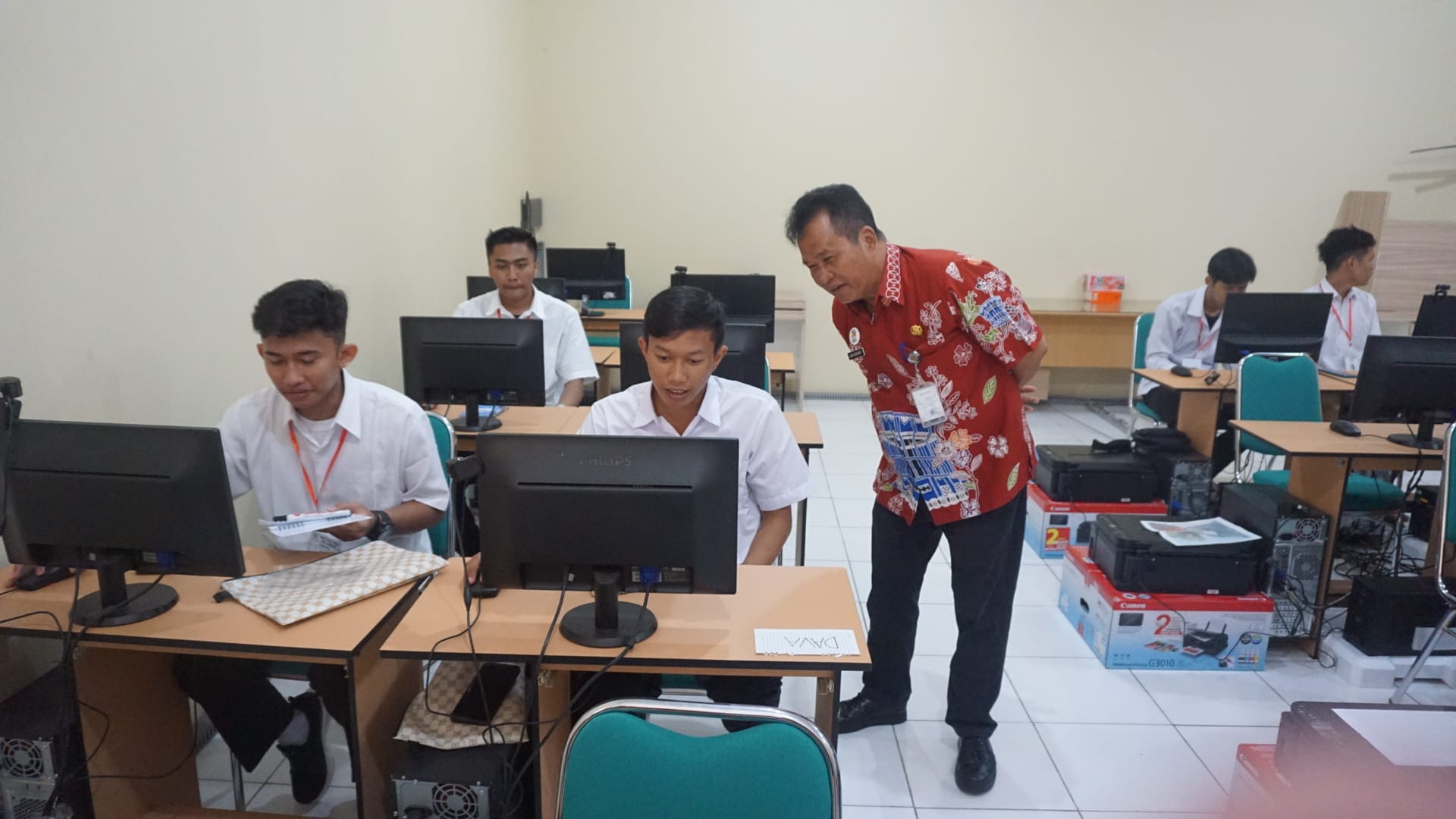
Anwar acknowledges that automation and digitization are inevitable, even though they have the potential to reduce employment in some sectors. "That's why reskilling and upskilling are a must. We must not let our workers fall behind because they are slow to adapt," he said.
The same applies to the transition to a green economy. Without adequate human resource preparation, green job opportunities could be enjoyed by workers from outside the country.
Stagnation of the formal sector
Head of the Population Research Center at the National Research and Innovation Agency (BRIN) Nawawi Asmat warned about the stagnation of the formal sector's contribution. Based on employment data, the proportion of formal workers in the last two years has remained at around 42% (BPS data), and has not even returned to pre-pandemic levels. "In 2019, our formal sector reached 44%. But until now, it has not returned to that figure. This means that the majority of workers are still absorbed in the informal sector," he explained.
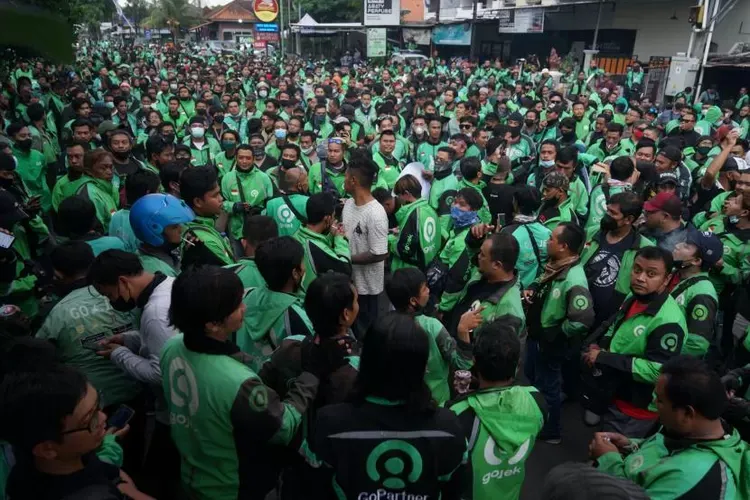
According to Nawawi, the sectors that have absorbed the most workers recently include agriculture and transportation. In the transportation sector, rapid growth has occurred in platform-based jobs such as online motorcycle taxi drivers and online project workers.
"It does absorb labor, but it is informal and vulnerable," said Nawawi. "So quantitatively it looks good, but the quality is still weak."
The Prabowo administration is promoting various large-scale programs, ranging from Free Nutritious Meals (MBG), People's Schools, to the Red and White Cooperative, which are claimed to be capable of creating millions of jobs. However, Nawawi believes that not all of these programs can be seen as direct solutions to the problem of unemployment.
"Programs such as MBG, Sekolah Rakyat, or Sekolah Garuda are actually more about long-term human resource development and poverty alleviation," he said. He emphasized that when it comes to creating a large number of jobs, national strategic projects such as mining downstreaming and infrastructure development are more relevant.
"Downstreaming of nickel, coal, oil and gas, forestry, and fisheries are the sectors that actually absorb labor, both directly and indirectly," said Nawawi. However, Nawawi also warned that some of the government's labor-intensive programs, including MBG, have the potential to increase the number of underemployed workers.
"They do work, but their working hours are not full-time. Many only work three to four hours a day, so they fall into the category of part-time workers or underemployed," he said.
Currently, around 34 million workers in Indonesia are registered as part-time workers. This includes highly educated workers who have not yet found permanent employment and have ended up entering the gig economy sector.
Lack of social protection
Another issue that is considered crucial is the low level of social security protection for workers. Nawawi said that even in the formal sector, social security coverage is still far from ideal.
"Of the total formal workers, which is around 42%, only about half are covered by BPJS Ketenagakerjaan," he said. "In the informal sector, it is even worse, with only around 2% covered."
According to Nawawi, the biggest challenge is not only a matter of regulation, but also the way society views social security. "Our workers do not yet see social security as an asset. Even though the contribution is small, around Rp 18,000 per month, the benefits are enormous," he said. "The problem is that our orientation is still short-term."
Going forward, the Indonesian job market will also face automation and the transition to a green economy. However, Nawawi believes that the readiness of the national workforce still lags far behind.
"We are still dominated by a workforce with lower secondary education. However, in the future, digital literacy and even AI literacy will be needed," he said.
He cited theelectric vehicle (EV) sector, which is projected to be a major contributor to jobs in the green economy. Unfortunately, domestic workforce training has not yet addressed this need.
"EV manufacturers such as BYD and Hyundai have finally built their own training centers because they couldn't find qualified technicians," said Nawawi. "Our vocational training centers have not kept up with technological developments."
Another classic problem is the weak connection between the education sector and industry. Nawawi believes that the link and match program has not been running optimally. "Large campuses may have connections, but most of our universities do not," he said. "As a result, large companies choose to train their own workforce."
He highlighted that apprenticeship programs still do not massively target the private sector, even though companies should be the main actors.
Improvement of human resource quality
Nawawi also emphasized that future job creation success depends on serious investment in human resources. "Every year, there are around 3.5 million new workers entering the workforce. If jobs are not created for them, they will become the new unemployed," he said.
According to him, the government needs to balance short-term and long-term strategies: creating labor-intensive jobs to absorb the current workforce, while also developing training and education systems that are relevant to future needs.
"Otherwise, the economy may grow, but it will be foreign workers who reap the benefits," said Nawawi. He also emphasized the importance of equal distribution of job training facilities, especially outside Java.
"Our vocational training centers and training centers are still concentrated in Java and Sumatra. Kalimantan, Sulawesi, Papua, and NTT still have very few. Yet that is where the future workforce potential lies," he said.
The issue of workforce competence is now considered too urgent to be left unresolved. In the food and beverage industry, for example, which is currently undergoing digitalization and automation, it is becoming difficult to find workers with the right skills.
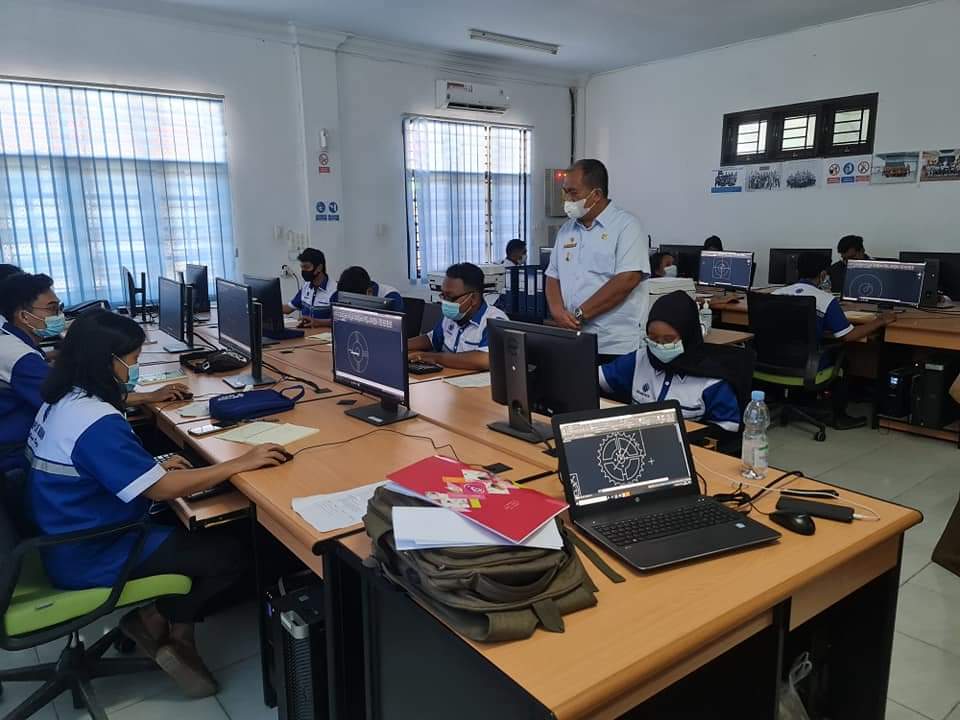
"Many people want to work, but their skills do not match current technological needs," said Adhi Lukman, Chairman of the Indonesian Food and Beverage Entrepreneurs Association (Gapmmi). He believes that the curricula of technical schools, vocational schools, and vocational colleges need to be updated to align with industry needs.
Adhi also dismissed concerns that increased automation would reduce employment. According to him, without automation, Indonesian industries would lose their competitive edge and risk closure, which would ultimately eliminate even more jobs.
"With automation, productivity increases and companies can expand. Although the need for labor per unit of production decreases, expansion keeps total employment high," he explained.
Automation is also still dominated by medium to large companies. Meanwhile, the majority of food and beverage industry players are SMEs and medium-sized companies, so automation is not yet evenly distributed.
The key lies in revitalizing UMKM
Despite fiscal incentives and various policies to facilitate and encourage a favorable business climate in Indonesia, according to public policy observer Adib Miftahul, implementation has not been sufficiently effective or widespread.
He believes that in the informal sector, the government needs to encourage its citizens to become entrepreneurs by establishing UMKM. Meanwhile, capital assistance from the government to UMKM been distributed evenly and fairly.
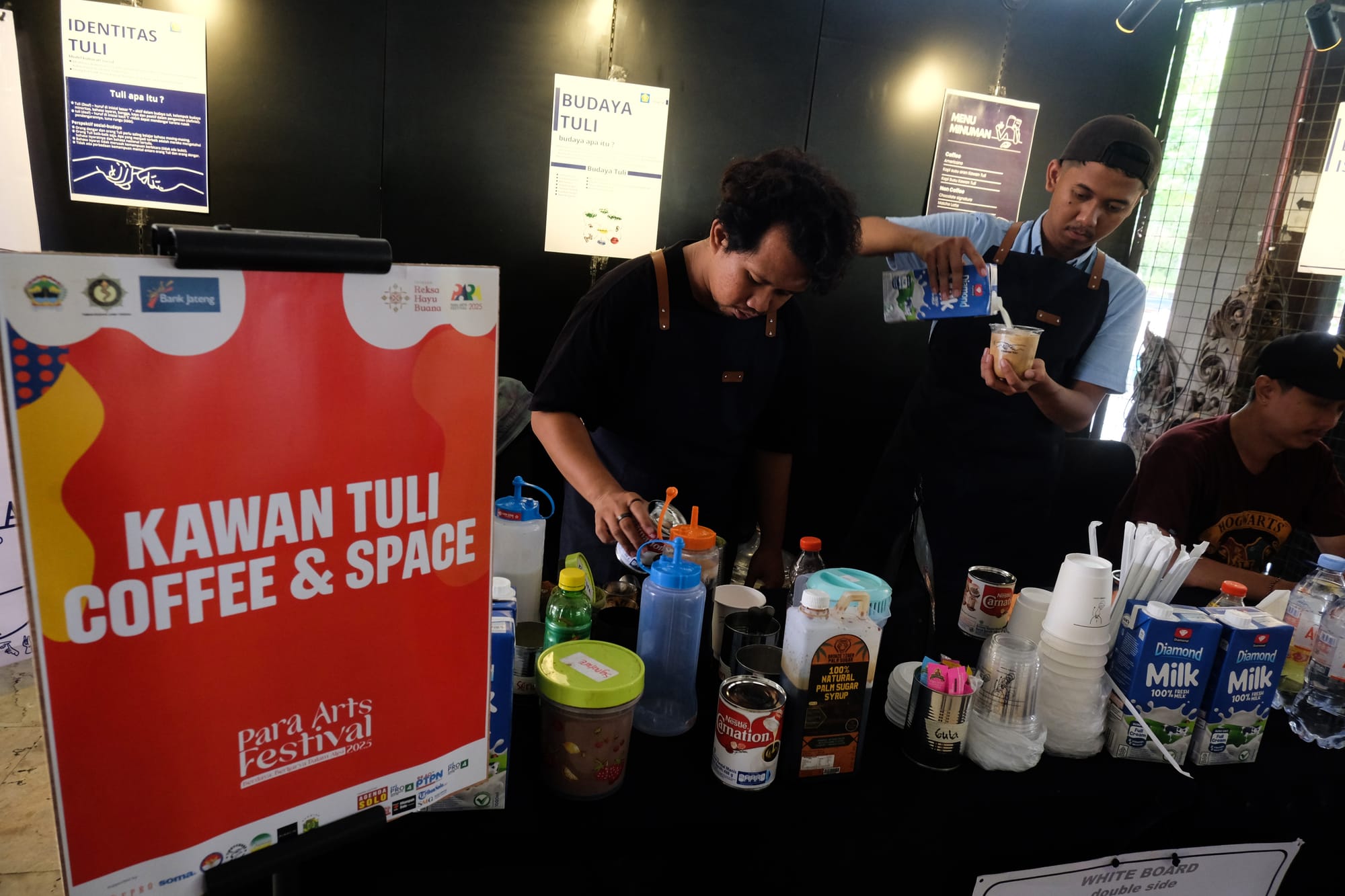
UMKM enterprises UMKM are owned by the lower-middle class still face difficulties in obtaining capital assistance from the government to improve the quality of their businesses.
UMKM are vulnerable becauseUMKM have no jobs, are still small in scale, and have no collateral. "So the recommendation is for the government to map out UMKM need assistance and what kind of assistance UMKM need. There must be revolutionary steps taken in this regard," he explained.
Many UMKM entrepreneurs UMKM victims of layoffs. According to Adib, they are the ones who should receive assistance and be the focus of the government's capital assistance program.
"UMKM must have backup from the government. In terms of capital, I think this is the most important thing when it comes to overcoming unemployment," he explained.
Mukhlison, Dian Amalia, Gema Dxikri