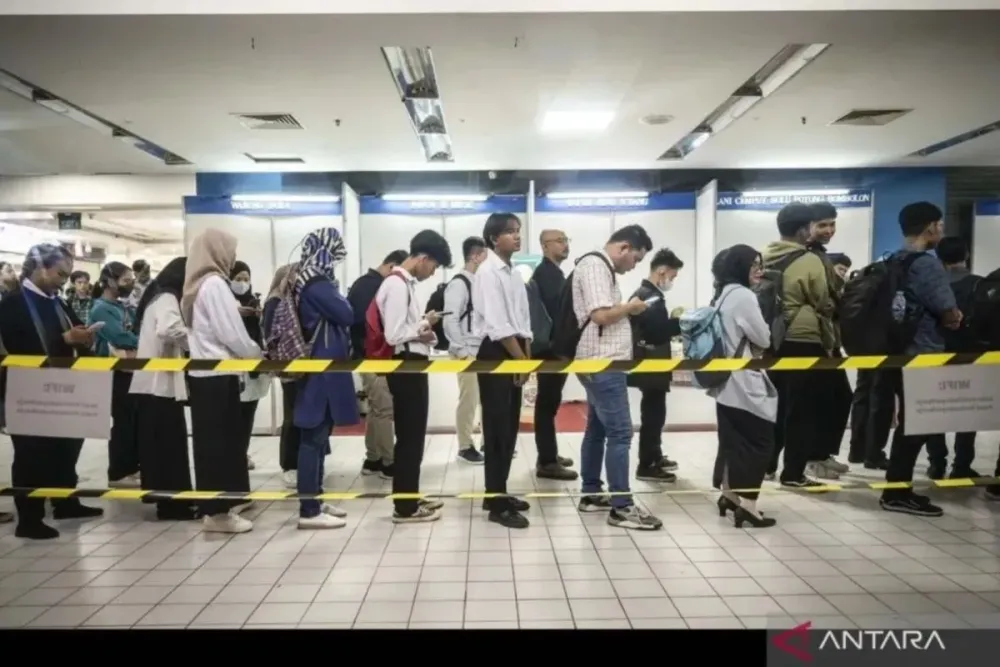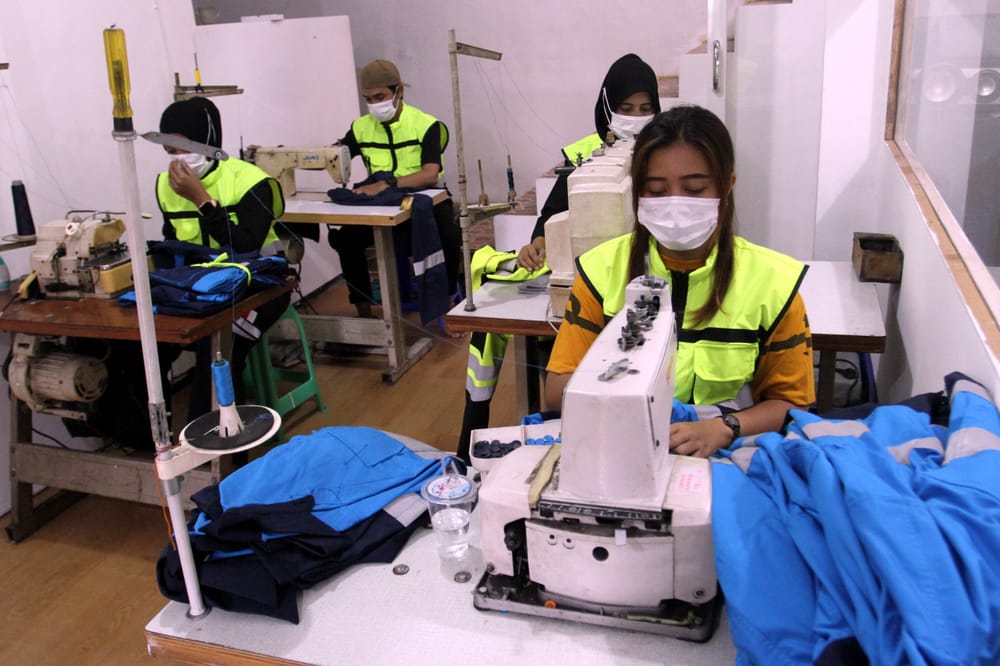

A number of Special Economic Zones (SEZs) in Indonesia have proven that downstreaming policies and SEZ development have successfully attracted global investment, strengthened exports, and opened up great opportunities for the emergence of new economic growth centers in various regions.
SEZs are not just production zones with all kinds of facilities provided by the government. SEZs are a kind of new ecosystem supported by a complementary community.
In order for SEZs to optimally boost the economy, several improvements need to be made:
- Establishment of clear regulations and uniform interpretation in the enforcement of rules.
- Orchestration in the selection of clear policies from institutions and agencies from the central to regional levels.
- Supportive ecosystem and policies.
- Increasing the number of SEZs spread across many regions to become new economic drivers.
- Opening up opportunities for cooperation with a wider variety of SMEs that are more suited to the existing industrial landscape.
Read the review here.
On the other hand, the Health SEZ has great potential to become a significant economic driver.
This sector is expected to drive change in the country's healthcare industry landscape.
- Shifting dependence on imports of medical equipment and raw materials for medicines to domestic sources.
- Reducing foreign exchange spent abroad, while also becoming the main destination for prospective patients from abroad.
- The existence of equitable health services in Indonesia.
The Ministry of Health and the Indonesian Chamber of Commerce and Industry (Kadin) have formulated various measures to ensure that the health sector's annual expenditure of around Rp 640 trillion can be served domestically. Read the review here.
By developing the healthcare manufacturing industry in Indonesia, it is hoped that economic growth in the healthcare sector can occur domestically and create significant employment opportunities.