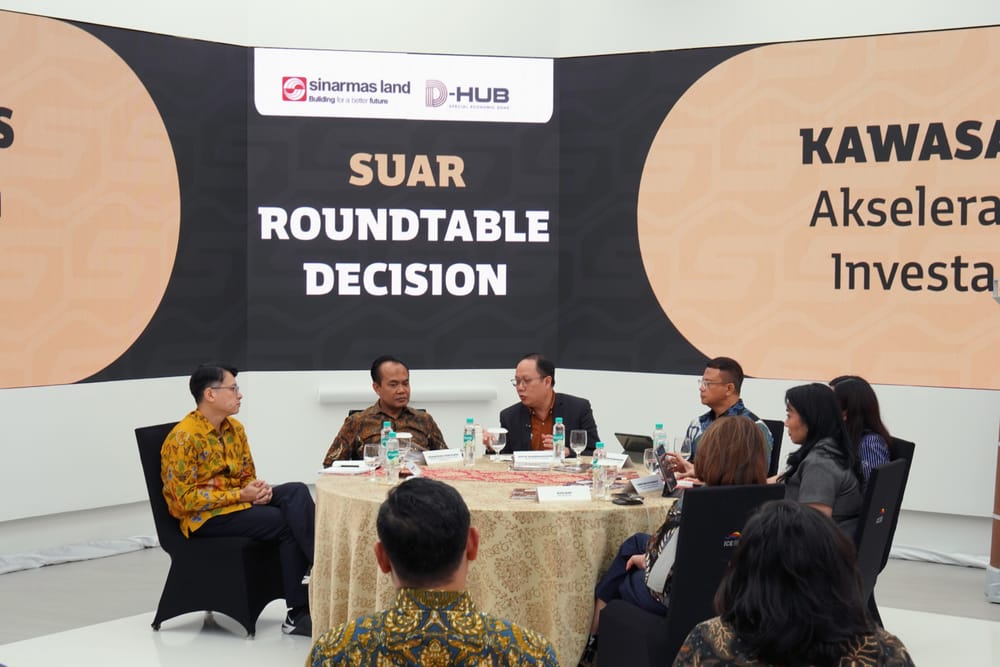
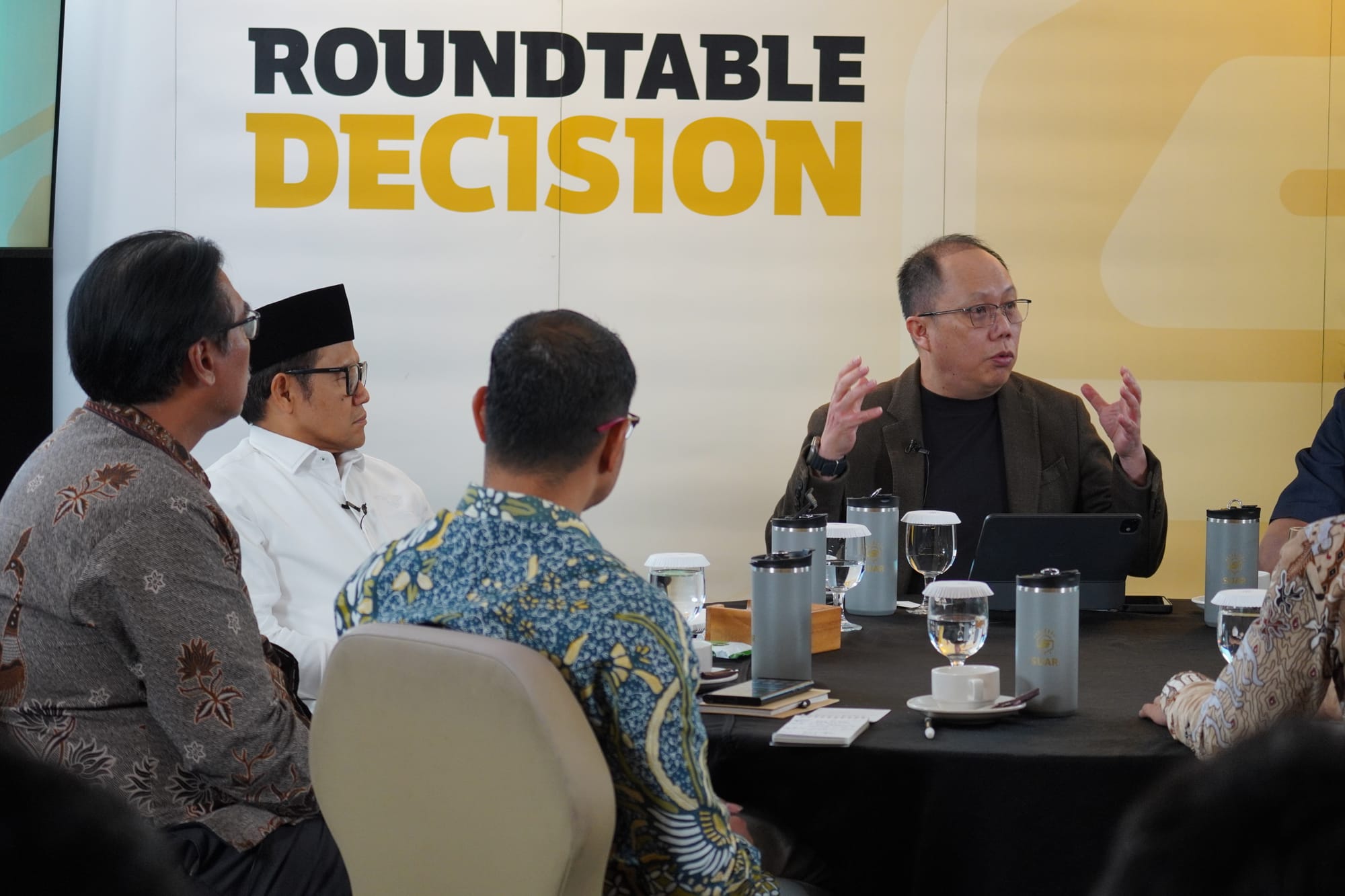
SUAR held a Roundtable Decision: The Economic Power of Indonesian Migrant Workers on Thursday (18/9/2025) in Jakarta. Present as speakers: Coordinating Minister for Community Empowerment Muhaimin Iskandar, Member of Parliament & Chairman of Panasonic Gobel Rachmat Gobel; Director General of Promotion and Utilization of Overseas Employment Opportunities of the Ministry of Protection of Indonesian Migrant Workers (P2MI) Dwi Setiawan Susanto; and Director of Protection of Indonesian Citizens of the Ministry of Foreign Affairs Judha Nugraha.
Also present as speakers were Chairman of the Employment Division of the Indonesian Employers Association (Apindo) Bob Azam; and Staff of Legal Aid Division, Migrant Care Yusuf Ardabil. The event was moderated by the Editor-in-Chief of Suar.id Sutta Dharmasaputra.
There were several points that became the common thread of the discussion. One of them is that migrant workers can no longer only be seen as foreign exchange heroes, or instant solutions to reduce unemployment.
But more than that, migrant workers are a force to be able to double the skills of Indonesia's human resources to prepare technology transfer from developed countries to the country, as well as become the motor of Indonesia's future economy.
There are several points that can be learned from the discussion during the discussion, among others:
- Synchronize vocational curriculum with market needs.
- The importance of the involvement of universities, which are considered better equipped to produce skilled labor.
- System strengthening should cover the entire cycle of migrant workers, from data, recruitment, departure, to return.
Read more here.
In addition, there are three main approaches currently being taken by the government in managing the migrant worker ecosystem.
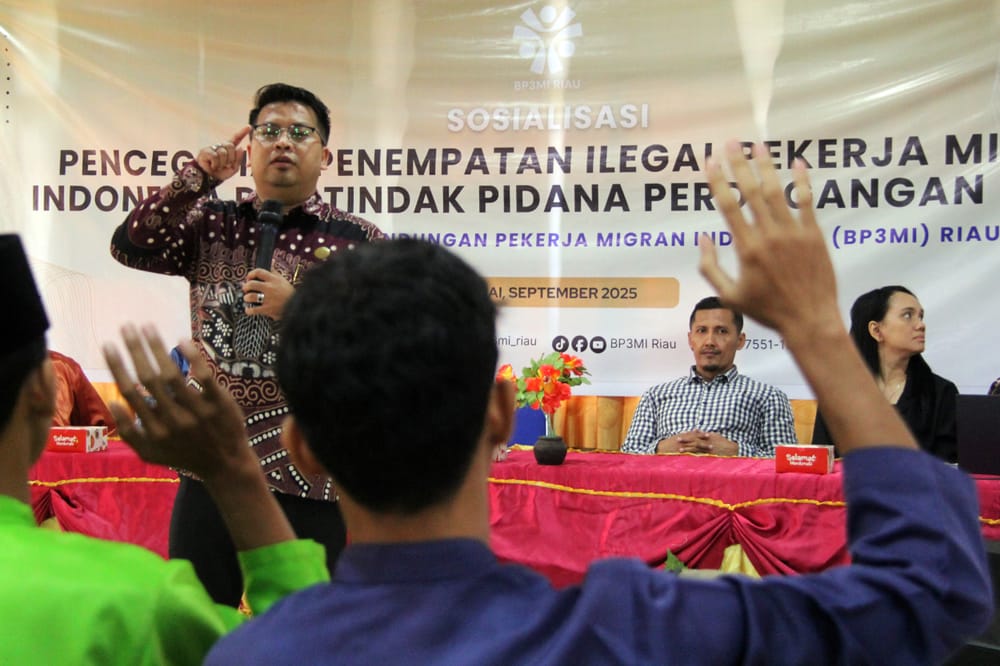
- Paradigm shift. Based on Law No. 18/2017, the state no longer mobilizes workers, but facilitates citizens who want to work abroad.
- Enhanced training that covers not only technical skills, but also the language, laws and culture of the destination country.
- Post-placement empowerment. Many migrant workers return home with substantial savings, but these end up being spent on consumption.
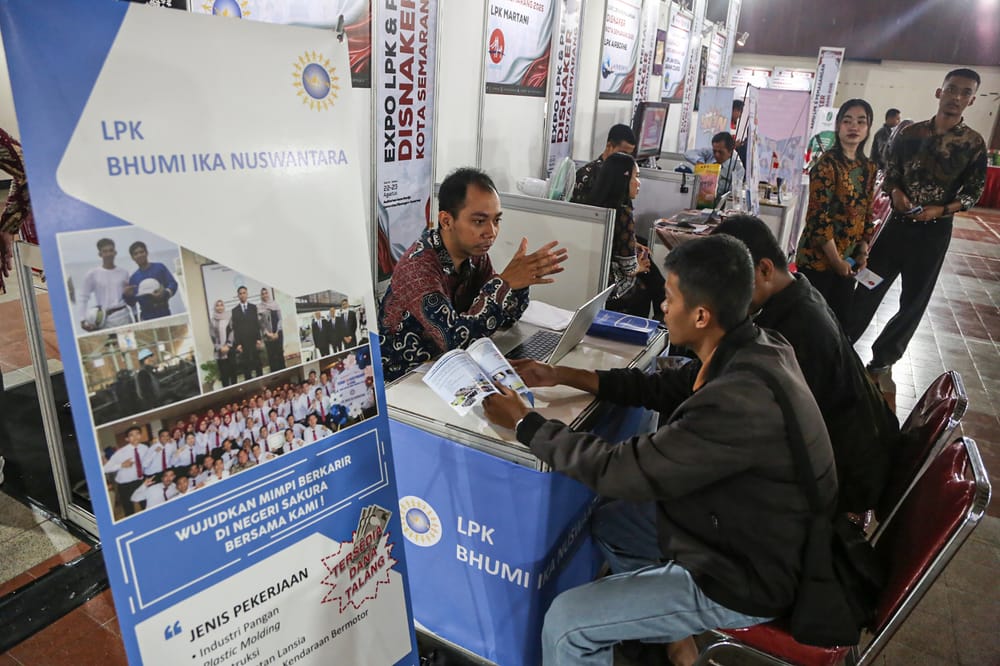
On the other hand, the management of the migrant worker sector also needs to target workers with sufficient skills. Through training that is tailored to the needs in the placement country.
Read more here :
Also read some of SUAR 's reviews on migrant workers:
 Mukhlison Widodo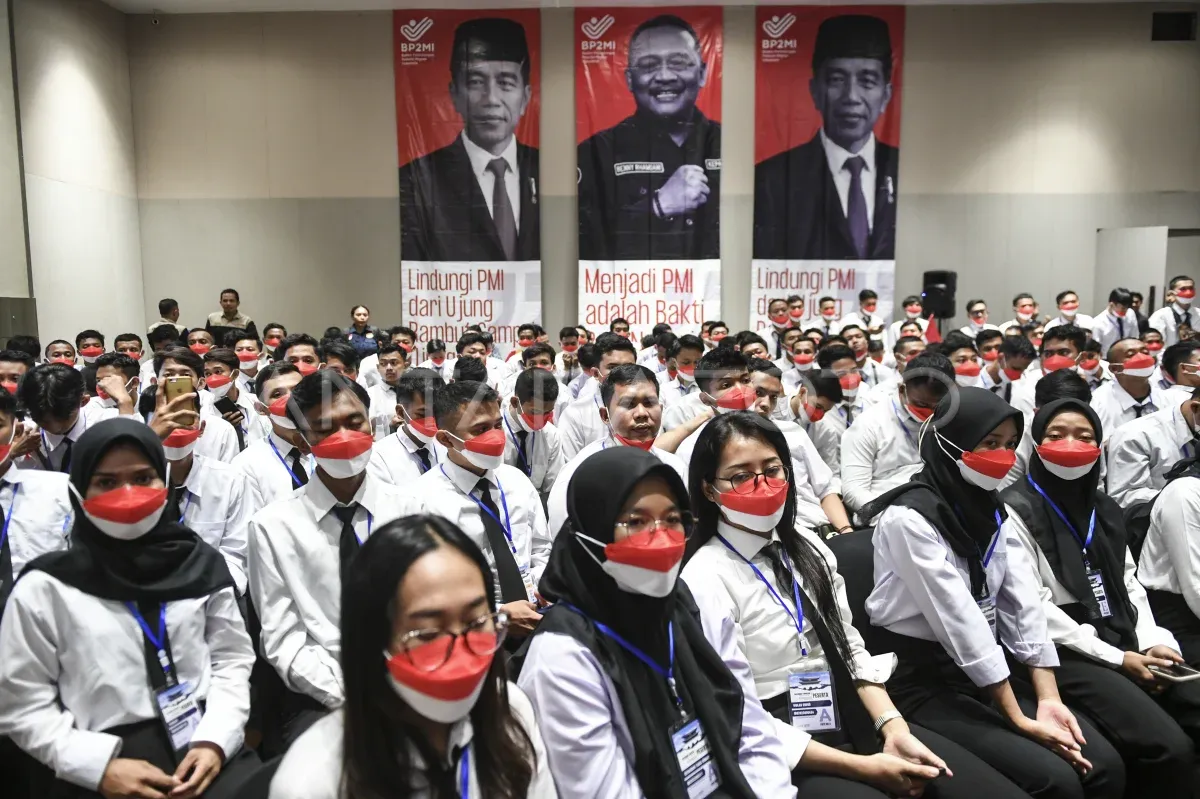
 Mukhlison Widodo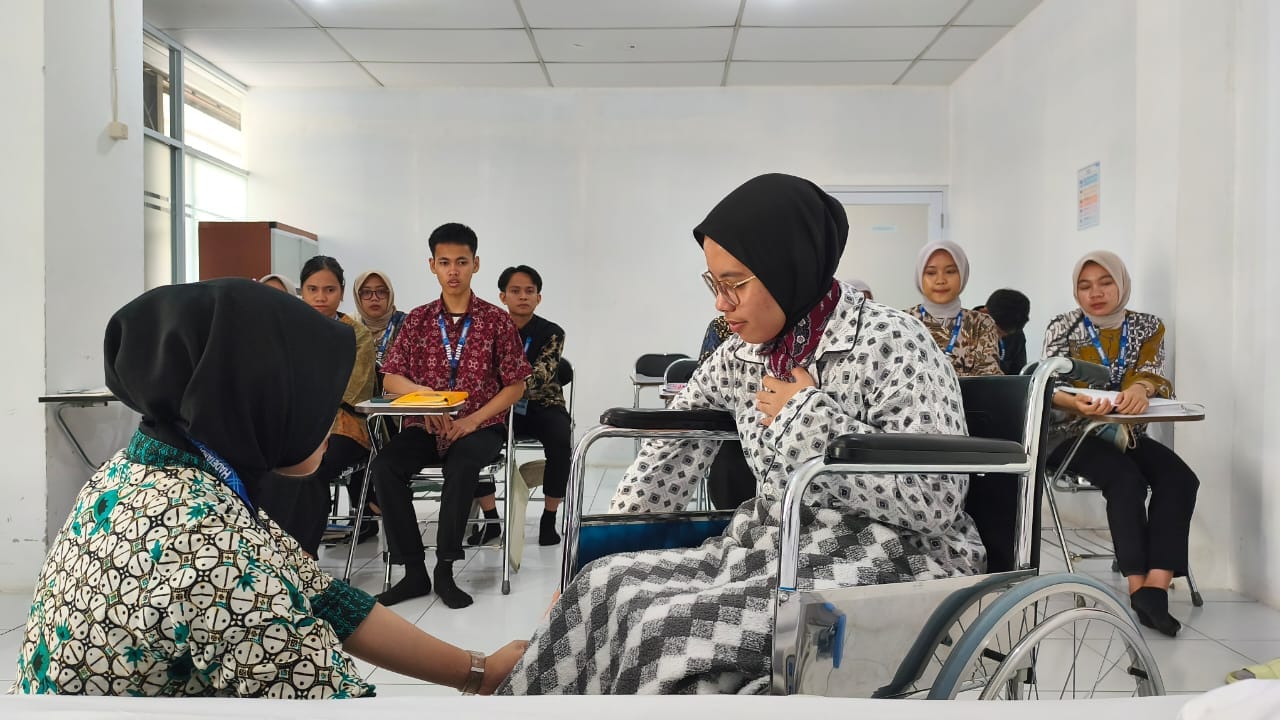
 Mukhlison Widodo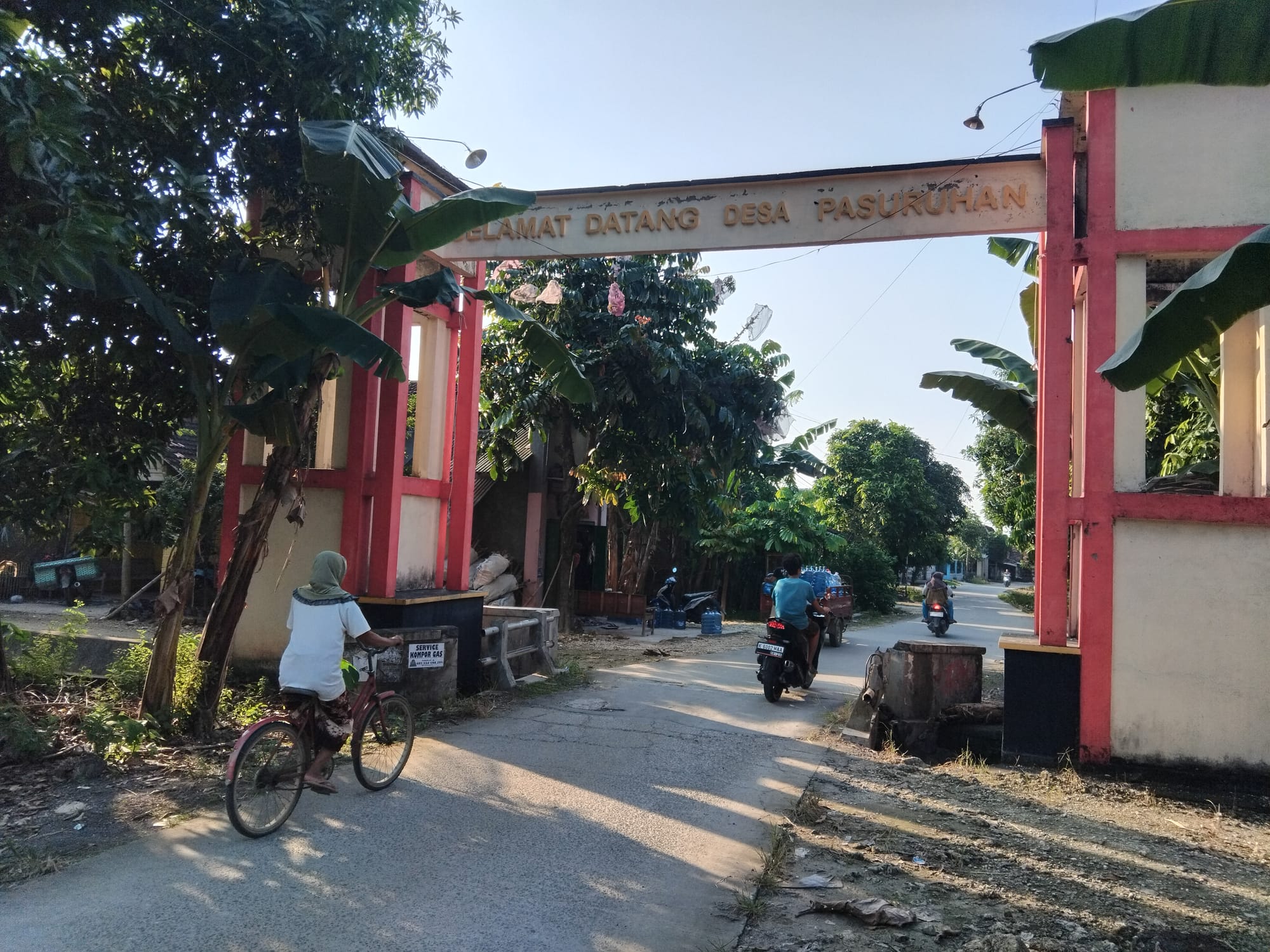
And now, it is time for Indonesian migrant workers to be positioned as Indonesia's new agents abroad. They are not only earning a living, but also absorbing knowledge, skills, and work ethic to bring back home.
Download the full review of migrant workers by the Suar Team here: