The property sector is facing pressure due to declining purchasing power, but is surviving through diversification strategies, incentives, and financing innovations.
The government has actually provided many incentives. However, there are still some rules that are considered counter-productive to the performance of this sector.
Some of the issues that are considered inappropriate include the implementation of the policy on protected paddy fields (LSD) and raw rice fields (LBS). Public infrastructure and facilities, which must be transferred to local governments, but in fact are often neglected.
Read a review of the issue here.
In addition, the biggest problems of the property industry are several things, such as:
- Decline in home purchases via mortgages. There was a decline of 1.86% in early 2025 compared to the previous period, although mortgages still dominated 72.54% of property transactions.
- The increase in Bank Indonesia's benchmark interest rate to 6.25% had a direct impact on mortgage interest rates and suppressed people's purchasing power.
- Land prices continue to rise and incentives are uncertain. As a result, land costs continue to rise. The lack of clarity on tax incentives makes the burden on developers even heavier.
The following summarizes the efforts of the Indonesian property sector in facing the challenges of declining purchasing power in 2025:
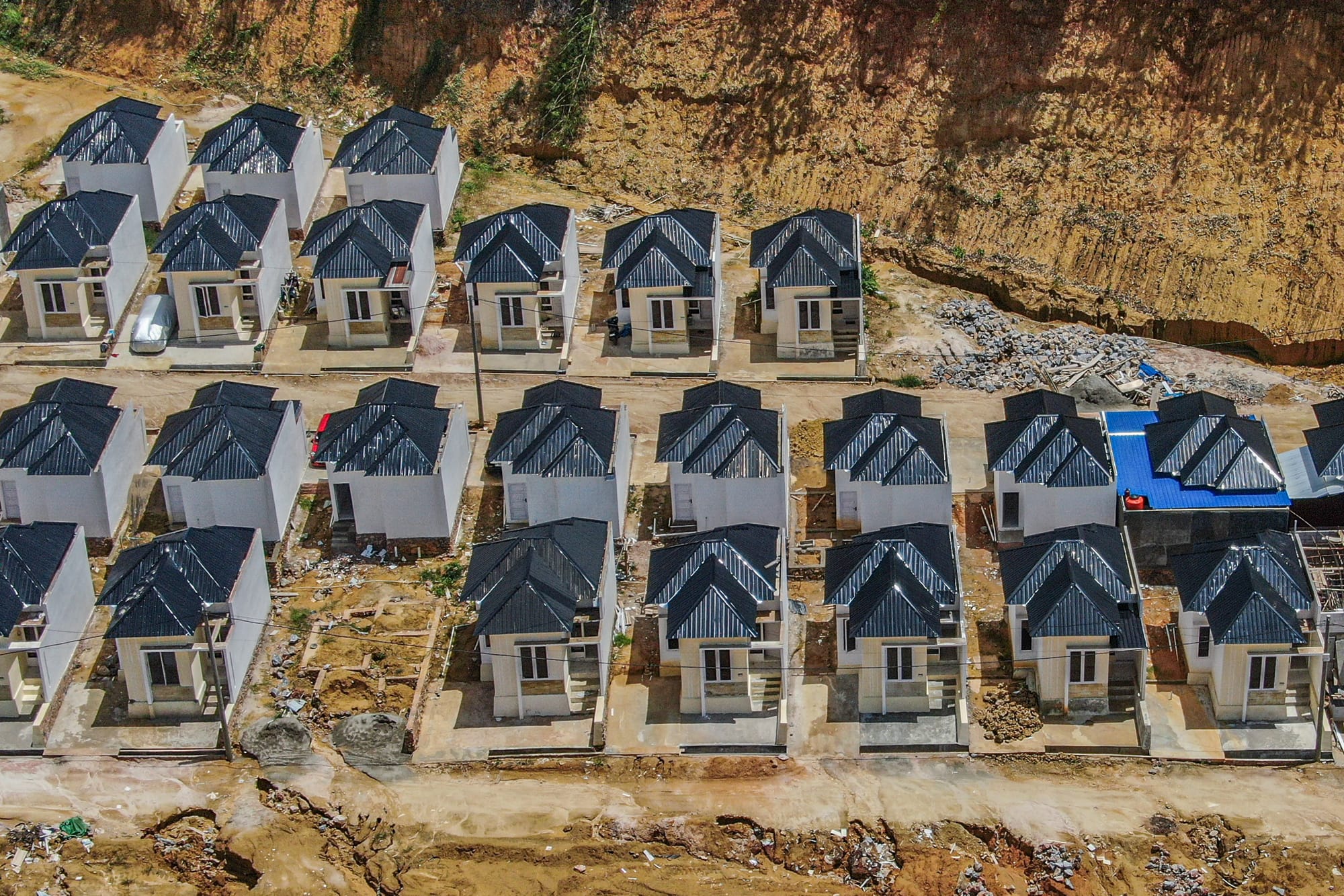
- Product diversification: Developers have started offering more affordable housing, such as subsidized houses and small apartments, to reach the lower-middle segment.
- Financing innovation: Gradual installment schemes directly to the developer (in-house), low down payments, and long tenors are alternatives to attract consumers who find it difficult to access conventional mortgages.
- Digitalization of marketing: Utilization of digital platforms and virtual exhibitions to reach a wider market more cost-efficiently.
- Long-term optimism: Despite major challenges, industry players continue to believe that property prices will rise in the long term, encouraging them to remain active in developing new projects.
The government and private sector need to work together to create fiscal and regulatory incentives that support purchasing power, such as mortgage interest subsidies or VAT exemptions for first homes.
Expanding access to Islamic financing and housing cooperatives can be an inclusive alternative amid economic pressures.
Then what solutions have been offered, see the review here also here.