Clarity has arrived, though not a welcome one. On August 7, 2025, the U.S. government officially imposed an import tariff of 19% on products from Indonesia.
Trade Minister Budi Santoso said that although the tariff is already in effect, Indonesia is still pressing Washington for exemptions on select commodities not produced in the U.S.. “We are pushing for 0 percent,” he said. Budi stated that the government is targeting to conclude negotiations before September 1, 2025.
From the perspective of businesses and industry, government protection is very much needed. Incentives and initiatives to open new markets are seen as short-term solutions.
Industry Expectations
- Rapid, coordinated deregulation across ministries and agencies.
- Easier licensing, environmental impact assessments (AMDAL), SNI compliance, access to renewable energy, smoother export–import procedures, and regulatory certainty on minimum wages.
- Immediate government incentives: electricity discounts, tax relief, and access to renewable energy.
- Vigilance against a surge of competing imports entering Indonesia from countries such as Vietnam and India.
- Government should prioritize fiscal incentives to maintain competitiveness; lowering production costs via electricity discounts or tax relief is seen as more realistic.
Tariff Effects on the Industry
- Indonesian products will become more expensive in the U.S. market.
- Markets will narrow and competition—especially domestically—will intensify, while protection for local products remains inadequate.
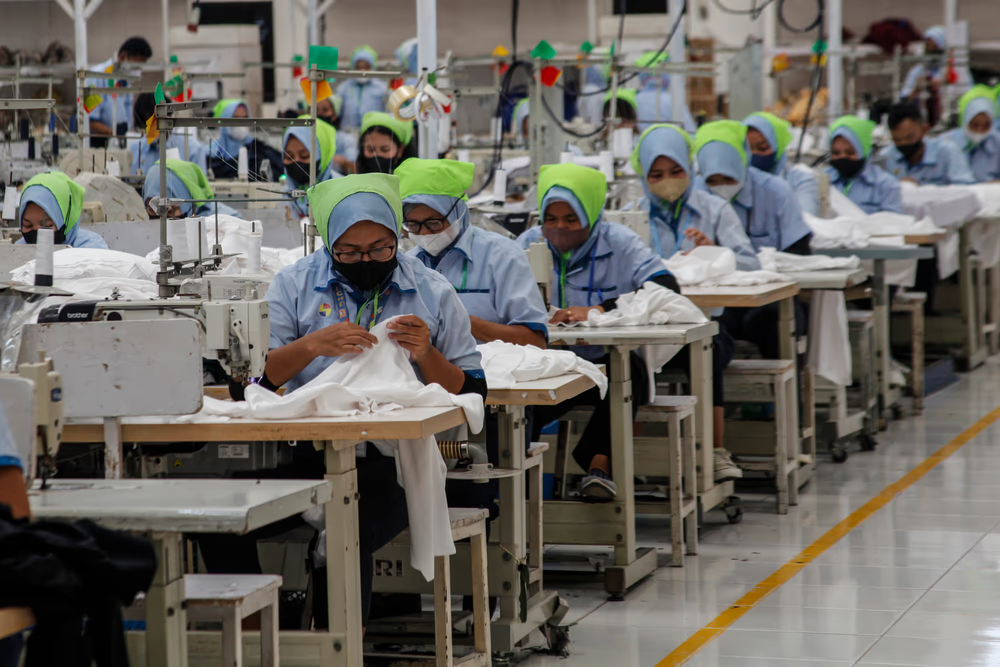
- MSME products such as handicrafts, processed foods, and textiles could lose market share due to weaker competitiveness.
Finding a Way Out of the Tariff Hit
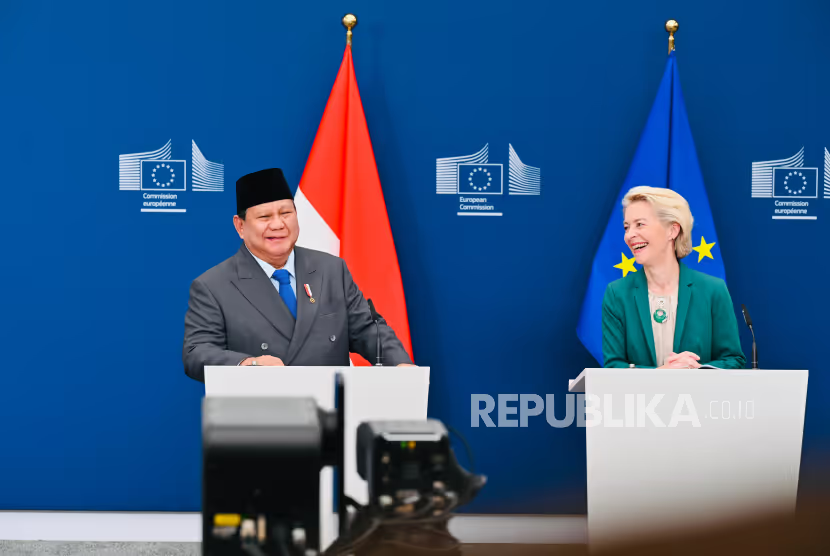
- The government is targeting 20 flagship Indonesian export commodities to enter the European Union tariff-free as part of the implementation of the IEU CEPA trade agreement.
- Beyond Europe, another potential market that has opened is the BRICS bloc.
Challenges to Expanding Markets for Indonesian Products
- The transaction system still relies on US$ via banks connected to the United States. If transfers are detected as originating from Russia or Iran, accounts can be frozen.
- Non-tariff barriers include the European Union Deforestation Regulation (EUDR). Europe still views Indonesia’s CPO as not environmentally friendly.
- Indonesian export products must meet premium quality standards to compete.
- In BRICS, the main challenges are price and product homogeneity. To compete there, pricing strategy and production cost efficiency must be strengthened.
For full details, please see the links here and here. Enjoy the read, Chief.