Investment realization in special economic zones (SEZs) until the end of July 2025 reached IDR 294.4 trillion. This figure was obtained cumulatively, with an additional investment of IDR 40.48 trillion during the first semester of 2025.
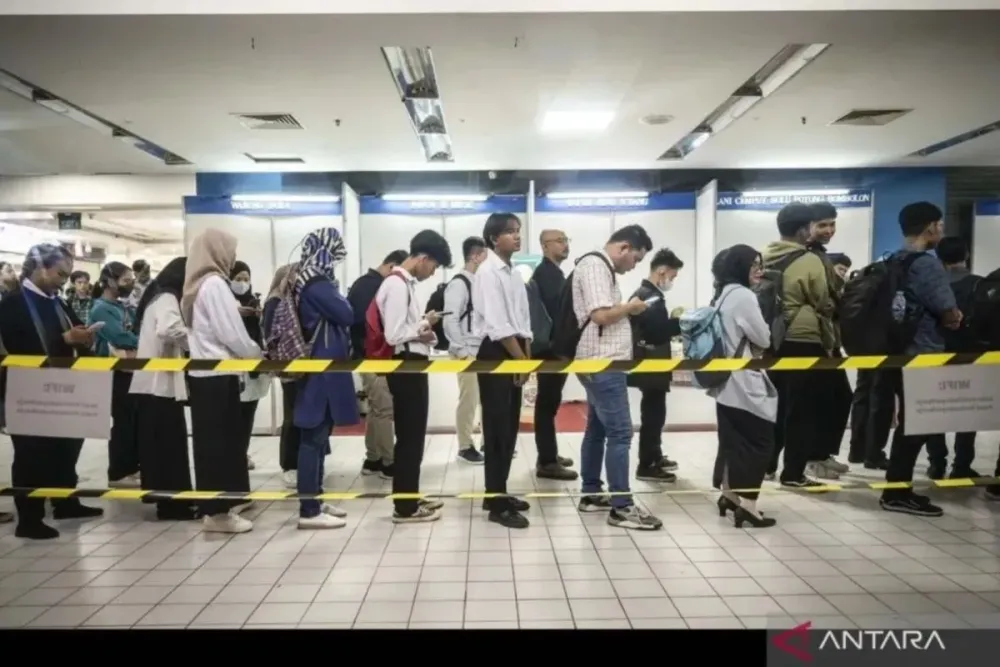
SEZs managed to absorb 28,094 workers or 56.4% of this year's target. Thus, the total employment since the SEZ was established until now has reached 187,376 people - involving 442 business actors.
SEZs have ultimate facilities , in the form of facilities and facilities such as fiscal and non-fiscal incentives. Tax incentives are in the form of a tax holyday that applies to income received or earned from the main activities in the SEZ.
Investment incentives in SEZs:
- VAT and STLG exemptions,
- Duty free,
- Tax-free import of capital goods for the construction or development of SEZs.
Going forward, the development of SEZs is not only intended as a center for investment and downstreaming, but also as a strategic instrument for Indonesia to strengthen global competitiveness.
For the full report, read here.
SEZs are not just production zones with all kinds of facilities provided by the government. SEZs are a kind of new ecosystem supported by a complementary community.
In order for SEZs to optimally leverage the economy, there are several steps that need to be taken:
- Involving UMKM and economic activities of communities around the area.
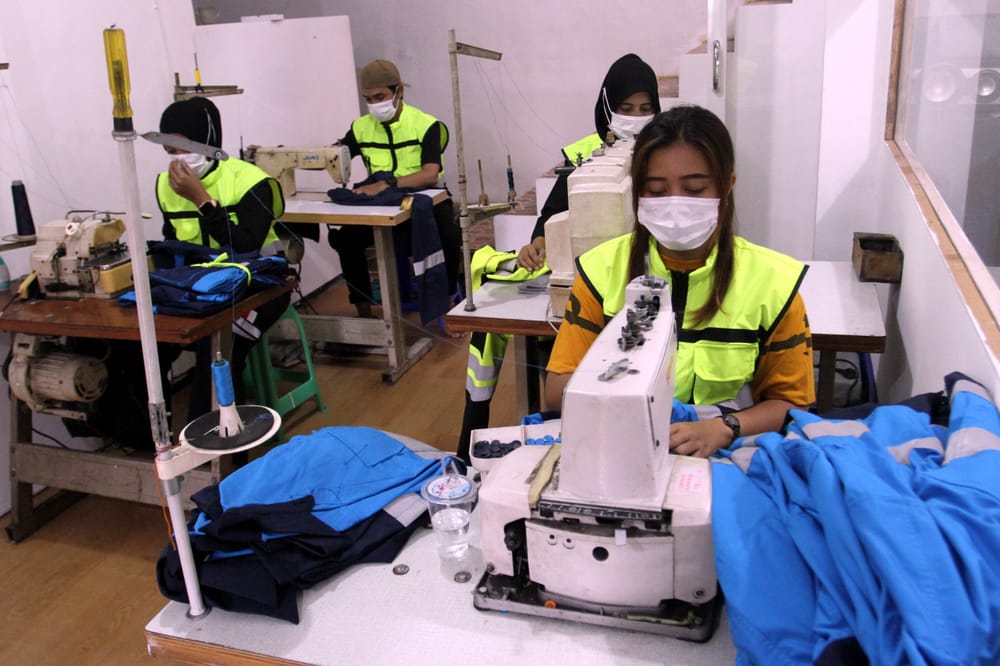
- The use of local labor through cooperation between SEZ managers, employment offices, and training institutions, so that industry needs can be filled by human resources from the surrounding area.
- It is also necessary to link and match with vocational education, so that the curriculum and training provided are in line with the needs of the industry in the SEZ.