

A loss of control involving thoughts, feelings, physiological changes, and the urge to act aggressively, in response to a certain situation, can occur in an individual, when he or she feels anger. It is a common human expression.
In relationships between individuals in an organization, amidst tremendous pressure and endless expectations, anger is an emotion that often arises. If not tamed, it can be destructive.
And, emotional outbursts in organizational contexts often cloud logic and rationality, resulting in decisions that are not objective. When this happens to organizational leaders, team members can feel unsafe and uncomfortable, unappreciated, and reluctant to open up.
When it comes to organizational leaders, team members can feel unsafe and uncomfortable, unappreciated, and reluctant to open up.
When emotions grip members of an organization, anger often creates tension between members of the organization, damages reputation, strains working relationships, and injures the organizational culture.
In a philosophical and psychological context, momentary anger - although human - is a form of futility that can damage more than just the mood.
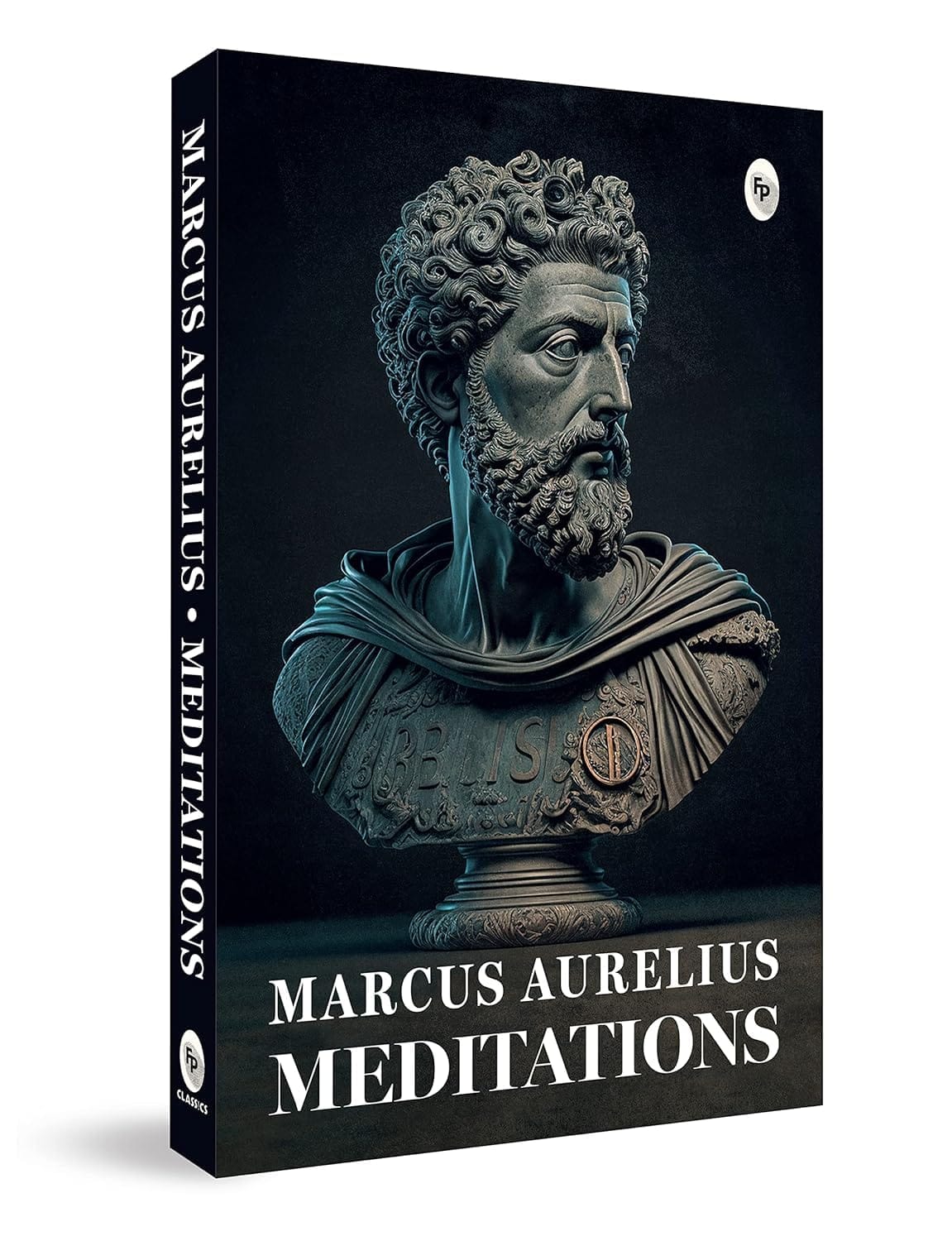
Roman Emperor Marcus Aurelius wrote in Meditations, "The best revenge is to be unlike him who performed the injury." The best revenge is to not be like the person who did the harm. This means that sobriety is not only personal wisdom, but also a superior form of discipline.
In existential philosophy, as expressed by French philosopher Jean-Paul Sartre, humans are fully responsible for their behavior. A person who decides to get angry when he meets with an impasse has chosen to abandon his inner freedom, in favor of venting instincts. This is a form of existential fall-a rejection of self-control as the pinnacle of human honor.
Therefore, this tendency towards momentary anger is not inevitable. Humans can choose to control their emotions, or let them run wild. To be able to make difficult decisions in a short period of time, one needs to recognize the trigger of their anger. Whether it is due to time pressure, criticism, or a result that does not meet expectations.
Humans can choose to control their emotions, or let them run wild.
Try to take a few seconds to breathe deeply, when encountering situations that trigger emotions. Let logical considerations whisper in the spaces of passion. Take a deep breath, then exhale slowly.
Build open and transparent communication with members of the organization. Try to resolve conflicts in the organization that occur before they become a trigger for anger. Entrust tasks to the right team or individual.
Take time to evaluate your emotions, train them and then direct them towards productive action. Don't let emotions get the best of you. After all, a moment of anger may feel like a relief after the peak moment of disappointment has been vented.

But a true human being is not one who never gets angry, but one who is able to manage his emotions wisely. In today's fast-paced and stressful world, calm is power. And that power can be the foundation of an inspiring example.


