
The combination of creativity, technological developments, combined with the needs of society has successfully encouraged food and beverage companies to continue innovating to create a variety of unique products.
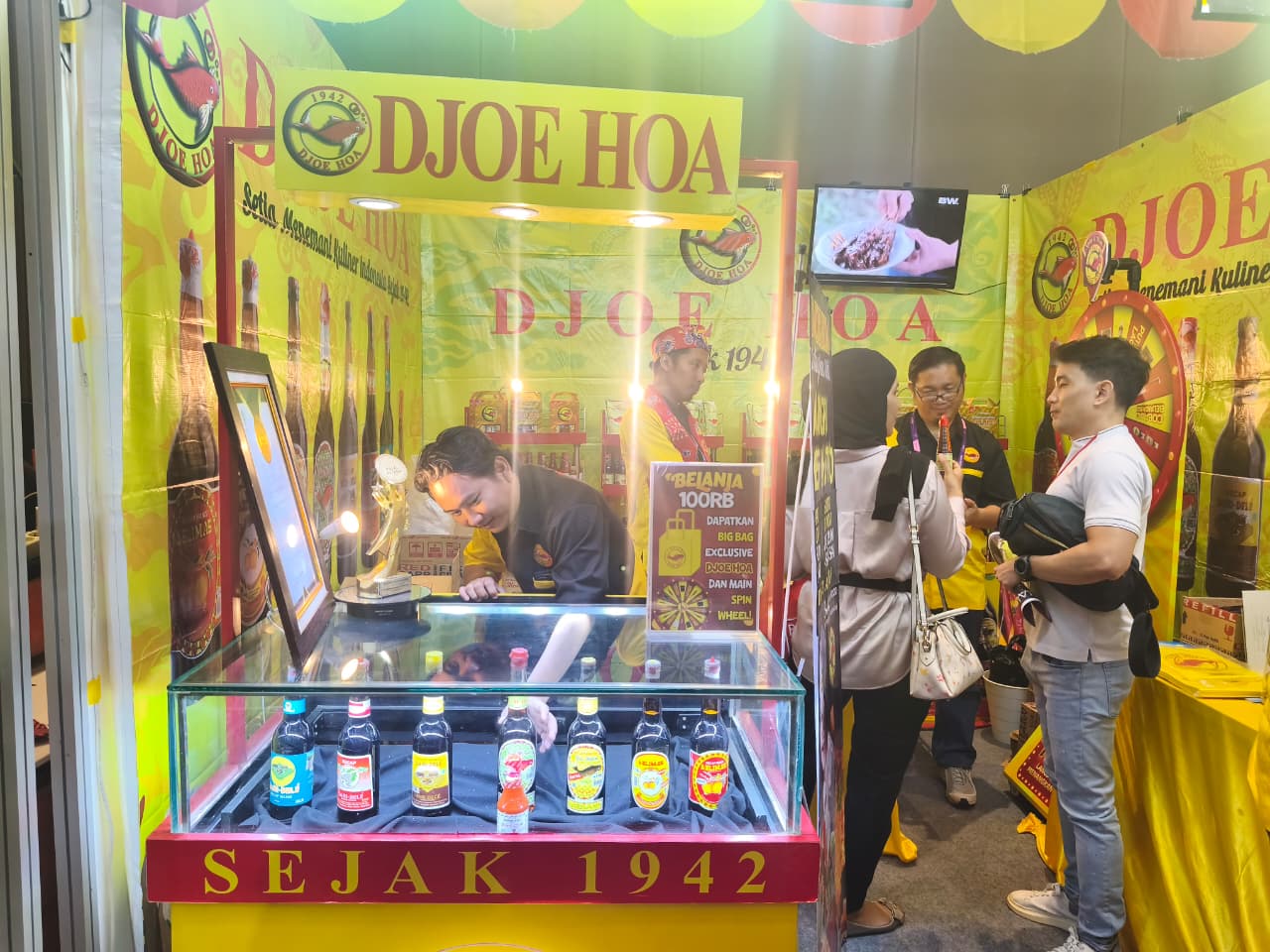
Of the various products displayed at the exhibition, one participant that attracted attention was Djoe Hoa, a soy sauce brand from Tegal that has been established since 1942. The company went through the Japanese colonization before reviving after independence. In the early days, Djoe Hoa only produced fish sauce as the only product that was managed for generations.
"The recipe has not changed from the past until now," said Aray, Djoe Hoa Event Team, met at the SIAL InterFood 2025 Exhibition, BSD City Tangerang, Thursday (13/11/2025).
Red fish sauce is an excellent product that is best known in various regions. This product is made from fish concentrate derived from the fermentation of sea fish, water and salt for about two and a half years before cooking. The long fermentation duration is done to maintain the purity of the ingredients used.
"Because of this, some consumers think our products are imported because of the flavor characteristics," said Aray.
Product development continued in 1993 when the company began releasing sweet soy sauce, including the Ikan Hitam brand which is fermented from soybeans for one year without preservatives and without monosodium glutamate (MSG) flavoring.
Aray explained that regular customers are very familiar with the character of Djoe Hoa's products, so consistency of taste is a top priority. Therefore, traditional fermentation methods are still used to maintain flavor stability.
In 2018, Djoe Hoa expanded its product development by launching Royal Chili healthy chili sauce made with no preservatives, no coloring, and no MSG.
The sambal goes through a fermentation process of about six months before cooking, with a shelf life of three weeks at room temperature or up to three months in the refrigerator. The process follows the ingredient safety standards maintained by the company owner.
"I want to make products that I can eat and my kids can eat," says Aray, quoting owner Cornelius Susanto.
In addition to soy sauce and chili sauce manufacturers, the exhibition was also attended by businesses that focus on health products. Beeru, a brand from South Tangerang established in 2022, brought a series of products designed to support a healthy lifestyle.
Its main product is Beeru Stevia, a natural sweetener without calories that can be consumed by diabetics. Wulanda Pramudita, Beeru's Business Development, explained that the entire product line they have developed is in the healthy food category, including stevia natural sweetener (Beeru Stevia) and porang rice (Konjac) or practical low-calorie rice, as well as other variants such as broth without MSG.
Beeru Stevia is made from stevia leaf extract and developed in liquid form for easy use in both hot and cold drinks. This liquid variant was chosen because stevia in the market was previously more available in powder form. The product can also be used as a sugar substitute in everyday cooking and beverages.
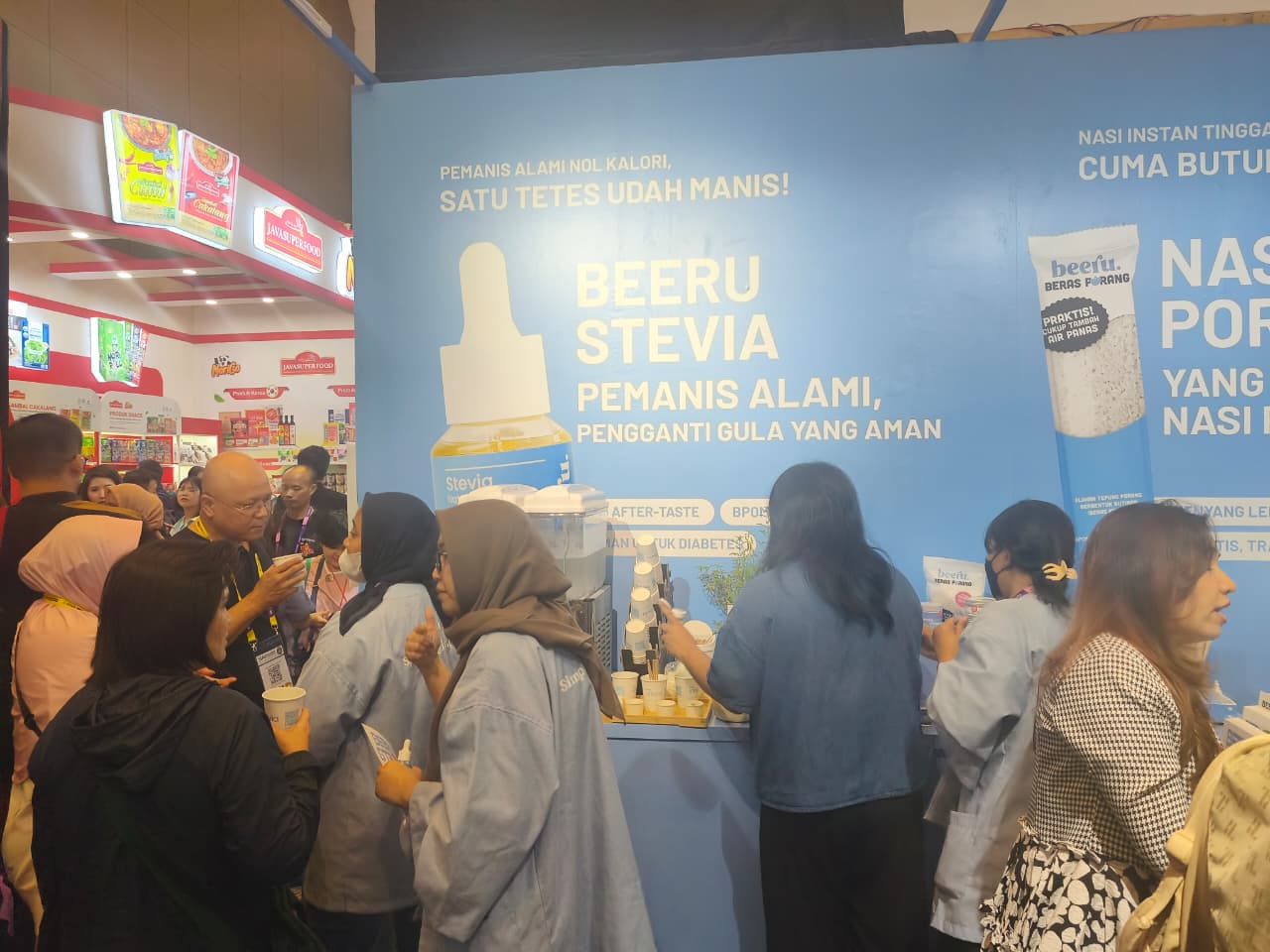
In its development, Beeru emphasized pure stevia formulations with no other sweeteners mixed in. The company worked with a manufacturing vendor for the production process, while the formulation was made in-house with a focus on ingredient purity. They use stevia leaf extract that produces a small yield and is dissolved only with water. "We use 100% stevia and only water as solvent," said Wulan.
Beeru also applies multiple layers of quality control to maintain the safety of its products. Quality control is carried out by the manufacturer and checked again by the internal team before the product is released.
After facing cases of counterfeiting in stevia products, Beeru added security features such as barcodes, unique codes, and rubbing areas to ensure product authenticity. "We took some steps to differentiate our products in terms of originality," said Wulan.
Read also:
 Benedictus Krisna Yogatama
Among the food brands showcasing new products at the exhibition, Pronas was one manufacturer that stood out with its long history in the canned food industry. The brand was established in 1948 and is an acronym for Produk Nasional, with a factory located in Denpasar and headquarters in East Jakarta.
Its early production was intended for the consumption needs of the Japanese army before expanding to the domestic market. Arin Susanti, Business Development Manager of Pronas explained that their products are now distributed to various regions and have been exported to Malaysia, China, Japan, and Papua New Guinea.
Corned beef has been Pronas' flagship product since its inception and remains a mainstay to this day. Variant development is done through flavor options such as spicy and mushroom, as well as premium categories such as classic and chunky. Research and innovation also gave birth to a new product called Daging Luncheon Pronas, a halal multipurpose meat block as an alternative to similar products in the market. "We don't want to change the legendary taste because it has become our pattern ," said Susan.
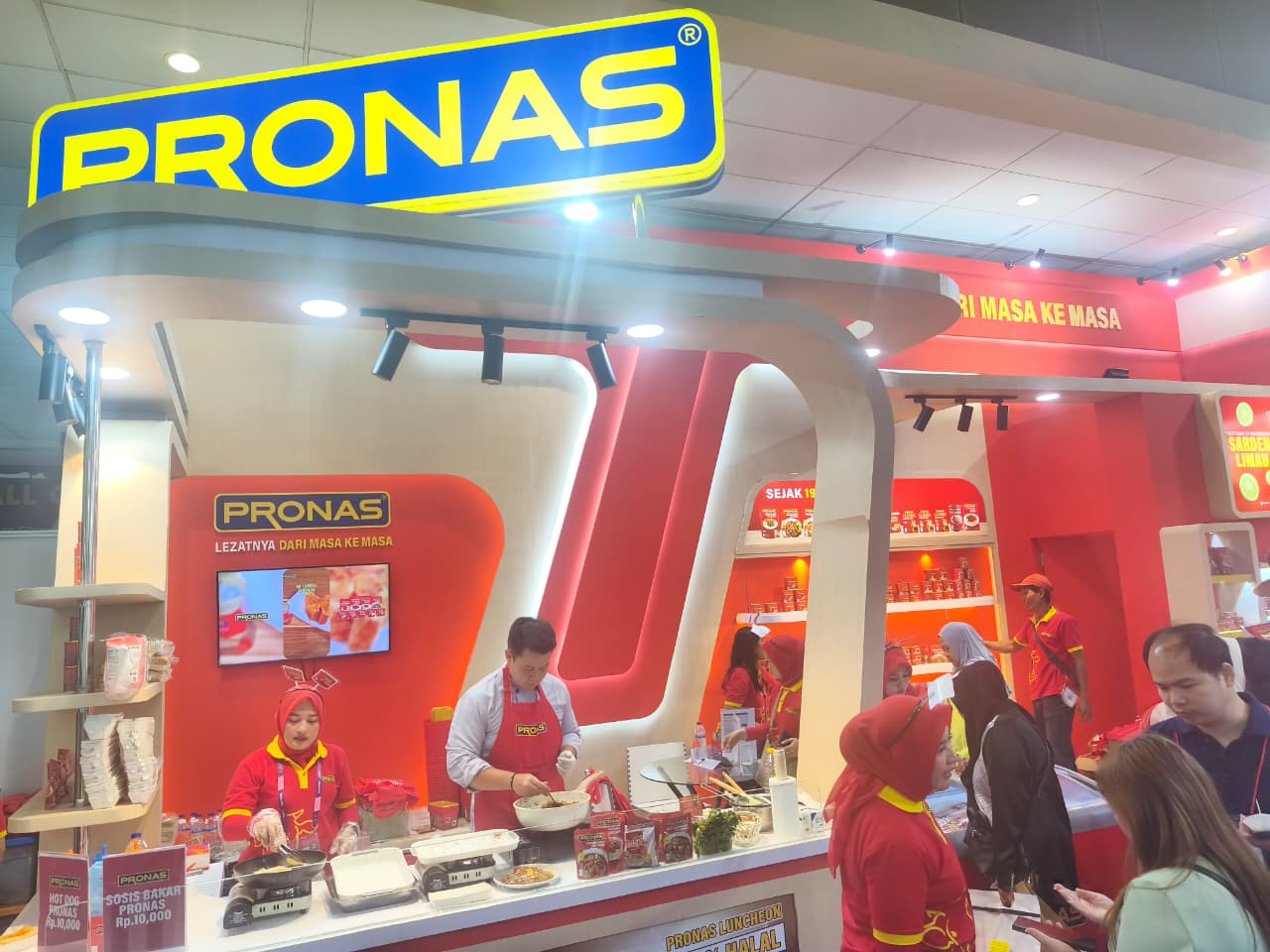
Currently, Pronas is expanding its portfolio into various categories such as seasoning, ready to eat, ready to meal, frozen food, stir-fry seasoning, and sardines. "Corned beef is still the best seller because it has become our flagship brand," said Susan. Although the product line is increasingly diverse, the item is still the top choice of visitors during the exhibition. Consistency in taste is maintained by retaining the recipes used since the early generations, including the characteristic tin box that has become the identity of the product.
Among the participants displaying food innovation, Terve Chocolate was present as a chocolate brand from Bandung that was established in 2023. In Bandung, where it is headquartered, Terve carries the concept of a small labor factory that allows visitors to see the product production process firsthand. Alaska Tsary, Business Development of Terve Chocolate, explained that the approach was taken to educate the market about the chocolate-making process.
Terve's products include single origin, origin and house blend categories. Single origin is made from one farm with certain quality standards, resulting in a flavor character that is unique to the farm, while house blend is used for bulk production because it is more stable. The product portfolio includes white, milk and dark chocolate with 100% cocoa content.
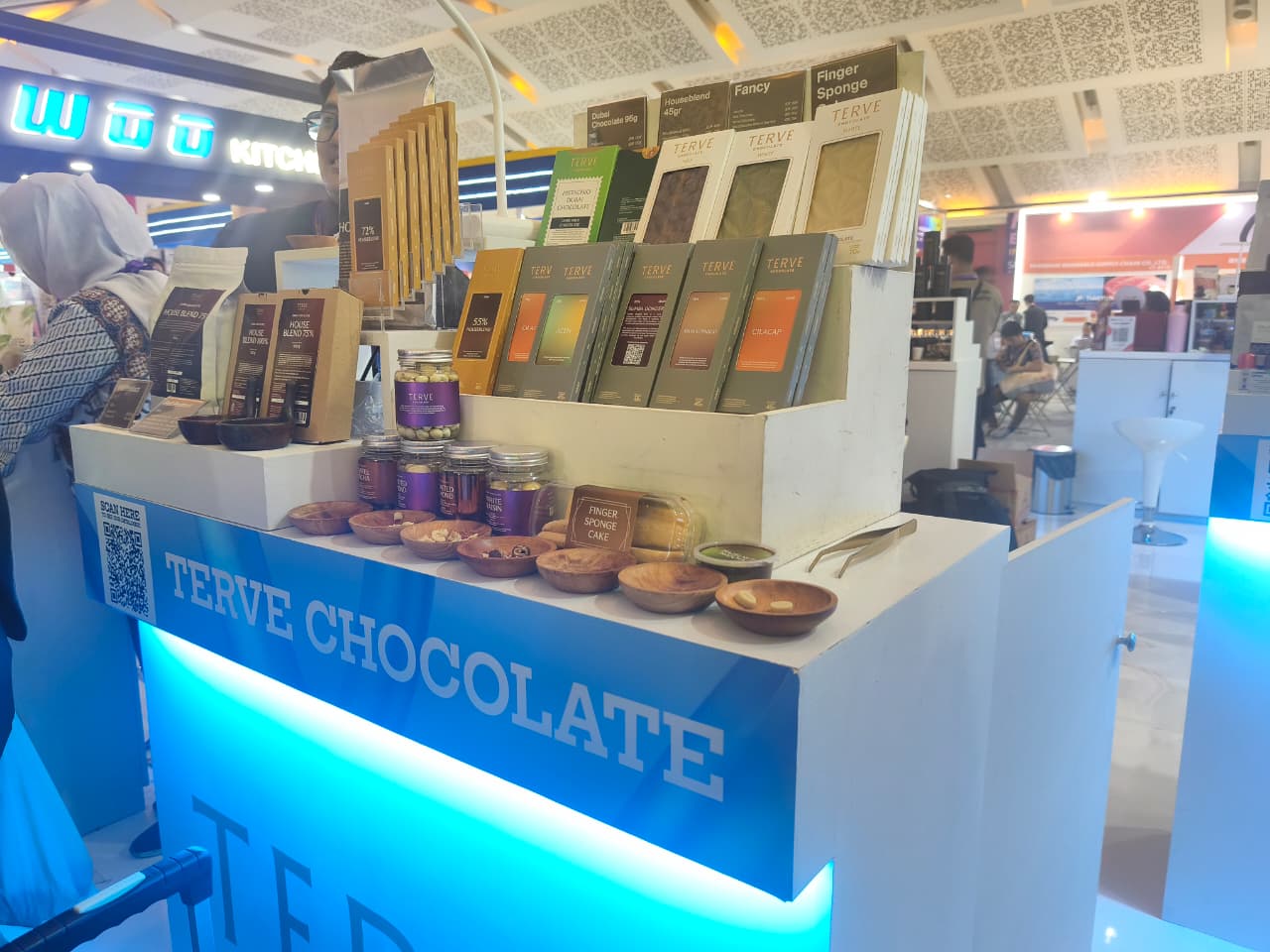
Product development is done through a research process that starts with prototyping for about a year and is followed by market testing for three to six months. Each new product is released after Terve reads the market needs, both in Indonesia and abroad. For example, during an exhibition in Paris, they released chocolate with rendang and turmeric flavors because the European market is relatively unfamiliar with those flavors. "We always check the marketfirst, find the gap and then we enter," said Alaska.