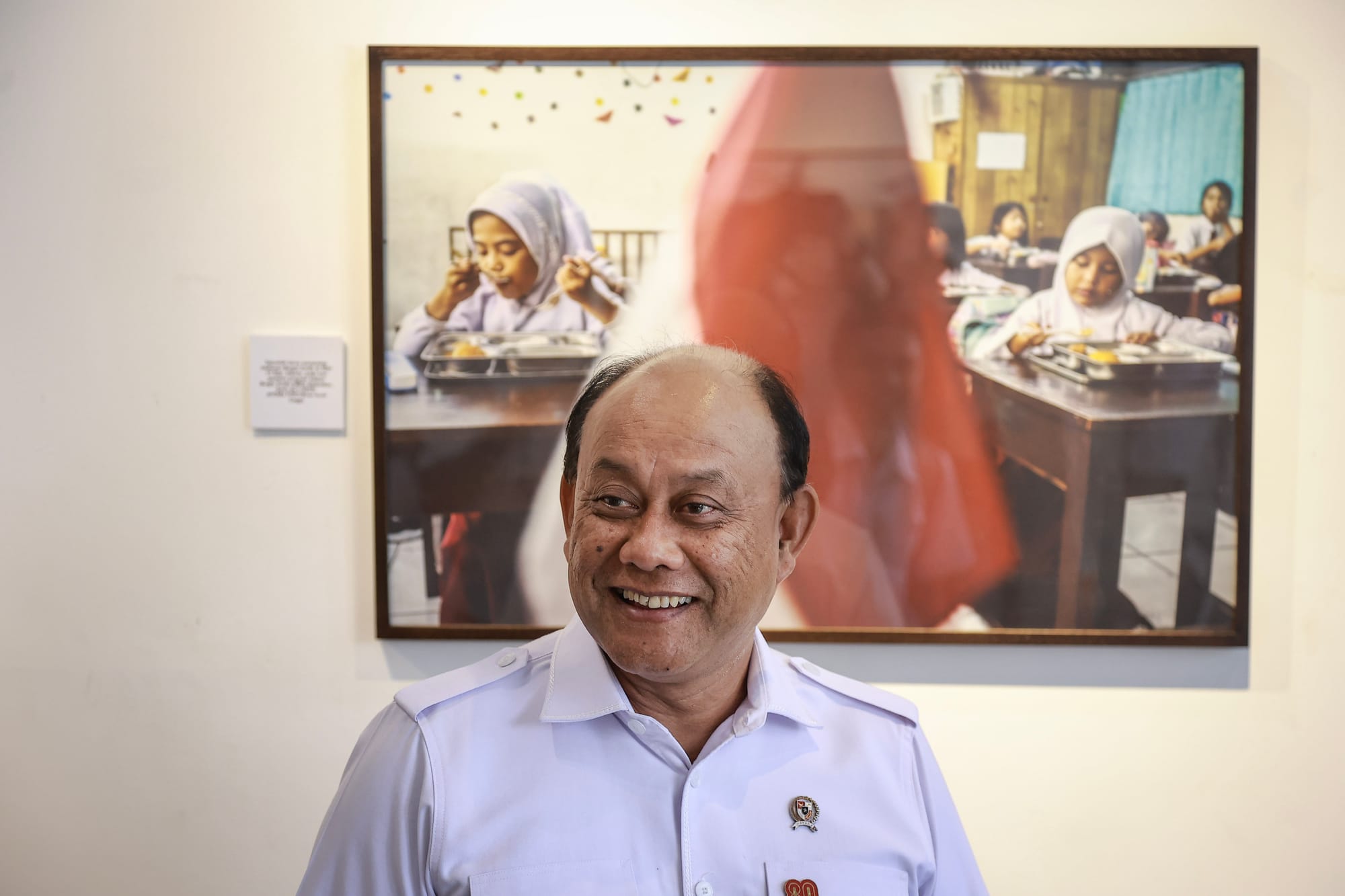
Interview with Head of National Nutrition Agency Dadan Hindayana
Budget harmonization with the National Agency of Drug and Food Control (POM) and the Ministry of Population and Family Development/National Population and Family Planning Agency (Kemendukbangga/BKKBN) was one of the discussions in the hearing (RDP) between the National Nutrition Agency (BGN) and Commission IX of the House of Representatives on Monday, 8 September 2025.
This issue came up because the BGN's scope of work falls into the work areas of the two institutions. Badan POM as the party that oversees the quality of food served in the Free Nutritious Meal Program (MBG) as well as Kemendukbangga/BKKBN, which takes care of Posyandu, need to clarify their budget sources if they enter the work area that is the responsibility of BGN.
The budget issue is one that Dadan Hindayana, the Head of BGN, has to unravel. There are a stack of other issues that BGN needs to resolve in order for the public to trust BGN and the MBG Program.
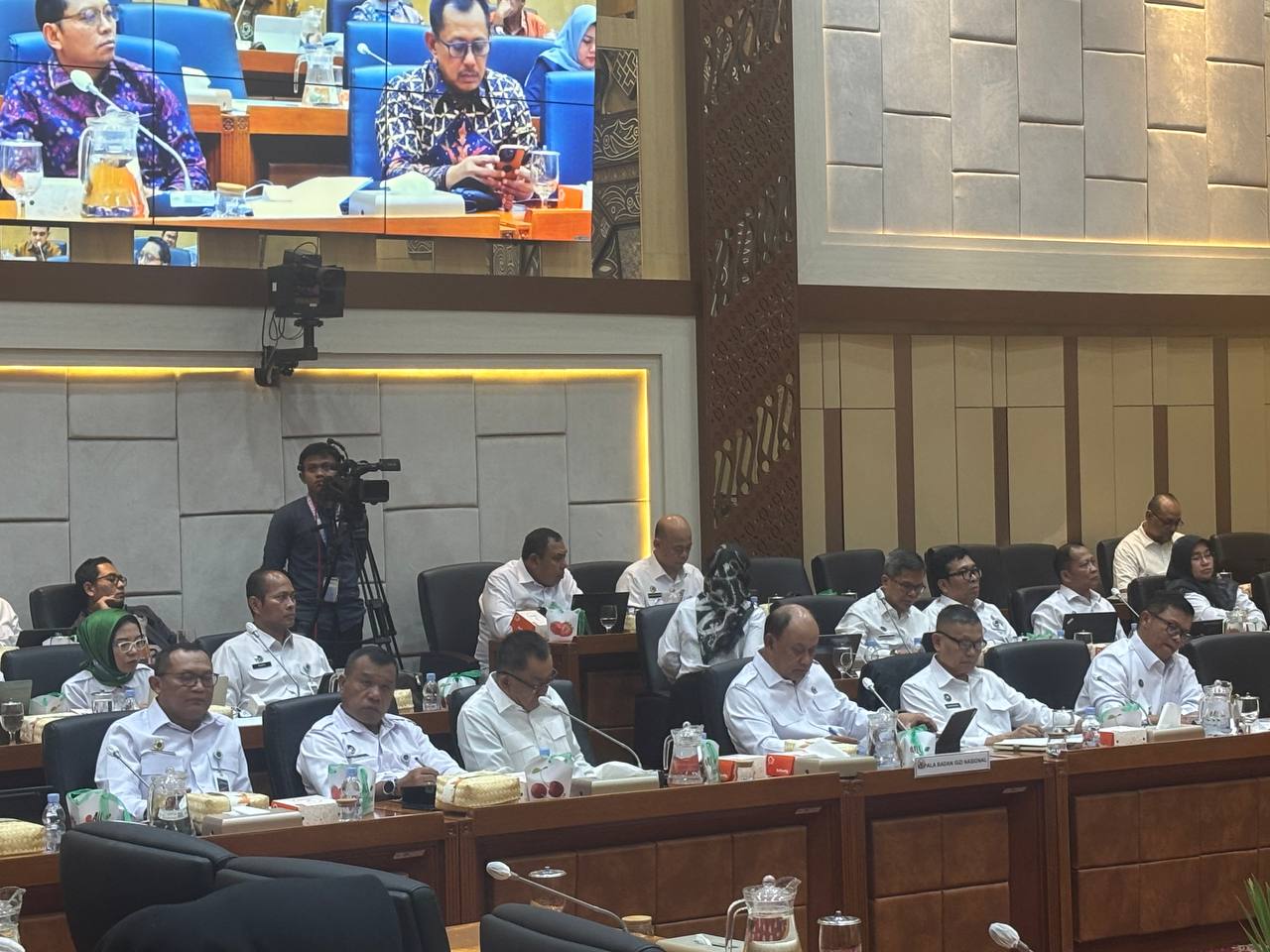
But among the many discussions at the hearing that day, Dadan was also asked to carefully manage the finances allocated for the MBG program, where the 2025 State Budget allocates a budget of up to Rp71 trillion while the 2026 State Budget multiplies to Rp335 trillion.
Then is there any significant progress from the implementation of this Free Nutritious Meal? During the hearing with Commission IX of the House of Representatives on Monday, September 8, 2025, Dadan provided several explanations to SUAR reporters. The excerpt:
What is the latest development of the MBG program at the moment?
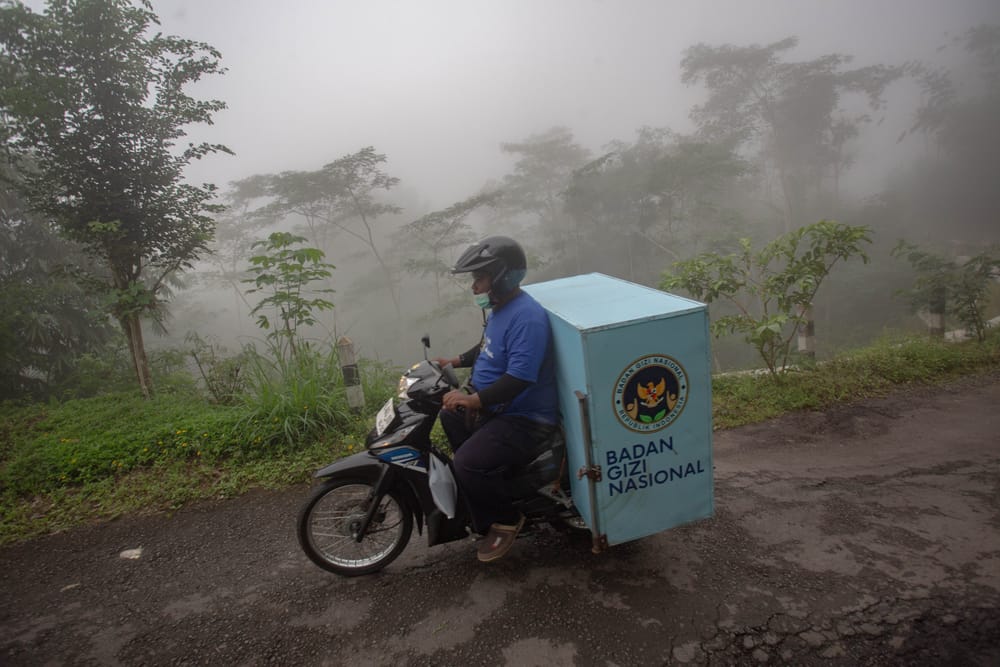
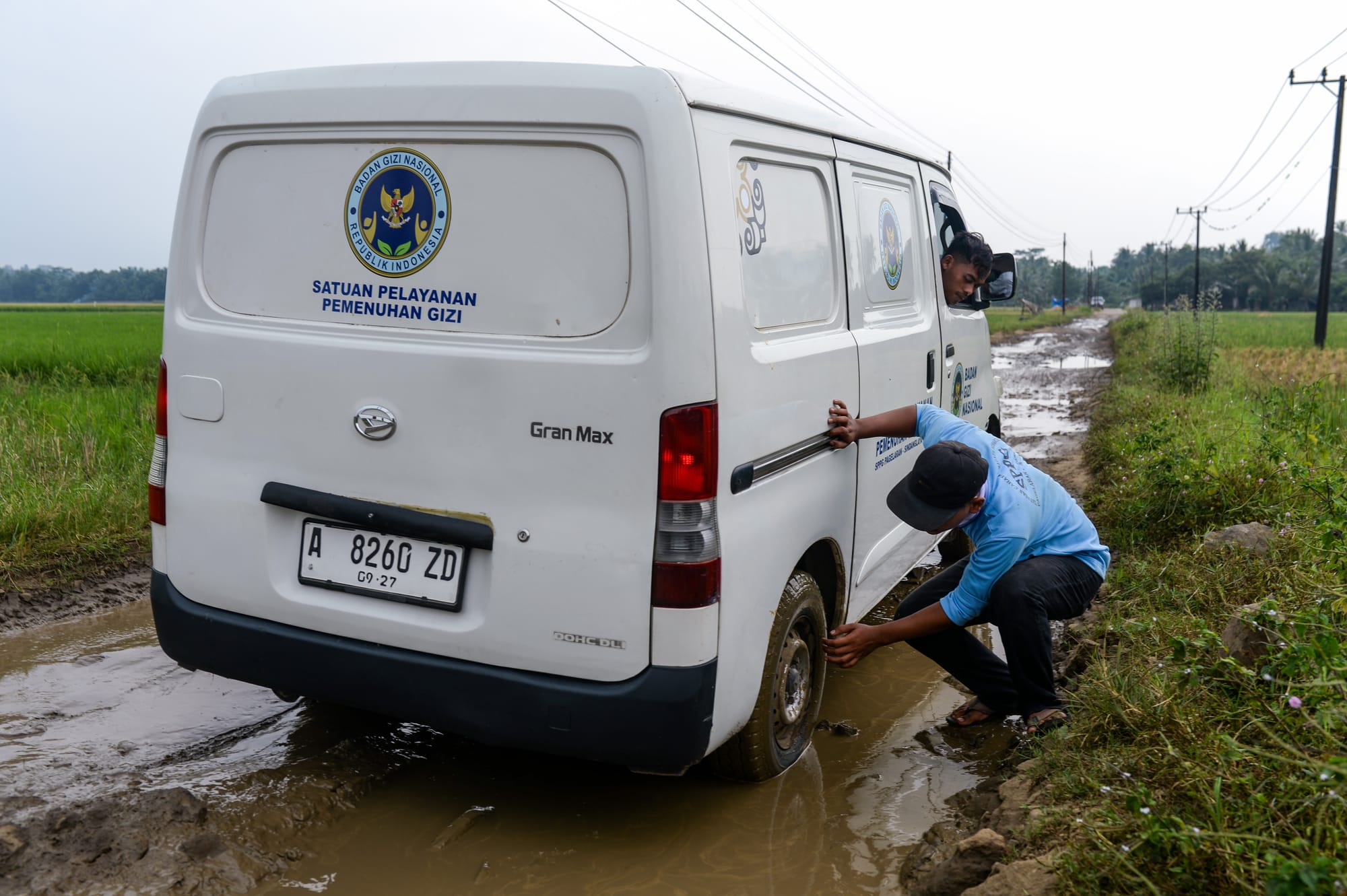
The MBG program continues to roll out and expand with the establishment of a new SPPG per day in every province in Indonesia. According to BGN records, there are already around 7,477 SPPGs officially operating in 38 provinces, 509 districts, and 7,022 sub-districts.
We have also set the budget ceiling for fiscal year 2026 at IDR 268 trillion with a main focus on nutrition fulfillment programs through Free Nutritious Meals (MBG) for school children and vulnerable groups.
There is an additional allocation of IDR50 trillion that will be divided for a number of needs. Around IDR 34.4 trillion is allocated for MBG food assistance for school children. Then IDR 3.1 trillion for pregnant, nursing mothers, and toddlers.
Many assume that the BGN and MBG budget is taken from the education budget, your explanation?
The BGN budget in 2026 based on the health function amounted to Rp 24.7 trillion, Rp 223 trillion from the education function and Rp 19.7 trillion from the economic function. So in the financial memorandum which was then widely discussed, everything was included in the education budget, even though it was actually from education 83.4%, health 9.2%, economy 7.4%. So it comes from three sources of functions.
In addition to the budget, this program has also begun to be criticized regarding the availability of public kitchens or SPPGs whose quota is starting to run low, while services are not yet optimal, what are BGN's mitigations so that obstacles in this program can be put in order?
We closed the web or portal for new partner registration yesterday. In the verification stage of the SPPG formation registration, at that time there were already 4,500 submissions. Then we temporarily closed the web so that there would be no more verification submissions. And it was detected that many were inactive. Then we returned the SPPG that was inactive for 20 days or more to the submission verification. So that the quota becomes open again, hopefully on September 15, registration can be reopened.
Currently BGN is accelerating the opening of SPPG, while it could trigger fraud, is there a special reason?
The construction of existing and operational SPPGs is 100% from community funds. Meanwhile, absorption in BGN is identical to the number of beneficiaries so we need to accelerate, so that beneficiaries also expand. In addition, every 1 SPPG established will absorb around Rp1 billion (food) per month, this will have a significant impact.
Why is acceleration prioritized in agglomeration areas?
We focus on agglomerations, because 90% or almost 70 million people live in agglomerations, where malnourished people also live, such as in West Java, Central Java and East Java. Meanwhile, in the 3T (frontier, outermost, underdeveloped) areas, the concentration of malnourished people is high, but the population is small.
What are you doing to accelerate the target?
Our strategy is to accelerate the agglomeration by working with partners to invest. Meanwhile, in the 3T areas, we cooperate with the district government to form each task force in its area, which determines the SPPG construction point.
And to build SPPGs in 3T, we can also collaborate with partners but there are incentives. Like we provide a place rental budget that is paid for 4 months in advance. For management, we also cooperate with local community leaders and foundations.
BGN also manages nutritious food for pregnant women and toddlers, what is the progress like?
We are currently working with the Ministry of Population/BKKN so that we collaborate with all Posyandu cadres in the regions. The mechanism is that SPPG sends food to Posyandu, then the cadres send food to the beneficiaries' homes. We also provide these cadres with incentives taken from the BGN operational budget.
The public is highlighting the MBG program that uses imported foodtrays , any comments?
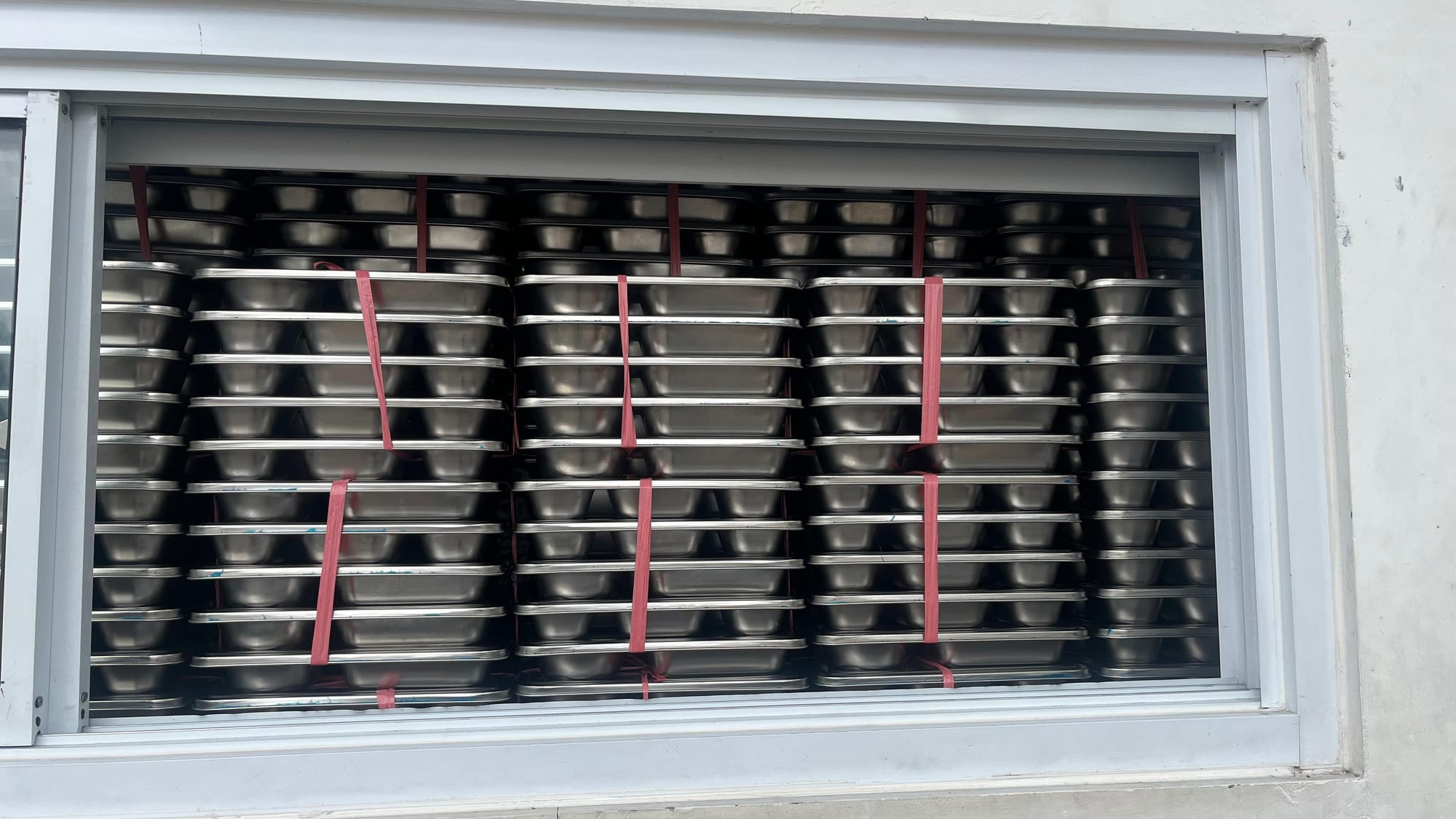
When we designed this, there was no one on the market in Indonesia who produced it to the standard we wanted. Even if there was, the domestic capability was only around 10 million to 11 million per month, while we need 80 million per month. That's why the Ministry of Trade deliberately opened imports, so that we could run the program well.
This foodtray is also purchased by partners. So far, BGN has not used the APBN for the purchase of foodtrays. We will use the budget from the APBN for this foodtray to serve in the 3T area.