
All parties have moved to succeed the program to fulfill housing for citizens. No less than the Ministry of Housing and Settlement Areas (PKP), the Provincial Government of the Special Region of Jakarta, the Daya Anagata Nusantara Investment Management Agency (BPI Danantara), to the business world issued various initiatives - such as the Housing Credit Program (KPP) and People's Business Credit (KUR) for housing.
The Indonesian Chamber of Commerce and Industry (Kadin) together with the Ministry of PKP and Danantara held a Socialization of People's Business Credit (KUR) for Housing at Wisma Danantara Indonesia, Jakarta, Monday (8/9/2025). The event titled "Gotong Royong Expanding Access to Housing Credit for the People" highlighted the benefits of the Housing Credit Program (KPP) for UMKM to upgrade in the public housing ecosystem.
At the event, Chairman of Kadin Indonesia Anindya Novyan Bakrie emphasized the business world's support for the 3 million house program initiated by President Prabowo Subianto. Anin, his nickname, assessed that the housing sector has a huge double effect on the economy.
According to Anin, the business world is very interested in supporting the success of the housing program. This is because the impact is very broad and clear. There are 9 million people working in housing construction services. Each house involves 5-6 workers, plus around 140 vendors ranging from cement, steel, to transportation services. "So, the multiplier effect is very large," said Anin.
Anin explained that the key to successful development in Indonesia, especially in the housing sector, is mutual cooperation. This is because the high cost of capital has always been an obstacle for entrepreneurs. Thus, the presence of KPP subsidized interest at 5% is very helpful compared to commercial banking interest. "It is lower than the market interest rate of 9%-12%," she said.
This scheme, according to Anin, is consistent with practices in neighboring countries such as Thailand (6%), the Philippines (6%-9%), and Vietnam (5%-6%). "So, with this interest subsidy, there are certainly a lot of benefits for us to be able to drive a more competitive economy," Anin explained.
"This interest subsidy certainly has a lot of benefits for us to be able to drive a more competitive economy," Anin explained.
The government, Anin continued, has launched a 3 million house program to reduce the housing backlog that has occurred for years and has reached 26 million. So, Anin emphasized, KUR Housing must be successful, because this is a big effort and a priority program where the government is trying to build and renovate houses by encouraging UMKM to be involved in their construction.
Minister of Housing and Settlement Areas (PKP) Maruarar Sirait expressed optimism that KUR Housing will be able to encourage UMKM to upgrade. According to Maruarar or Ara, as he is familiarly called, this scheme provides working capital and investment credit, so that it can drive the supply and demand for housing.
"I am happy that Kadin Indonesia and Danantara can help with the socialization of KUR Housing. UMKM can take advantage of this KUR so that they can upgrade and light up, because the government bears an interest rate of 5% which is lower than bank interest rates," said Ara.
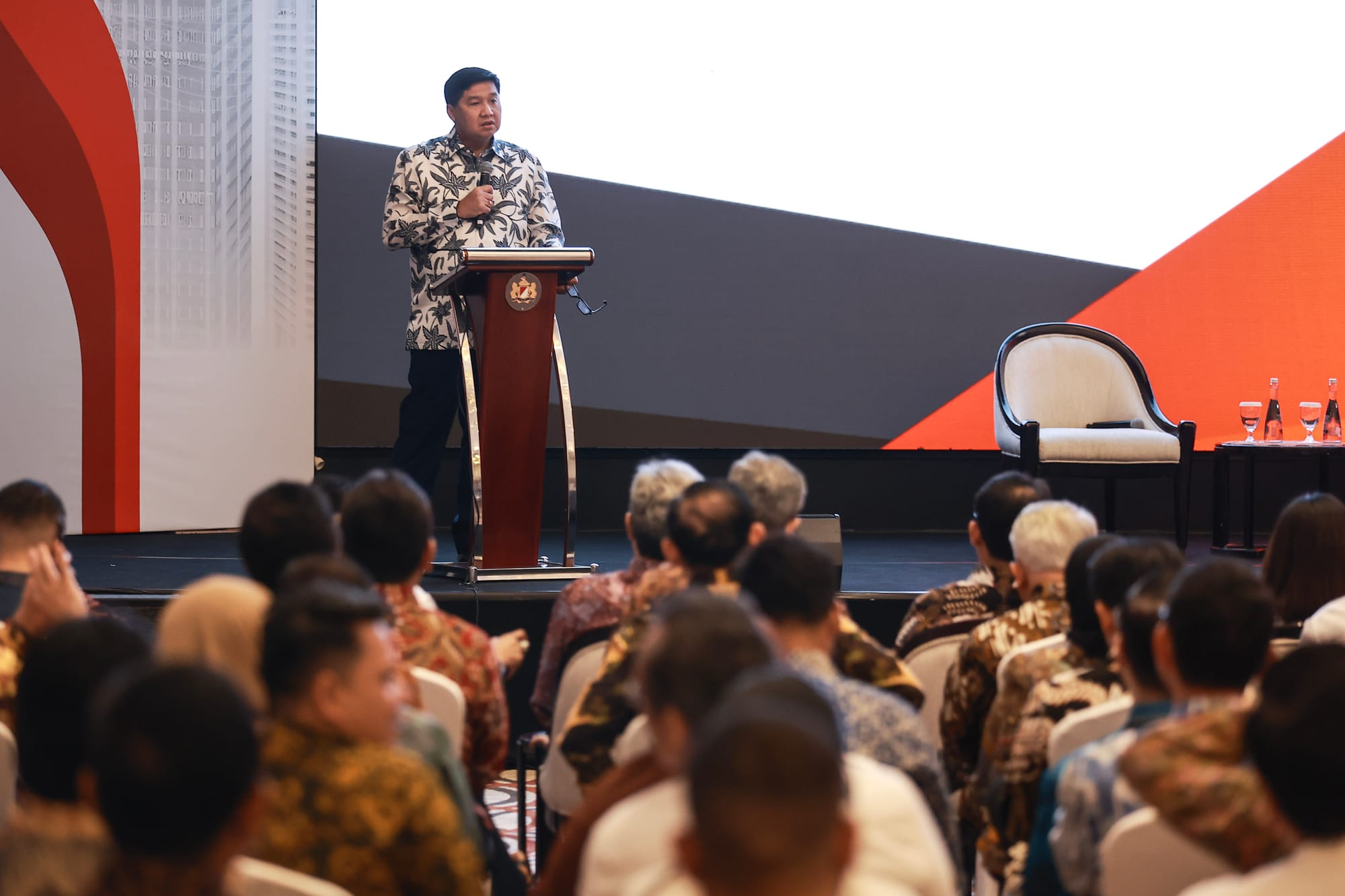
Ara emphasized that KUR Housing is a new history, as it was first launched during President Prabowo Subianto's administration. The support of Kadin and Danantara, he continued, is needed so that this program encourages equitable development throughout Indonesia.
Jakarta Provincial Government
Not only private entrepreneurs, the Jakarta Provincial Government also collaborates with the Ministry of PKP. They intensify the socialization of the Housing People's Business Credit (KUR), to accelerate the realization of the 3 million house program and open opportunities for UMKM business actors.
Socialization is important to provide information on KUR Housing requirements to developers, building shop owners, and UMKM.
As we know, the KUR Housing program is a new breakthrough in the housing sector launched during the Prabowo Subianto administration. The program received wide support from various parties, including the Ministry of Finance, banks, and developers. Government-owned banks incorporated in Himbara and Bank Jakarta also expressed their commitment.
KUR Housing is divided for two beneficiaries, namely from thesupply anddemand sides. The supply side includes those in the developer, contractor, and building material businesses.
Supply-side Housing Program Loans are given to recipients of Housing Program Loans with a loan ceiling amount of above Rp 500 million up to Rp 5 billion. Recipients of this loan can withdraw the loan in a lump sum, gradually, orrevolving in accordance with the agreement.
Meanwhile, demand-side credit recipients are micro, small and medium enterprisesUMKM), which use the credit to support their businesses. For example, to buy a house, to rent a warehouse, and so on.
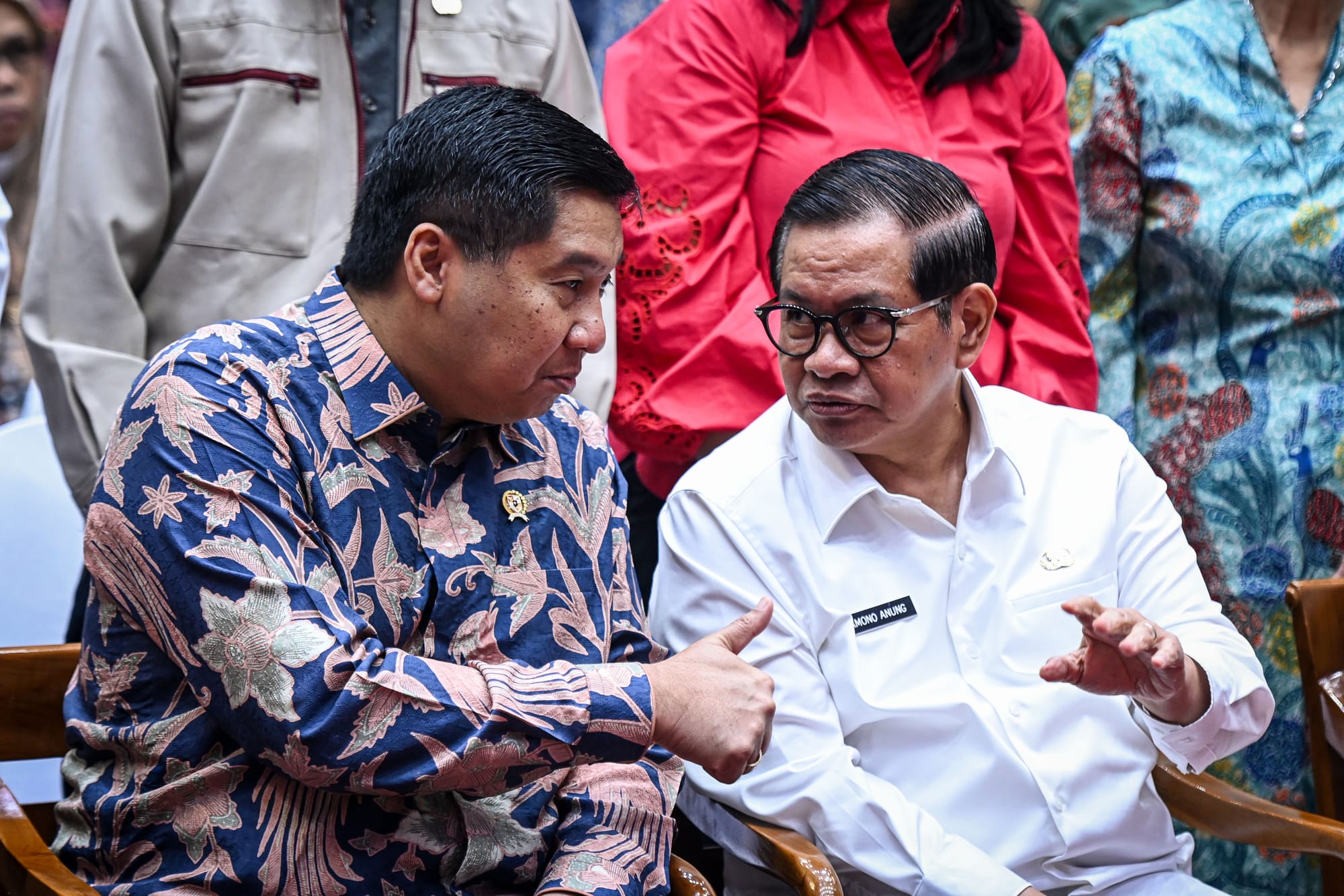
Jakarta Governor Pramono Anung said that his party has prepared a plan to build 19,800 housing units for Jakarta residents. For this reason, he invites citizens to take advantage of the KUR program specifically for housing and can learn how it works before taking KUR.
The Jakarta Provincial Government has also developed a digital system to make it easier for people to access housing services. One of them is through the Housing and Settlement Information System (Sirukim) application which provides equal opportunities for all citizens.
"It is already in the work program that 19,800 housing units will be built for residents, hopefully it can be realized," he said.
Pramono emphasized the importance of synergy with the central government so that this program provides maximum benefits. Especially, for young people who have difficulty owning housing. The synergy between the Jakarta Provincial Government and the central government can support the community and UMKM in purchasing, building, or renovating houses.
Gen Z Market
Generation Z (Gen Z) is certainly interested in utilizing KUR Housing if the requirements are easy and the price of the house sold is affordable.
One Gen Z, Rizka, admits that buying a house is not her main priority at the moment because house prices are getting higher while her income is limited. Rizka prefers to spend her income on other needs such as traveling, buying gadgets and culinary.
"But if my salary increases, maybe I will consider buying a house," he told SUAR in Jakarta (12/9).
Rizka plans to take advantage of KUR Housing and buy a house according to her ability. She hopes that the government will provide easy requirements for KUR, not complicated, because Gen Z likes simple and easy to manage.
Examples of the requirements he wants are a minimum amount of paperwork, a reasonable credit analysis, and a quick approval process.
Property observer Anton Sitorus said that Gen Z is not interested in buying housing because it has not been included in their priorities. Gen Z is mostly more interested in buying vehicles.
Buying a house is the second option because the price is uncertain. Although there are facilities from the government such as KUR, Gen Z is not interested in using them.
"Many Gen Zs still live with their families, buying a house may be when they have complete capital," he said.