

The role of Indonesian migrant workers (PMI) is potentially greater than efforts to alleviate unemployment. PMI can be directed to become an agent of Indonesia's economic development because it has the potential to attract investment and transfer technology. One of the efforts that can be made is to continue to improve skills and improve the governance of the ecosystem.
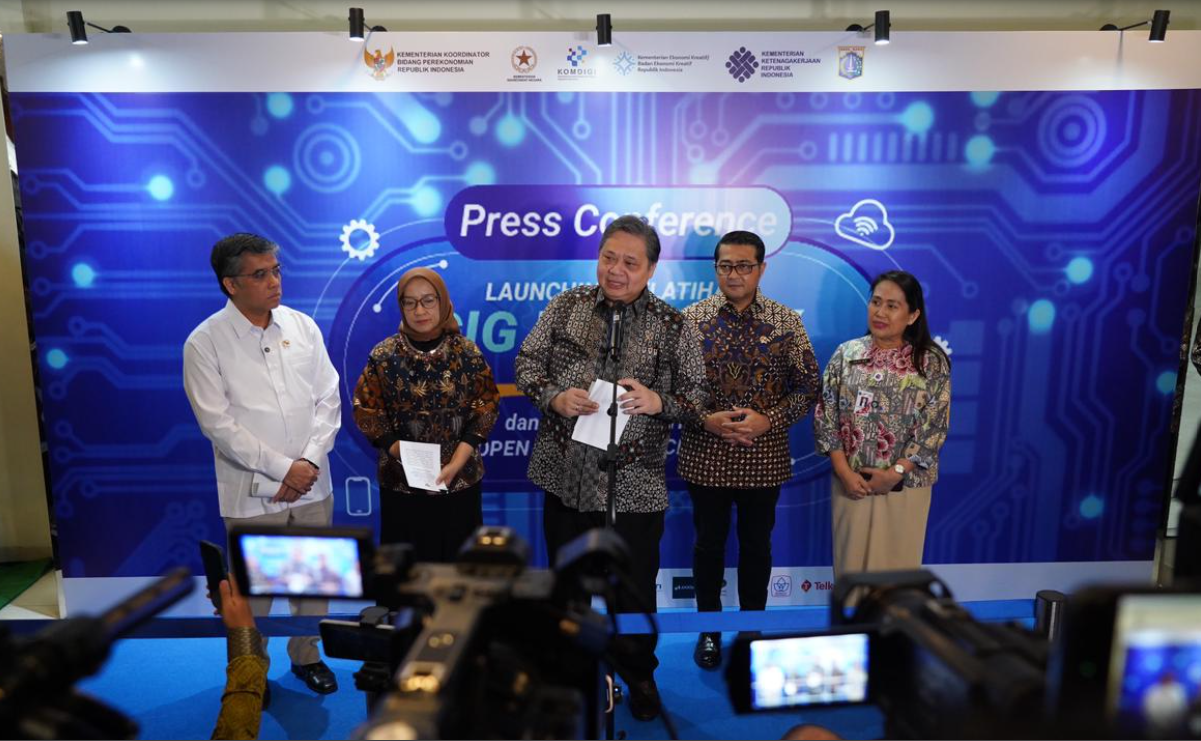
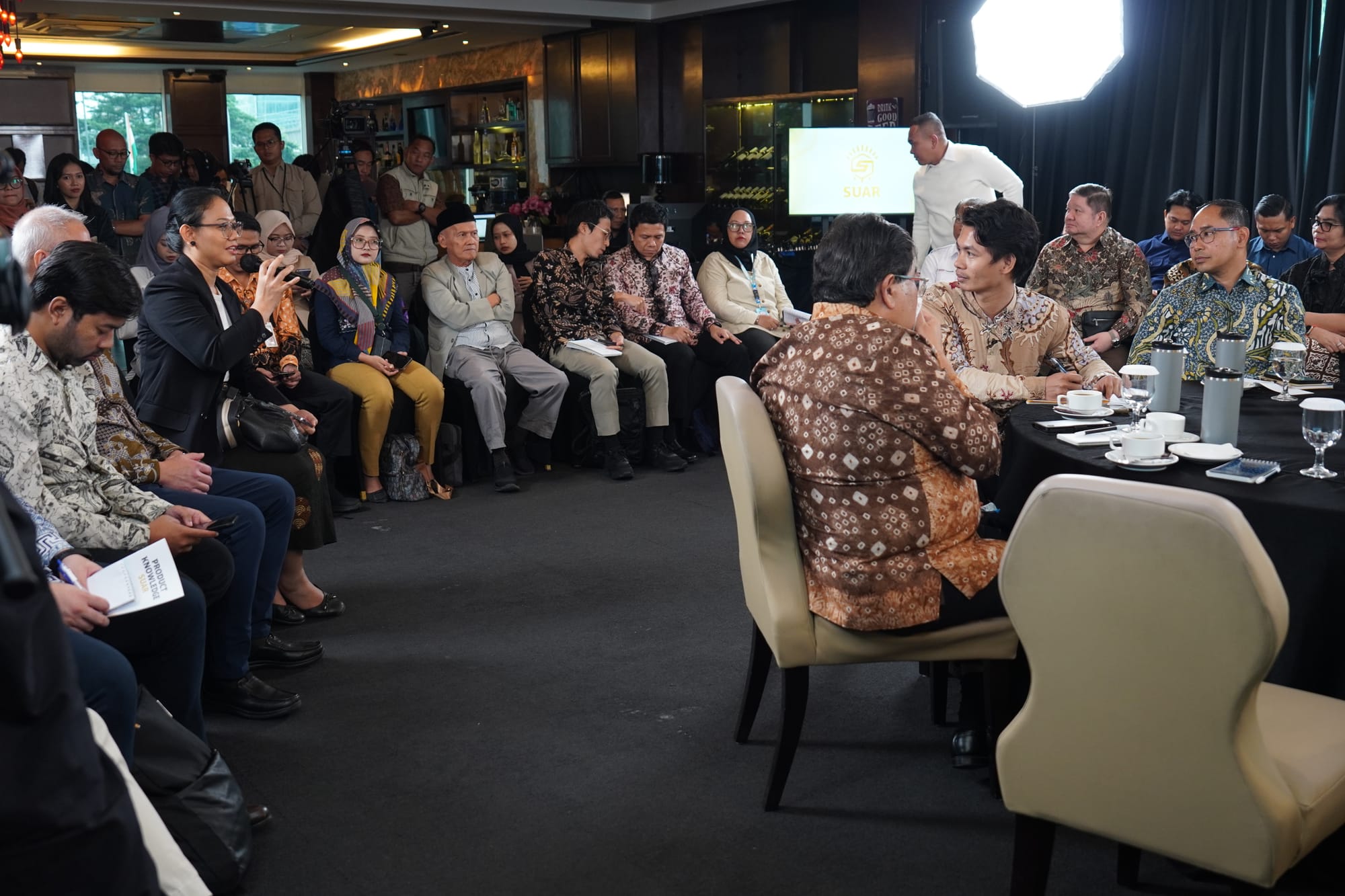
This spirit was the common thread in the Roundtable Decision: The Economic Power of Indonesian Migrant Workers organized by Suar.id, Thursday (18/9/2025) in Jakarta.
Present as speakers were Coordinating Minister for Community Empowerment Muhaimin Iskandar, Member of Parliament & Chairman of Panasonic Gobel Rachmat Gobel, Director General of Promotion and Utilization of Overseas Employment Opportunities of the Ministry of Protection of Indonesian Migrant Workers (P2MI) Dwi Setiawan Susanto, and Director of Protection of Indonesian Citizens of the Ministry of Foreign Affairs Judha Nugraha.
Also present as speakers were the Chairman of the Employment Division of the Indonesian Employers Association (Apindo) Bob Azam and Staff of Legal Aid Division Migrant Care Yusuf Ardabil. The event was moderated by Suar.id Editor-in-Chief Sutta Dharmasaputra.
Rachmat Gobel said that the issue of PMI cannot be seen as limited to answering the issue of employment.
"PMI must also be seen as agents of development, so that when they return, they can help turn the wheels of the economy," he said.
This can be started by opening access to scholarships, for example through schemes such as LPDP, to help workers obtain Specified Skilled Work (SSW) certificates.
In addition, Rachmat believes that there is a need for specialized training centers that focus on the preparation of migrant workers. This way, vocational students and university students who aspire to work abroad will not only have access to financing, but will also be aware of suitable training institutions.

On the other hand, Rachmat highlighted opportunities from Japanese companies in Indonesia that already have training centers. According to him, the government can take advantage of this facility because many Indonesian employees there have contract status.
These companies can be offered to send employees abroad with incentive support from the government. That way, the workers who are dispatched are trained and ready to work.
Capacity building
Dwi Setiawan Sutanto stated that the number of jobs available abroad is relatively high. Referring to SISKOP2MI data, by 2024, there will be 297,000 jobs. According to him, this shows the large potential of the labor market abroad.
He gave the example of departure to Japan. In the last 5 years alone, there are 850,000 jobs available.
"The challenge is how we can take that opportunity, to link and match prospective migrant workers with job needs in placement countries," he said.
According to Dwi, Indonesian migrant workers (PMI) have been recognized for their excellence in various work sectors, such as the health and domestic sectors. "PMIs are considered to work diligently and have empathy, so they are more favored," he said.

This, for Dwi, must be maintained to maintain the branding of Indonesian workers.
However, if we want to increase the number of migrant workers, Dwi said there is a need to increase the capacity of prospective migrant workers. This is because in several countries such as Taiwan, Malaysia, Japan, South Korea, Hong Kong, and Germany, the majority of labor needs are skilled workers.
"So far, our workers abroad are predominantly unskilled workers. We need to train them to improve their skills so that they can be more easily absorbed. This is also an effort to rebrand, so that migrant workers are not only known as having empathy, but also as workers who have skills," he said.
Dwi again used Japan as an example. Japan is currently experiencing an aging population. This condition leaves Japan with a shortage of young workers to fill many sectors with skilled worker qualifications. Indonesia, which is currently in the demographic bonus phase, has great potential to fill this opportunity.
"Apart from skills, the problem now is in the database. That is what we are preparing so that everything is integrated. That way, it will be easier for us to conduct market intelligence and map the needs of workers in destination countries, then match them with the supply we have," he said.

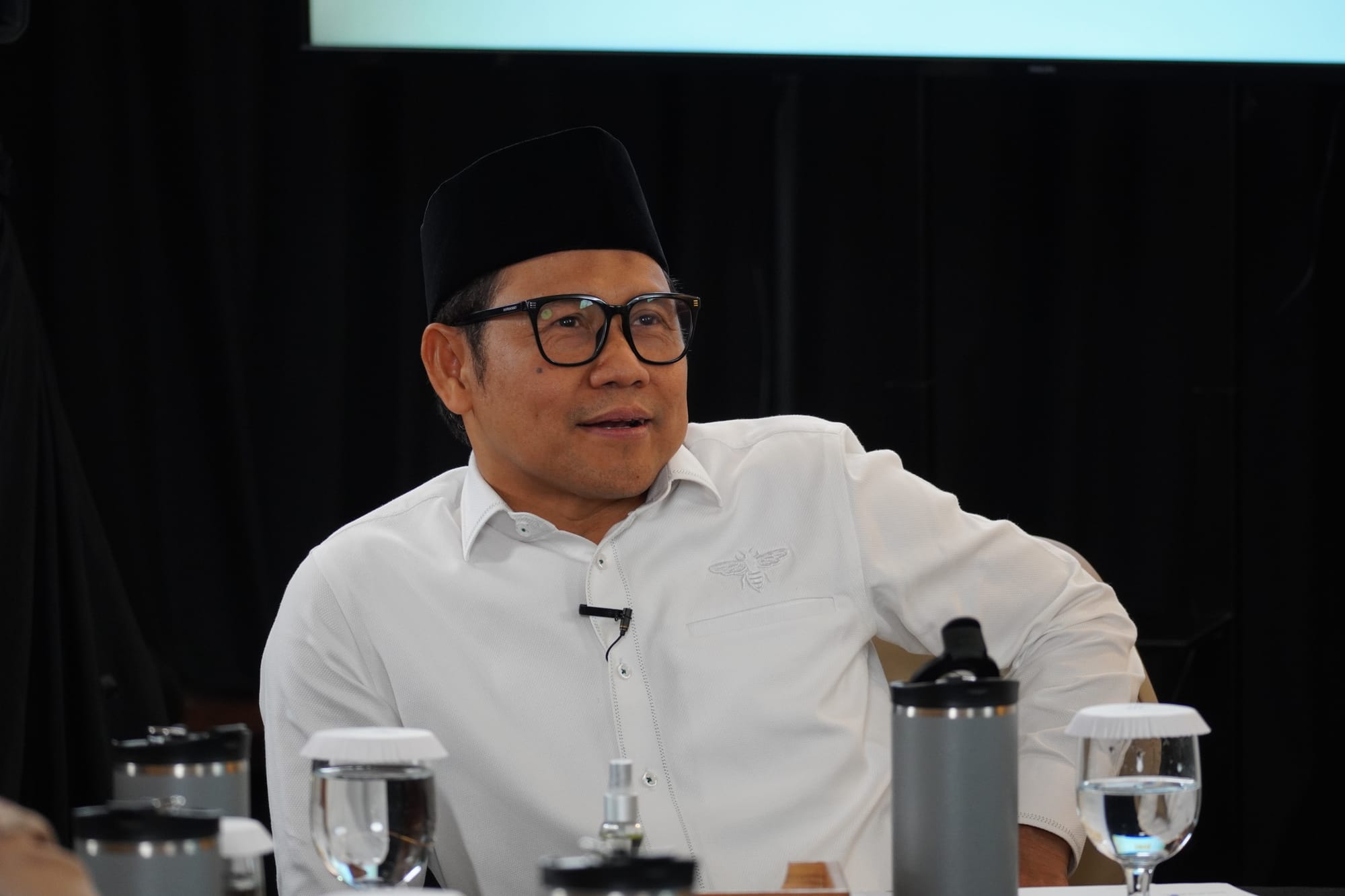
Muhaimin affirmed Dwi's explanation. According to him, improving the skills of prospective migrant workers can be done with systemic interventions. This can be started by including the qualifications needed by migrant workers in the learning curriculum at vocational schools, vocational training institutions (LPK), and universities.
For example, Muhaimin continued, for language skills, not all vocational schools require foreign language skills. In this case, we are lagging behind the Philippines, which requires students to be proficient in English.
"This work must be completed immediately so that once the market is known, the curriculum can be truly aligned with the needs," Muhaimin said.
Muhaimin added that another important effort is to map the aspirations of vocational and university students who wish to work abroad. In this way, preparations can be made early as well as identifying the needs in the destination country that match the skills of prospective migrant workers.
Fees and illegal routes
Although the opportunities for migrant workers in foreign markets are large, there are latent problems that often go unnoticed. Bob Azam highlighted the financing aspect of preparing migrant workers.
"I have experience in Surabaya. There is a welder training center with destinations in Japan, South Korea, and Germany. Work at the shipyard. Definitely accepted. The problem is, the cost of training for 3 months needs Rp. 60 million, who wants to finance it?" said Bob.
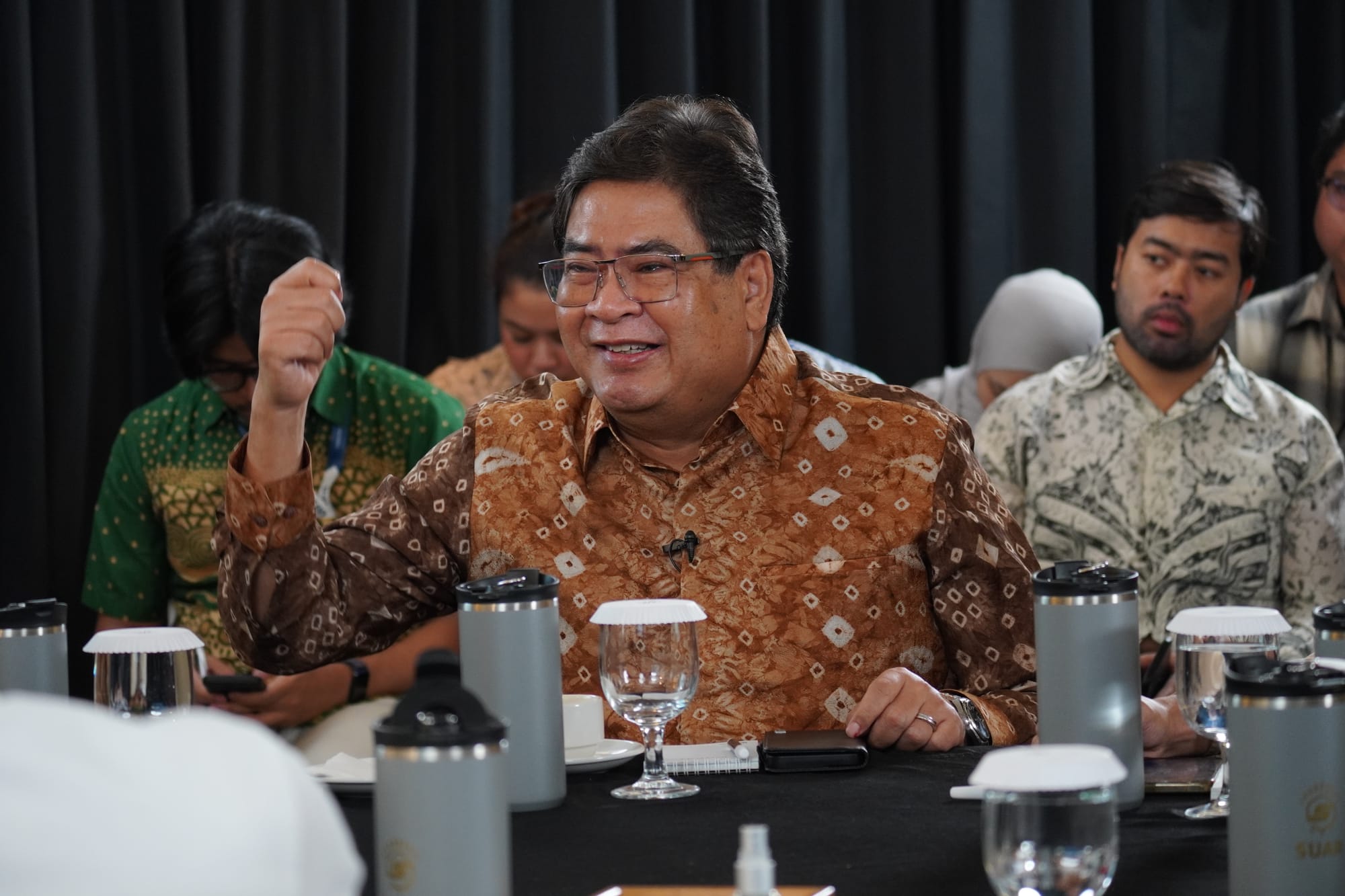
This problem, according to Bob, makes it difficult for prospective PMI to access training. In addition, this also has implications for the working conditions of PMI. In Japan, Bob found migrant workers who departed at their own expense. As a result, the migrant workers were charged a lot of fees, were not protected, and eventually chose to run away from work. As a result, these migrant workers became illegal workers.
Another finding was presented by Yusuf from Migrant Care's Advocacy Division. According to Yusuf, many prospective migrant workers are not going abroad as workers, but as apprentices. Still from Japan, Yusuf stated that the number of migrant workers with apprenticeship status is higher than that of workers. With this status, many migrant workers receive substandard salaries.
In addition, Yusuf said that the PMI departure mechanism is not yet orderly. Many prospective migrant workers with Specified Skilled Worker (SSW) certificates are still sent to Japan through LPKs. "In fact, according to the rules, LPK can only provide training, not dispatch. The impact is that when the migrant worker has started working, he becomes vulnerable and neglected," said Yusuf.
The problem gets worse when such findings are reported to the government. In Yusuf's experience, he believes that the government does not have a clear complaint mechanism.
"We have reported to the Ministry of Protection of Indonesian Migrant Workers (KP2MI), but the report was not accepted and was instead thrown to the Ministry of Manpower (Kemnaker). The reason is that KP2MI stated that matters related to LPK are the authority of the Ministry of Manpower. Whereas previously we had gone to the Ministry of Manpower, but instead we were directed back to KP2MI. When we went back to KP2MI, we were thrown back to Kemnaker," he said.
Strengthening governance
According to Muhaimin, the various problems surrounding PMI can be resolved by improving the current governance system. For Muhaimin, the system must be continuously updated to be relevant to the current dynamics. "There will always be obstacles, but the important thing is to concentrate on new steps that can have a quick impact on PMI, we will make sure everything is integrated," he said.

In line with Muhaimin, Director of Protection of Indonesian Citizens of the Ministry of Foreign Affairs Judha Nugraha revealed that improving governance is the main key to solving the PMI problem. He emphasized the importance of a migration process that should be easy, cheap, fast, and safe.
"Legal channels are still limited, so many choose illegal channels, which are actually more expensive. When that happens, many stumble upon cases. So, there needs to be an integrated service so that everything can be monitored properly," says Judha.