

Indonesia as one of the countries that has biodiversity, has great potential in developing natural ingredients to become raw materials for herbal medicinal products that have international standards and quality.
The development of modern herbal medicine in Indonesia has also received support from the World Health Organization (WHO).
One of the companies in Indonesia that is currently developing modern herbal medicines, is PT Bintang Toedjoe, which is a subsidiary of PT Kalbe Farma Tbk.
PT Bintang Toedjoe on Monday (20/7/2025) has also received a visit from the International Regulatory Cooperation for Herbal Medicines (WHO-IRCH) and the Food and Drug Supervisory Agency (BPOM) of the Republic of Indonesia, because the company is clearly committed to improving the development of natural medicines in Indonesia.
President Director of PT Kalbe Farma TBK, Irawati Setiady, said that currently the company with the spirit of "From Nature to Science" has presented products resulting from the latest innovations such as Bejo Red Ginger and Komix Herbal which have received worldwide recognition.
"This visit is an important part of our joint commitment to strengthen international collaboration in the development and standardization of natural medicine based on scientific research. As part of the Kalbe Group, PT Bintang Toedjoe is always committed to implementing production practices that meet national and international standards," Irawati said through her written statement.
Read also:
 Benedictus Krisna Yogatama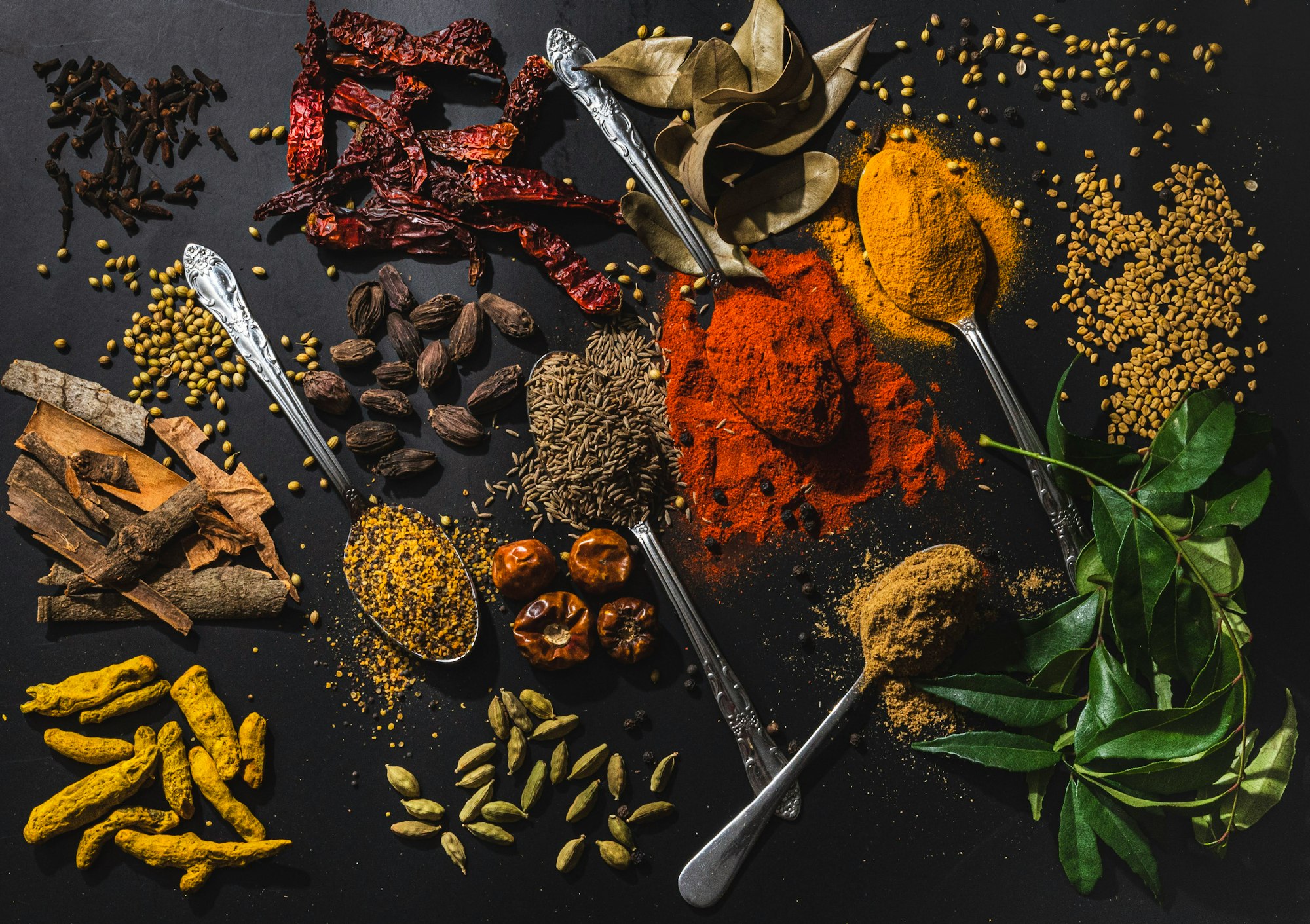
One of the efforts made, is to ensure that all of PT Kalbe Farma's facilities have been certified with such as the Good Manufacturing Method of Natural Medicines (CPOBAB), Good Manufacturing Method of Traditional Medicines (CPOTB), ISO 9001, ISO 14001, and also ISO 45001.
PT Bintang Toedjoe has now transformed into one of the leading herbal industries in Indonesia that focuses on developing products based on natural ingredients, which are scientifically tested and safe for public consumption.
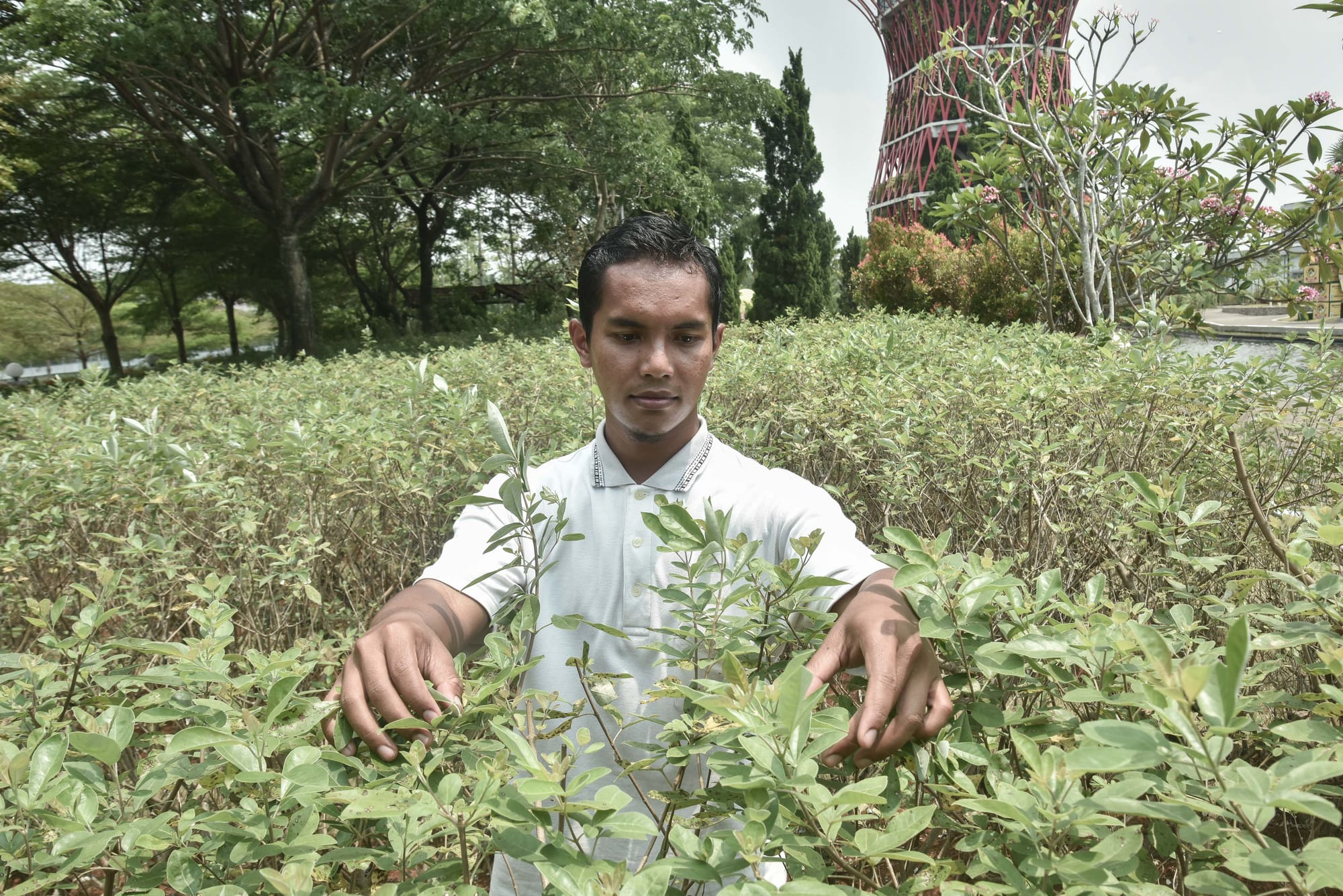
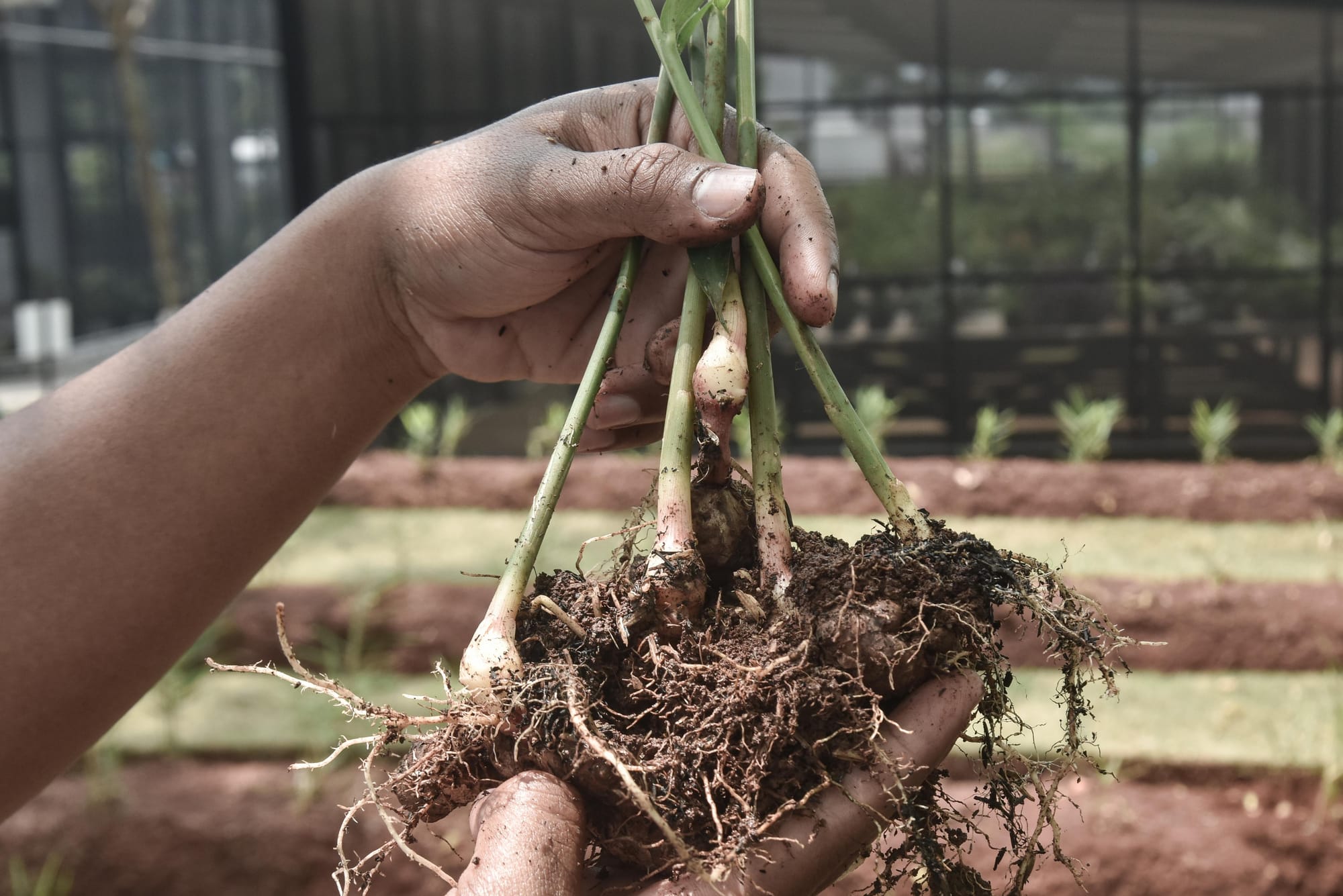
"We are also developing an integrated red ginger herbal ecosystem from upstream to downstream, starting from seeding, cultivation with fostered farmers, post-harvest processes, extraction and distillation, to research and product commercialization," he explained.
The move was also made with the aim of supporting the economic sustainability of local communities.
The things done by Bintang Toedjoe in developing herbal medicine in Indonesia also get full support from BPOM, as revealed by the Deputy of Traditional Medicine, Health Supplements and Cosmetics Supervision of BPOM, Mohammad Kashuri.
"We express our sincere appreciation to PT Bintang Toedjoe for its breakthrough in building a comprehensive red ginger ecosystem, showcasing Indonesia's indigenous herbal commodity," Kashuri explained.
PT Kalbe Farma and also Bintang Toedjoe in developing this modern herbal medicine also continue to coordinate and collaborate with the government, industry, research institutions, academics, and international organizations such as WHO.
"This initiative involves active collaboration between farmers, the private sector, educational institutions and government agencies. The company has successfully developed innovative red ginger-based products that have now been marketed globally," he continued.
WHO-IRCH as a forum for international cooperation is also considered to have an important role in strengthening the capacity of national regulatory authorities in the field of herbal medicine. This visit is also expected to be an important momentum in strengthening Indonesia as one of the centers for the development and production of international standard herbal medicines.
On the same occasion, the Head of WHO-IRCH, Kim Sungchoi, also appreciated all related parties in Indonesia who jointly built an ecosystem for the development of herbal medicines.
"WHO-IRCH serves as a global platform to strengthen collaboration and regulatory convergence in the field of herbal medicines. We greatly appreciate Indonesia's leadership and the commitment of its industry, especially PT Bintang Toedjoe, in advancing high-quality herbal products," Kim added.
The mission to make Indonesia one of the centers of herbal medicine development in the world was also well received by the Association of Biopharmaceuticals and Medicinal Raw Materials (AB3O).
AB3O Secretary General, Irfat Hista Saputra, explained that his organization strongly supports this mission. A number of pharmaceutical companies in Indonesia have also developed herbal medicines, and made innovations to improve competitiveness.
"Of course that is our hope, that it is predicted as a center for the development of raw materials for herbal medicines, chemical drugs, biological drugs, of course our hope. And indeed the ecosystem already exists, there are ready-made medicines," said Irfat when contacted, Sunday (26/10/2025).
Even so, there are a number of challenges that need to be faced by drug producers ranging from exports abroad to recognition from the medical world about these herbal medicines. Every medicine from Indonesia that wants to be exported abroad is said to have to go through the testing stage and get permission from the local government agency first.
"Let's say in Indonesia there is a distribution permit number from the POM for drugs, then the procedure in pharmaceutical factories in general is that they must first register with the POM in that country. The problem is whether the POM in those countries recognizes it or not," he said.
Pharmaceutical companies must go through test stages such as stability tests, process validation, curing, and other recognized tests. Therefore, to facilitate exports and introduce Indonesia's quality products, it is hoped that all related parties can work together better.
"I think the obstacle is business to business and government to government. Unless the drugs are herbal or phytopharmaceuticals, if they have been recognized in Indonesia by the POM and have a distribution permit number, then they can automatically be circulated abroad, but there must be recognition from ASEAN, WHO, and others," he said.
Center of Reform on Economics (CORE Indonesia) Economic Researcher, Yusuf Rendy Manilet, believes that strengthening research is the main factor for Indonesia's herbal industry to compete at the global level. According to him, the wealth of natural ingredients does not automatically make Indonesia superior if it is not followed by systematic and science-based research. "Many herbs are claimed to be efficacious, but they have not been followed up into products that go through a serious research process," he said.
Yusuf explained that the huge potential of raw materials will only have an economic impact if they are processed into industry-ready innovations. As long as research funds and research capacity remain limited, many herbal formulas will stop at traditional claims. Investment in research is a prerequisite for natural ingredients to be upgraded to modern herbal products that are tested and meet international standards.
According to Yusuf, the ratio of research funding to Indonesia's GDP is still small, while private actors who are active in research are still limited. Yusuf compared China's large research funding and strong research ecosystem, which has encouraged the growth of a scientific evidence-based herbal industry.
In addition to research, he highlighted the need for integration between small businesses and large industries to make the herbal supply chain more efficient. Quality standards and certification are the main obstacles for micro-entrepreneurs to enter the big industry. According to Yusuf, collaboration with universities and pharmaceutical laboratories is also important to strengthen the scientific validation of herbal products, while building consumer confidence in their safety and efficacy.
Yusuf believes that laboratories at various universities are already available and can be optimized if there is adequate policy and funding support. "There are already laboratories that can be utilized, they just need to be given funds to study more seriously," said Yusuf.
In addition, increased research also needs to be accompanied by public education so that consumers are more aware of the benefits and safety of herbal products. According to him, consumer awareness of herbal products is still low because the information circulating is limited and mostly obtained only by word of mouth. "If we are ambitious to become an industrial center, public awareness must be increased," he said.