
A number of experts project that Indonesia's trade performance in 2026 will still be overshadowed by Trump's tariffs, known as 'Trump2.0'. This is both a challenge and a threat to Indonesia's trade balance amid the continuing global economic slowdown.
Indef Executive Director Esther Sri Astuti said that to anticipate unexpected events, Indonesia needs to prepare safety weapons to increase trade, especially exports.
"Geopolitical uncertainty is also one of the challenges to the progress of trade performance," Esther said in a discussion in Jakarta, Thursday (27/11/2025).
He cited the example of the tariff war between China and the United States that still looms over a number of countries. In addition, he said, the Ukraine-Russia conflict and the Palestinian-Israeli war have not subsided.
According to him, the Indonesian government should accelerate the finalization of new trade with a number of non-traditional countries such as Peru and Tunisia which were recently signed.
This step is important as an alternative export market to the US, amid global uncertainty forging partnerships with non-traditional countries is urgent.
"Indonesia Tunisia Preferential Trade Agreement (PTA) is awaited by the business world because this trade agreement is quite interesting," he said.
The same thing was conveyed by Bank Danamon Economist Hosianna Situmorang who assessed that a number of commodity goods exported from Indonesia to the US such as textiles, electronics, and footwear would experience difficulties in the US market.
He also reminded Indonesia to anticipate this policy change, especially since Indonesia is a major exporter of copper, plywood and palm oil.
"The risk of higher tariffs for certain products remains," he said.
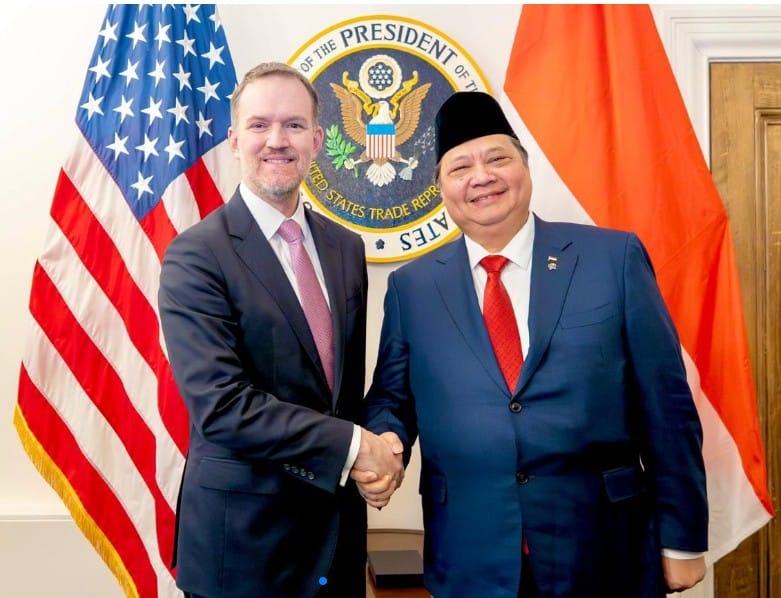
In addition, the government's plan to increase imports from the US such as refined petroleum products, soybeans and wheat was part of the recent trade negotiations.
"This needs to be watched out for because it can threaten Indonesia's trade balance surplus, especially if the resulting import deal is quite large," he said.
Trade agreements, he said, are one way to increase Indonesia's exports and those of trading partner countries amid the protectionist trend in global trade.
According to the trade ministry, the Indonesia-Tunisia PTA has been substantively completed and is planned to be signed in early 2026.
The Indonesia-Tunisia PTA adds to Indonesia's series of trade negotiations with partner countries that have been completed, namely Indonesia-EU CEPA, Indonesia-Canada CEPA, and Indonesia-Eurasian Economic Union CEPA. In addition, Indonesia has initiated trade agreements with countries in the Middle East region.
Some strategies
Acting Head of the Trade Policy Agency of the Ministry of Trade Johni Martha said Indonesia must organize strategies that can be used as weapons to secure trade performance.
There are three strategies required including:
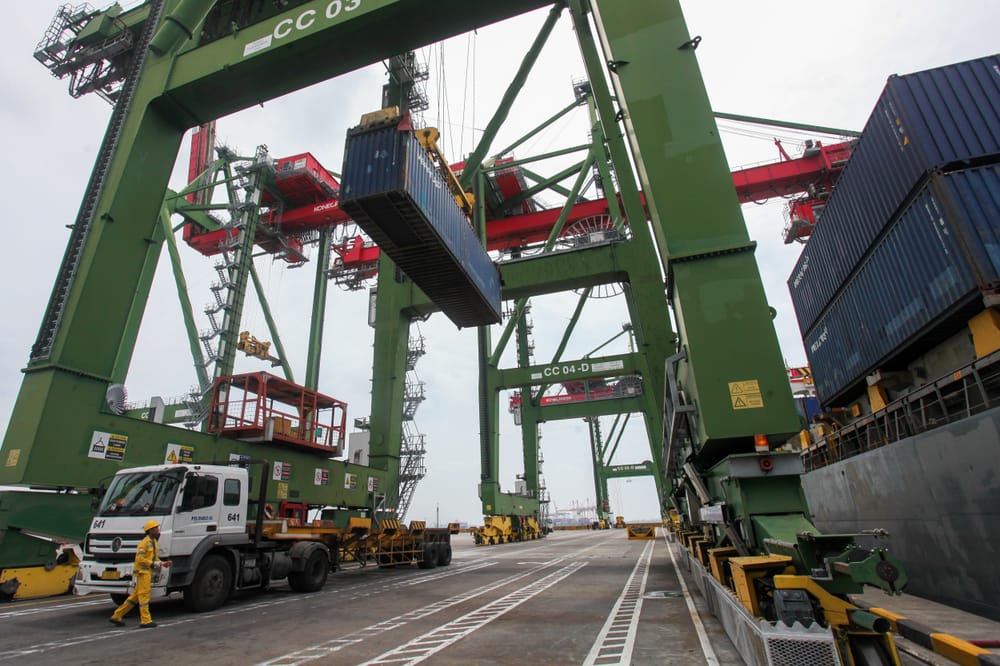
- First, expand export markets by conducting economic diplomacy and negotiating fair and mutually beneficial trade agreements to open and expand market access. Increasing the promotion of superior products in international markets through overseas representatives such as Trade Attaches and utilizing online business forums. In 2026, Indonesia's total exports are targeted to increase by 7.09% to US$ 305.69 billion, while in the January-September 2025 period Indonesia's export value had reached US$ 209.80 billion.
- Second, Improving industrial competitiveness by accelerating downstream to increase the added value of derivative products such as oleochemicals, products for the food, cosmetics, and pharmaceutical industries. Develop products that are in line with global trends such as environmentally friendly products to meet ESG (Environmental, Social, Governance) standards.
- Third, adjust to global policies by seeking fair trading partners amid the global protectionist trend to ensure exports grow together.
"Organizing a smart strategy to anticipate unexpected things, especially those coming from the US, the goal is to maintain Indonesia's trade performance," he said in the discussion "Foreign Trade Outlook in 2026," in Jakarta (27/11).
In addition, strengthening the domestic market should also be a major concern, so that trade balance can be realized.
Strengthening the domestic market can be done by facilitating marketing partnerships, business matching, and logistics management to secure and strengthen domestic demand.
Keep Negotiating
Executive Director of the Indonesian Textile Association (API) Danang Girindrawardana said the high tariff policy still overshadows Indonesia's textile exports to the US in 2026.
In 2025, Indonesia managed to get a reciprocal tariff reduction from 32% to 19%, business actors still hope that the government will continue to negotiate until it reaches zero tariffs.
Indonesia is still lucky because Vietnam gets a higher tariff of 20%, Indonesia is still considered a promising partner for the US.
"The strength of the Indonesian textile industry is known to produce international brands with good quality, it is unfortunate if it has to slow down due to the impact of high import tariffs," he told SUAR in Jakarta (27/11).
In addition to tariff issues, API also focuses on imported goods, where API has attended a meeting with Minister of Industry Agus Gumiwang Kartasasmita to discuss cases of illegal importation that hit the domestic market.
He expressed his appreciation to Minister Agus Gumiwang Kartasasmita for the issuance of Minister of Industry Regulation 27 of 2025 concerning Procedures for Issuing Technical Considerations for Imports of Textiles and Textile Products.
He hopes that the Permenperin can reduce the entry of imported products into Indonesia.
Meanwhile, Deputy Chairman for Trade and Foreign Agreements of the Indonesian Chamber of Commerce (Kadin) Pahala Mansury said that to improve trade performance, it is necessary to strengthen the role of business actors and government support.
Support from the government can take the form of negotiating trade agreements with potential countries, improving export promotion and information: as well as improving product promotion and providing broader export market information.
Meanwhile, the role of strengthening business actors is to provide an additional budget for UMKM capacity building programs so that they are able to upgrade and compete in the export market and provide convenience for producers of export goods.