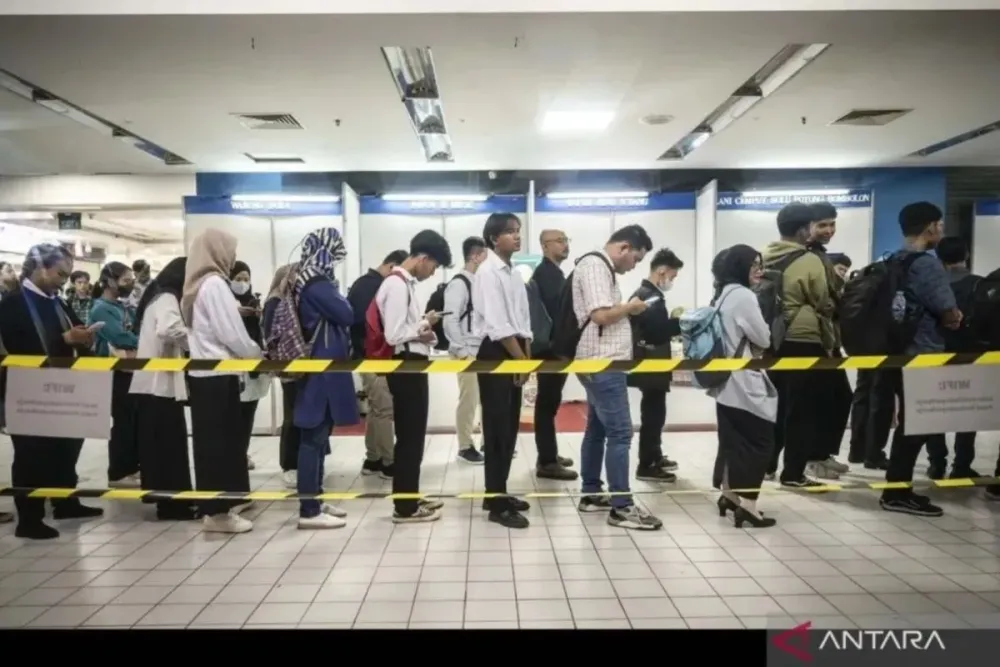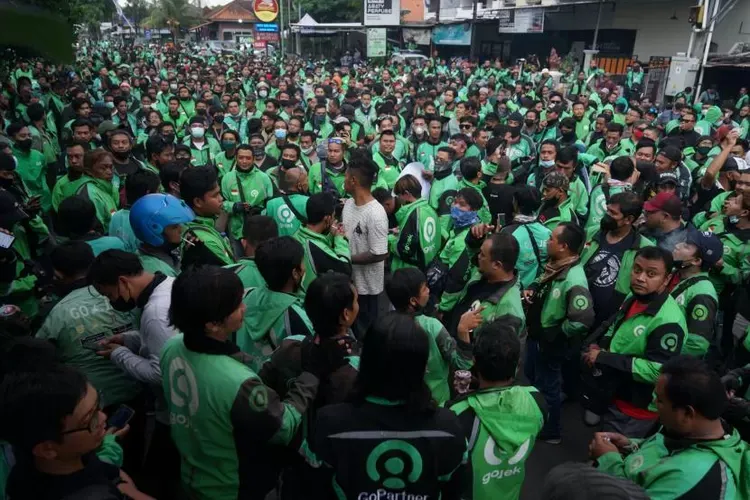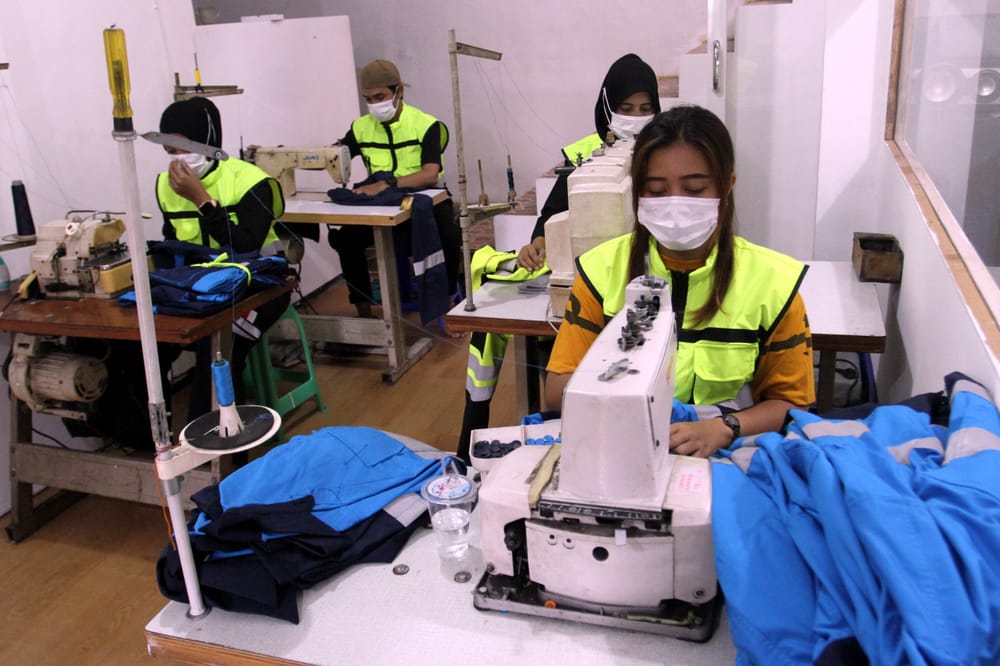

The labor-intensive industrial sector plays an important role in the Republic's economy. It absorbs millions of workers and contributes significantly to the national GDP. However, that contribution has declined over time.
Data from the Central Statistics Agency (BPS) shows that in 2014, the contribution of the manufacturing industry to GDP was still 21.02%. However, this figure fell to 19.7% in 2019, and continued to decline to 18.67% in 2023. Although it rose to 19.13% in 2024 and 19.25% in the first quarter of 2025, the long-term trend continues to show weakness.
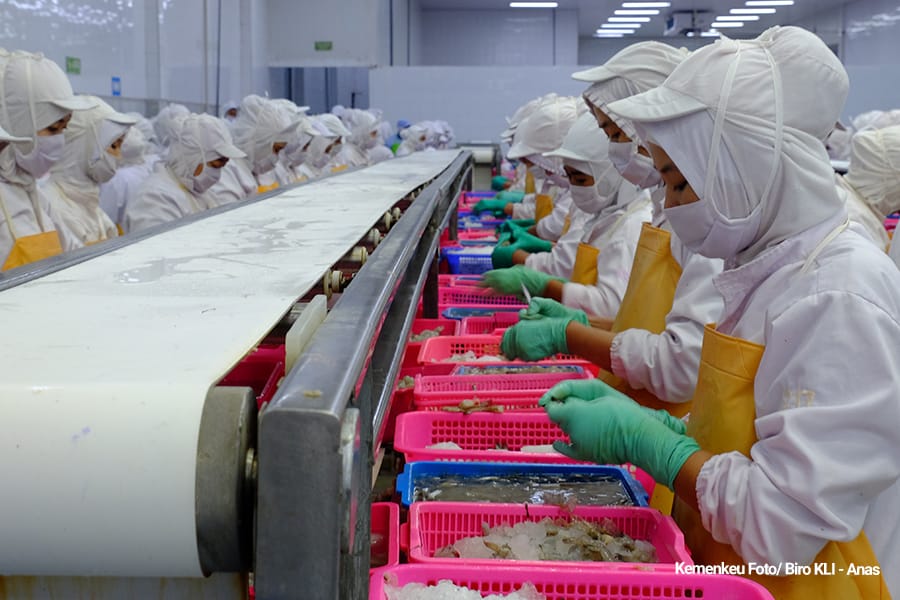
On the other hand, labor-intensive industries also have a strategic role in driving economic growth. According to data from the Central Statistics Agency (BPS), this industrial sector absorbs 13.8% of the total workforce in Indonesia. This large contribution is driven by the processing industry, which contributes 18.9% to the national gross domestic product (GDP).
Chairperson of the Trade Division of the Indonesian Employers Association (Apindo), Anne Patricia Sutanto, as quoted from the website Pajakku.com, stated that the stimulus or exemption of Income Tax 21 for labor-intensive sector employees can have a significant positive impact on the community in the midst of an economic situation that is under pressure.
Anne reminded that a similar policy was implemented during the Covid-19 pandemic and contributed to the national economic recovery. The incentives were proven to provide space for people to have higher purchasing power, which in turn supported economic activity.
Effective incentives rather than social assistance
According to Anne, the provision of Income Tax 21 incentives borne by the government is more effective in stimulating the economy than social assistance (Bansos). According to her, through this policy, workers can use their income without PPh 21 deductions for daily needs, which in turn will increase household consumption and turn the wheels of the economy.
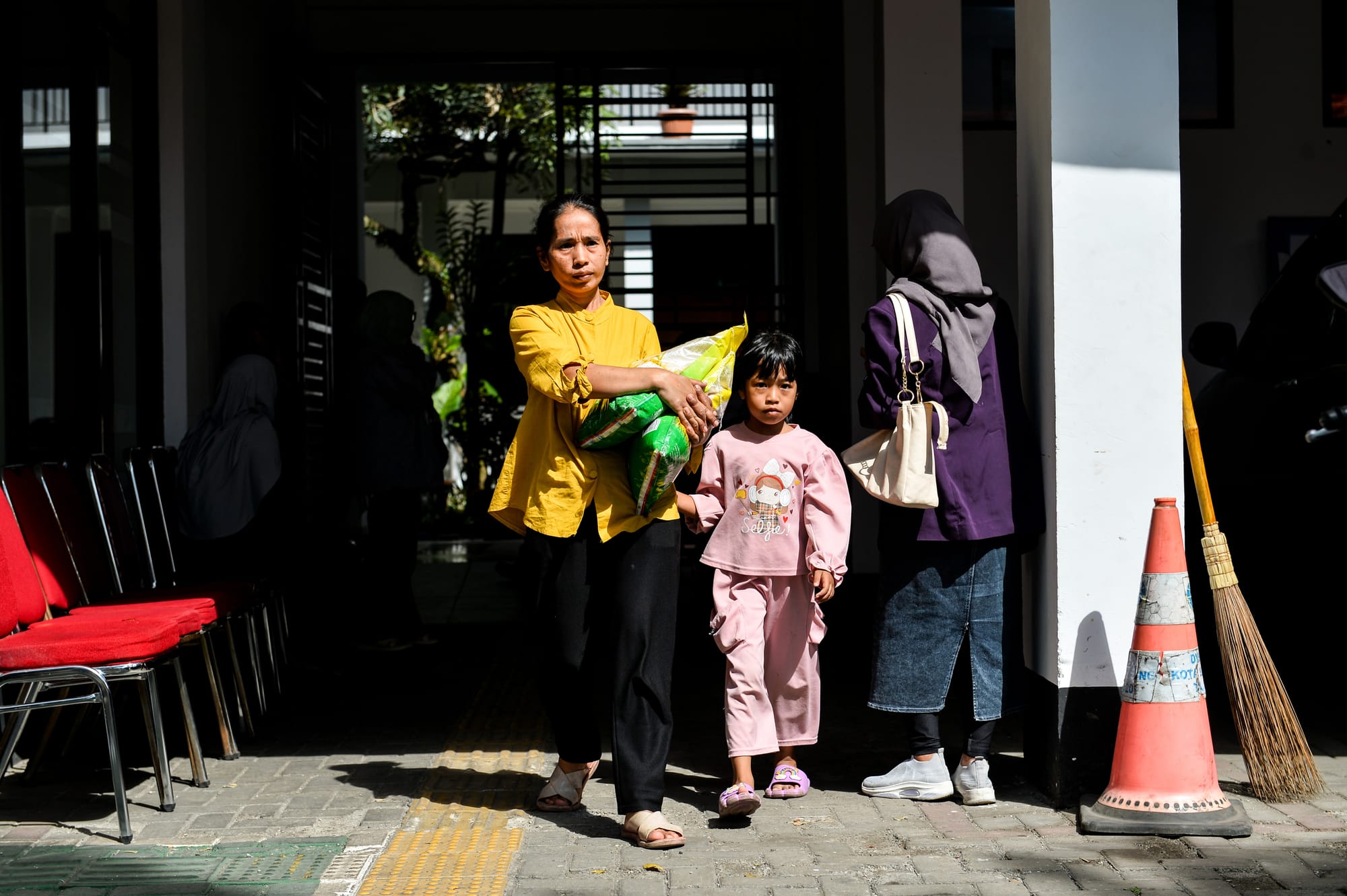
In addition, tax exemptions for labor-intensive sector employees can be a more targeted stimulus if the incentives are applied to labor-intensive industries. As this sector will get support to recover, it is expected to be able to maintain the number of workers and avoid greater layoffs.
Meanwhile, the Chairperson of the Apindo Employment sector, Bob Azam, considers the exemption of Income Tax 21 as a form of tax relaxation that can indirectly increase state revenue. According to Bob, this policy will be able to spur purchasing power which then drives the real sector.
He refers to state revenue data that has increased during the Covid-19 pandemic, namely in 2020 and 2021, when the government provided tax relaxation for several sectors. Bob argues that tax incentives such as PPh 21 can provide more tangible benefits in encouraging domestic economic turnover.
The juxtaposition of automation investment incentives
With tax incentives to attract investment in new machinery, the hope is to increase production efficiency. Thus, companies can have room to expand their profit margins, without the need to reduce the number of workers.
Textile industries that implement automated machines in their production process can produce more products at a lower cost, thus maintaining the number of workers.
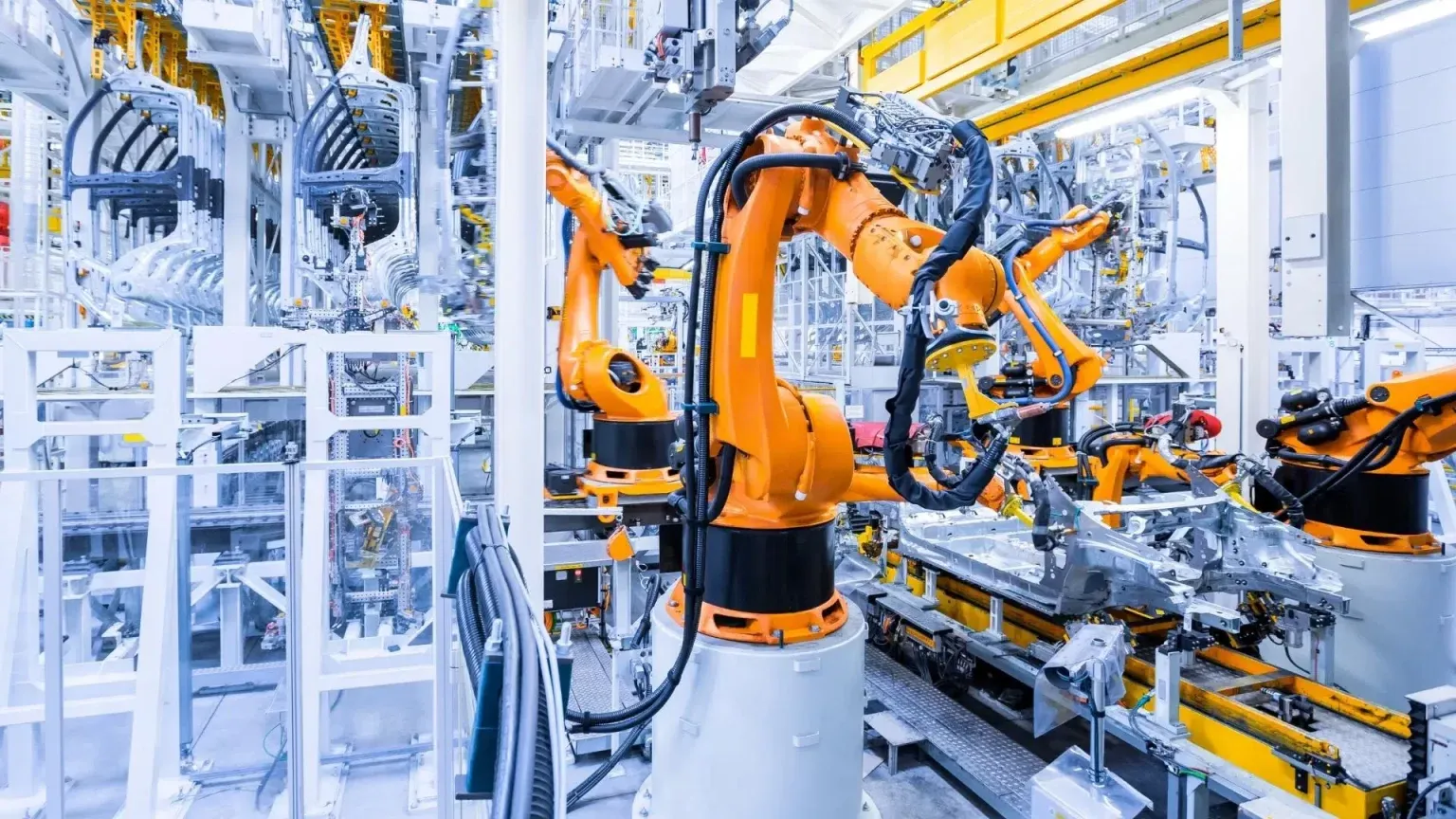
Tax incentives also provide room for companies to reduce expenses, potentially reducing the risk of layoffs. With more efficient technology and reduced operational costs, companies can more easily survive challenging economic situations and do not need to sacrifice their workforce.
Based on the Indonesian Textile Association's Q1-2025 Report, the Income Tax 21 DTP incentive directly contributed to the postponement of layoffs, including 200 employees at PT Sumber Tekstil Mandiri (STM) in West Java. The company utilized the tax savings to conduct retraining and market diversification.
In general, data from the Indonesian Textile Association shows a 15% decline in the trend of layoffs in the first quarter of 2025, compared to the same period the previous year.
However, there are risks in the long run associated with increased automation gained through tax incentives. More efficient machines and the use of advanced technology could potentially replace some manual work, especially in sectors that rely heavily on labor.
Therefore, while this policy can maintain employment in the short term, in the long term, training and skill upgrading programs are needed to reduce the risk of structural unemployment due to automation.
By reducing the obligation to deduct and remit PPh 21 to the state treasury, companies have more funds that can be used for skills improvement. Thus, the company's productivity will be better and more competitive.
Thus, the policy implications of this tax incentive are expected to increase domestic consumption as it results in greater income in the hands of workers and increased household spending. This all contributes to economic growth in a situation of global economic uncertainty, as well as increasing market confidence through a supportive fiscal policy towards Indonesia's economic stability.
Find new markets, improve licensing
Although there are already many incentives, and the government plans to provide more stimulus, the current economic conditions still need new policy innovations that are suitable for Indonesia's economic conditions. For example, opening up new markets to replace the US market, which has stagnated due to the imposition of high import tariffs.
The latest development of the Indonesia-European Union Comprehensive Economic Partnership Agreement (IUE-CEPA), which is just about to be signed, gives new hope for the opening of new markets for Indonesia's labor-intensive industries.
Center for Strategic and International Studies (CSIS) researcher Deni Priawan said that the labor-intensive sector is the main element behind the long negotiations of IEU-CEPA. "The hope is that products such as shoes and garments, which have lost competitiveness in the US market due to high tariffs, can be diverted to Europe. But the homework is: we are still behind Vietnam, which already has a trade agreement with the European Union," he told SUAR.
According to Deni, it's not just about tariffs. Vietnam has the courage to open up investment from the European Union, reform the business climate, and build an integrated supply chain. "We have to think not only about selling to Europe, but also inviting their investment to make our industry more competitive," he explained.
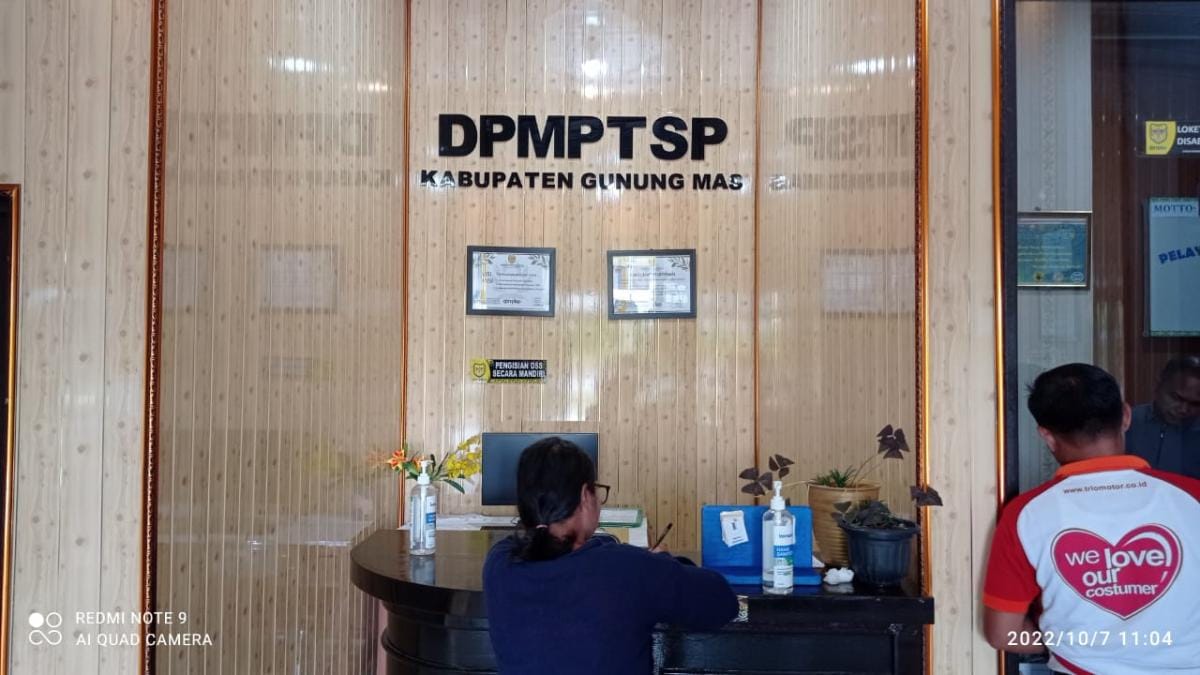
In addition to incentives and new markets, Chairman of the Indonesian Industrial Estate Association (HKII), Sanny Iskandar, sees the need for an improved licensing system through one single submission (OSS). This system is considered an important key for the business world. "The labor-intensive manufacturing industry is very sensitive to the time and cost of licensing," said Sanny.
According to him, so far, delays and uncertainty in the permit process have often made investors hesitant to expand their business. As a result, some choose to shift their investments to other countries or delay realization in the country.
If OSS is truly refined, simpler, more transparent, and well integrated between ministries/agencies as well as between the center and the regions, the impact will be felt immediately. New factories can be established faster, labor can be hired immediately, and supply chains run more efficiently.
If OSS is improved to be simpler, more transparent, and well integrated between ministries/agencies as well as between the center and the regions, the impact will be felt immediately.
According to Sanny, any time and cost efficiency in licensing will have a direct impact on the industry's ability to absorb labor, maintain product competitiveness, and expand markets, both domestic and export. The same will also be felt by UMKM - who need a simpler permit process to grow their businesses.
However, any economic stimulus provided will only be effective if it is directed at fundamental issues. "The most urgent is the certainty of consistent, non-overlapping regulations, as well as efforts to reduce high economic costs, especially related to logistics, energy, and licensing," said Sanny.