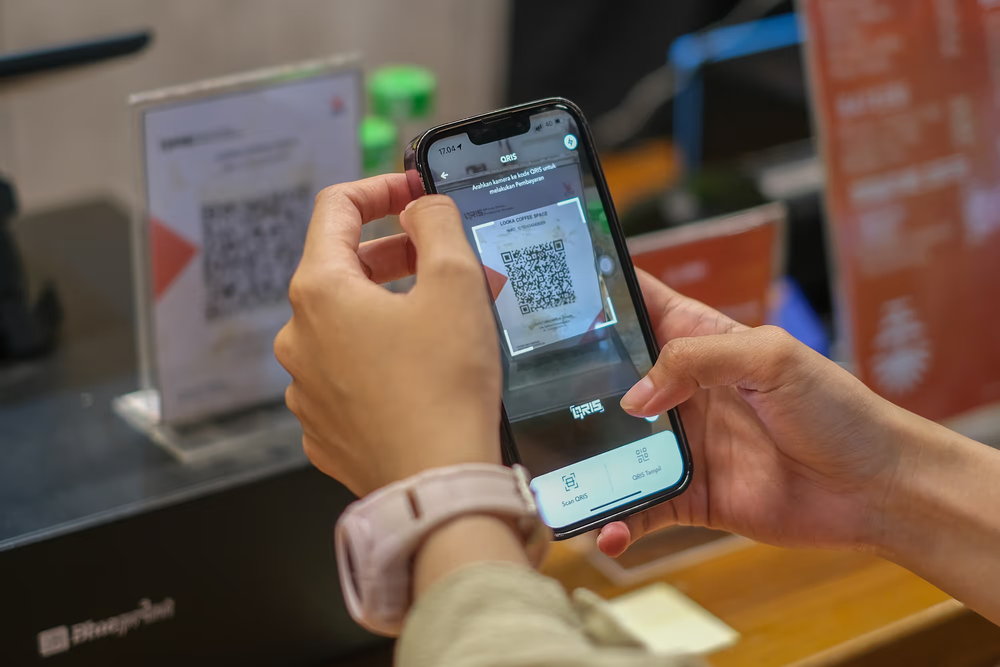
The Financial Services Authority (OJK) convened the National Forum of Financing Services and Microfinance (NFSM 2025) in Jakarta to highlight the growing role of financing and microfinance institutions in supporting small businesses and advancing inclusive growth.
Agusman, OJK’s Chief Executive Supervisor for Financing Institutions, Venture Capital Companies, Microfinance Institutions, and Other Financial Services (PVML), said the inaugural forum reflects OJK’s push to widen financing access for micro, small, and medium enterprises (MSMEs).
“This effort is expected to facilitate doing business, broaden access to financing, and strengthen the role of the PVML sector in supporting national economic growth,” Agusman said.
Industry association leaders also outlined each sector’s contributions. Suwandi Wiranto, Chairman of the Indonesian Financial Services Association (APPI), stressed that the financing industry—better known as leasing—has made a significant contribution to MSMEs.
He noted that the industry initially focused on productive sectors such as machinery and heavy-equipment leasing, but over time there was a major shift toward consumer financing. Today, he said, the industry is once again recognizing the importance of productive sectors.
“From 2000 to 2015 there was a shift in APPI’s portfolio. The consumer portfolio—vehicle purchases for motorcycles and cars—continued to grow; we grew 25%–35% in the consumer segment. The productive segment remained, but its position was gradually overtaken,” he said at NFSM 2025 in Jakarta (12/8/2025).
He added that as of May 2025, total financing disbursed to MSMEs had reached Rp170 trillion, or 35% of the industry’s total portfolio—far exceeding OJK’s target of 10%. Suwandi also highlighted how financing companies are using consumer collateral, such as vehicle registration certificates (BPKB), to provide MSME working capital, reflecting the industry’s creativity in supporting small businesses. In addition, APPI is expanding cooperation with business associations such as Apindo and Hipmi to reach more MSMEs.
The venture capital industry is also playing a role, albeit with a different approach. Eddi Danusaputro, Chairman of the Indonesian Venture Capital and Startup Association (Amvesindo), explained that venture capital is distinctive because it can provide equity participation.
“What may set us (venture capital) apart from others is that we might be the only ones who can provide equity. As the name suggests—venture capital—if we like an investee company, we don’t just extend credit; we buy shares,” he said at NFSM 2025 in Jakarta (12/8/2025).
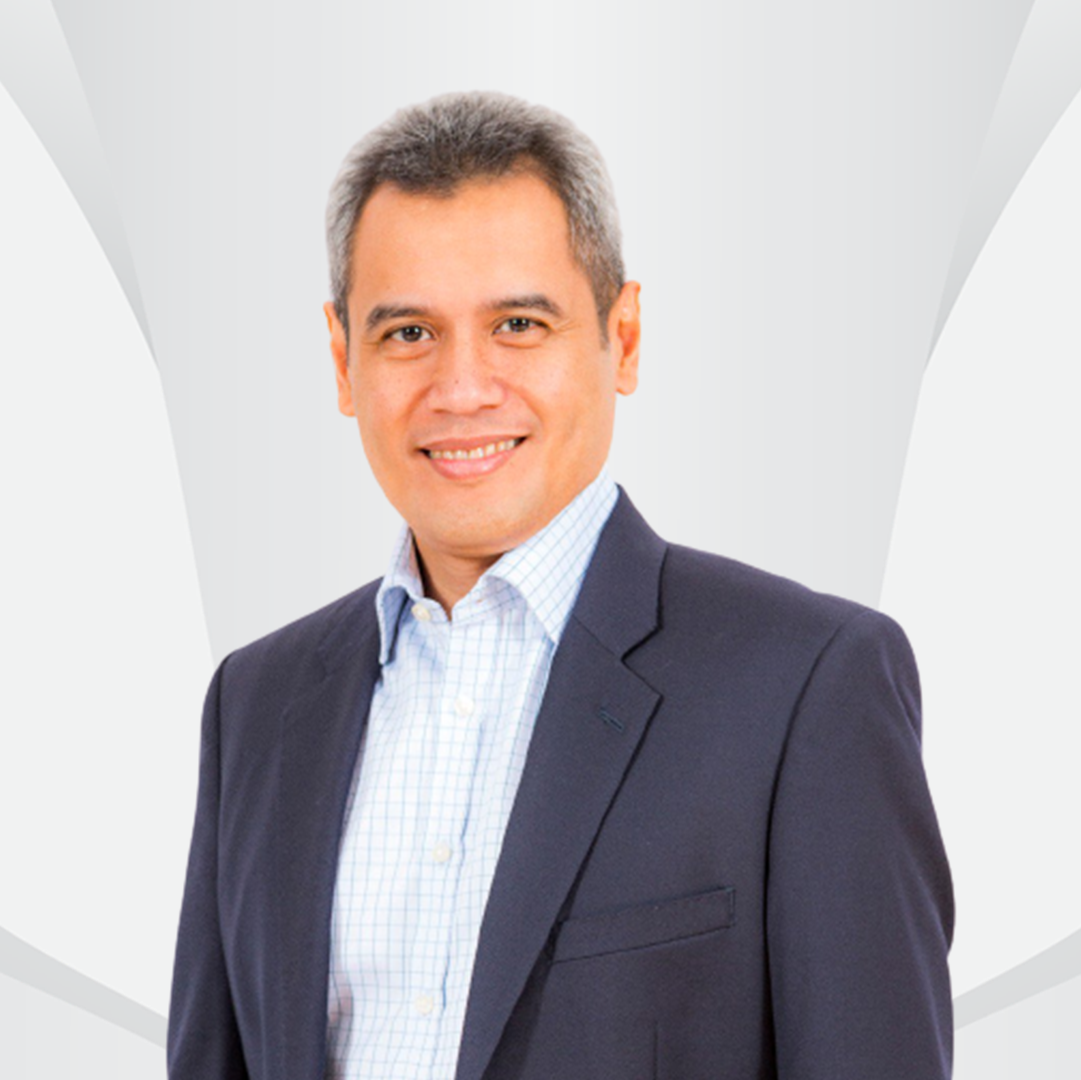
Eddi Danusaputro reported that data as of April 2025 show total venture-capital funding is still growing, with MSME financing rising far faster than startup funding. He acknowledged challenges in the startup sector but remained optimistic that the industry will keep developing, supported by programs for the creative economy and talent development.
Separately, Entjik S. Djafar, Chairman of the Indonesian Joint Funding Fintech Association (AFPI), said online lending (pindar) seeks to reach people not served by conventional financial institutions-the unbanked and underserved. “Our market is the unbanked and underserved,” he said at the same event.
According to him, online lending can provide borderless digital credit access, even to 3T regions (tertinggal, terdepan, terluar - least developed, frontier, and outermost). He cited AFPI’s Fintech Landing Days in Sorong, Papua, with the tagline “Pindar reaches the far east.”
AFPI data indicate that 80% of borrowers are still on Java. Even so, AFPI continues to expand outreach beyond Java, and the online-lending industry is also targeting the MSME segment.
Entjik further noted that AFPI research identifies a very large ultra-micro market -small traders who need Rp2–6 million in monthly loans. The potential market is estimated at Rp30 trillion per month.
The pawnshop industry also plays a vital role, especially for MSMEs that need fast and easy financing. According to Damar Latri Setiawan, Chairman of the Indonesian Pawnshop Companies Association (PPGI), the MSME market potential for pawnshops is substantial. He cited a 2021 McKinsey survey indicating that of 57 million MSMEs, 45 million still require additional capital.
“The pawnshop industry can be a quick solution for MSMEs to obtain financing, both for additional working capital when the economy is expanding and to stay afloat in difficult times,” he said at the National Forum of Financing Services and Microfinance 2025 in Jakarta (12/8/2025).
He also highlighted the industry’s increasingly strategic role as a “gold bank.” According to him, the trend of saving in gold among young people is rising, creating a large market opportunity.
“Our gold savings accounts have reached 3.9 million customers,” Damar said.
He added that the gold savings service allows people to save easily—starting from as little as Rp15,000—or by depositing the gold they already own.
In addition, the pawnshop industry can serve as a source of working capital in gold for artisans and gold manufacturers. “Come to the gold bank to borrow gold so it can be used as working capital in gold,” he explained. This shows that pawn services not only provide cash loans but also play a role in the gold industry’s supply chain.
Meanwhile, Burhan, Chairman of the Association of Microfinance Institutions (Aslindo), said that microfinance institutions (LKM) and Islamic microfinance institutions (LKMS) have a central role in meeting the financial needs of rural communities—especially those without access to conventional banking (unbankable).
“When we talk about microfinance institutions (LKM), we are talking about the non-bankable: village communities, fishers, vegetable vendors, firewood collectors in forests, and others among low-income groups,” he said at the same event in Jakarta (12 August 2025).
Burhan explained that the majority of MFI and Islamic MFI (LKM/LKMS) customers—around 70%—are non-bankable and generally lack collateral. He added this is because collateral such as vehicle ownership documents (BPKB) is often already pledged for other loans. Therefore, LKM and LKMS offer unsecured loans to serve low-income groups such as farmers, fishers, vegetable traders, and firewood collectors.
In addition to extending financing, LKM and LKMS also mobilize savings. He noted that MFIs accept deposits as small as Rp5,000 per week. Loans can start from Rp100,000 per week with affordable installments of Rp10,000 per week. According to him, this system has worked smoothly and delivered a positive impact on communities.
“One example in our case (Aslindo): in a regency with 239 villages, we have already reached 40 villages. Our assets before transforming into an MFI were around Rp4–5 billion. We started the MFI in early 2018; by 2024 our assets had reached Rp50 billion,” he said, citing MFI growth as a successful model.
He said this significant asset increase proves the MFI model’s success, which now covers 40 out of 239 villages in one regency. MFIs also maintain branch offices in each village to serve savings and credit.
Aslindo records 240 MFIs across Indonesia, 118 of them in Central Java. These MFIs serve various sectors, from cassava farmers to the cassava chips industry.
Burhan added that MFIs operate not only at the village level but also at the subdistrict and regency levels. Some Islamic MFIs (LKMS) even operate within Islamic boarding schools (pondok pesantren).