
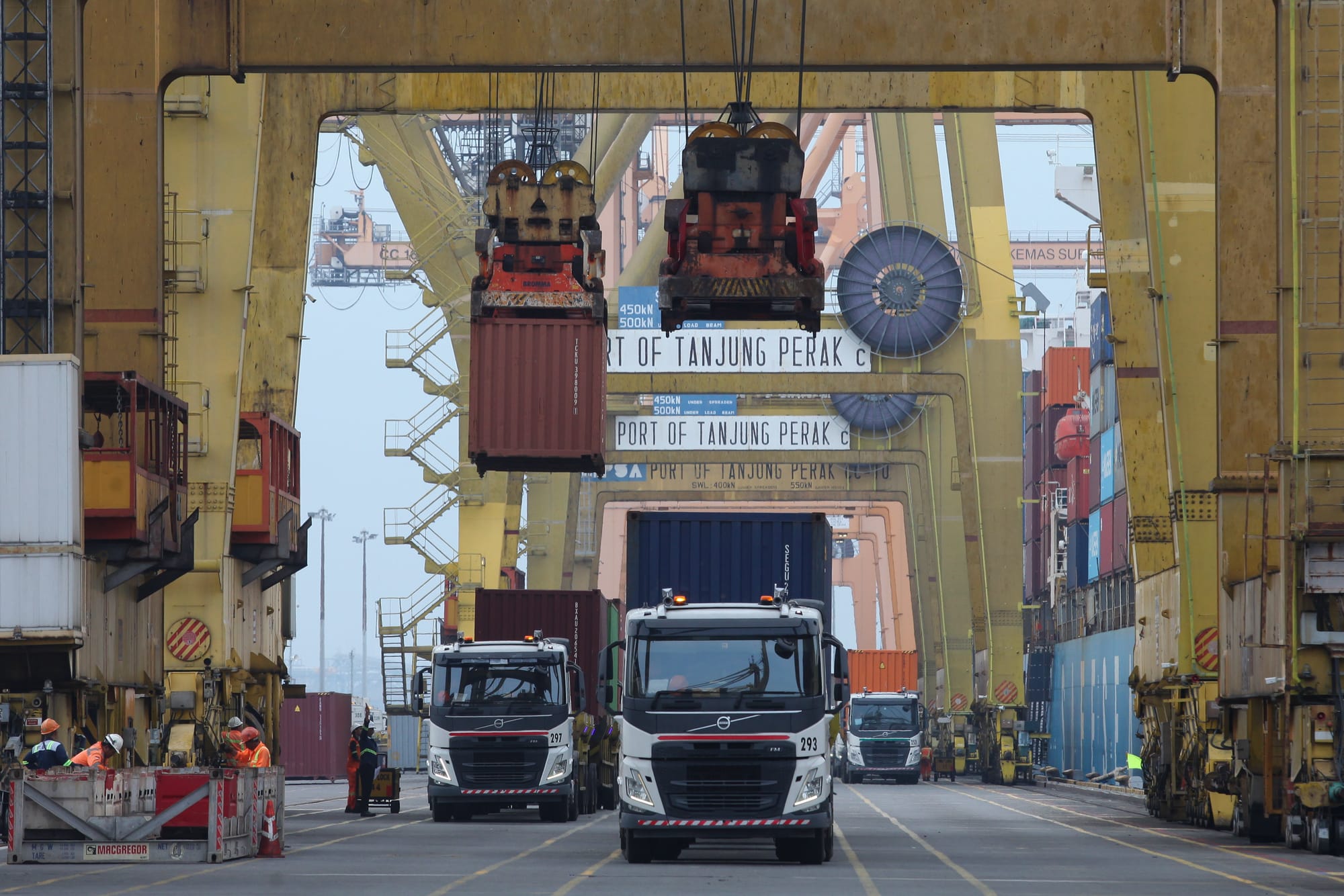
In the face of various operational challenges, the logistics sector is required to continue to innovate to create a reliable, efficient supply chain and increase investment attractiveness. Efforts to strengthen rail and maritime connectivity as modes of transportation are one of the mainstays to not only increase efficiency by reducing logistics costs. It also helps reduce the carbon footprint to achieve the goal of net zero emission by 2060.
These alternative tips were put forward by the panelists of the Indonesian Logistic Leaders Forum as part of the ALFI Convention and Exhibition (ALFI Convex) 2025 organized by the Indonesian Logistics and Forwarders Association in collaboration with the Coordinating Ministry for Economic Affairs at ICE BSD City, South Tangerang, Wednesday (12/11/2025).
Coordinating Minister for Economic Affairs Airlangga Hartarto stated that with growth higher than national economic growth, which was 8.62% year-on-year in Q3 2025, the transportation and warehousing sector plays a crucial role in supporting productive sectors that support economic growth, namely the manufacturing industry, agriculture, and trade.
However, Airlangga admitted that until now, logistics effectiveness is still a challenge. The Coordinating Ministry for Economic Affairs noted that logistics costs in Indonesia still reach 14.29% of national GDP, resulting in Indonesia being ranked 63 out of 118 countries in the World Bank's Logistic Performance Index .
This has an impact, not only on the domestic economy, but also increases export costs and reduces competitiveness.
"The government is committed to building an effective, efficient, and competitive logistics system through the development of infrastructure connectivity, digitalization, and strengthening logistics services. For this reason, we invite all stakeholders in the big transformation so that the government does not walk alone, especially the input of professionals," said Airlangga, who joined via teleconference.
Reinforcing Airlangga's explanation, Coordinating Minister for Infrastructure and Regional Development Agus Harimurti Yudhoyono emphasized that the high logistics costs are most felt by the people of Eastern Indonesia, given that the dominant infrastructure is still built in Java. This situation calls for the government to be more responsive to the challenge.
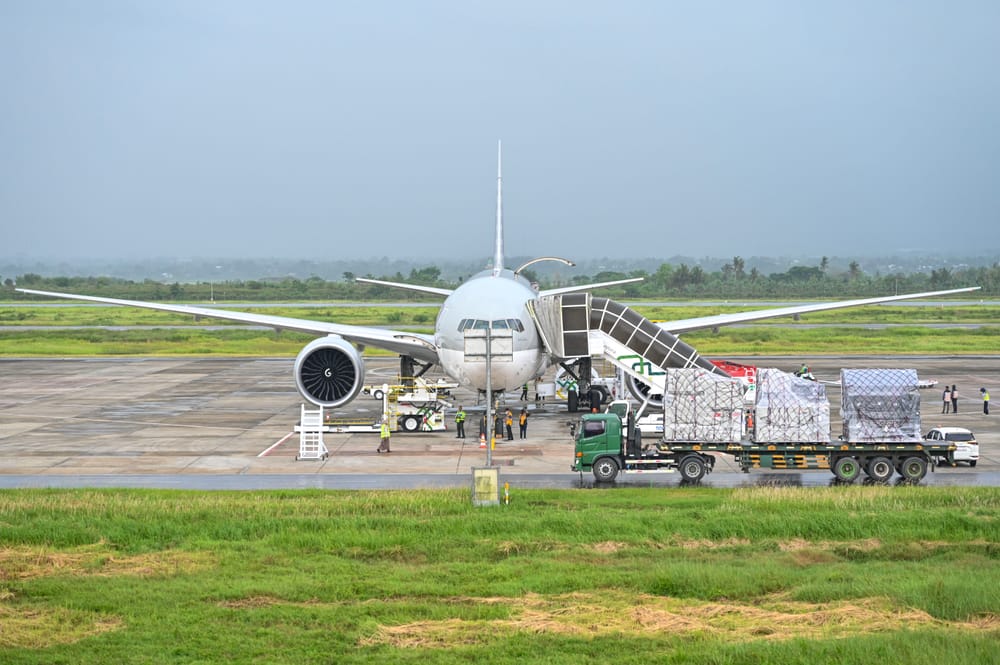
"With Indonesia's situation as an archipelago, 91.25% of Indonesia's logistics transportation modes are still land transportation, while maritime transportation is only 7.07%, railways 0.63%, and air 0.05%. In fact, if the capacity of the last three modes can be increased, it will greatly reduce the burden on roads and increase efficiency," he said.
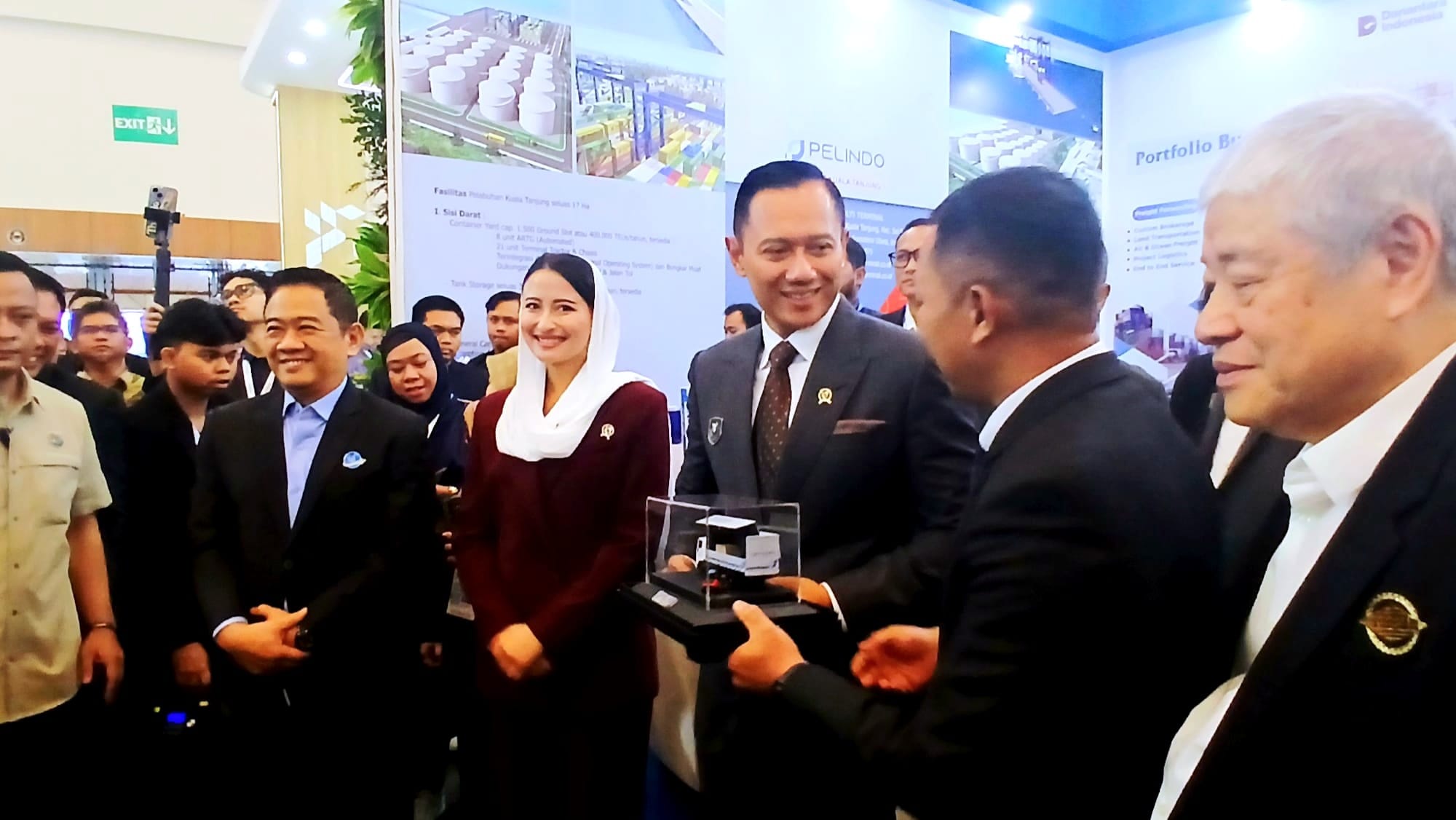
The Chairman of the Democratic Party, AHY, suggested that Indonesia can reflect on developed countries that rely on railways for their logistics reliability and efficiency. Currently, with the government's efforts to open and reactivate 37 new railway lines, strengthening rail-based freight connectivity will be the government's focus going forward.
This recommendation cannot be separated from the performance of trains as logistics transportation. AHY illustrates that the capacity of one train can carry the equivalent of 30 trucks. With the achievements of PT Kereta Api Indonesia (Persero) which recorded 99.69% departure punctuality and 97.23% arrival punctuality, the efficiency of goods delivery time can be truly achieved.
"In addition, trains are also energy efficient, so they are more environmentally friendly, because the consumption of 1 liter of fuel for trains can be used to travel 199 kilometers, 3-4 times more efficient than trucks, so the carbon footprint can be smaller and reduce carbon dioxide emissions," he added.
Through strengthening alternative logistics transportation modes, AHY emphasized that sustainable economic growth needs to be accompanied by fair, equal, and inclusive welfare. The various connectivity challenges, he emphasized, are an opportunity for Indonesia to develop a national logistics ecosystem in order to achieve the economic leap that is a common target.
Faster
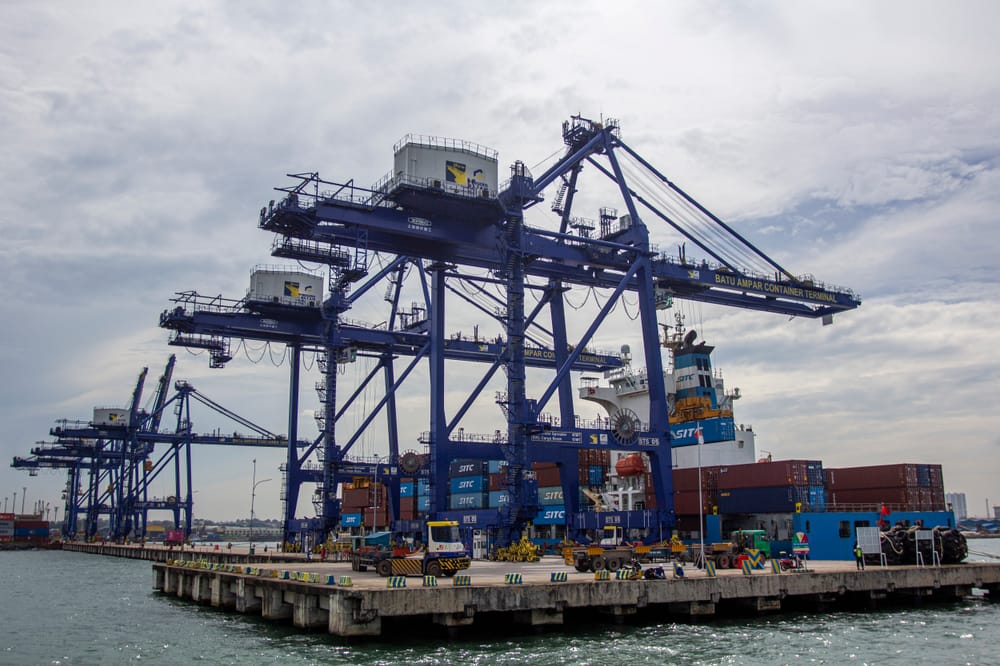
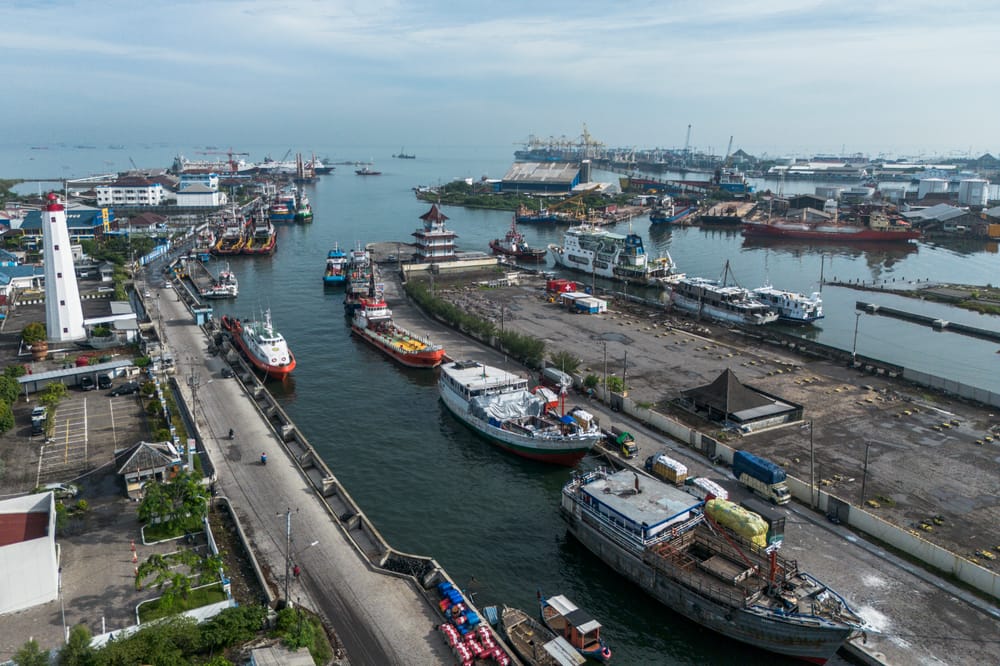
In addition to strengthening rail-based logistics transportation modes, optimizing maritime-based connectivity is also a solution to reduce logistics costs. The key is digitalization, port and industry integration, and the competence of logistics partners to meet the needs and standards of international services.
Pelindo Solusi Logistik President Director Joko Noerhudha explained that, as a trade facilitator, the principle of the port is simple: the faster the port operations, the greater the profit, as ships only make profit when they sail. However, Joko sees that one of the high logistics costs is the connection from the port to the industrial area which is far away. As a result, incoming goods have to spend a long time on the road.
"This can be overcome by developing reserved areas, such as at the Port of Tanjung Priok over the past two years, which is directly connected to the Cibitung-Cilincing Toll Road (JTCC). Likewise at the Port of Kuala Tanjung, North Sumatra, and the Port of Kijing in West Kalimantan which is close to crude palm oil (CPO) shipping traffic," said Joko.
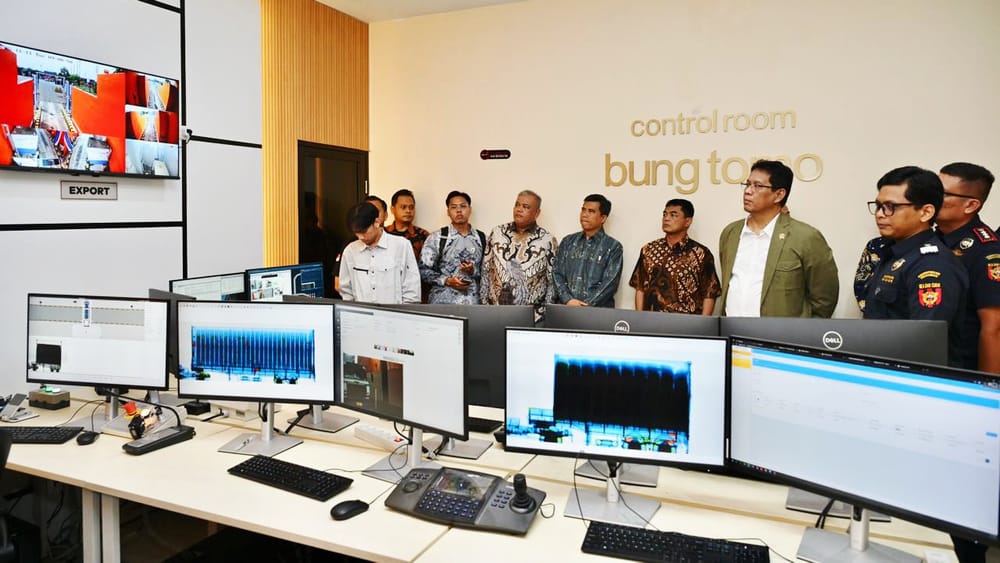
In addition to ensuring that the industrial area is directly connected to the port, digitalization is a standard applied by PSL across sectors, from ship berthing services to terminal services. This standardization is proven to increase gross productivity by 74%, while reducing berthing time by 32% with faster service.
According to Joko, the modernization and standardization of PSL's digital services cut the unloading time of 1,000 boxes from 2 days to only 18 hours, increasing the total available sailing time by 50%. At Belawan Port, the standardization of the dry bulk unloading terminal cut the unloading time of 30,000 tons from 5 days to only 1.5 days.
"Therefore, even though the loading and unloading costs rose from Rp90,000 to Rp150,000 per metric ton, the total logistics costs actually fell by 40%. We have eliminated a lot of unnecessary excess activity that has become a burden for shipping with standardization, increased loading and unloading performance capacity, and service improvements that we continue to do," said Joko.
Competency challenge
Although innovations and improvements in service standards continue to be made to streamline logistics costs, the dynamic demands of foreign customers make port managers need to pay attention to their needs. Interport Mandiri Utama President Director Adi Darma Shima reported that there are four aspects that are often requested by foreign customers in port services.
"First is the aspect of safety and low carbon emission. Second, on-schedule, they want to receive the goods 14 days after they arrive. Third, transparency, because there are still a lot of undisclosed tariffs that make customers compare with other ports. Fourth, the competence of local partners, especially loading officers," Adi said.
Reflecting on Interport's experience in running a port management business for 21 years, Adi reads that complaints from foreign customers are services that do not meet global standards. For this reason, strengthening the competence of port workers and local logistics partners, especially in Eastern Indonesia ports, is a priority that must be considered for logistics cost efficiency.
"It is very difficult to win just one tender , but when we do, the customer is disappointed because the service is incompetent and not up to standard. I think the association has a role to play here, which is to improve the competence of logistics partners in Eastern Indonesia to meet the needs of overseas customers ," he said.
Read also:
 Benedictus Krisna Yogatama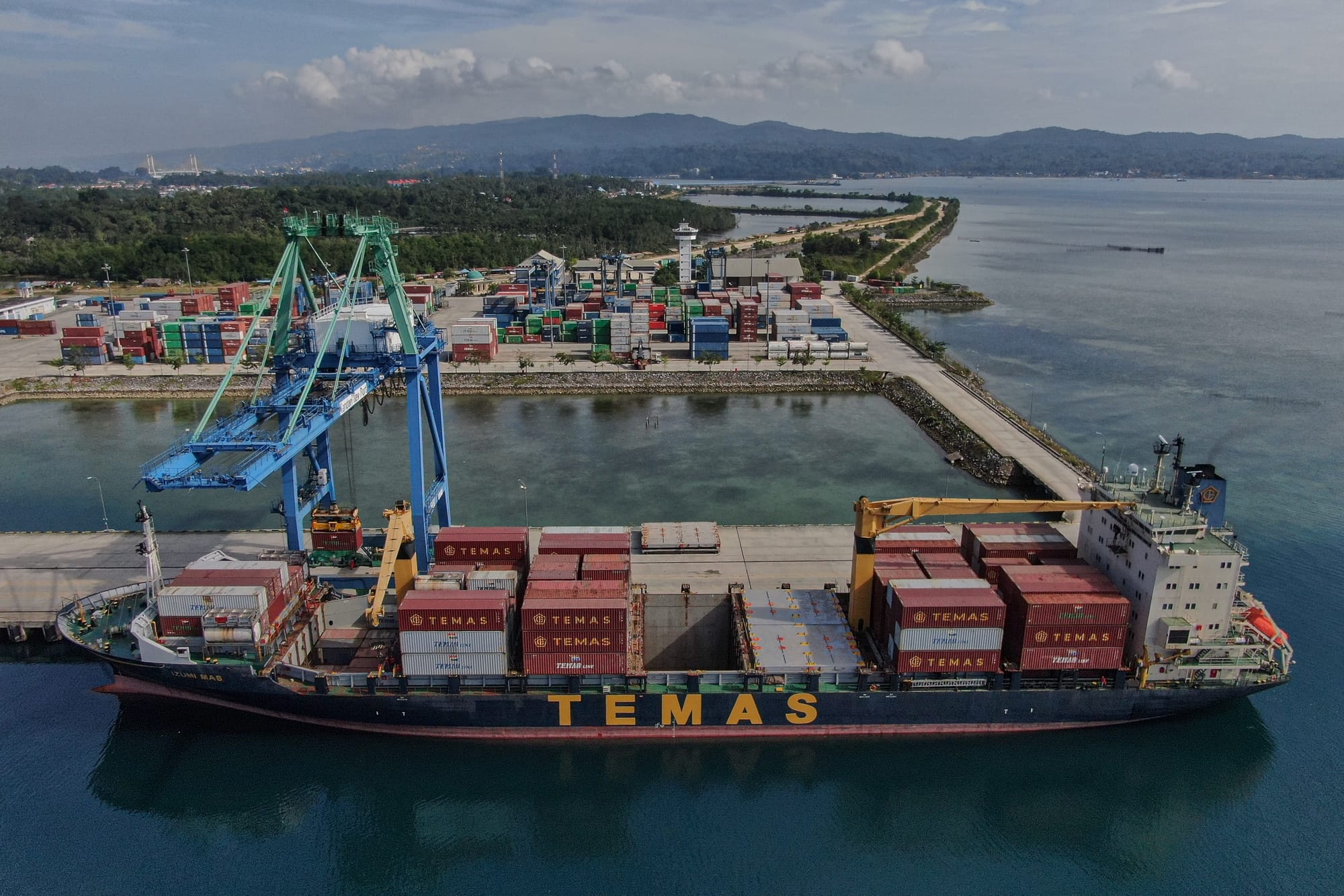
Former ALFI Chairman and current Senior Vice President of the International Federation of Freight Forwarders Association (FIATA) Yukki Nugrahawan Hanafi emphasized that logistics costs will be reduced if the volume of goods traded increases, especially to Eastern Indonesia. Increasing demand to overcome cargo imbalances is one way to streamline logistics costs.
"This means we need great collaboration. If the private sector and the government are solid, nothing is impossible, because the optimism is already there. Remember, connectivity is not just about moving goods, but building the economy, empowering people, and shaping the future of Indonesia," Yuki said.