
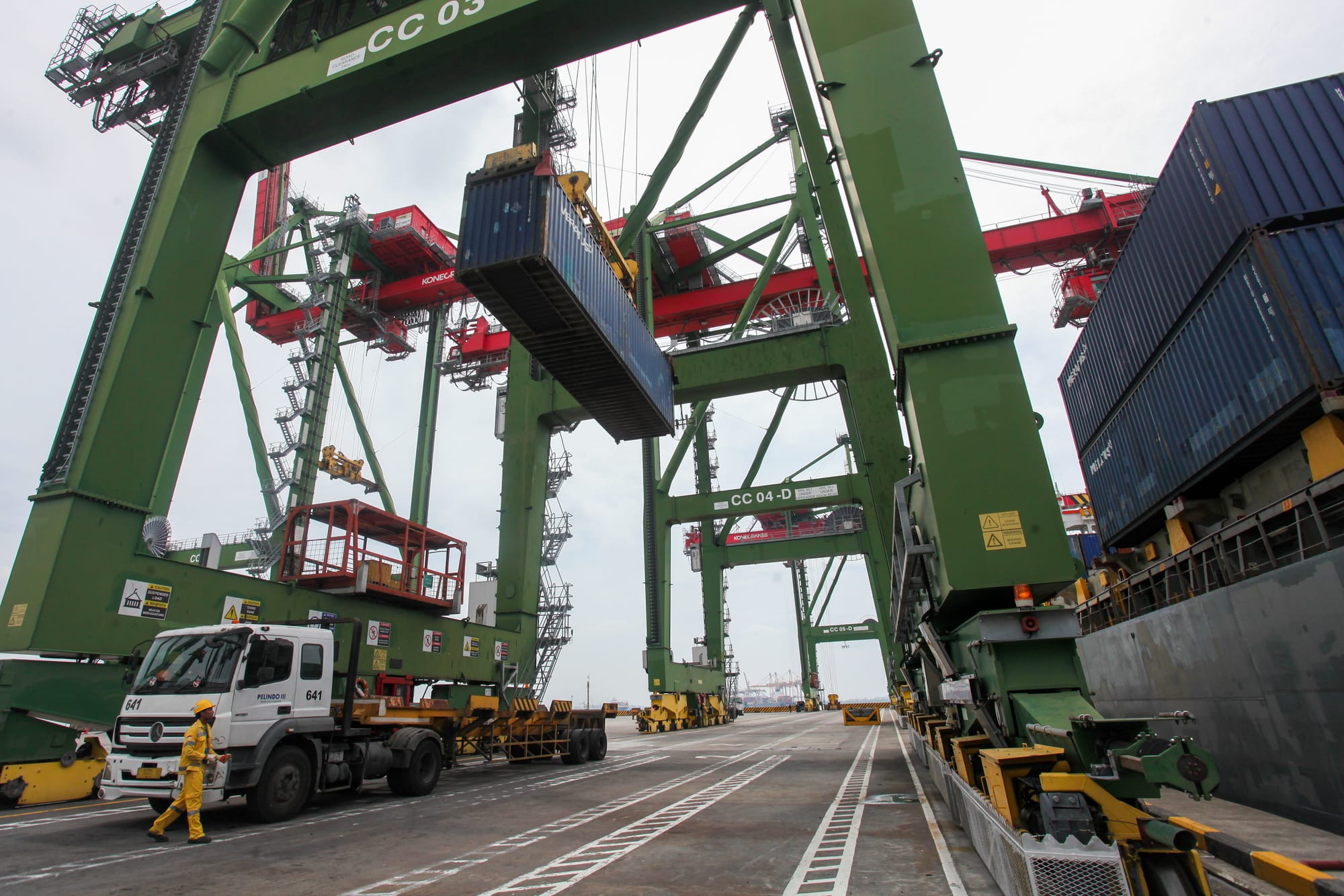
Trade Minister Budi Santoso on Wednesday (10/12) confirmed that trade negotiations between the US and Indonesian governments will continue. He also denied rumors that the negotiations reached in July could potentially be canceled.
According to a report by Reuters news agency on Tuesday local time, the US trade agreement with Indonesia that was reached in July is in danger of being canceled because Indonesia has withdrawn several commitments made as part of the agreement.
"They reneged on what we agreed to in July," said the unnamed official.
Budi said that this information was incorrect and not based on facts. On the contrary, Indonesia and the United States are still actively negotiating to discuss several commitments.
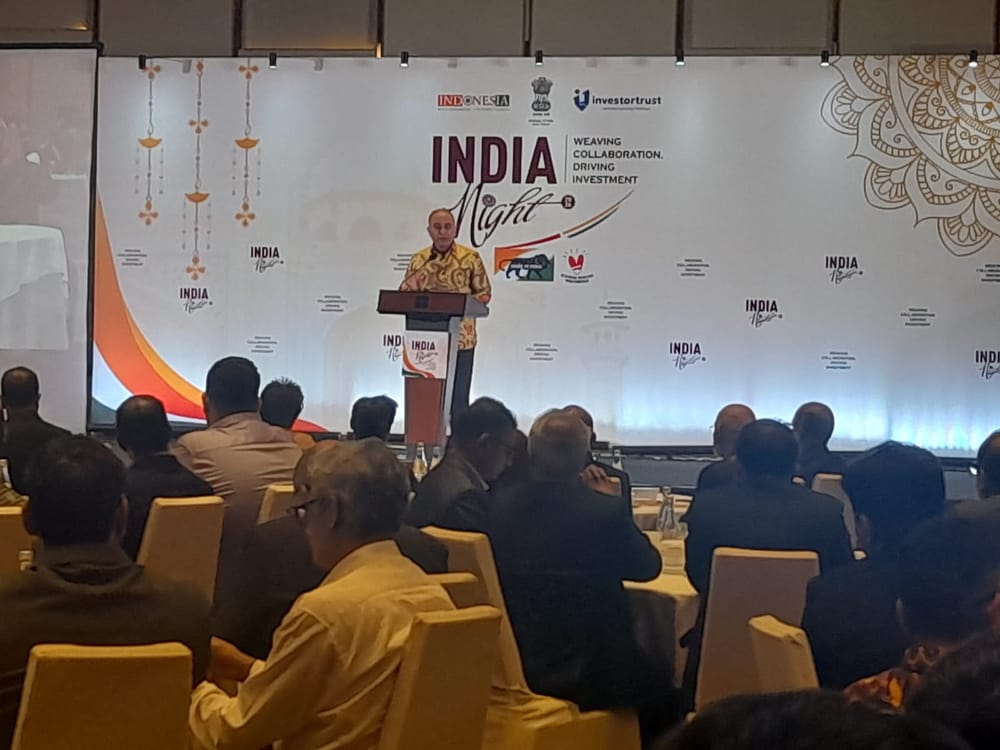
"I hear this issue has gone wild. They say that trade tariff negotiations with the United States have been canceled because Indonesia has not complied with the agreement commitments. I ask back, which agreement has been violated?" he said when met at the Jakarta Modest Summit event at the Djakarta Theater, Jakarta (10/12).
According to him, several Indonesian delegates have even flown to Washington to continue negotiations, and the process is ongoing. He promised to continue providing the latest information regarding the outcome of the agreement.
He aims to finalize a trade agreement between Indonesia and the United States in the near future.
"The main thing is that it gets done quickly. I don't know when, but it will definitely be soon and straightforward," he said.
The two countries agreed in July to remove tariffs on more than 99% of US goods and remove all non-tariff barriers faced by American companies, while the US will reduce tariff threats on Indonesian products to 19% from 32%.
Bloomberg News (10/12) also reported that US Trade Representative Jamieson Greer is scheduled to meet with Indonesian Coordinating Minister for Economic Affairs Airlangga Hartarto this week to save the trade framework that is in danger of being canceled.
Meanwhile, the Financial Times reported that Greer plans to meet with Airlangga to revive an agreement reached in July that would reduce US tariffs on Indonesian goods from 32% to 19% in exchange for a number of concessions.
However, US officials now consider Indonesia to be in violation of the agreement to remove non-tariff barriers on US industrial and agricultural exports, as well as digital trade issues. The two sides also disagree over US efforts to include clauses that Indonesia considers a violation of its economic sovereignty.
The White House and U.S. Trade Representative's offices did not respond to questions sent Tuesday (12/9) evening seeking confirmation of the FT report. Greer also declined to comment.
Based on an agreement announced in July, Indonesia announced plans to purchase US$19 billion worth of US products, primarily 50 Boeing Co aircraft, and remove import duties on imports from the US.
Indonesia also agreed to remove several requirements on products, including local content, which had previously hampered US product sales in the country.
At that time, President Donald Trump claimed to have spoken directly with President Prabowo Subianto to finalize the agreement.
However, because Trump moved first to reduce tariffs, according to sources familiar with the Indonesian government's plans, they felt there was no urgency to finalize the agreement or move quickly to fulfill their commitments and deliberately delayed giving concessions.
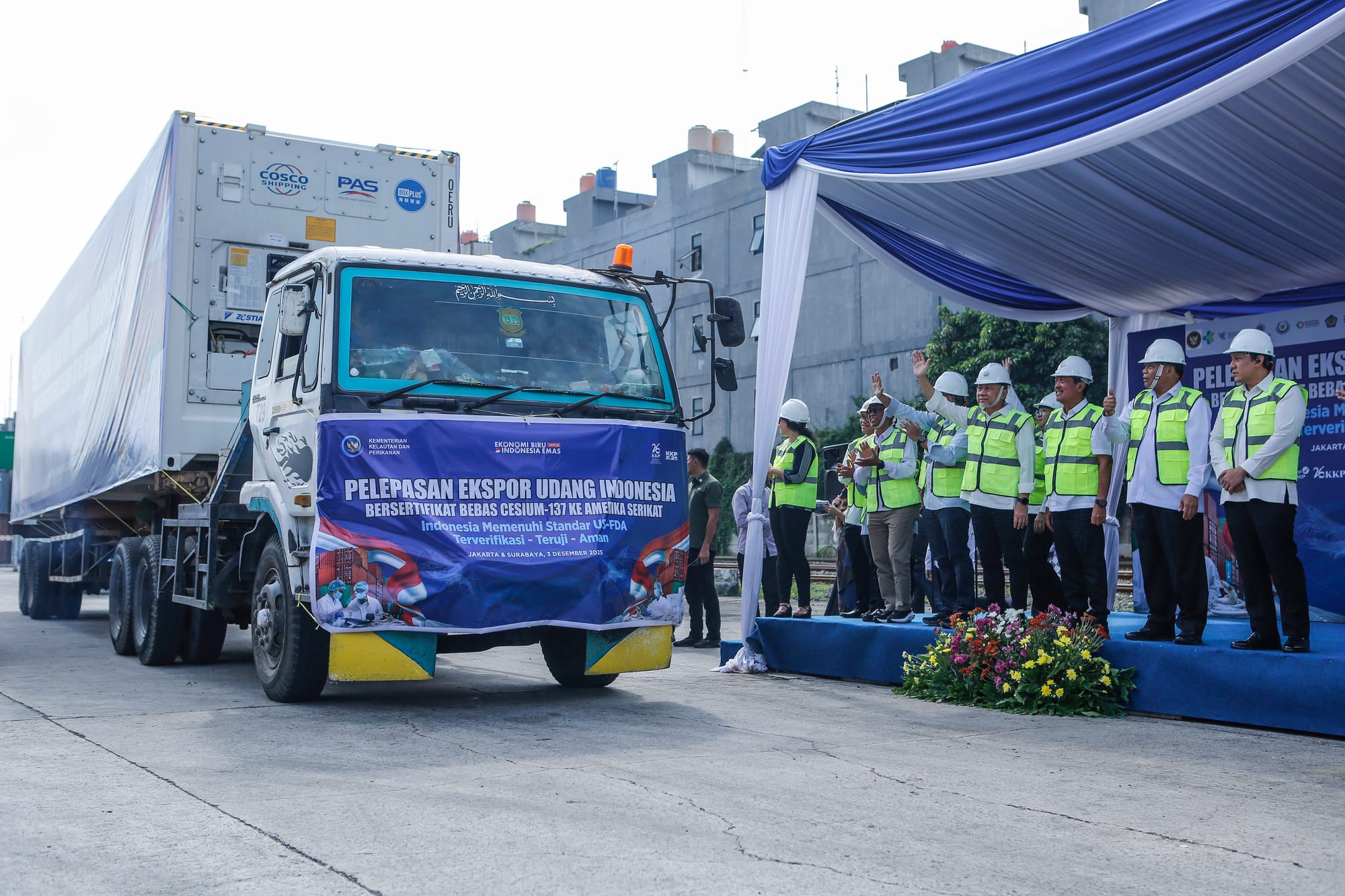
Continued discussion
Budi said that several commitments are still being discussed between the two parties and there have been no violations, such as Indonesia's commitment to increase energy imports from the US and increase imports of agricultural products from the US.
In addition, he said, Indonesia is also still trying to get a reduction in export tariffs from Indonesia to the US, especially for Indonesia's top 20 main export products. This is because Indonesia's import tariffs have been higher than those of several competitor countries.
"These products include textiles, garments, footwear, furniture, and shrimp. The government emphasizes the need for tariff parity with competitor countries," he said.
In response to this, Anne Patricia Sutanto, Chairwoman of the Indonesian Garment and Textile Association (AGTI), said that the United States is indeed the main market for textile exports, with the products exported being ready-to-wear clothing.
He welcomed the new trade agreement with the US (July 2025) which reduced export tariffs from 32% to 19%. The new tariffs could open up opportunities for exports of labor-intensive textile and garment products, although there are still concerns about a Trump 2.0 era.
"I hope the government continues negotiations and does not cancel them, as this will have an impact on the textile industry," he told SUAR Jakarta (10/12).
Indonesian textile entrepreneurs hope that tariff negotiations with the US will result in lower tariffs, if possible zero percent, in order to maintain product competitiveness, increase exports and investment, and absorb labor.
With low tariffs, it is hoped that the volume of textile and footwear exports will increase significantly and save labor-intensive industries.
A similar sentiment was expressed by Eddy Martono, Chairman of the Indonesian Palm Oil Association (Gapki), who stated that Indonesia still has a wide open opportunity to once again enjoy a 0 percent export tariff to the United States (US).
Historically, Indonesian palm oil was once subject to zero percent tariffs in the American market. Indonesia's strategic position as the world's largest producer makes it a key player.
"Indonesia has a palm oil market share of around 89.9 percent. The US cannot produce palm oil itself, so they still need us," Eddy told SUAR Jakarta (10/12).
Eddy believes that economic relations between Indonesia and the United States have been mutually beneficial. Demand for palm oil from the American market is quite high, especially for the food and cosmetics industries.
Indef economic observer Eko Listiyanto said that in the negotiation process with the US, the government must fight for better market access for export commodities.
"The main export commodities that must be fought for are palm oil, cocoa, rubber, and textiles with low/zero percent tariffs," he told SUAR Jakarta (10/12).
The government can also offer increased imports of US products (energy, agriculture, capital goods) as well as investment facilities and strategic cooperation in the critical minerals, digital, and human resources sectors.