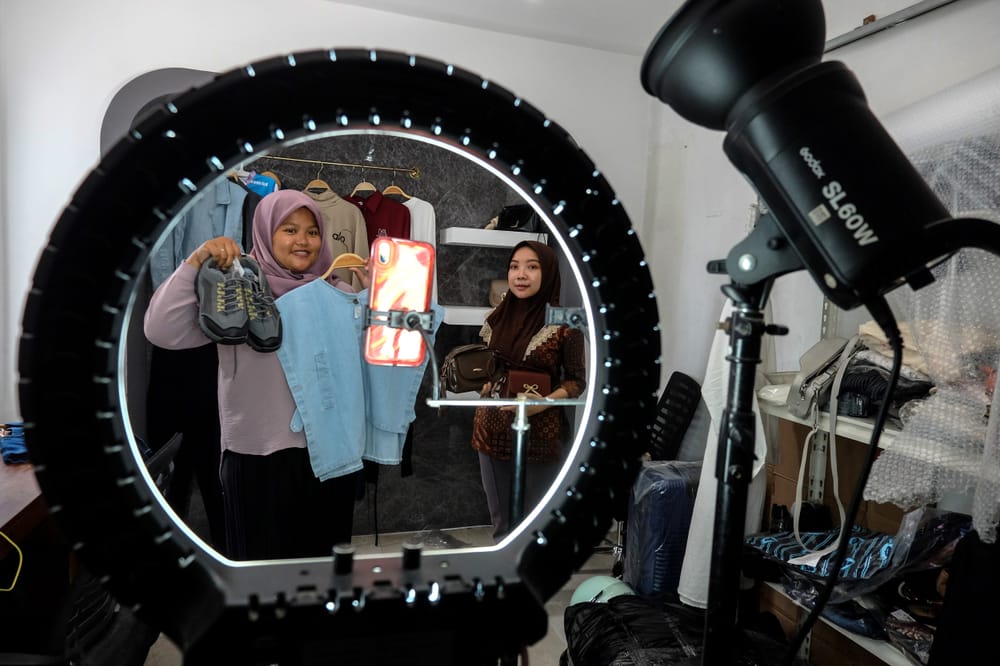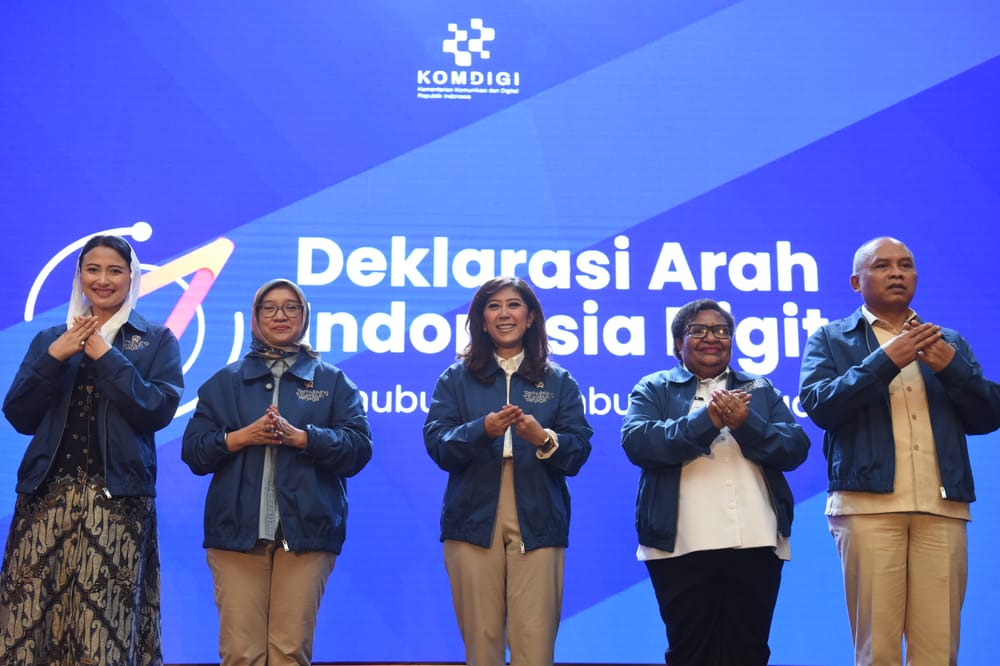

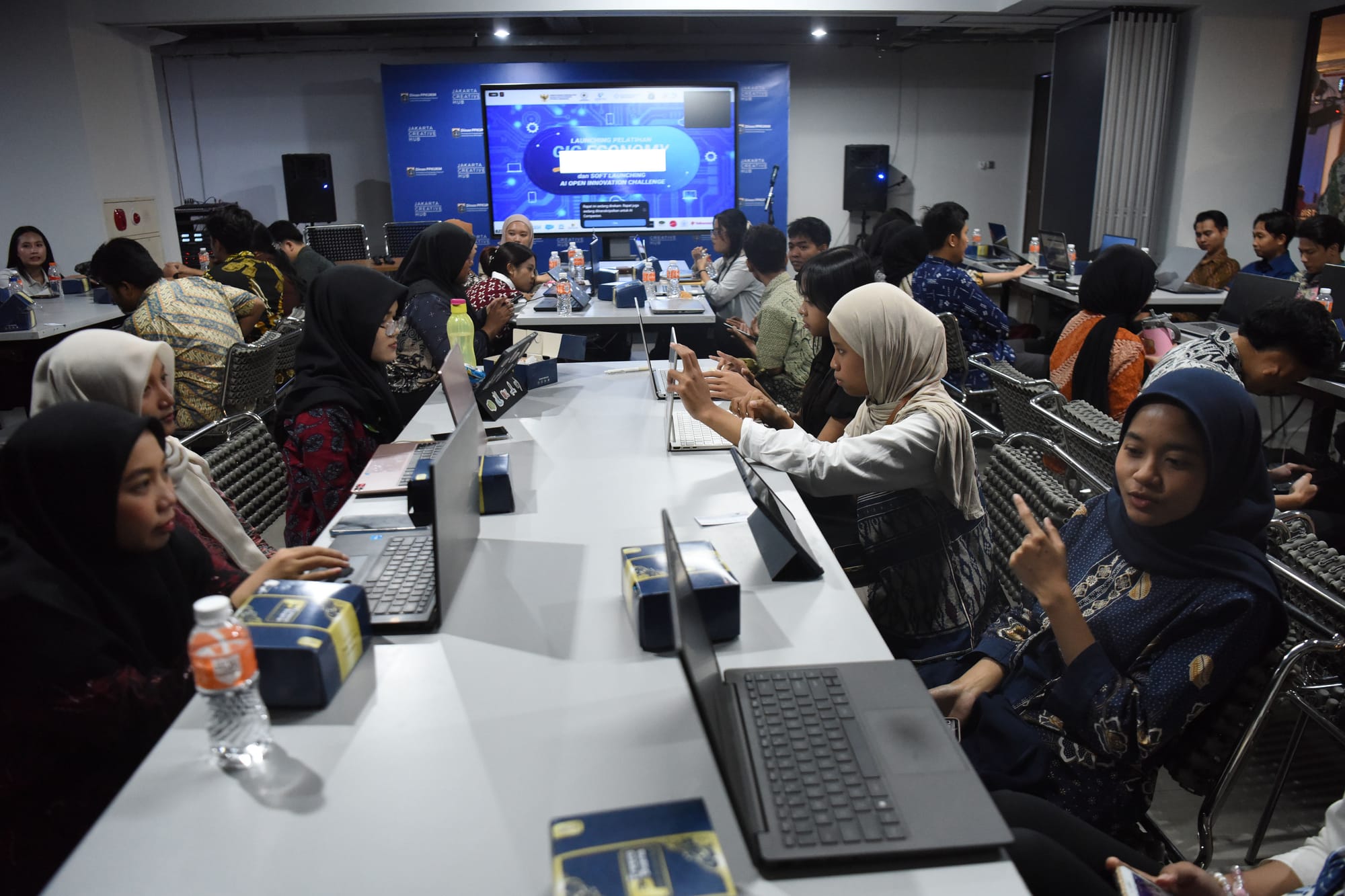
The government is directing Generation Z youth (born between 1997 and 2012) to become drivers of the digital economy ecosystem, maximizing the momentum and potential of Indonesia's digital economy, which is estimated to reach USD 360 billion by 2030. Gig economy training for Generation Z and digital talent incubation to create innovative solutions through the AI hackathon competition are two key strategies that will be implemented simultaneously.
Coordinating Minister for Economic Affairs Airlangga Hartarto said that after the manufacturing industry and fiscal stimulus, the digital economy has become the third engine of growth, which is growing exponentially every year. The gig economy, a type of flexible work based on digital platforms, is one component of the digital economy ecosystem that is increasingly popular among Gen Z, and therefore, the government is ready to provide the necessary support.
"This year, after 100,000 fresh graduates have completed their internships at corporations, the rest will enter the gig economy. From this digital ecosystem, what we are pursuing is intellectual property rights or registered patents. Second, chip development is becoming increasingly important as our electronics industry has gone global," said Airlangga at the launch of the Gig Economy Training Program for Gen Z and the AI Open Innovation Challenge in Jakarta on Thursday (12/18/2025).
Faced with the rapid development of the digital ecosystem, Airlangga emphasized that the government is focused on realizing technological sovereignty by pursuing the potential of five major industries, namely data centers, electric vehicles, personal computers ( PCs), smartphones, and the Internet of Things. The development of the digital ecosystem in a number of industrial areas such as KEK Batang, Cikarang, and Maluku is currently in the process of being finalized.
"Specifically for the gig economy, together with the Ministry of Creative Economy, we have prepared a KUR of Rp10 trillion for gig economy players who are developing projects. Once the project is approved, the government can finance it through KUR with an interest rate of 6%. If there is a project use case worth more than Rp500,000,000, then we can also open it, because this can accelerate growth," he said.
Through gig economy training and AI hackathons , the government provides training, co-working spaces, and market access in 15 cities across Indonesia. The hope is that these growth points in the digital economy ecosystem will provide a solution to the low proportion of professionals in the information and communications technology (ICT) sector, which is currently only around 0.8% of Indonesia's total workforce.
"With this comprehensive ecosystem, our digital economy can reach a target of USD 360-420 billion by 2030. So, if we currently have a digital economy as an engine of growth, we are stepping on the gas as an accelerator that can enable Indonesia's economy to achieve 8% growth more quickly," concluded Airlangga.
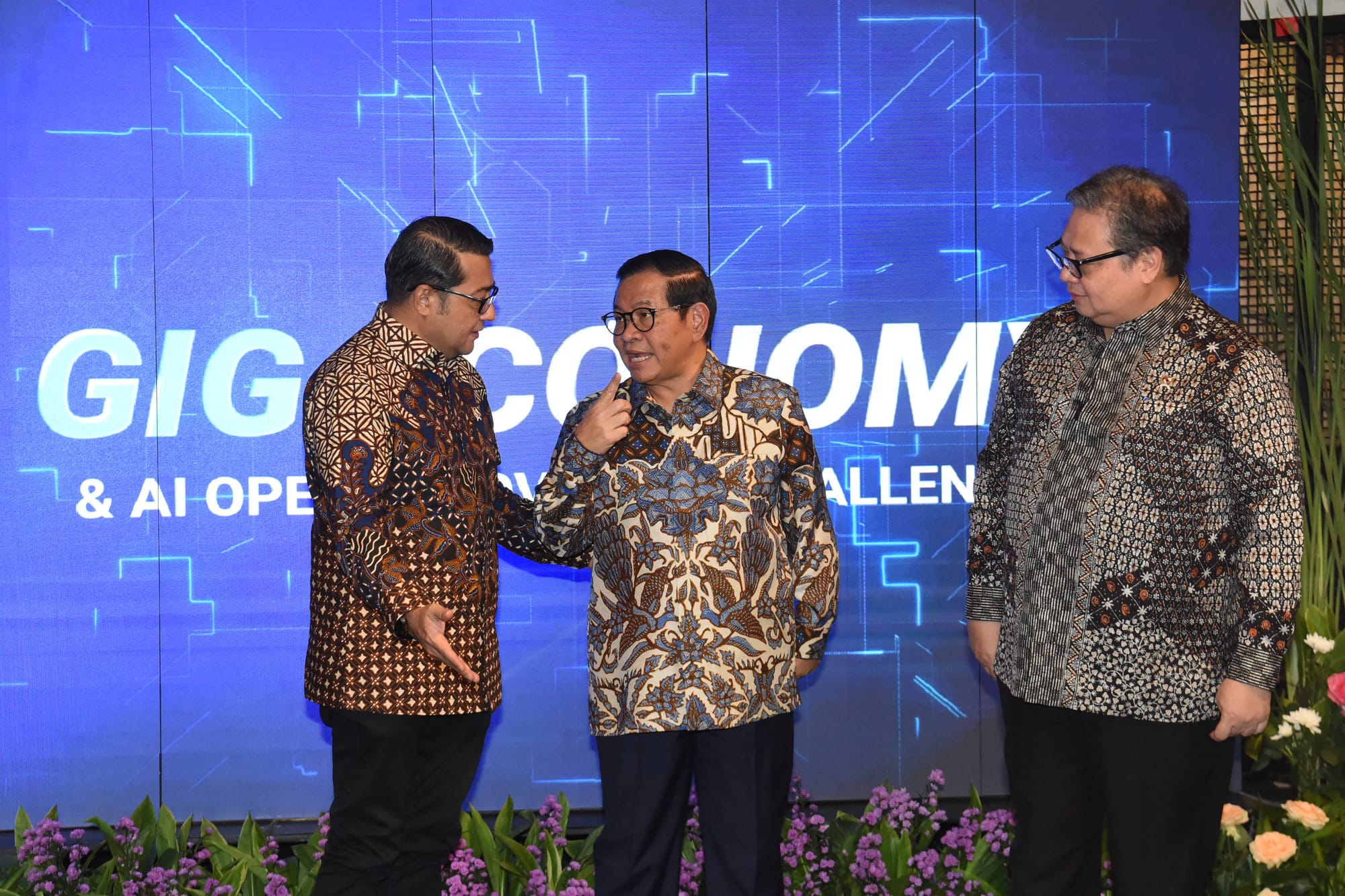
Complementing Airlangga's explanation, Jakarta Governor Pramono Anung expressed his gratitude and appreciation for the selection of Jakarta as a pilot project for digital economic development . As a city that contributes 16.39% to the national GDP and grew by 5.04% in the third quarter of 2025, the digital economy will help Jakarta, which is preparing to enter the Top 50 Capitals in 2030, to uphold its vision as a global city.
"We invite training participants to join an AI hackathon celebrating Jakarta's 500th anniversary. The hackathon will focus on finding solutions to waste and traffic congestion as a global city. We will offer attractive prizes, and if necessary, we will facilitate the first and second place winners to see the world," said Pramono, which was immediately followed by enthusiastic applause.
Empowered youth
On the same occasion, Jababeka Group Director Tjahjadi Rahardja stated that the gig economy training provided to Gen Z aims to encourage better mastery of AI as a tool, with the hope of improving problem-solving skills, while also starting a career in a relatively low-risk ecosystem.
"Through training and the AI Innovation Challenge, where bootcamp participants learn the latest technologies and create innovative solutions, we are not only upgrading skills, but also helping to solve real problems, building a digital talent pipeline, and creating an innovation ecosystem," said Tjahjadi.
In collaboration with President University, gig economy training and AI hackathons will continue the track record of similar activities that Jababeka Group has organized with KAI to formulate implementable solutions experienced by corporations. Such competitions, in addition to mapping young talent, also train Gen Z to think quickly and practically likeentrepreneurs.
"We will hold another hackathon in February 2026, in addition to expanding our cooperation agenda, including with China, after President University students recently participated in an AI Conference with the autonomous robot they successfully created in Indonesia," he said.
Read also:
 Benedictus Krisna Yogatama
Previously, on a different occasion, Lintasarta Chief Cloud Officer Gidion Suranta Burus said that the development of AI workforce talent will determine the characteristics of the Indonesian labor market in the coming years. To that end, Lintasarta is committed to becoming an enabler of the AI ecosystem through the AI Merdeka training program, which is divided into Laskar AI and Semesta AI.
"Laskar AI started in early 2025 by inviting 500 participants, with 400 coming from universities and 100 from companies. Of the 500 participants, around 100 people have expressed interest in us helping them find jobs in the AI industry, which is currently growing," said Gidion in Jakarta on Tuesday (12/16/2025).
In the near future, Lintasarta will launch the second batch of Laskar AI, which will open a co-funding training scheme with participants. The purpose of this training is not only to develop competitive AI startups and expand the AI workforce network, but also to strengthen the development of digital talent, which will be evidence of the rapid development of AI in the countries of the Global South.
"There are many challenges, so we bring together researchers, practitioners, and companies. Collaboration has now been established, so we need future AI regulations that not only govern AI ethics, but also intellectual property, who will be responsible for it, and what law enforcement will look like in that area," concluded Gidion.
Quality of work
Regardless of the goal of creating job opportunities for Gen Z, LPEM FEB UI Employment Economist Muhammad Hanri believes that the characteristics of the gig economy, which emphasize flexible working hours, looser employment relationships, and the opportunity to combine several economic activities at the same time, are more suitable as side jobs rather than main jobs.
"Conventional statistical data currently does not fully capture the dynamics of the gig economy experienced by Gen Z. As a result, in official surveys, digital platform-based activities may be recorded as primary employment, or may be omitted from the category they should fall under, namely side jobs," explained Hanri when contacted on Thursday (12/18/2025).
In addition to the types of work that may not be identified in conventional labor force surveys, the quality of work practiced in the gig economy also needs attention. Although it promises flexibility and allows for diversification of work fields, Hanri reminds us that the gig economy is more optimal as an activity to optimize time and gain experience, rather than as a primary source of income.
"The gig economy can add physical and mental stress when done outside of regular working hours or on weekends. In the long term, this additional burden can affect health, productivity, and work-life balance. This phenomenon can be positive when it arises from a conscious choice, but it can become a burden when it emerges as a survival mechanism," he concluded.