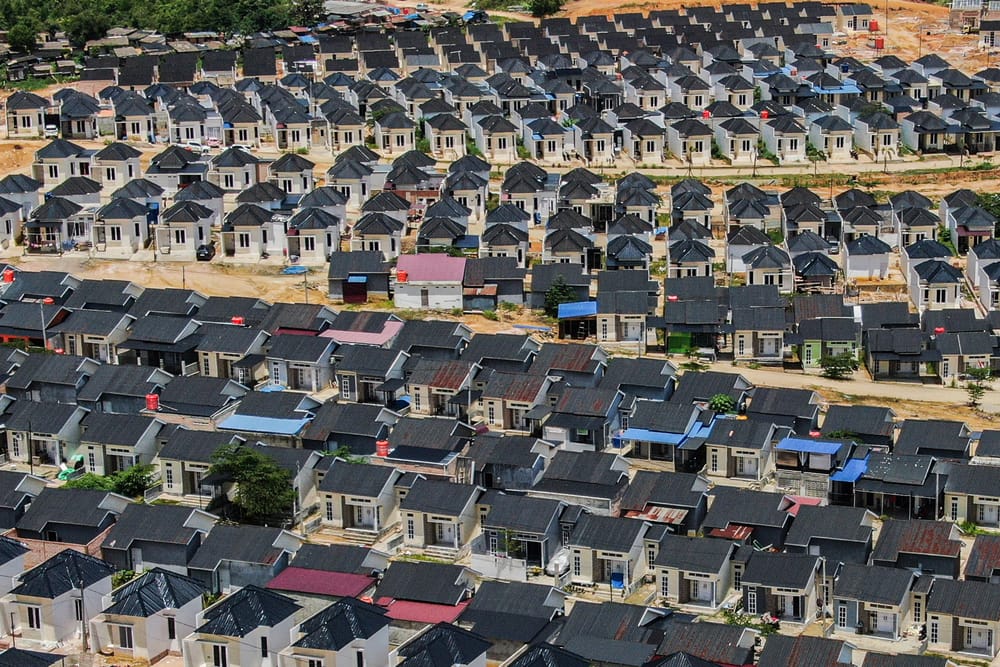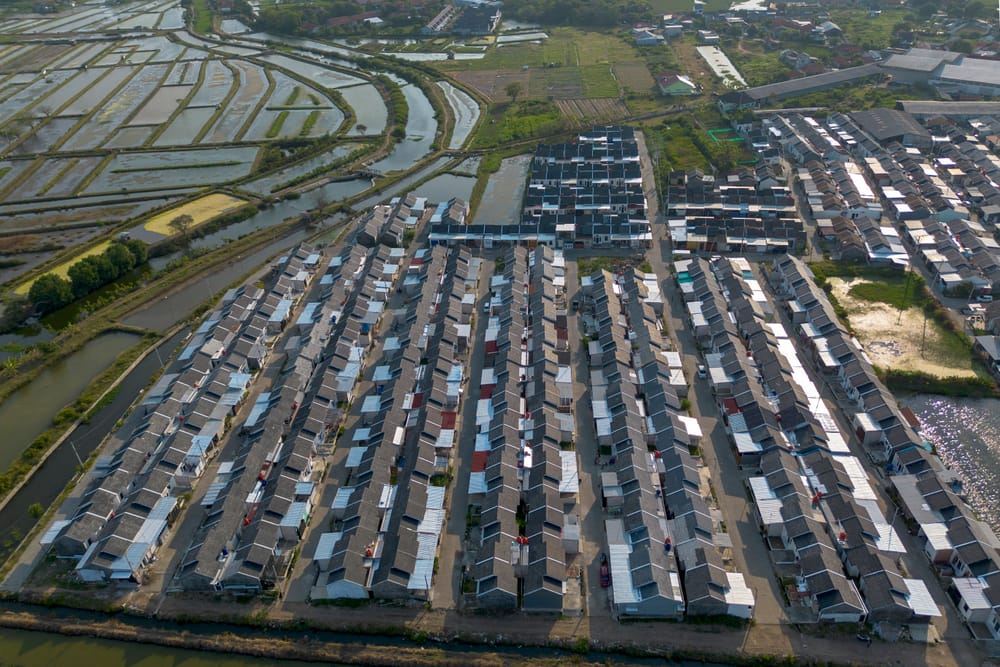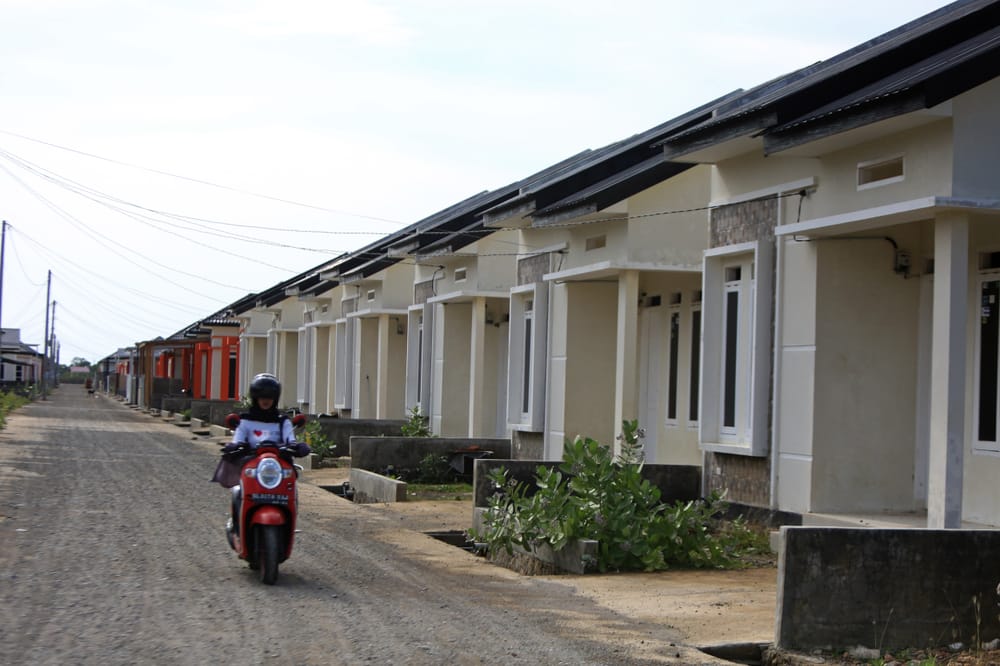

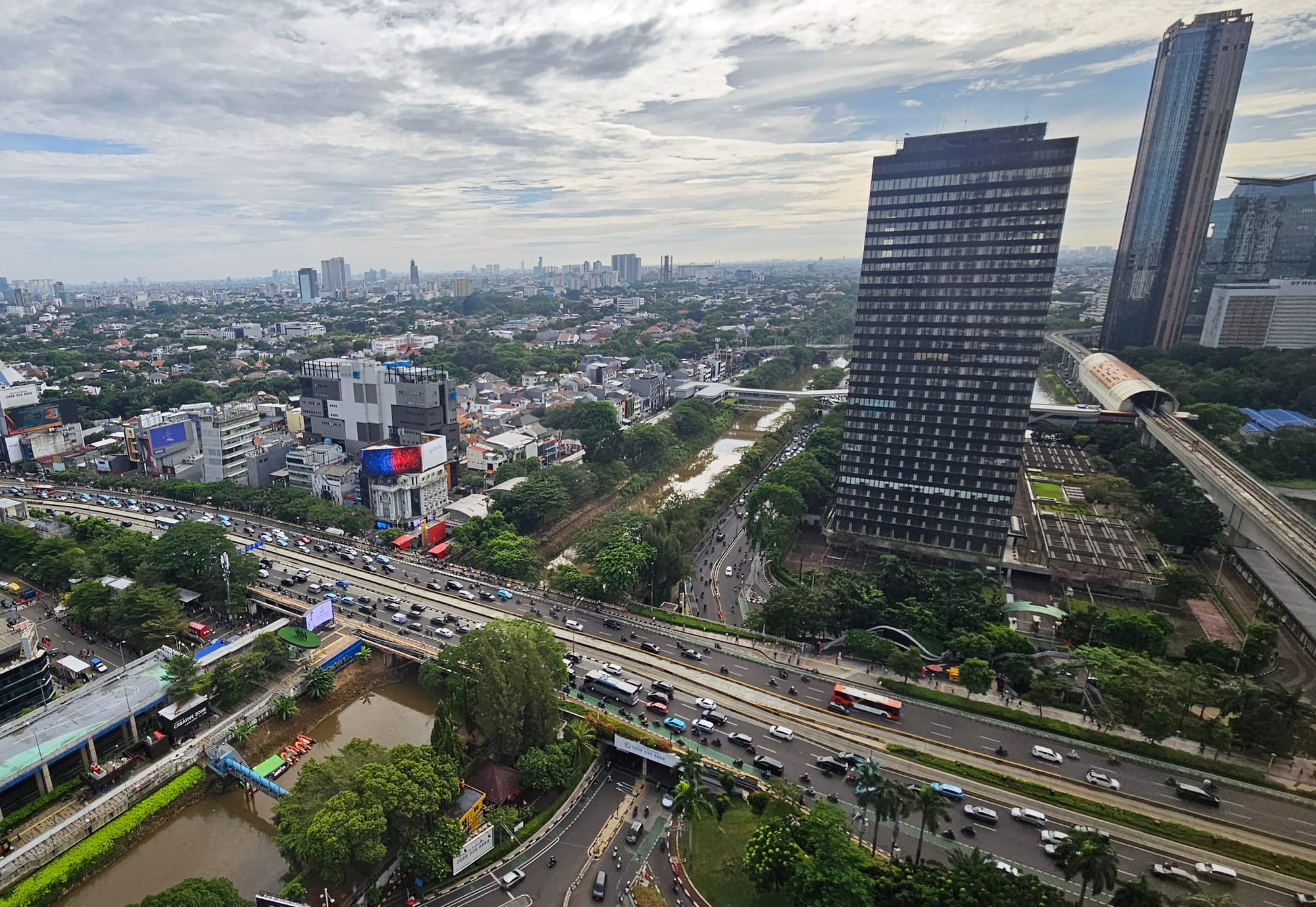
The property purchase market in Jakarta is expected to continue to grow steadily each year in the future. This is supported by a growing economy and a limited supply of new property units, so occupancy rates can be high.
CBRE Advisory Indonesia Managing Director Angela Wibawa said the Jakarta property market is predicted to experience a period of stable growth, driven by a resilient economic foundation.
"The Jakarta property market is entering a phase of sustainable growth," said Angela Wibawa, Managing Director of CBRE Advisory Indonesia in a press conference, Tuesday (18/11/2025).
He added that Indonesia has maintained an economic growth rate of around 5% per year in the past five years. Projections show a similar trend until 2027, while the government's target of 6%-8% by 2029 reflects confidence in the long-term outlook.
According to CBRE Indonesia's Head of Research and Consultancy Anton Sitorus, economic growth could be the basis for the following
"This is the foundation on which property decisions are made, from multinational expansion to local investment," said Anton Sitorus, Head of Research and Consultancy. Anton emphasized that stability is the basis for seeing the direction of the market.
Anton explained that growth remains positive but has not returned to the boom level of 2014 and 2015. However, he said that there are signals that show the property market will move up structurally. Changes in demand and tenant preferences, he said, are part of the dynamics.
Read also:
 Benedictus Krisna Yogatama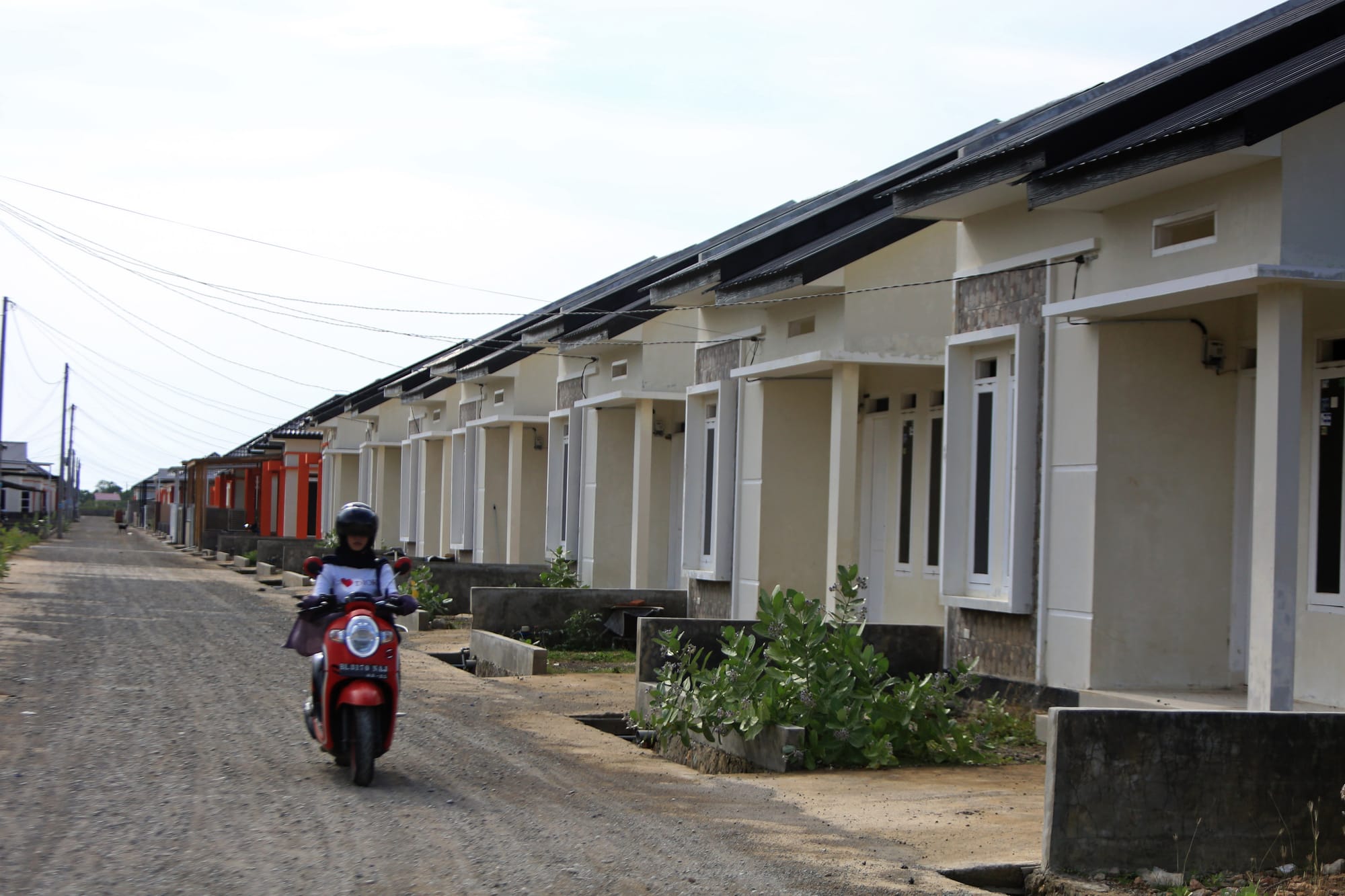
According to Anton, Indonesia's economic growth in the last ten years has been stable at around 5% and is projected by global institutions to remain at the same level.
This stability, said Anton, gives confidence for property sector players to continue to grow although the amount of growth in each subsector can be different.
Office sector and changing work patterns
In the office sector, Anton explained that the dynamics of changing work patterns after the pandemic also had an influence. He mentioned the shifting preferences that emerged due to a combination of remote working, space efficiency, and technology adoption that changed the way offices are used.
According to him, this change raises new questions about the direction of market development and whether this dynamic will shape a different office landscape in Jakarta.
"Fly to quality remains strong. It is driven by cost efficiency, so how the efficiency of these tenant companies drives these things. It is also now a tenant market, so negotiations between landlords and tenants are more flexible. There is also a trend regarding flexible lease preferences, which used to be a minimum of three years, now it is more negotiable," said Anton.
Anton also explained that new supply in the Central Business District (CBD) area did not increase in 2025, but the absorption rate of space remained positive. This condition has pushed occupancy in the CBD area to slightly above 75%, with the potential for rental price increases in premium buildings.
According to him, the limited supply until 2028 makes the position of high-quality buildings stronger in the negotiation process.
For non-CBD areas, Anton explained that the absence of new supply this year made occupancy rise back to around 74%. The move of tenants from old buildings to more modern buildings is still ongoing, while rental prices in non-CBD areas are recorded at IDR111,000 per meter per month.
According to him, the trend of rental prices in the region has been relatively stable in the last three years with an increase of around 1.5% compared to the previous year.
Apart from offices, Anton also highlighted the dynamics of the industrial sector, which includes industrial estates and modern logistics. Demand for industrial land showed a consistent rise in occupancy over a decade, driven by the growth of the electric automotive industry as well as the expansion of logistics players. On the other hand, modern warehousing areas recorded occupancy rates above 90% thanks to growing demand throughout 2020 to 2025.
"We have an economy that is more than 50% driven by consumption. Consumption requires distribution of goods and services, that's why our logistics is growing. Before Covid, our e-commerce penetration was only 10%, now it is around 33%, and it is estimated that by 2029 it will reach 45%. This means that players like Tokopedia, Goto, and Shopee will still need warehouses and places for their logistics," said Anton.
The transformation in the office sector is also evident in terms of building quality. Judy Sinurat, Co-Head of Office Services, said companies are no longer fixated on space, but on quality, sustainability and flexibility. Many tenants are turning to green-labeled buildings that offer modern facilities and higher comfort. This change in orientation makes buildings that are able to support employee health and productivity increasingly sought after.
Albert Dwiyanto, Co-Head of Office Services, said that Jakarta CBD has a stock of around 7.1 million square meters of office space. The occupancy rate is around 75% with an average rental price of around Rp175,000 per square meter per month. According to him, new incoming supply until 2028 is only around 188 thousand square meters. "This supply shortage has started to push up rents, especially in premium buildings, and strengthens the flight to quality trend," Albert said.
Outside the city center, Ivana Susilo, Head of Industrial and Logistics Services, sees strong dynamics in the industrial and logistics sector. She explained that changes in consumer behavior due to e-commerce and the development of electric vehicle manufacturing have increased demand for industrial land and modern warehouse facilities. High occupancy rates in key industrial areas show that interest continues to rise. "Industrial land prices and logistics rents have remained stable, but pressure is mounting as supply struggles to keep up with demand," Ivana said.
Government development programs
Meanwhile, outside Jakarta, the government continues to boost the supply of housing for the community. One of them is the Housing Credit Program (KPP).
The realization of KPP distribution has reached IDR 492.13 billion until 15 November 2025, this distribution is fast because the KPP program was only launched in October 2025.
Minister of Housing and Settlement Areas (PKP) Maruarar Sirait said that the rapid realization of KPP distribution has a positive impact on expanding access to home ownership for the community.
There are already 245 beneficiary debtors with details of IDR 453.18 billion flowing to the supply side of the house with 127 debtors and IDR 38.94 billion flowing to the demand side of the house with 118 debtors.
"The government and channeling banks will accelerate the absorption of KPP in the next few months," he said in a hearing with Commission V of the House of Representatives in Jakarta (17/11).
The acceleration measures prepared include expanding socialization to the community and business actors, facilitating access to financing applications, and accelerating the administrative process so that distribution can move faster.
The government continues to strengthen access to financing for the community through the People's Business Credit (KUR) program in various sectors, including the housing sector. Throughout 2025, the Housing Credit Program (KPP) is one of the main focuses in encouraging the provision and ownership of houses for low-income people.
Through the KPP scheme, the government is targeting a ceiling of IDR 17.25 trillion with a target of 27,961 debtors throughout Indonesia. This program is divided into two sides, namely the House Provision KPP and the House Demand KPP.
For the House Provision KPP, the distribution target reaches Rp13.06 trillion for 7,742 debtors, directed at developers and small business actors in the public housing construction sector. Meanwhile, the Home Demand KPP has a target of IDR 4.19 trillion for 20,219 debtors, aimed at low-income people who want to own a decent house with a light financing scheme.
Property Observer from Indonesia Property Watch Ali Tranghada said the distribution of Housing Program Credit (KPP) can provide two benefits for the community and the economy.
The benefit to society and the economy is that it helps people, especially low-income earners, to own a house at a more affordable price.
"Providing access to financing for UMKM in the housing sector (developers, contractors, building material traders) to support their business activities," he told SUAR in Jakarta (18/11).
The LTO can also encourage the growth of the property and construction sectors that absorb a lot of labor and contribute to national economic growth through activities in the housing and construction sectors.
Individual UMKM can buy, build, or renovate a house to support business activities.
Developers, contractors, and building material traders can obtain credit to purchase land, building materials, or finance home construction projects.
PT Bank Tabungan Negara (Persero) Tbk or BTN has targeted to become the largest distributor of the government's newly launched Housing Credit Program (KPP). This optimism is supported by the solid ecosystem and database of micro, small and medium enterprises owned by BTN in the housing finance sector.
BTN President Director Nixon LP Napitupulu said his party has built a complete housing finance ecosystem from upstream to downstream that provides various facilities for debtors.
"We have identified 2,878 home developers, 5,442 contractors, and 4,032 building stores that can access KPP at BTN. There are even house traders. We hope to be the majority in channeling this credit," he said in a press release received by SUAR in Jakarta (18/11).
The presence of KPP, he continued, will be a stimulant to accelerate the distribution of financing so as to accelerate the fulfillment of President Prabowo Subianto's 3 Million Houses Program.