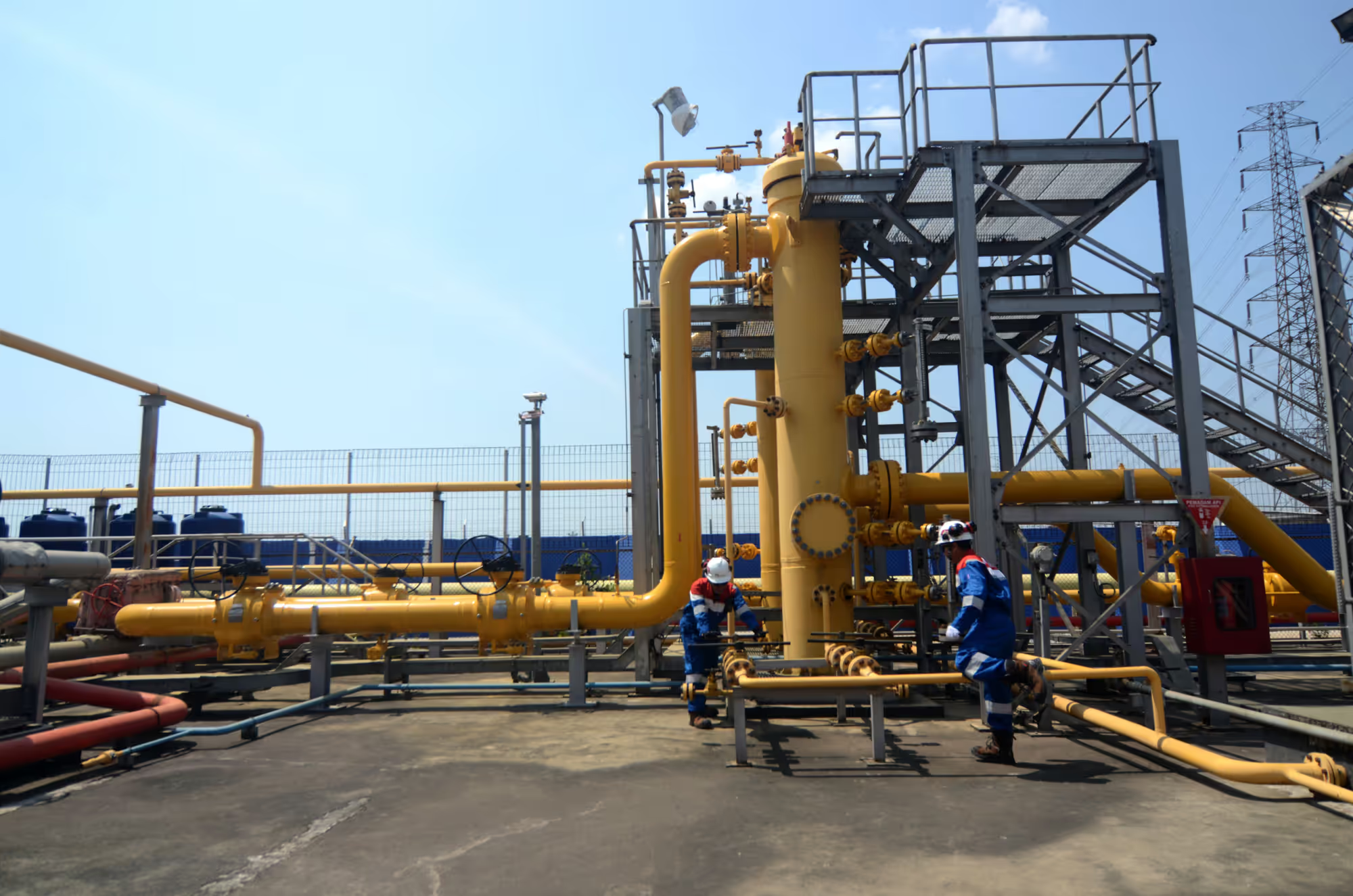
The availability of energy is a key driver of industrial growth, serving both as fuel and as a raw material in production processes. In Indonesia, natural gas production continues to play a critical role in sustaining domestic industries, while also contributing to state revenues through exports.
Over the past five years, national natural gas output has remained relatively stable. In the first half of 2024, production was recorded at 6,635.5 MMSCFD, only slightly lower than the previous year. Of this, 69.17% was allocated for domestic use, with the remainder directed to exports.
Industry is the largest domestic consumer, accounting for about 27% of total utilization. Its share has steadily increased, peaking in 2023 at 30.83%. This trend reflects Indonesia’s broader structural transformation, as the economy shifts from agriculture toward manufacturing.
On the export side, natural gas provides an important source of foreign exchange. Shipments are made in two main forms: pipeline gas (6.21%) and liquefied natural gas or LNG (24.61%).
The constant tension between supplying domestic industries and maximizing export revenue has made natural gas utilization highly dynamic. Beyond industry and exports, allocations also extend to electricity generation, city gas networks (for households, hotels, and restaurants), motor vehicle fuel, and as feedstock for fertilizers and petrochemicals.
Among these, city gas and transportation fuel remain the smallest segments, each accounting for less than 1% of total usage.