The war between Thailand and Cambodia has opened up opportunities for Indonesia to attract foreign tourists (wisman) who had initially planned vacations in those countries to instead redirect their trips to Indonesia.
Chairman of the Indonesian Tourism Industry Association (GIPI) Haryadi Sukamdani said that the conflict between Thailand and Cambodia indirectly creates momentum for the domestic tourism industry. With unrest in the two neighboring countries, foreign tourists are likely to consider Indonesia as an alternative holiday destination.
“Indonesia is a neighbor of Thailand and Cambodia. We can position ourselves as an option for foreign tourists to shift their holiday destination here. This is certainly an opportunity for us,” Haryadi said when contacted on Monday (July 28, 2025).
He explained that the tourists most likely to redirect their trips are long-haul travelers from Europe and the United States, who are currently in the middle of their summer holidays.
Typically, these tourists prefer long-distance travel to tropical regions, with destinations such as beaches and mountains.
One way to capture these visitors, Haryadi suggested, is by arranging connecting flight routes—for example, Bangkok–Yogyakarta with a transit in Kuala Lumpur. This way, Indonesia could benefit from foreign tourists rerouting their journeys.
Huge Potential: Indonesia Eyes Tourism Opportunities Amid Thailand–Cambodia Conflict
A number of analysts on Monday (July 28) said Indonesia could seize economic opportunities in the tourism sector following the recent conflict along the Thailand–Cambodia border.
Tourism observer Myra Gunawan highlighted the major challenges Indonesia faces in attracting foreign tourists (wisman), particularly from Europe and the United States. While the attempt to redirect tourists from Thailand and Cambodia might be seen as an opportunity, she noted that the path is full of obstacles.
“Most foreign tourists traveling to Thailand are from China, Malaysia, India, South Korea, and Russia, while those going to Cambodia are mainly from China, Thailand, Vietnam, the U.S., and Korea. So in terms of numbers, tourists from the U.S. and Europe are not the main market for Thailand and Cambodia,” Myra told Suar (July 28, 2025).
This shows that the main focus of both neighboring countries has not really been on Western markets.
She went on to identify several barriers that Indonesia must overcome: its geographical position being farther from Europe/US; negative publicity about “bad tourist experiences in Indonesia” that hurt the country’s image; and the need to present Indonesia as a safe, comfortable, and reliable destination.
She also firmly warned that Indonesia must not rely on “sex tourism,” which has been one of Thailand’s attractions for Western tourists.
Myra added that Indonesia’s private sector must be ready to compete with countries like Malaysia and Vietnam. Unfortunately, Indonesia’s tourism image has been hampered by reports of tourist accidents and misbehavior in Bali, which has damaged its reputation as a quality destination.
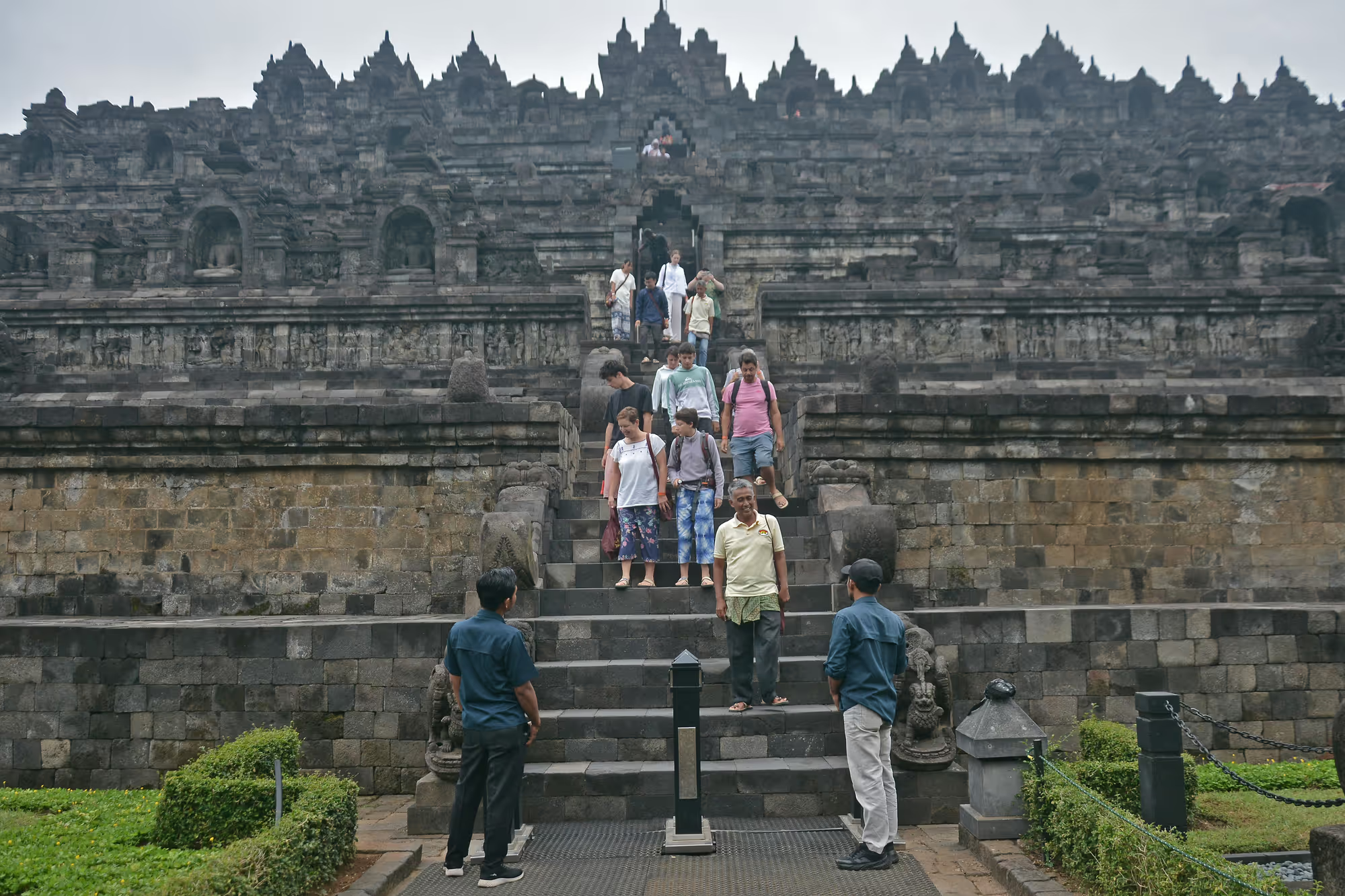
Given these conditions, Myra advised Indonesia to be more realistic by focusing on its existing core markets—China, India, Malaysia, South Korea, and Vietnam. She pointed out that these markets could be redirected to Indonesia by promoting destinations outside Bali. Examples include Lake Toba in North Sumatra, Tanah Minang in West Sumatra, Borobudur, West Java, and Manado or Lombok with its Gilis and Mandalika’s southern beaches.
However, she cautioned that tourists from these countries also have many other options in Asia, such as Japan and Malaysia, before choosing Indonesia. “To attract them, Indonesia needs to work hard to improve its competitiveness!” she emphasized. This means better infrastructure, higher-quality services, and more aggressive, targeted promotion as the keys to reviving tourism.

Executive Director of the Center of Economic and Law Studies (CELIOS), Bhima Yudhistira, noted that Thailand receives about 35 million foreign tourists annually, while Cambodia welcomes 6.2 million.
“Indonesia can take advantage of this. Even capturing 15% of the inbound tourists from those two countries would already be significant,” Bhima told SUAR.
He suggested three key steps the government could take to leverage the situation:
Targeted Promotion and Incentives: “Tourism promotion should target countries that are major inbound markets for Thailand and Cambodia, such as China, Malaysia, South Korea, and Europe. Don’t just promote generally—make it segmented and targeted.”
Strengthening Tourism Infrastructure: This includes supporting the digital nomad trend. For example, domestic internet connectivity for travel by train or sea is still weak. “If we want to compete with Thailand, infrastructure is a must.”
Preparing Skilled Human Resources: “Tourism vocational schools must produce workers fluent in English and Mandarin, with top-quality service skills. This has to move quickly, because this is momentum—we don’t know how long the war will last,” Bhima stressed.
The military standoff along the Thailand–Cambodia border has already had tangible impacts on tourism, particularly in the northeast region.
The tension stems from unresolved territorial disputes around World Heritage sites such as the Preah Vihear Temple and several other ancient temple complexes, including Ta Krabei and Ta Muen Thom.
Originally built as sacred sites centuries ago, the border demarcation around these temples became unclear after the end of British colonial rule, sparking ongoing disputes that have now escalated into armed clashes.
In response, countries such as the U.S., U.K., Canada, Australia, and Hong Kong have issued travel warnings advising their citizens against visiting Thailand or Cambodia.
This has dealt a serious blow to the tourism sector, especially in the northeast, with significant potential losses from reduced local and international arrivals.
Senior Economist at INDEF, Tauhid Ahmad, also believes Indonesia can benefit. “If the conflict drags on, there is opportunity. If it’s short-lived, tourists will usually return,” he said.
One way to attract foreign tourists (wisman) is by convincing them that Indonesia is a stable country, safe from conflict, and free from the threat of war.
One of the main ways to attract foreign tourists, he argued, is by positioning Indonesia as a stable country—safe from conflict and war.
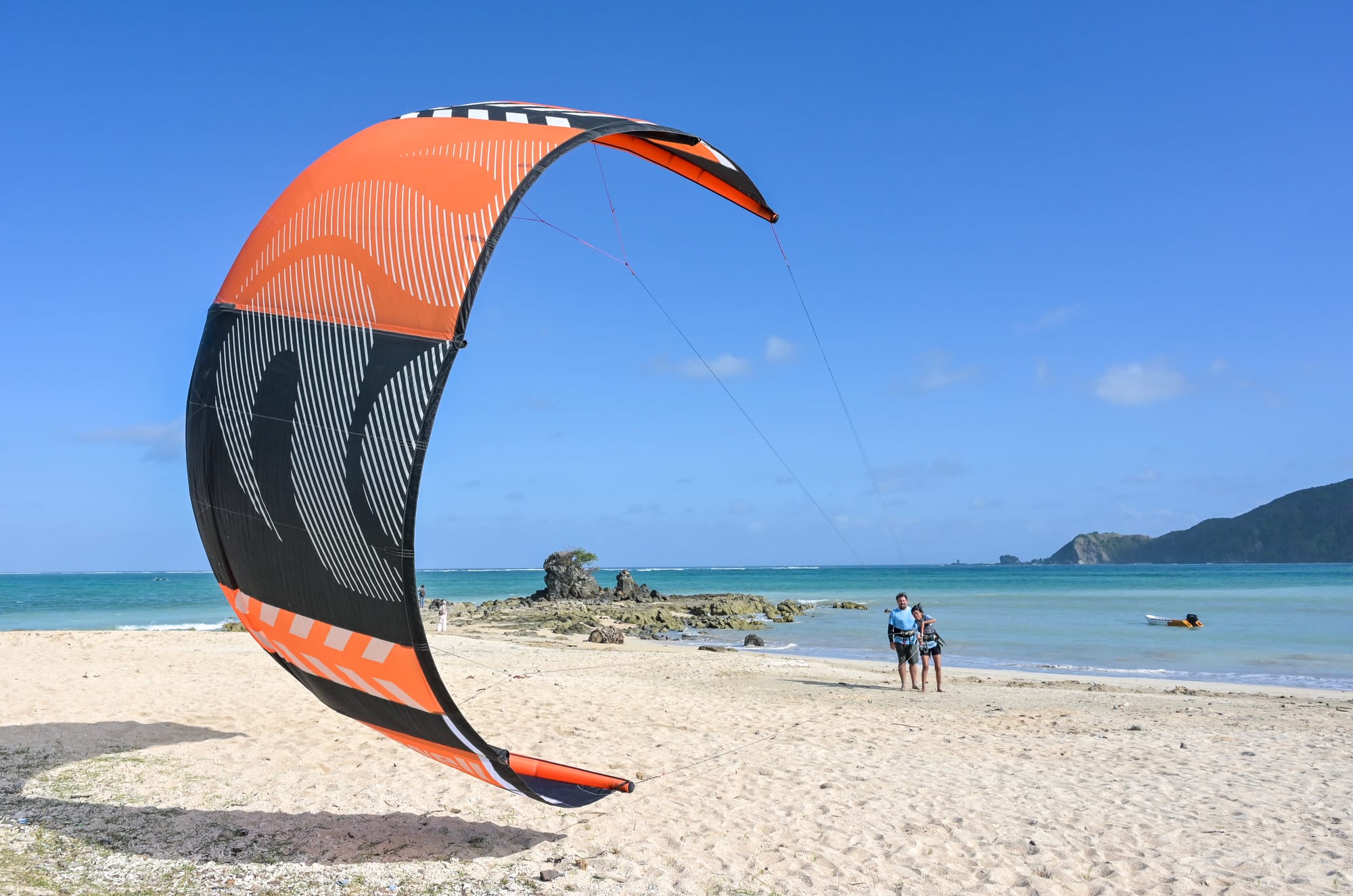
In addition, Indonesia should intensify promotion of destinations similar to Thailand’s, particularly those offering natural beauty such as beaches and mountains.