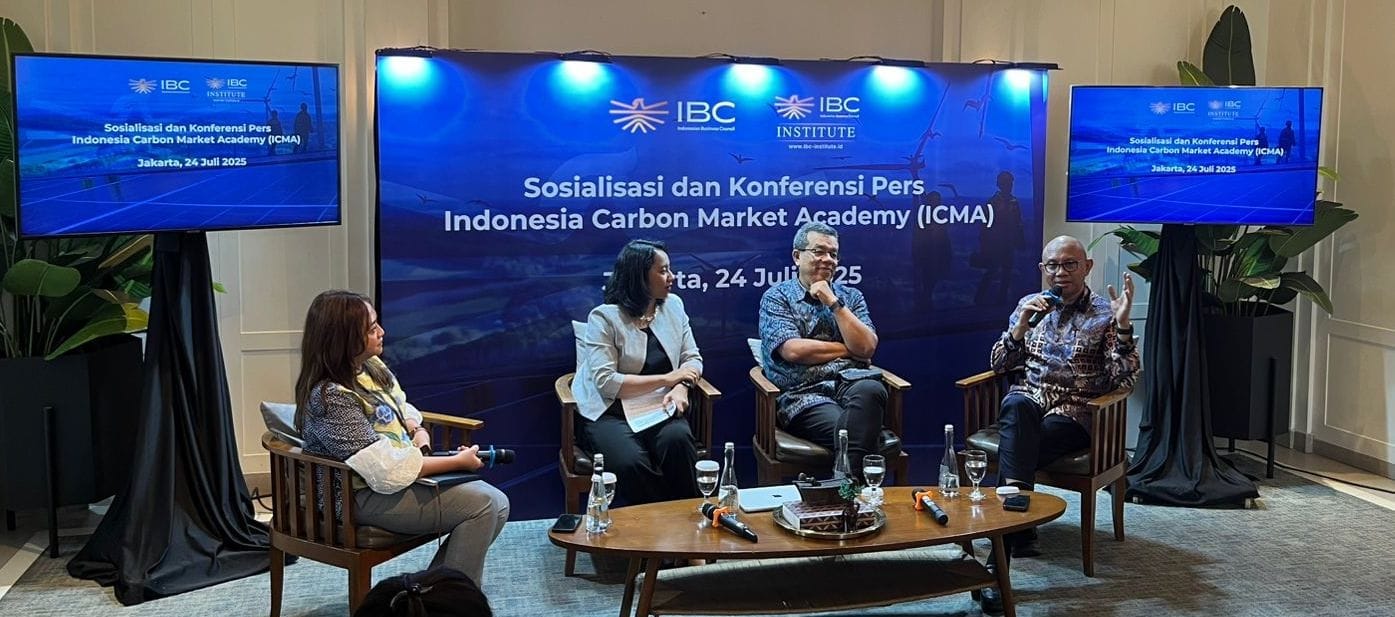
Indonesia’s carbon market is often described as a potential backbone of sustainable development. But realizing that potential, speakers at the Indonesia Carbon Market Academy (ICMA) Socialization Event in Jakarta on July 24 stressed, will require stronger capacity-building and closer collaboration between government, business, and civil society.
William Sabandar, Chief Operating Officer of the Indonesian Business Council (IBC), reflected on the country’s long engagement with climate issues, dating back to the 2007 UN climate summit in Bali.
Yet, nearly two decades later, he said progress has been slow. “We’re still circling around, not moving forward,” he told participants.
William noted that this indicates obstacles in advancing the agenda. He stressed that sustainability can only be achieved if environmental considerations are fully integrated into development.
IBC itself was founded with sustainability as one of its pillars. But he pointed out gaps in cross-sector communication, where government initiatives often move forward without much dialogue with the private sector or civil society.
Meanwhile, businesses are already deeply engaged in sustainability issues, particularly with the rise of Environmental, Social, and Governance (ESG) standards that now drive corporate valuation. “These days, a corporation’s value will only be high if it applies sustainability principles,” he said.
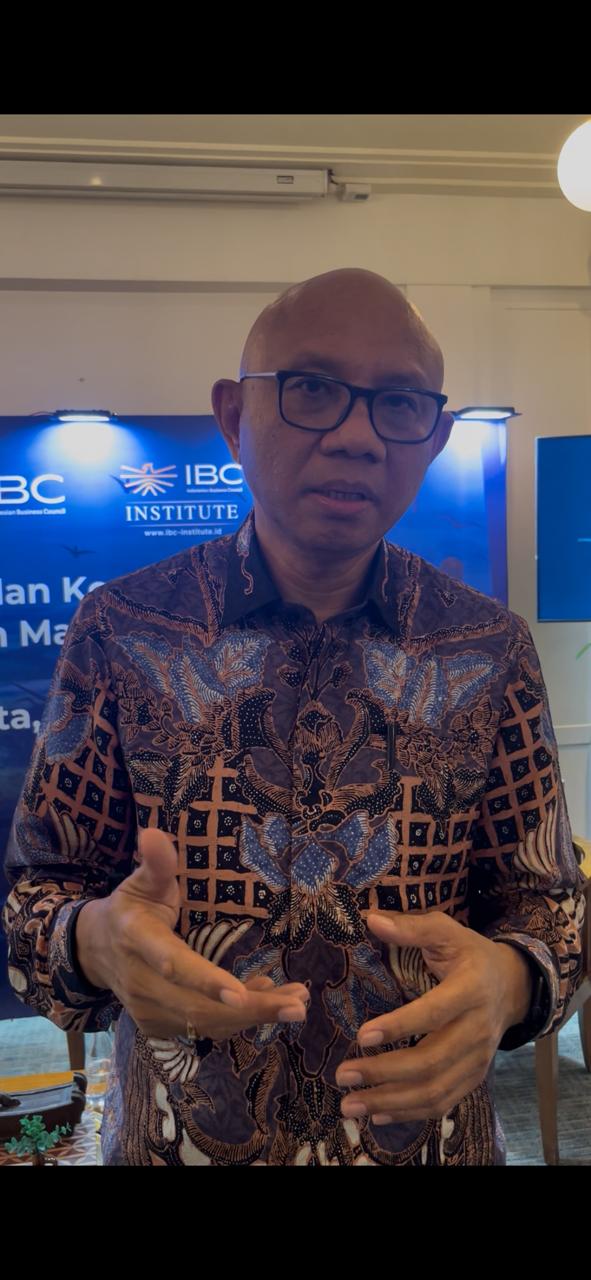
To bridge this gap, William called for stronger collaboration: “The private sector must be more proactive. Together with civil society and government, we need to sit at the same table. This is a big agenda, and it cannot be solved by one party alone.”
IBC has started documenting private sector initiatives and aligning them with government programs and civil society efforts.
The Role of Quality and Inclusivity in Carbon Markets
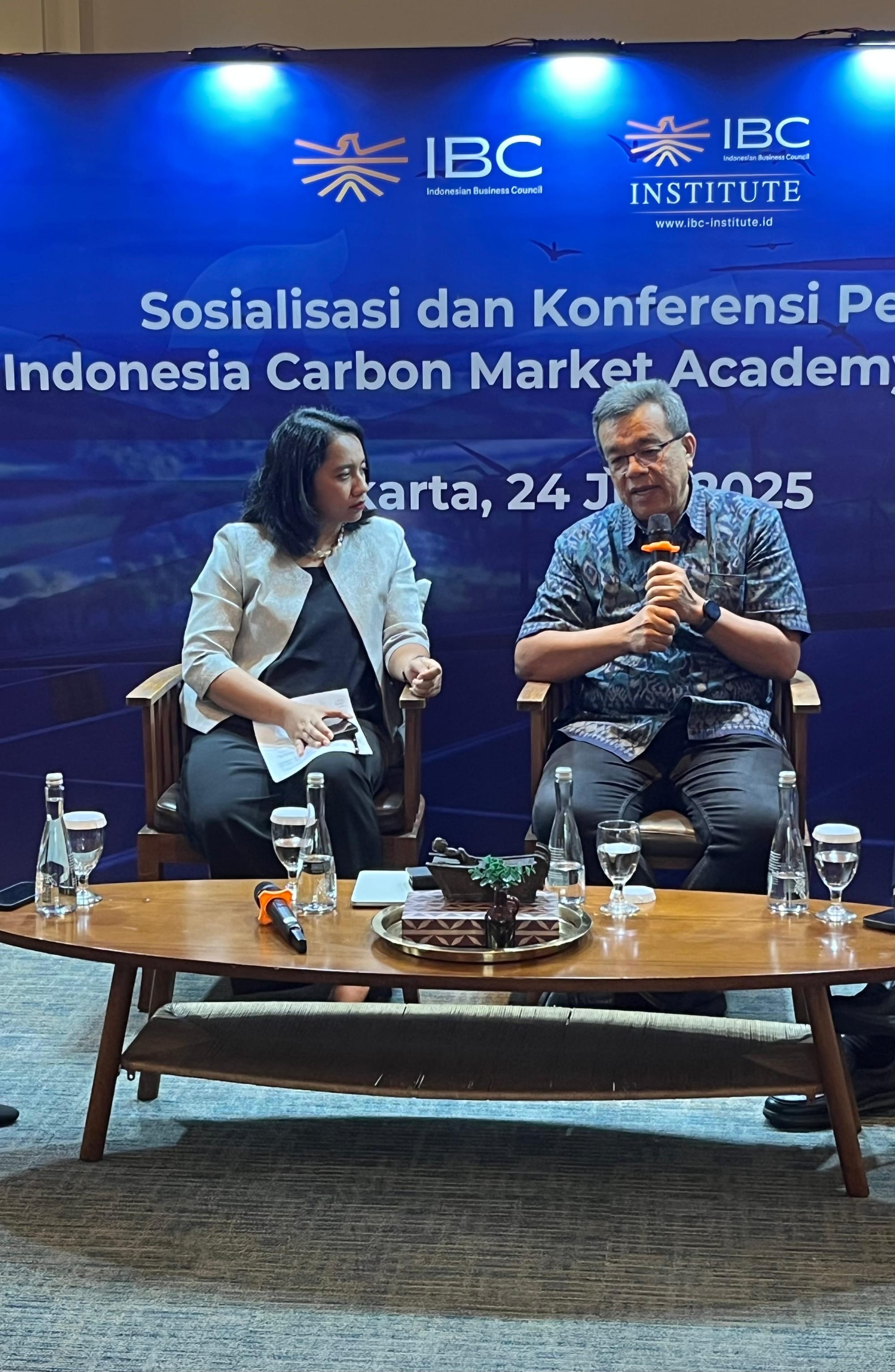
Carbon expert and practitioner Paul Butar Butar underscored the importance of carbon credit quality, a pressing global concern. He referred to a Guardian report alleging “overestimated” emission reductions in several projects, which caused a sharp decline in demand, especially for older projects. Buyers now seek “high-quality carbon credits”—produced through rigorous processes that also consider social aspects.
One strong example is the adoption of the Gold Standard, which ensures carbon projects involve communities fully and transparently.
“If a company or project earns the Gold Standard, it guarantees that the project has met truly high-quality requirements while accounting for social aspects. This also drives premium pricing for such carbon credits,” Paul explained.
Natalia Ralucky Marsudi, Founder and CEO of Fairatmos, echoed the importance of integrity and inclusivity. She pointed out Southeast Asia’s vast forest potential for carbon absorption, though only a small fraction has realized economic value through carbon credits.
Natalia said Fairatmos was built on a vision of fairness and inclusivity in atmospheric restoration. By using technology, Fairatmos opens accessibility for all stakeholders—including village forests, social forests, and even individuals—to participate in carbon projects.
She also stressed that each project must embed change and economic value for local communities engaged in forest or mangrove restoration. “There must be an integrated economic benefit with new activities,” she said, referring to clear revenue-sharing mechanisms for communities, companies, investors, and the government.
Aspirations for Indonesia’s Carbon Market Future
Looking forward, speakers shared ambitious visions for Indonesia’s carbon market. Natalia Ralucky Marsudi expressed hope that carbon markets would deliver economic value across all levels of society.
“Collaboration, open minds, and truly listening to aspirations from all parties are essential because this is a highly dynamic sector,” she said.
Paul Butar Butar wants Indonesia to become a major global player in the carbon market, not just pay lip service.
Meanwhile, William Sabandar believes that Indonesia can escape the middle-income trap if sustainable development—including carbon markets—is fully integrated into governance and state practices. “If we want to be reachable, we need to build our own carbon market that is credible and internationally recognized,” he concluded.
Ultimately, the future success of Indonesia’s carbon market will depend heavily on its ability to strengthen capacities, foster cross-sector collaboration, and ensure that initiatives are high quality and inclusively beneficial for society as a whole.