
A number of disaster experts have stated that the government needs to take swift action to restore conditions in the aftermath of a disaster, particularly in the area of food logistics.
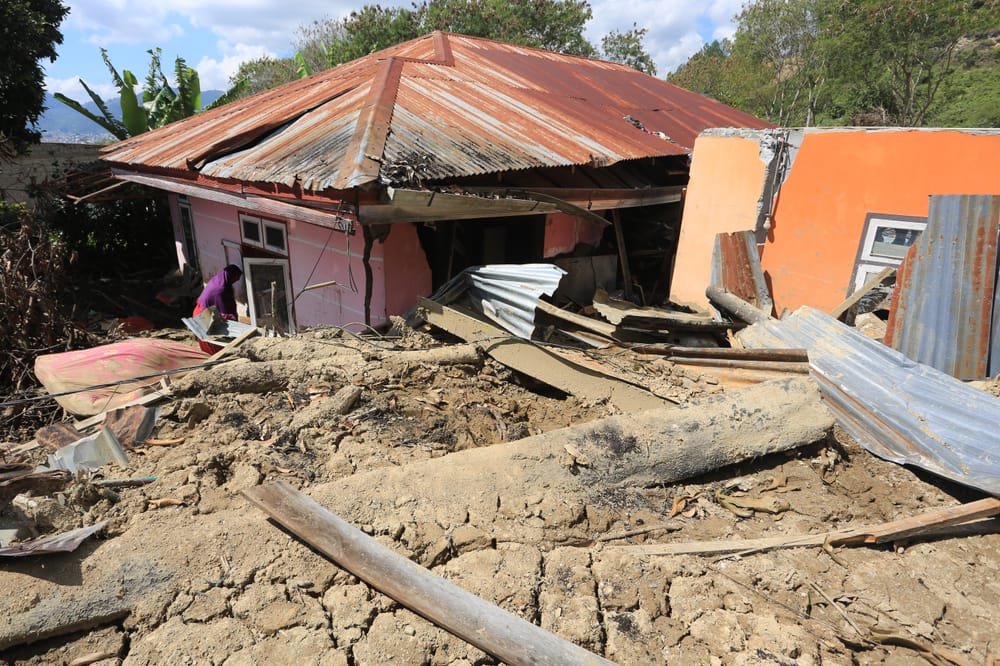
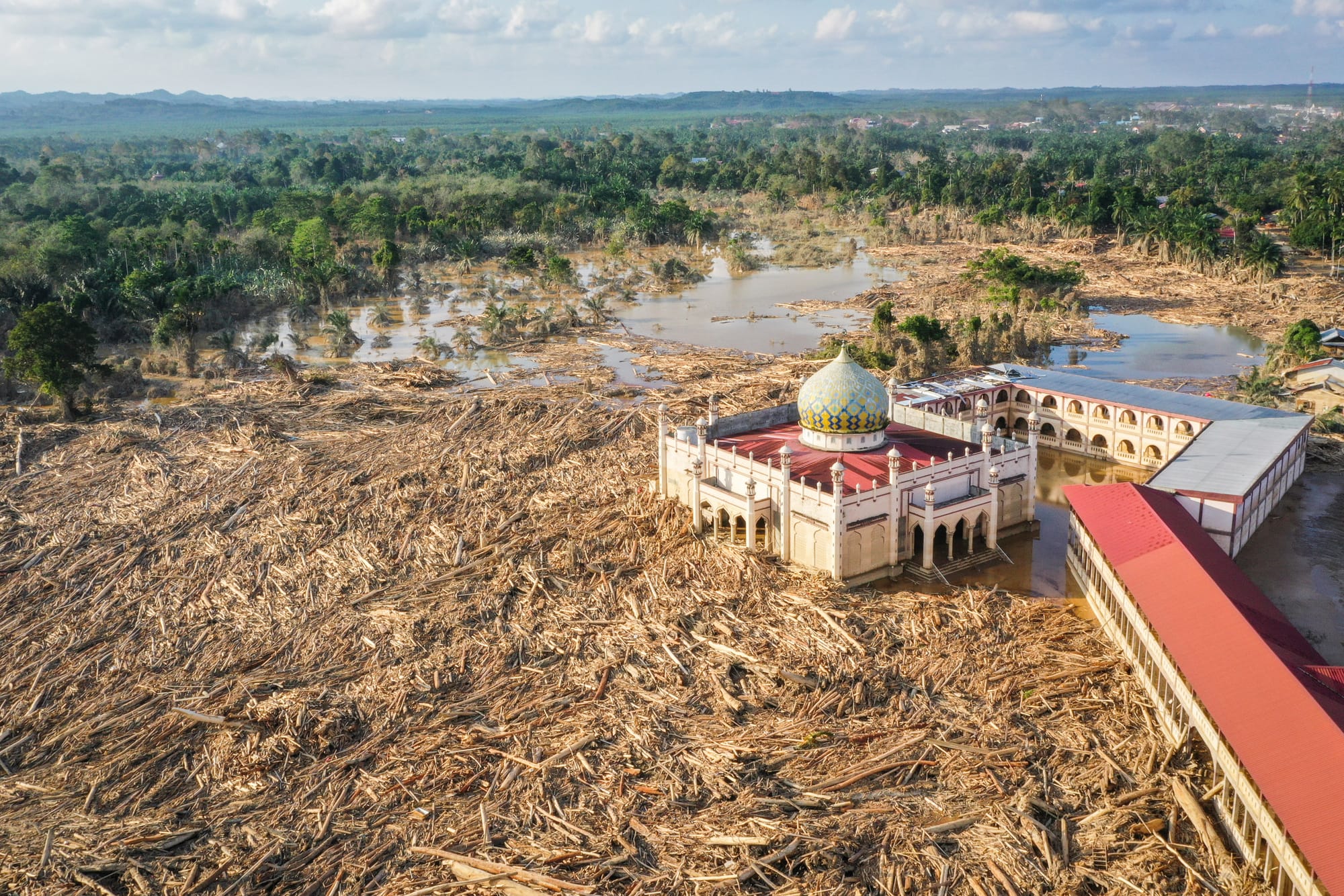
This was in response to the flash floods and landslides that struck three regions, Aceh, North Sumatra, and West Sumatra, at the end of November, making it the worst disaster of the year.
Based on data from the National Disaster Management Agency (BNPB) as of December 29, 2025, there were 1,140 fatalities, 163 missing persons, and more than 399,172 displaced residents.
The Ministry of Public Works (PU) recorded 1,666 points of infrastructure damage in three provinces due to flash floods and landslides. This figure is exacerbated by damage to critical logistics infrastructure, with 271 bridges damaged and land transportation routes cut off.
Head of the Center for Transportation and Logistics Studies at Gadjah Mada University, Siti Malkhamah, suggested that the government and academics need to identify vulnerabilities, analyze policies, and jointly formulate concrete recommendations to strengthen a resilient logistics system.
"Currently, breakthroughs are needed in transportation network design, reserve management, and emergency response coordination," he said on the UGM website in Jakarta (12/29).
The regions of West and North Sumatra are the economic backbone in the food sector, supplying rice to the surrounding areas. Meanwhile, North Sumatra is also known as the national energy barn.
PLN North Sumatra data for 2022 shows that 40.06% of the electricity mix in this region comes from new and renewable energy, in addition to 23.23% from gas and 32.89% from coal.
A similar sentiment was expressed by logistics management expert Kuncoro Harto Widodo. He said that the most urgent initial stage in post-flood recovery is ensuring the safety and basic needs of survivors.
"The distribution of clean water, food, medicine, and medical services is a priority that cannot be delayed," he said in a discussion last week.
According to Kuncoro, flooding often triggers various infectious diseases such as diarrhea, skin infections, and dengue fever due to poor sanitation, making the existence of emergency health posts very important.
In addition, the restoration of communication and transportation systems is also needed so that aid can reach areas that are isolated due to damaged roads or landslides.
In this phase, coordination between the central government, local governments, the Indonesian National Armed Forces, volunteers, and humanitarian agencies is a crucial factor in determining the speed and effectiveness of the response. Once basic needs have been met, the next challenge is to provide temporary shelter for people who have lost their homes.
"Many residents have to stay in evacuation posts under very limited conditions. Therefore, the construction of proper emergency shelters is urgently needed so that survivors can rest safely while waiting for their permanent homes to be rebuilt," he said.
This temporary shelter is not only a place of refuge, but also a temporary center of activity for families, especially for children who need space to study and play.
Disaster mitigation
Disaster expert Jonatan A Lassa proposed several measures that need to be taken to prevent disasters, including building water absorption wells, planting more large trees, and establishing an early flood warning system.
"Cleaning waterways regularly, moving residences to flood-free areas, and not building houses on riverbanks can also prevent flooding," he said.
On the same occasion, activist Farwiza Farhan from the Aceh Forest, Nature and Environment Foundation (HAKA) said that Aceh has continued to lose forests over the past decade. According to her, before 2010 and after the tsunami, Aceh had a spatial plan that mapped the province, covering land sensitivity and population distribution.
"From the mapping, it is stated that clearing new land will increase the risk of disasters, because the environmental carrying capacity has reached its maximum limit," he said.
Health and Energy
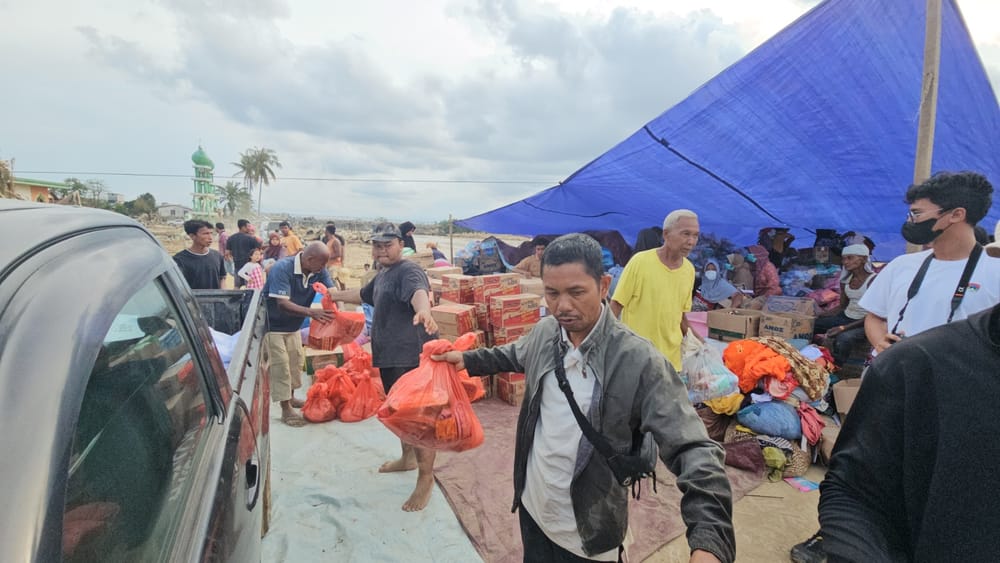
In response to this, Deputy for Food Accessibility and Security Coordination at the Coordinating Ministry for Food Security Nani Hendiarti said that her office has maximized the fair and equitable distribution of food by prioritizing infants, the elderly, and pregnant women.
In addition, the government has established public kitchens in coordination with institutions involving the Ministry of Health and the Ministry of Social Affairs and provided special food packages to prevent malnutrition.
"Integrated health services are also needed as part of short-term treatment," he said in .
Nani said that once the priority response measures had been successfully implemented, the government could move on to restoring other sectors. Examples include improving agricultural infrastructure, repairing embankments and rice field drainage systems, and providing seeds and fertilizer assistance.
On the same occasion, Director of Engineering and Infrastructure at PT Pertamina Patra Niaga Hari Purnomo said that Pertamina, through Pertamina Patra Niaga, is ensuring that energy distribution and humanitarian aid continue amid the floods and landslides that have hit Sumatra.
"To ensure the smooth operation of evacuation and logistics distribution, Pertamina Patra Niaga has prepared 22,600 liters of Dexlite, 6,000 liters of Avtur, and 1,000 liters of Pertamax for BNPB and local governments, including evacuation vehicles and heavy equipment," he said.
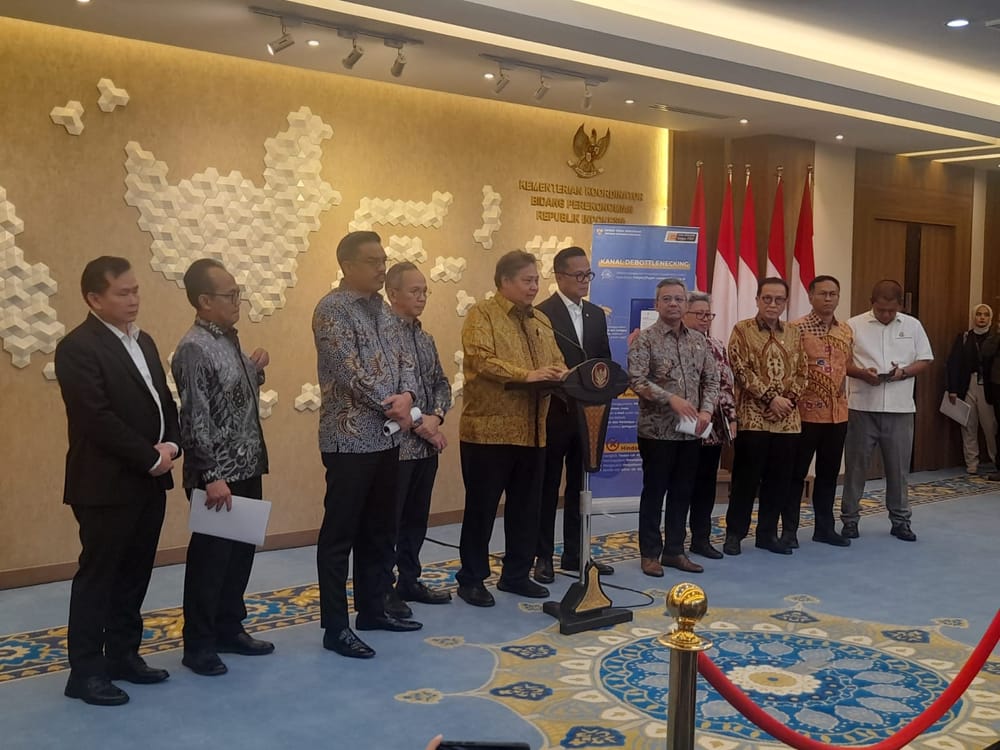
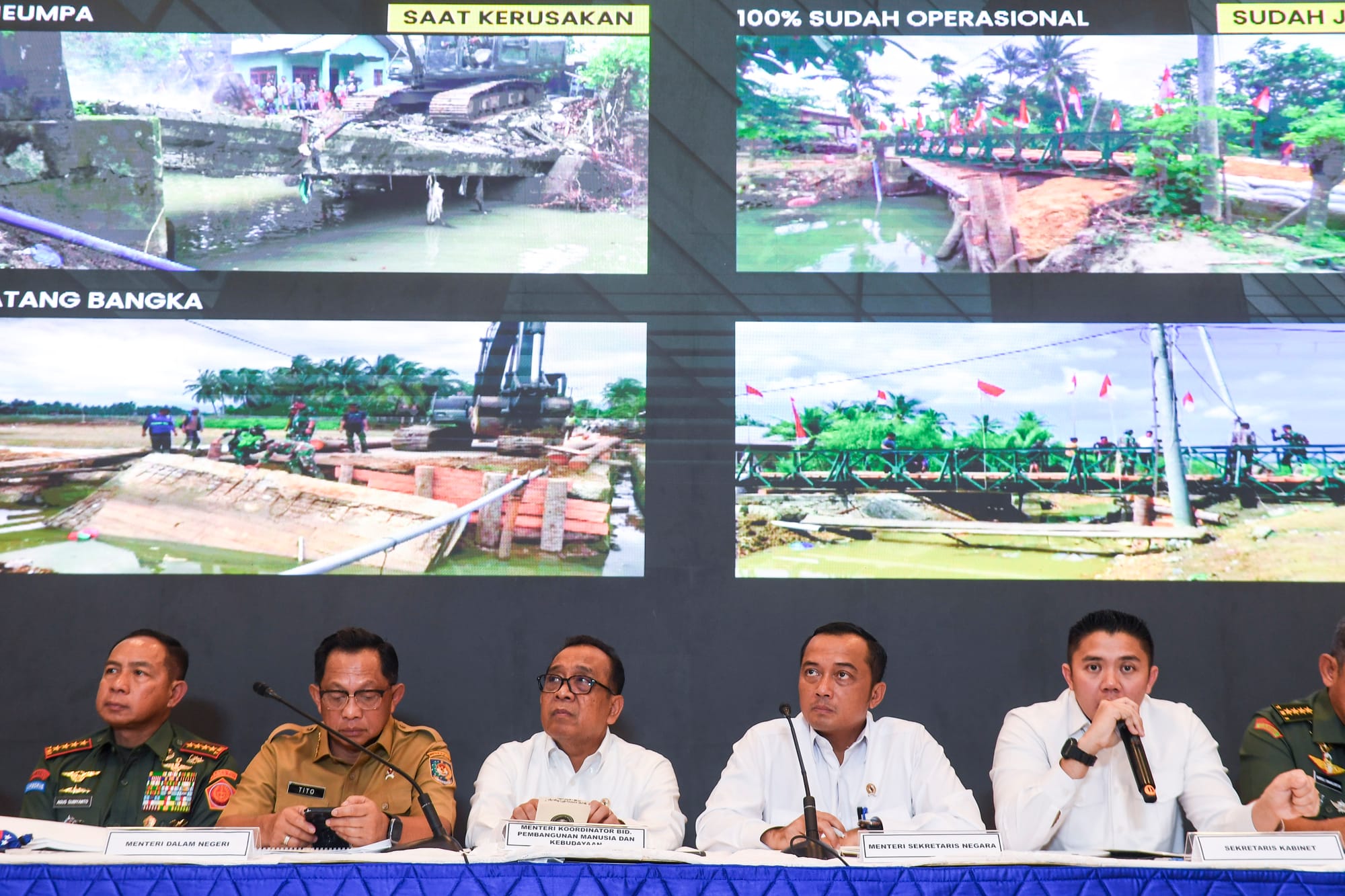
Meanwhile, in the year-end report, Cabinet Secretary Teddy Indra Wijaya claimed that the government had made improvements in the three provinces, one of which was in the national road infrastructure sector.
"The disaster affected three provinces and 52 districts. Seventy-eight national roads were cut off. As of one month ago, only six of the 78 roads were still in the process of being repaired. Four locations were in Aceh, and there were also locations in West Sumatra and North Sumatra," he said.
"As of now, one month, as the Army Chief of Staff said earlier, 12 bridges over wide rivers, 50 meters above, even in Bireun up to 180 meters, are connected," said Teddy.
He emphasized that bridges are a priority in order to reopen logistics distribution routes. "Why are we focusing on bridges, among other things? Because they enable logistics routes to connect between districts and provinces. For areas that are not yet connected, we use air transport," he said.
The government is also preparing large-scale housing development through coordination across ministries and institutions.
"Within this month, next week, there will be 600 houses completed. Next week, God willing, they will be completed. Then from BNPB, there are 450 houses. The President has instructed the Head of Danantara to build 15,000 houses as quickly as possible," he said.
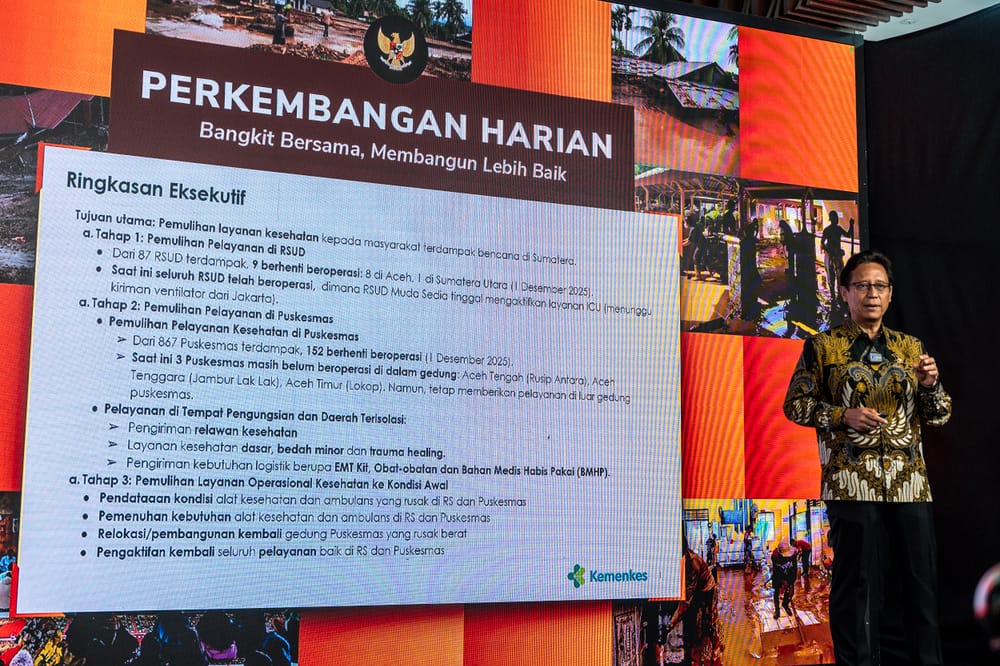
In the health sector, Teddy said that a number of hospitals have resumed full operations after being shut down. The restoration of basic health services has also been rapid thanks to the cooperation of various parties.
"There are 87 hospitals that were affected, all of which were paralyzed. Within a month, all 87 hospitals were able to serve patients again. Some are not yet perfect, but what is certain is that all 87 hospitals are now able to receive patients and treat them. Then there were 867 community health centers that were paralyzed. Now, after one month, only eight are still not operating," explained the Cabinet Secretary.