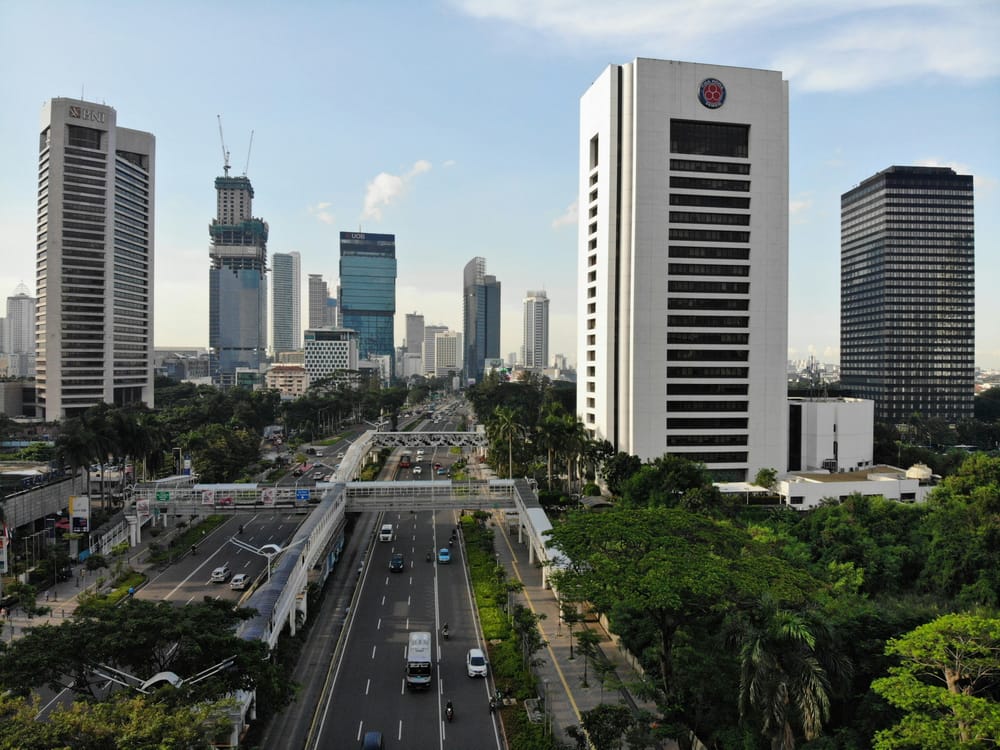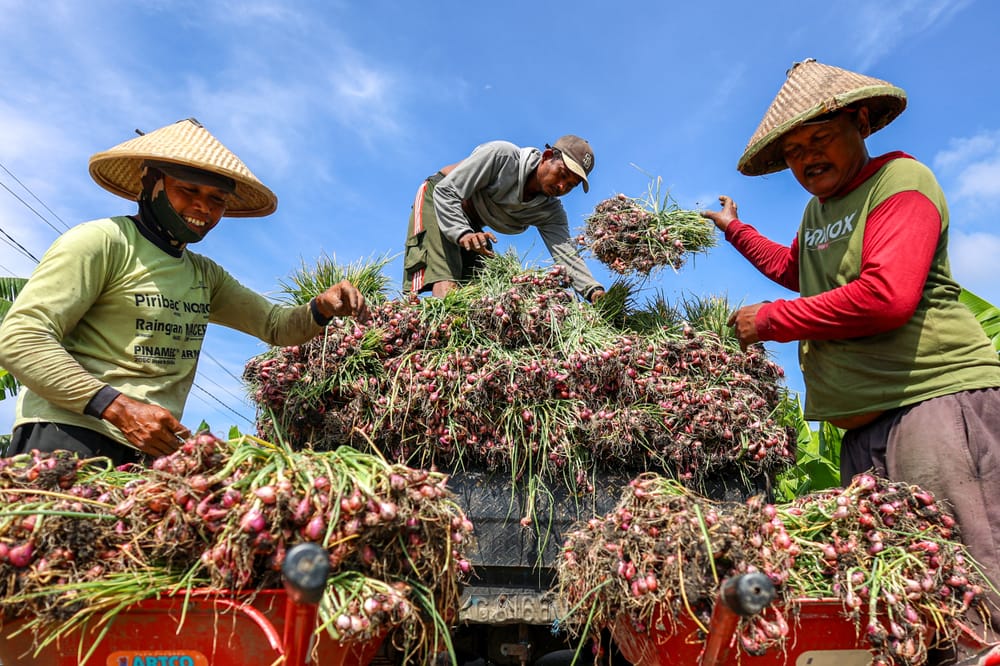

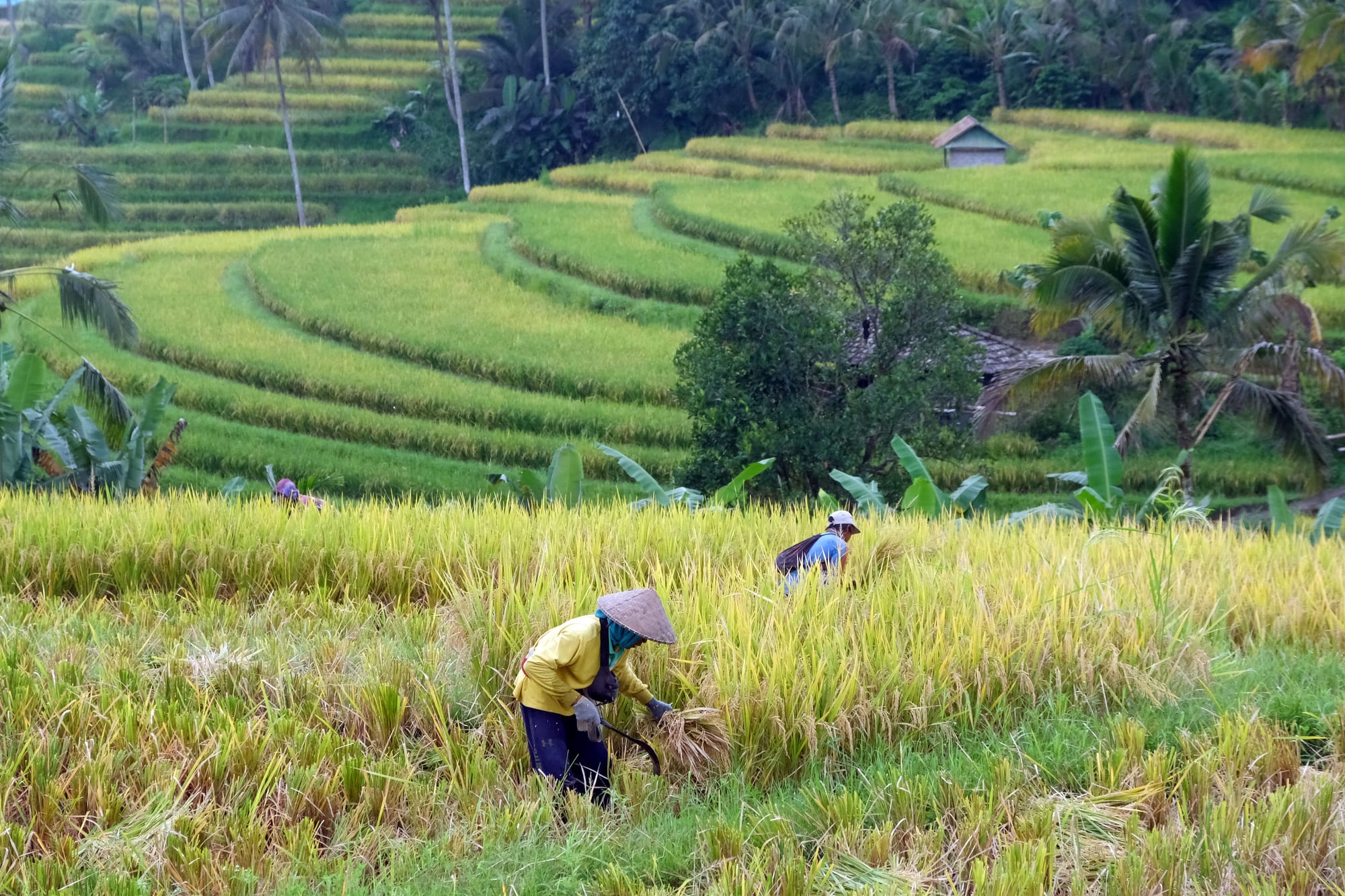
The outlook for the agricultural and plantation sector in Indonesia in 2026 is generally optimistic. The focus of this sector in 2026 is expected to be on national food security through increased production of strategic commodities such as rice, corn, and palm oil (CPO), supported by downstreaming and technology.
However, this sector still faces global challenges such as extreme weather and competition. Therefore, businesses need to encourage productivity innovation and the adoption of sustainable practices to maintain competitiveness and farmers' welfare.
Agricultural observer from IPB University, Dwi Andreas, said that in order to achieve national food security, increasing the production of strategic commodities must be taken seriously.
The government must develop new strategies that can be combined with existing strategies such as strengthening irrigation systems, providing production facilities, and implementing price stability policies with strong stocks by Perum Bulog.
Specifically for palm oil, the strategy implemented to boost production involves accelerating the rejuvenation of smallholder plantations, strengthening legal frameworks, integrating governance, and implementing the B50 policy (50% biodiesel blending) to secure the domestic market.
"Global price dynamics, international competition, climate change, and dependence on imports of certain commodities will still be faced in 2026," he told SUAR Jakarta (31/12).
Dwi said that the government, private sector, and farmers must collaborate to create a strong agriculture and plantation sector that benefits all parties.
Palm Oil Production and Exports Stagnant
Chairman of the Indonesian Palm Oil Association (Gapki) Eddy Martono said Indonesia'scrude palm oil (CPO) exports are projected to continue facing pressure in 2026.
Production stagnation, increased domestic consumption, and plans to implement a 50% biodiesel mandate (B50) have the potential to limit the volume of national palm oil exports.
Palm oil production from the world's two major producing countries, Indonesia and Malaysia, has tended to stagnate in recent years. On the other hand, global demand for vegetable oil has continued to increase.
According to Eddy, this imbalance between supply and demand will be the main challenge for the palm oil industry in 2026. "Production stagnation is occurring amid growing food and energy needs, both in the domestic and global markets," he told SUAR Jakarta (12/29/2025).
The plan to implement mandatory B50 biodiesel is considered to be the main factor that could potentially suppress Indonesian CPO exports in 2026. According to Eddy, in conditions of limited supply, increased absorption of CPO for domestic needs will reduce export volumes.
Thus, Gapki estimates that Indonesia's CPO exports in 2026 have the potential to decline or at least stagnate compared to the 2025 realization.
Gapki believes that future palm oil policies need to be designed in a more balanced manner. In addition to supporting national energy security, these policies are also expected to maintain the competitiveness of CPO exports, price stability, foreign exchange earnings, and the welfare of smallholder palm oil farmers.
Rice harvest
Minister of Agriculture Andi Amran Sulaiman is targeting rice absorption of 2 to 2.5 million tons in the 2026 harvest. This is part of strengthening the Government Food Reserve (CPP) as well as an effort to keep grain prices profitable for farmers.
"During the upcoming harvest season, we will absorb at least 2 million tons, and if possible, up to 2.5 million tons," said the Minister of Agriculture after the Limited Coordination Meeting (Rakortas) for the Determination of the 2026 CPP held at the Coordinating Ministry for Food Security (30/12).
According to the Minister of Agriculture, this absorption target is in line with the projected increase in national rice production in 2026, as well as the government's readiness to strengthen national food reserves.
The government itself plans to increase the Government Rice Reserve from 3 million tons to 4 million tons.
The Minister added that Perum Bulog will spearhead the absorption of farmers' harvests, in line with Bulog's strategic role in maintaining the stability of grain and rice prices.
He explained that strengthening rice absorption is key to ensuring that the bumper harvest, which is expected to arrive earlier in 2026, does not lead to a decline in prices at the farmer level.
Read also:
 Benedictus Krisna Yogatama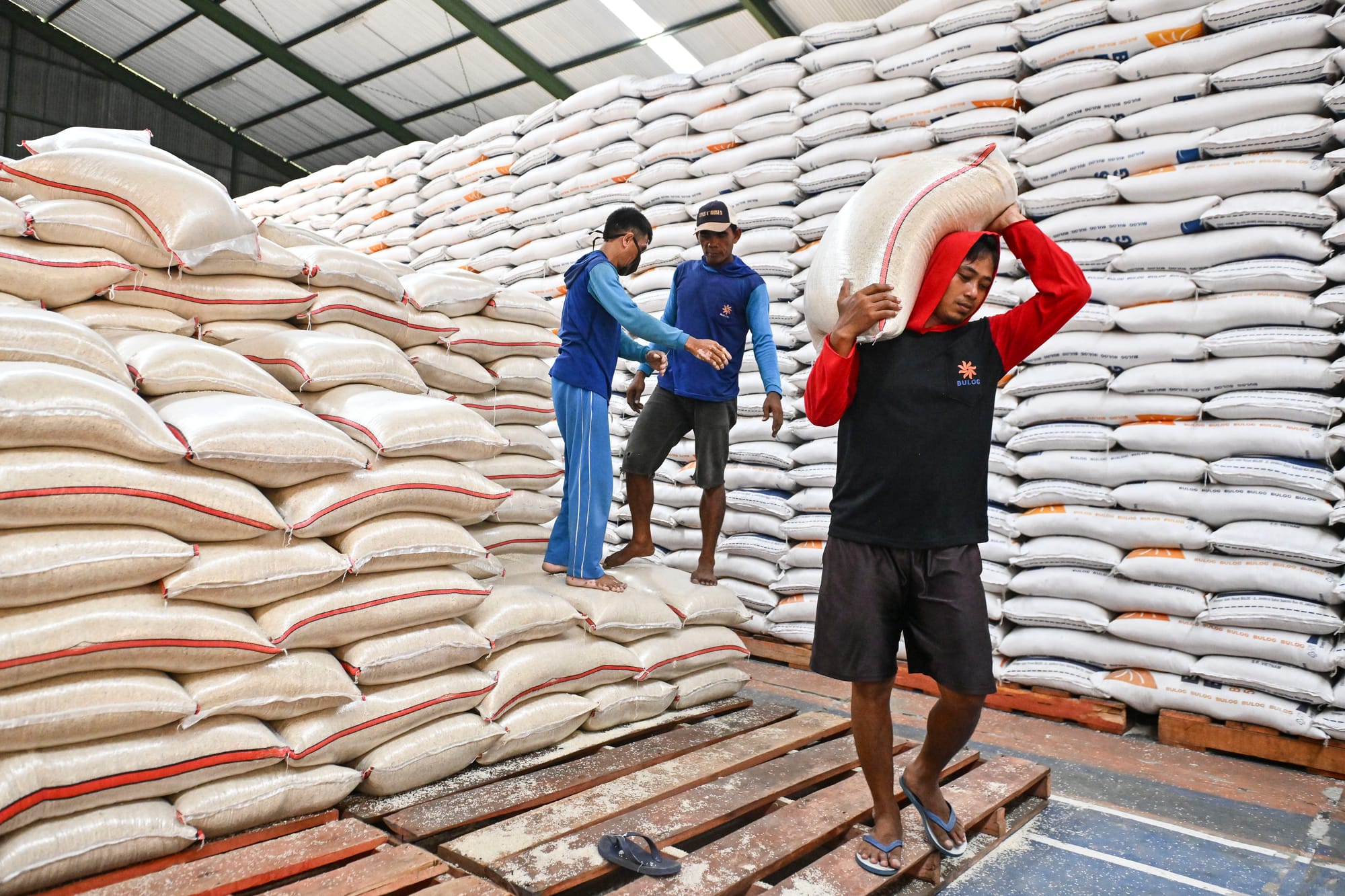
With strong reserves, the government can ensure that farmers' production is optimally absorbed. Currently, national stock conditions are considered very strong. At the end of December 2025, national rice stocks were recorded at 3.39 million tons, the highest in Indonesia's history since independence.
"This is the highest stock in history. So for 2026, it's not just safe, it's very safe," he said.
The Minister of Agriculture also ensured the readiness of production support facilities, including fertilizers. For 2026, the national fertilizer allocation will reach 9.5 million tons with prices reduced by around 20 percent compared to the previous year.