
Indonesia's international trade prospects in 2026 are expected to be filled with both opportunities and challenges. Opportunities come from various bilateral and multilateral cooperation agreements that are already in place. However, Indonesian businesses are also faced with a global economic slowdown that could reduce export and import demand.
Economic observer at the Institute for Development of Economics and Finance (Indef) Eko Listiyanto said that trade agreements signed by Indonesia in 2025, such as the trade agreement with the European Union (IEU-CEPA) and the trade agreement with Canada (ICA-CEPA), will begin to take effect or have an impact in 2026.
The implementation of these trade agreements has had a positive impact on Indonesia's export performance and has led to the diversification of new markets.
In addition, negotiations with the United States have also shown significant progress. The government announced that all substantial issues have been resolved and the signing of a bilateral trade agreement is planned for January 2026, which includes tariff exemptions for several commodities.
"Indonesia's trade performance will continue to grow next year because exports will continue," he told SUAR Jakarta (12/23/2025).
However, 2026 will also be marked by a number of challenges. According to Eko, these international trade challenges include fierce global competition, particularly in relation to commodity prices, exchange rate fluctuations, and the issue of green economic sustainability, which requires downstreaming.
Bank Mandiri Chief Economist Andry Asmoro, in the December 2025 Macro Economic Booklet research titled "Easing Globally, Strengthening Locally," said that next year's export performance will be influenced by the pace of the global economy.
Global economic growth in 2026 is expected to be higher than in 2025. The International Monetary Fund (IMF) estimates that global economic growth next year will be 3.1%, higher than this year's 3.0%. As a result, world trade volume in 2026 is expected to grow 2.5% higher than in 2025, which was 1.7%.
Nevertheless, the business world still needs to anticipate this. This is because a number of Indonesia's major trading partners are expected to experience a slowdown in economic growth in 2026 compared to 2025.
Indonesia's largest non-oil and gas export destination, China, is expected to record economic growth of 4.2% in 2026, which is lower than the estimated 4.8% in 2025. Meanwhile, Indonesia's non-oil and gas exports to China in January-October 2025 reached 23.51%, the largest share among all countries.
2026 Export Target Reaches USD 315 Billion
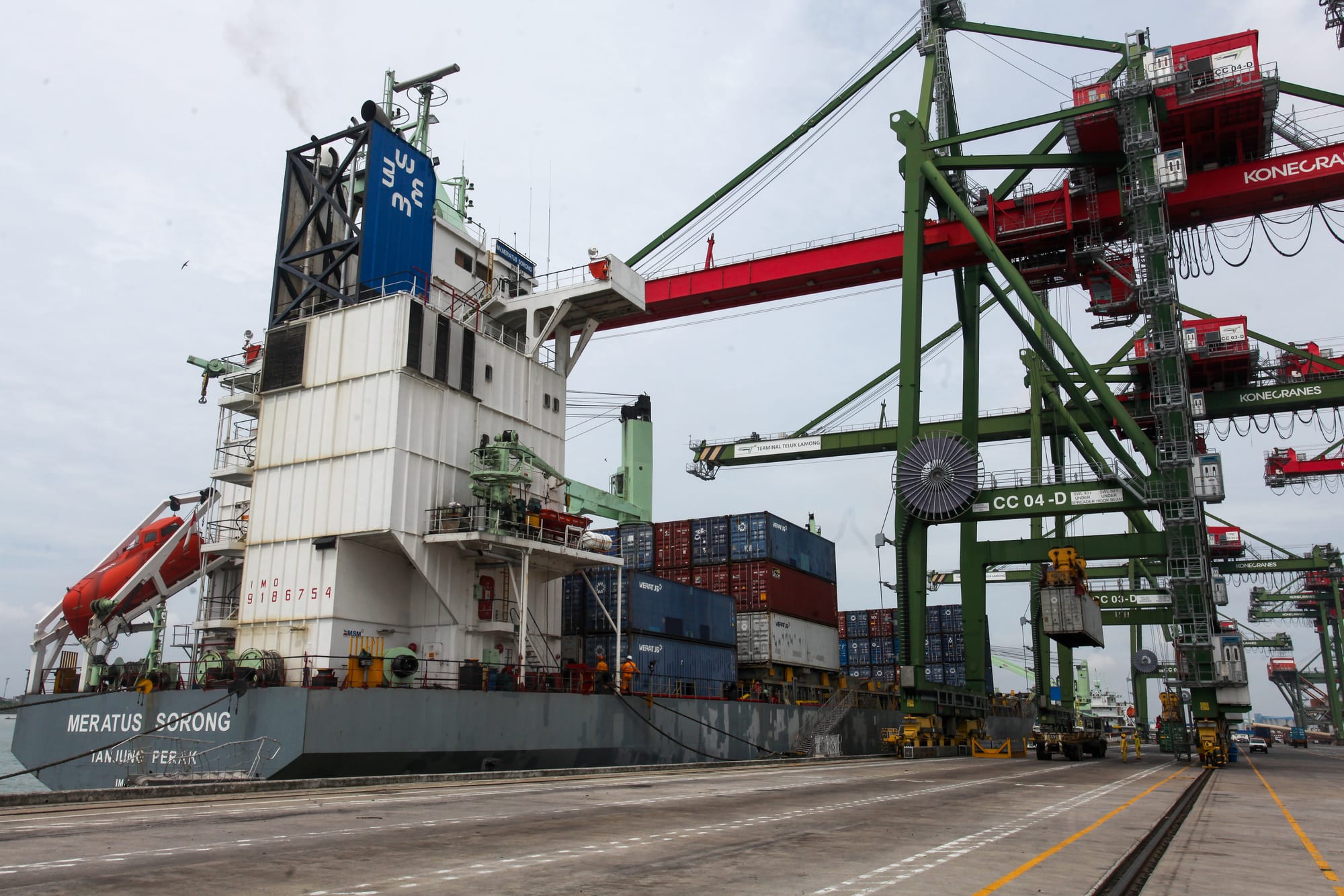
Trade Minister Budi Santoso said Indonesia's export realization in 2025 is estimated to reach USD 294 billion, while the target for 2026 is USD 315 billion. According to him, next year's export target is higher in value than in 2025.
The Ministry of Trade has also set export targets until 2029, with details of USD 315.31 billion in 2026 (up 7.09 percent from 2025),then USD 340.20 billion in 2027 (up 7.89 percent), USD 370.04 billion in 2028 (up 8.77 percent), and USD 405.69 billion in 2029 (up 9.64 percent).
The Ministry of Trade remains optimistic that the 2026 export target can be achieved due to a series of trade agreements that will come into full effect next year.
"We are optimistic, because many trade agreements have also been finalized. Next year, many of them will be implemented," said Budi in a press release received by SUAR Jakarta (12/17/2025).
Watch also:
 Agung Mahesa Fikri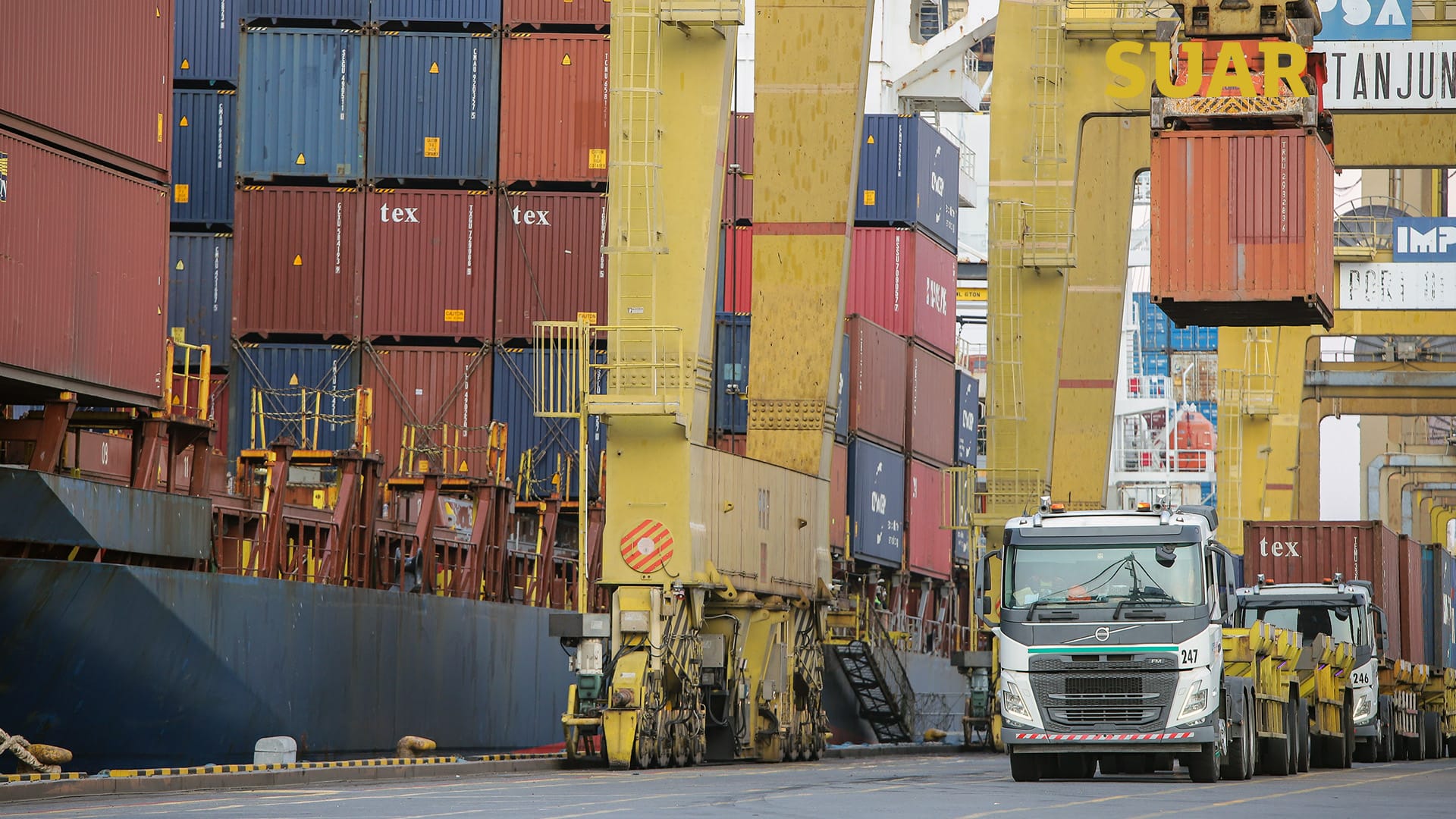
Not only that, the government has also prepared concrete measures to ensure that business entities such as the Indonesian Chamber of Commerce and Industry (Kadin) and the Indonesian Exporters Association (GPEI) can immediately take advantage of these opportunities.
If the realization reaches USD 315 billion, Indonesia will record its highest exports in history.
According to Budi, the government's current focus is not on changing commodities, but rather on expanding markets so that all Indonesian products have easier export opportunities to various countries.
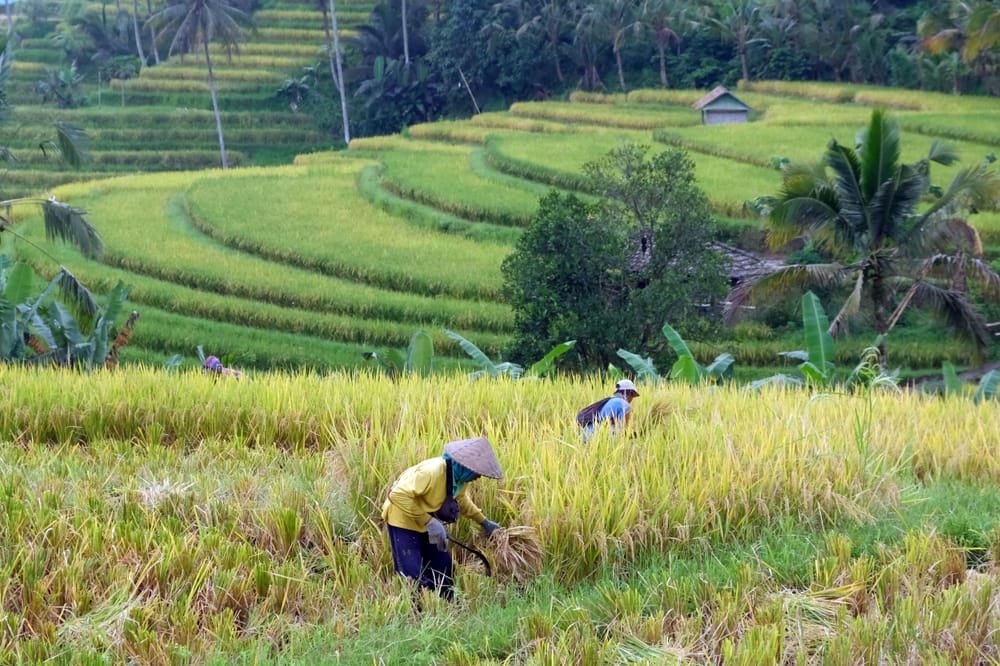
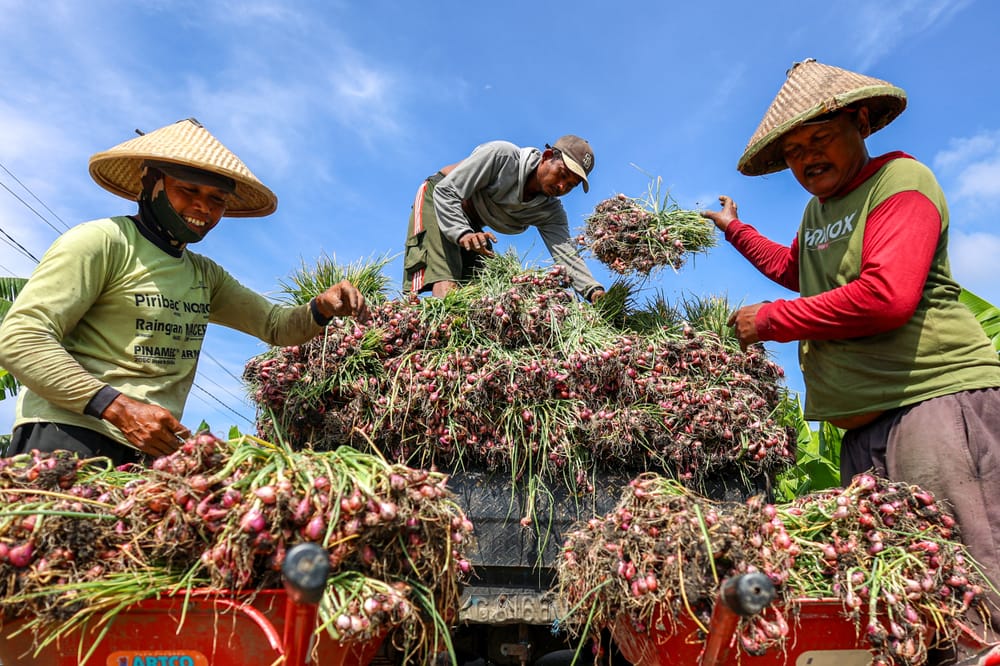
Budi added that the Ministry of Trade has mapped out 741 villages to be developed in the export village program starting in 2026.
"We have identified 741 villages with development potential," said Budi.
He said the program was aimed at expanding the base of exporters so that they were not only concentrated in urban areas. Budi said that a number of village products had quality and variety, but still faced obstacles in terms of product standards, design, and business management in order to enter the international market.
Read also:
 Tria Dianti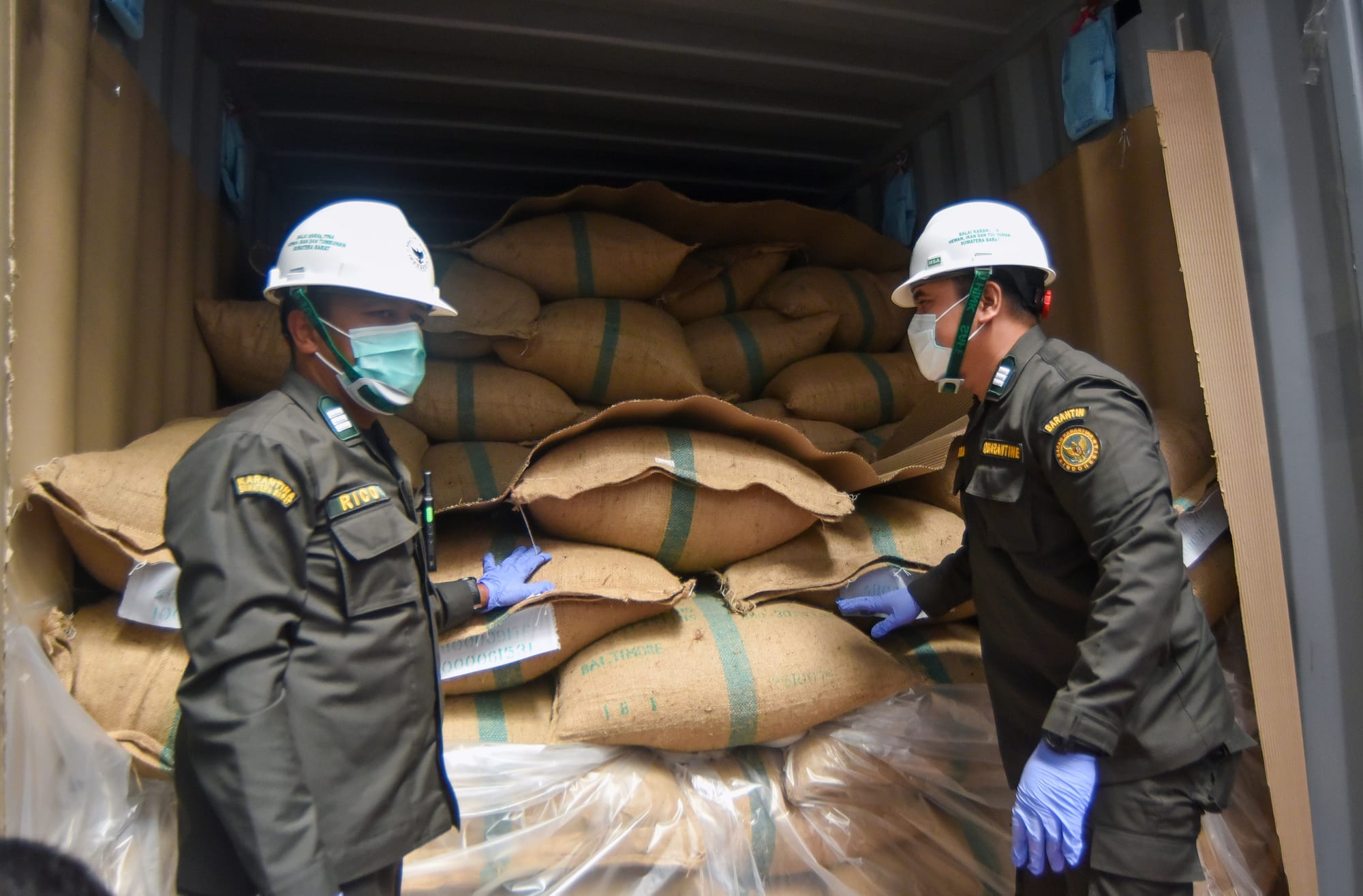
Through this program, the government will provide training on product standardization, management strengthening, and assistance to ensure that products meet export market requirements.
Budi said that village mapping was carried out in collaboration with relevant ministries, local governments, and stakeholders to identify potential commodities and the readiness of business actors in the villages.
Villages included in the mapping will be directed to follow further stages, including trade promotion and integration with the "Micro, Small and Medium Enterprises (UMKM) Can Export" program.
Export Opportunities Still Open
Chairperson of Apindo's Trade Division Anne Patricia Sutanto said that export opportunities from the reorientation of the global supply chain will remain open next year.
Market diversification into Africa, Central Asia, and Latin America needs to be accelerated, while maintaining strengthened trade with China, the US, India, and Malaysia.
Optimism surrounding the trade agreement with the US and the acceleration of 19 PTAs/FTAs/CEPAs, 12 ratifications, and 14 negotiations, including the EU–CEPA 2027, are important instruments.
Indonesia must also be wary of a surge in imports due to US tariffs and weakening demand in key markets. Domestically, fiscal pressure from TKD cuts and tax shortfalls requires modernization of tax administration," he told SUAR Jakarta (14/12/2025).
Apindo also emphasized the importance of maintaining a balanced 2026 wage policy that is data-driven, preserves industrial competitiveness, and creates widespread employment, in line with the provisions of Government Regulation No. 36/2021 in conjunction with Government Regulation No. 51/2023 and the decision of the Constitutional Court.