

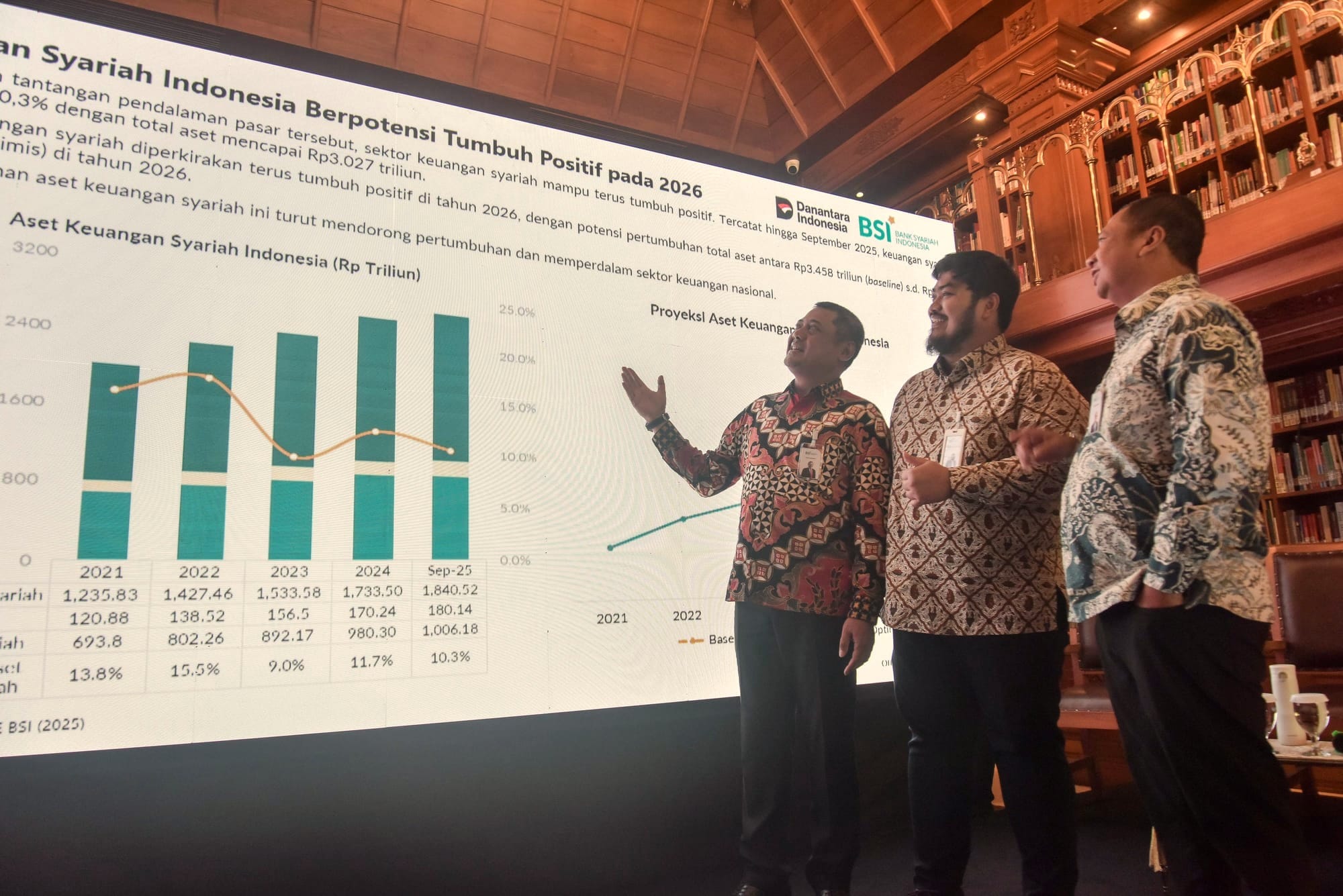
The resilience of the banking sector in performing its intermediary function and navigating business amid economic uncertainty and global fluctuations throughout 2025 will serve as capital in preparing for 2026. Therefore, even though the banking sector has identified future challenges, players remain optimistic while increasing their vigilance in facing various possibilities that have not yet been anticipated.
The Chief Executive of Banking Supervision at the Financial Services Authority (OJK), Dian Ediana Rae, stated that based on the Bank Business Plan (RBB) report submitted at the end of November 2025, banking growth next year will remain positive, partly because credit growth is projected to increase slightly compared to 2025.
"There is still room for global and domestic interest rates to fall next year, which is expected to have a positive impact on DPK growth and liquidity availability, as well as helping banks in disbursing loans," said Dian in a written statement received by SUARon Friday (12/19/2025).
Dian explained that the possibility of further global interest rate cuts is expected to boost credit demand next year, thereby sustaining strong growth. In addition, the resilience of the banking sector, as reflected in its high capital adequacy ratio, will serve as a buffer against economic uncertainty and support overall growth.
"The ratio of non-performing loans ( NPLs) in the banking sector is also projected to continue improving and remain low (around 2%), although pressure continues to come from the UMKM credit segment UMKM the fastest growing sector during economic expansion, but also the fastest to be affected when macroeconomic conditions weaken," he said.
From the regulator's perspective, the implementation of various government programs and optimal support for fiscal policy, trade policy, industrial policy, and investment policy will increase the multiplier effect on household consumption and business investment. The synthesis of these four factors is also expected to drive demand for bank credit.
For banks with small core capital, OJK encourages the strengthening of the banking industry through capital increases or consolidation. This step is considered important, especially considering the dynamics of information technology development, the acceleration of banking digitalization, the uncertainty of global and domestic economic conditions, and the increasing risk of cyber attacks, so that sustainable bank growth needs to be encouraged.
"OJK assesses that national banks have room to strengthen their capital and increase their business scale through organic and inorganic strengthening measures. An inorganic approach through consolidation is necessary to further boost bank performance," said Dian.
In line with future challenges, OJK has formulated three strategies in preparing banking business supervision in 2026.
- Monitoring the implementation of a number of banking industry roadmaps, including the Indonesian Banking Development Roadmap (RP2I), the Indonesian Sharia Banking Development and Strengthening Roadmap (RP3SI), the BPR/BPRS Development and Strengthening Roadmap (RP2B), and the Regional Development Bank Roadmap (RBPD);
- Ensuring that OJK Regulation No. 19 of 2025 concerning Easy Access to Financing for UMKM optimally, so that UMKM access bank financing quickly, accurately, easily, cheaply, and inclusively. This provision also regulates the obligation of banks to include UMKM credit distribution targets UMKM their RBB as part of supervision and monitoring.
- Coordinate with the Financial System Stability Committee (KSSK) in order to monitor and take necessary measures to maintain financial system stability and support national economic growth.
Follow the instructions
In accordance with OJK directives, Executive Vice President of Corporate Communication and Social Responsibility at Bank Central Asia (BCA) Hera F. Haryn stated that her party is committed to distributing credit prudently to various segments and sectors, in line with the company's commitment to supporting national economic growth.
Currently, with BCA's total credit growing 7.6% YoY to Rp944 trillion, total Third Party Funds (DPK) collected grew by 7% YoY. This growth is accompanied by maintained credit quality, with the loan at risk ( LAR) ratio maintained at 5.5% in Q3 2025, while the non-performing loan ( NPL) ratio is controlled at 2.1%. BCA's NPL and LAR provisions are recorded at 166.6% and 69.5%, respectively.
"Throughout 2025, BCA will continue to strengthen its hybrid banking ecosystem to meet the diverse needs of its customers. While expanding BCA's presence in the community by opening a number of new branch offices in various regions, we will also continue to drive innovation in digital banking services," Hera explained in a written statement to SUARon Saturday (12/20/2025).
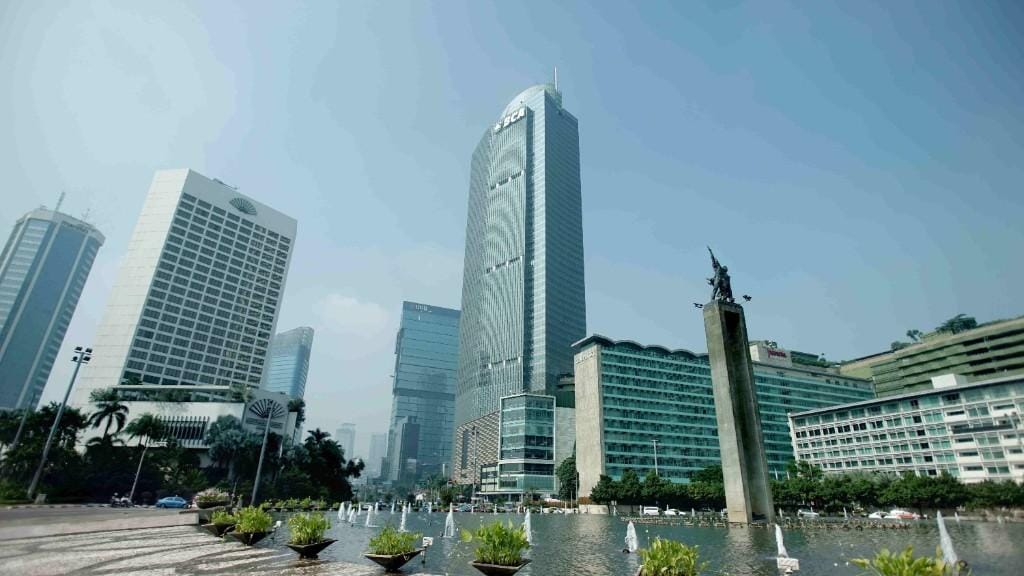
To enhance the performance of the myBCA and BCA Mobile applications, two BCA mobile banking services that are evolving in line with digital lifestyle trends, BCA has developed a cutting-edge innovation: the myBCA on Smartwatch application, which allows customers to view their balance and transaction history and make cardless transactions such as QRIS Tap and QRIS CPM (Customer Presented Mode) directly from their wrist.
"With these various digital services and innovations, it is not surprising that BCA has become the bank of choice for Gen Z. This is based on a CGS International survey which revealed that 69% of Gen Z respondents chose BCA because of its flexible digital services and good user experience," he added.
"Looking ahead to 2026, BCA is committed to continuously providing a secure and reliable transaction platform, while also offering solutions that are relevant to customer needs. In line with the positive economic growth outlook for 2026, BCA is optimistic that it will continue to encourage lending based on the principles of prudence and disciplined risk management," concluded Hera.
Meanwhile, three state-owned banks held Extraordinary General Meetings of Shareholders (EGMS) at the end of this year. The three banks are PT Bank Negara Indonesia (Persero) Tbk (BNI), PT Bank Rakyat Indonesia (Persero) Tbk (BRI), and PT Bank Mandiri (Persero) Tbk (Bank Mandiri).
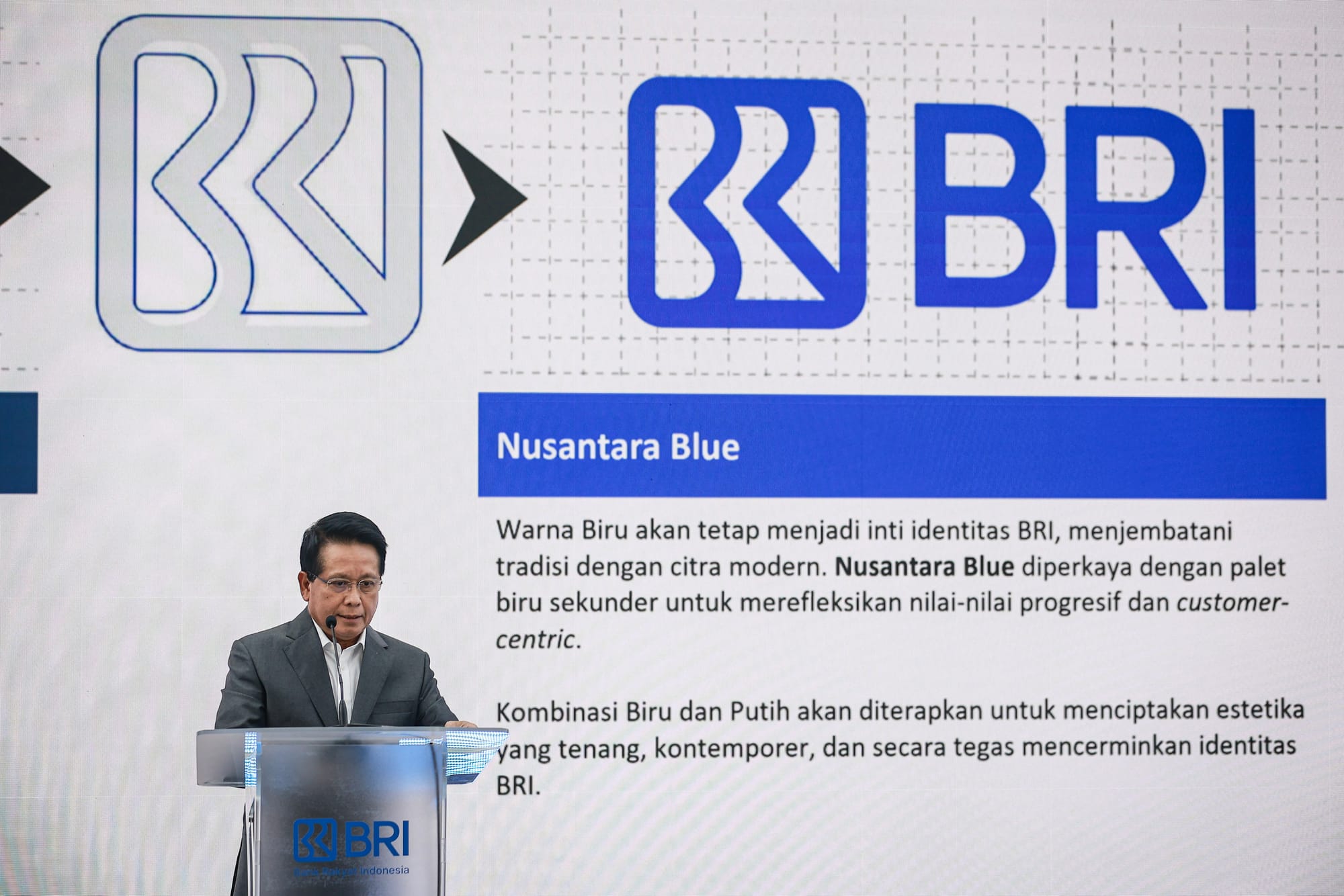
BNI was the first to hold an Extraordinary General Meeting of Shareholders on December 15. After that, BRI held an Extraordinary General Meeting of Shareholders on December 17. Meanwhile, Bank Mandiri held an Extraordinary General Meeting of Shareholders on December 19.
The results of the third AGM of the three state-owned jumbo banks had a common thread, namely changes in the names of the company's commissioners and directors. This was directed by the shareholders, namely the state, which is now represented by the State-Owned Enterprise Regulatory Agency (BP BUMN). They also drew up a work plan for 2026.
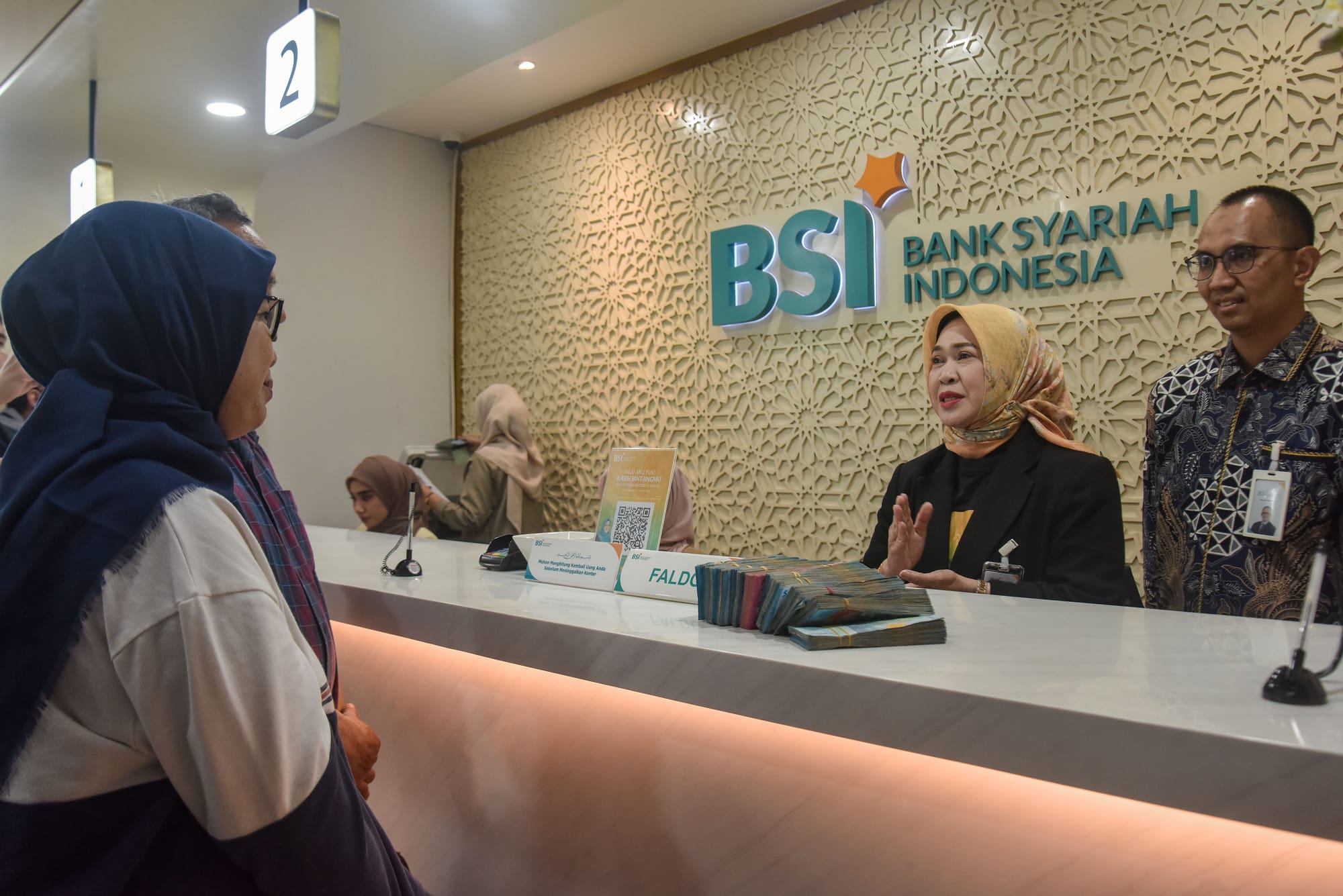
Another state-owned bank, BTN, initially scheduled to hold its Extraordinary General Meeting of Shareholders on Monday, December 22, 2025, has postponed it to January 7, 2026. Meanwhile, PT Bank Syariah Indonesia Tbk plans to hold its Extraordinary General Meeting of Shareholders on Monday, December 22, 2025.
Anticipate ripple effects
Despite the strength of optimism in 2026, the banking sector is also expected to be more cautious, particularly in anticipating the ripple effects of macroeconomics, geopolitics, and digital transformation in business. Strategies to anticipate these three aspects need to be strengthened early on.
Senior economist and lecturer at the Indonesian Banking Development Institute (LPPI) Ryan Kiryanto stated that, based on this year's experience, the slowdown in credit growth starting in the second half of 2025 was not reflected in economic growth in the second and third quarters, which reached 5.12% and 5.04%, respectively.
This signals that some entrepreneurs and debtors are beginning to use their own funds or self-financing, in addition to finding sources of financing other than banks to expand. However, confirming the OJK's assessment, Ryan believes that the outlook for the banking sector in 2026, in terms of third-party funds, credit, and net profit, both individually and for the industry as a whole, will remain good.
"If we refer to the 2026 state budget, it is very clear that next year's fiscal spirit is aggressive and expansive. First, the state budget volume reaches Rp3,842.7 trillion. Second, the economic growth target is high, at 5.4%. Both are based on work programs that refer to Astacita. As a result, with this expansive and aggressive fiscal reference, banks will certainly follow suit," explained Ryan when contacted on Wednesday (12/17/2025).
However, Ryan outlined five challenges that banks must be prepared to face, and to that end, caution must be followed up with strategic risk mitigation and anticipation.
- Cyber threats are growing exponentially and taking on various forms. Artificial intelligence-based information technology is no longer an option, but a necessity to secure customer data and increase public trust.
- Geopolitical risks, particularly in the South China Sea and the deteriorating relationship between the United States and Venezuela, could disrupt the semiconductor supply chain and trigger fluctuations in crude oil prices, thereby changing the trade map, business sentiment, and investment prospects.
- Mitigation of ecological disaster risks that can occur at any time, such as those that occurred in Aceh, North Sumatra, and West Sumatra;
- Innovations in non-bank financial institutions, ranging from fintech, peer-to-peer lending, security crowdfunding, as well as capital markets as alternative financing. Uncompetitive banking credit products will undoubtedly be defeated by these financing providers.
- Plans to issue government bonds with tenors of less than one year could affect banking liquidity, given that as an investment instrument, the government bond market is relatively liquid and active.
"Therefore, I hope that our friends in the banking sector will remain optimistic as we approach 2026. Yes, optimism is necessary, but we must also be highly vigilant in facing these risks. Be optimistic, but with caution," concluded Ryan.