

Changes in tourist preferences, which coincide with the achievement of milestones throughout 2025, are a concern for the tourism industry as it navigates next year's business. Reflecting on this year's experience, tourism stakeholders have learned an important lesson: only value-added and adaptive tourism is ready to overcome challenges, namely those that are able to dance along with the rapidly changing landscape.
Chairman of the Indonesian Tourism Industry Association (GIPI) Hariyadi Sukamdani explained that amid slowing purchasing power and the residual effects of government efficiency measures, the number of inbound tourists ( foreign tourists visiting Indonesia) is still expected to increase from 13.9 million throughout 2024 to 15.7 million by the end of 2025. Bali's position as the number one favorite destination remains unshaken.
"Unfortunately, there are still many sharing economy accommodations in Bali, so legal hotels or resorts are not able to fully enjoy the wave of visitors. The crackdown on unlicensed accommodations must be carried out seriously, so that it is not the illegal ones that benefit," Hariyadi told Suar.id on Friday (12/19/2025).
In addition to the increase in the number of inbound tourists, improvements in transportation connectivity and the geopolitical effects of the Thailand-Cambodia conflict have also encouraged foreign tourists who want to experience exotic Asian vacations. This phenomenon has grown organically along with the preference of Indonesian tourists who like to travel abroad rather than to local destinations.
One of the reasons for this preference, according to Hariyadi, is the competitiveness of foreign airlines that sell tickets at lower prices than domestic airlines. The imposition of VAT on tickets, differences in jet fuel prices, high airport service charges , and restrictions on spare parts for domestic airlines' aircraft are believed to cause domestic airlines' ticket prices to be less competitive.
"Other countries consider aviation to be the backbone of their tourism industry, so airlines are given many incentives. In our country, however, we are subject to this and that tariff," he said.
In navigating next year's business, tourism industry players are hoping for a more comprehensive tourism strategy rather than ad hoc measures such as the recent Christmas and New Year transportation ticket discounts.
Hariyadi emphasized that a clear tourism strategy is a manifestation of the government's commitment to proving that tourism is not merely an accessory in the nation's efforts to achieve its economic growth targets.
Read also:
 Tria Dianti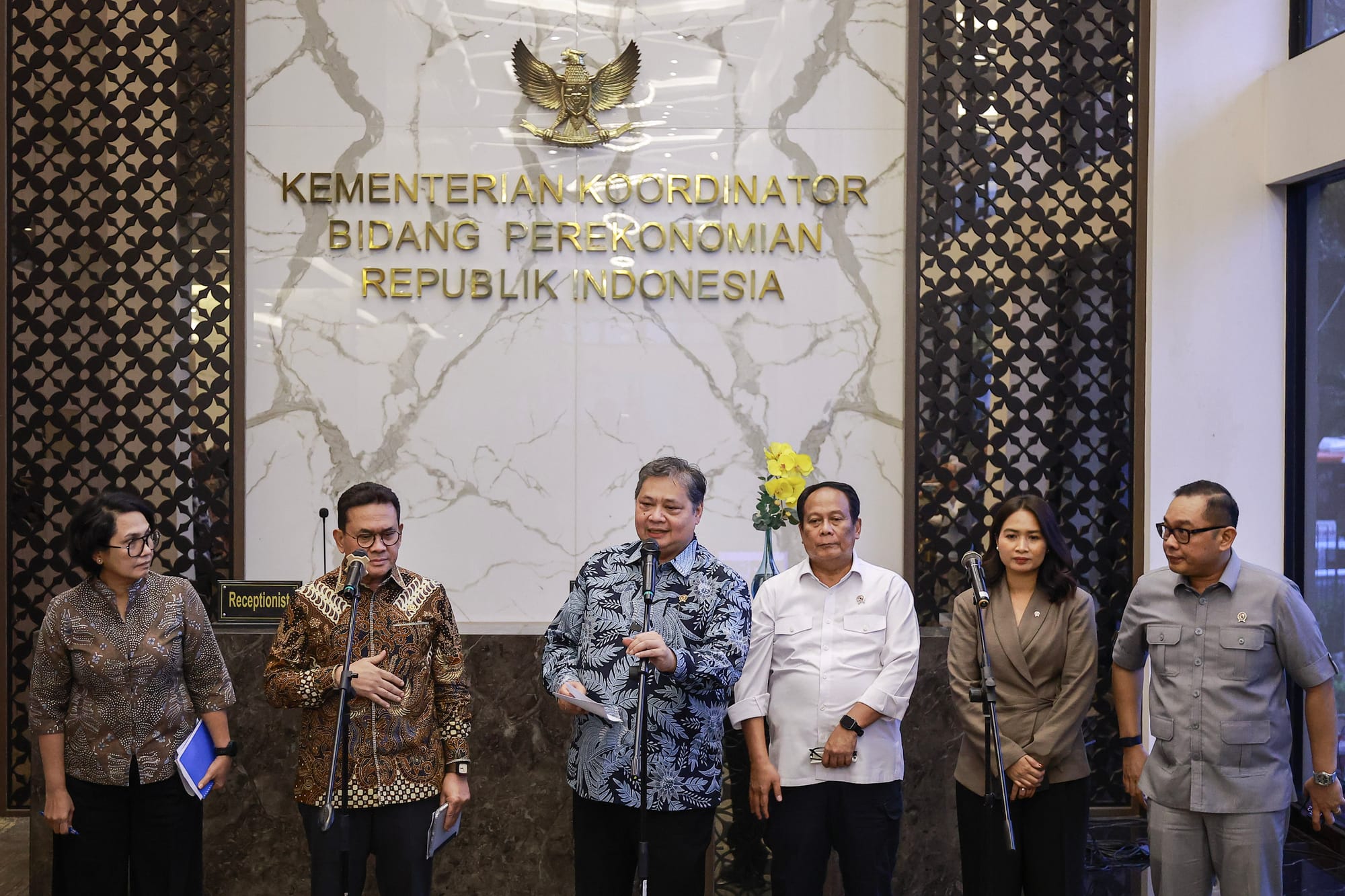
Examples of such strategies include Wonderful Indonesia Hot Deals, which will sell flight and hotel packages at discounted and competitive prices one week before Ramadan 2026 and during the first three weeks of Ramadan, given that hotel occupancy rates and airline ticket sales experience a drastic decline during this period.
In addition to planned hot deals programs, promotions of new destinations through travel agency partners at home and abroad also need to be carried out in a measured manner to introduce new destinations outside Bali, so that tourist attractions from Sumatra, NTT, to Papua can achieve competitive visitation rates.
"It is not easy to coordinate with airline partners who are more rigid and bureaucratic, while hotels are very flexible and can adapt to their needs. We have prepared a joint promotion aimed at attracting more foreign tourists to visit next year," he concluded.
Accommodative regulation
Responding to the expectations of tourism industry players, Minister of Tourism Widiyanti Putri Wardhana stated that tourism investment continues to grow to drive development. By Q3 2025, Indonesia's tourism investment realization has reached IDR 53.92 trillion, growing 52.66% year-on-year.
"We realize that this investment achievement did not happen by itself. It is the result of hard work and support from many parties in strengthening Indonesia's tourism ecosystem," said Widiyanti at the Ministry of Tourism's Year-End Press Conference in Jakarta on Tuesday (12/16/2025).
A number of breakthroughs have been made by the Ministry of Tourism throughout this year, including the publication of the Tourism Doing Business: Investing in Indonesia guidebook, which was compiled in collaboration with UN Tourism. This first tourism investment guide in the Asia Pacific region contains comprehensive and verified information for investors on the potential, returns, and legal procedures for investing in Indonesia's tourism sector.
From a regulatory perspective, Minister of Tourism Regulation No. 6 of 2025 governs business activity standards, supervision procedures, and administrative sanctions in risk-based business licensing in the tourism sector. Widiyanti emphasized that this regulation serves as the basis for restructuring the accommodation sub-sector, particularly in relation to licensing.
"We are coordinating with local governments and online travel agents to ensure that all accommodations offered on the platform have obtained business licenses with the appropriate classification by March 31, 2026, at the latest. Through this regulation, we want to ensure that tourism accommodations meet safety, professionalism, and fiscal obligations standards," he said.
In promoting clarity regarding the direction of tourism development, the Ministry of Tourism ensures that all priority tourism destinations will soon have a National Tourism Destination Master Plan (RIDPN). Currently, six RIDPNs have been issued, regulating the development of the Manado-Likupang, Bangka Belitung, Lombok-Gili Tramena, Raja Ampat, Borobudur-Prambanan, and Lake Toba areas.
"Four RIDPNs for Bromo-Tengger-Semeru, Labuan Bajo, Morotai, and Wakatobi have been completed in draft form and will soon be stipulated in a presidential regulation so that they become a clear legal basis for future implementation," added Widiyanti.
Read also:
 Gianie
In addition to developing priority destinations, the Ministry of Tourism also continues to measure the Indonesia Muslim Travel Index (IMTI) to gauge the readiness of Muslim-friendly destinations, strengthen the quality and safety of marine tourism, and prepare tourism safety training supported by standardized risk mitigation.
The culmination of all regulations and work programs established by the Ministry of Tourism in 2025, as well as the umbrella regulation for Indonesian tourism in the future, is the ratification of Law Number 18 of 2025, which serves as the foundation for the development and comprehensive reference for Indonesian tourism in the future.
Building on a number of achievements in 2025, the Ministry of Tourism has established five flagship programs that will form its work agenda throughout 2026.
- Improved synergy and coordination of safety at tourist attractions and tourism businesses;
- Development of tourism villages for economic growth and equitable development;
- Curating and promoting thematic tourism packages focusing on gastronomy, wellness, marine activities, traditional textiles, and arts and crafts for the luxury tourism segment;
- Organizing high-quality events with Indonesian characteristics and promoting Indonesia's name, as well as;
- Preparing Tourism 5.0 as an integrated AI-based platform to facilitate access to information on national tourism events and agendas.
"We understand that the foundation of healthy tourism is the creation of a safe and comfortable travel experience. There is still much room for improvement, and with input from all parties, our future programs can provide more benefits for the industry and society," concluded Widiyanti.
Adapt
In tips for navigating the tourism business going forward, the Indonesia Tourism Outlook 2025/2026 report published by the Ministry of Tourism in collaboration with Bank Indonesia and the Ministry of National Development Planning/Bappenas emphasizes the importance of tourism industry players preparing careful adaptation strategies.
"High operating costs and changes in tourist behavior reinforce that old strategies are no longer relevant. Fierce price competition and VAT increases are narrowing profit margins, forcing industry players to carefully determine their strategies so as not to get caught up in a price war," the report noted.
If short-term pressures such as these are managed as momentum for renewal, the tourism industry will undoubtedly find ample opportunities to continue growing. Among other things, the report recommends that industry players utilize digital technology to reduce costs, train human resources more effectively, and read demand patterns with more precise analytics.
"If businesses can turn this pressure into a momentum for transformation, the tourism industry has the opportunity to grow more rapidly and become highly competitive by 2026. Of course, this must be accompanied by strengthening sustainability strategies through the implementation of environmentally friendly principles, operational digitalization, and increased marketing effectiveness to maintain the industry's competitiveness," the report states.
By embracing innovation in its operations, the tourism industry can respond to changes in tourist preferences that are increasingly oriented towards sustainability, wellness, service digitalization , cultural experiences, and personalized service. In addition, new concepts such as co-living spaces, glamping, and business+leisure ( bleisure) signal increasingly flexible and experience-oriented patterns of tourism consumption.
"The implementation of flexible pricing (dynamic pricing), bundling packages, and maximized support from competent human resources will make 2026 a moment of revival. This opportunity must be utilized to accelerate economic turnover and revitalize the tourism industry holistically," the report concluded.