
Growth in the manufacturing sector in 2026 is projected to remain stable despite the continuing shadow of the global economic slowdown and wage issues. The business world continues to expand due to rising domestic demand, and straightforward policies are needed to attract investment into Indonesia.
The Expert Council of the Indonesian Employers Association (Apindo) and Executive Director of the Indonesian Textile Association (API) Danang Girindrawardana predict that the manufacturing industry will continue to grow steadily in 2026. This continues the growth trend seen in the third and second quarters of 2025.
Citing data from the Central Statistics Agency (BPS), in the third quarter of 2025, the manufacturing industry grew by 5.54% year -on- year (YoY). This figure is lower than the growth of the manufacturing industry in the second quarter of 2025, which was 5.68%. In the second quarter of 2025 and the third quarter of 2025, industrial growth was higher than national economic growth.
In addition, according to Danang, the manufacturing industry will remain the largest contributor to Indonesia's Gross Domestic Product (GDP) in 2026. With its significant contribution to GDP, the manufacturing sector is expected to provide extensive employment opportunities for the community.
This is so that people will no longer be unemployed, will earn a living, which will ultimately boost economic growth.
BPS data for August 2025 shows that the manufacturing industry sector employs 13.86% of Indonesia's total working population. This makes it the third largest contributor to employment, behind the agricultural sector in first place and the trade sector in second place.
However, according to BPS data, the manufacturing industry was the business sector with the largest contribution to GDP in the third quarter of 2025, accounting for 19.51% of total GDP.
However, manufacturing growth next year will still be overshadowed by the global economic slowdown. This is the result of various uncertainties triggered by the often unpredictable policies of US President Donald Trump.
These global uncertainties could trigger export demand. Ultimately, this could reduce manufacturing performance. This is because the domestic manufacturing industry contributed 80.25% of total national exports in the January-October 2025 period.
In addition to global factors, domestically, challenges also arise from wage policies. The 2026 Minimum Wage Increase is still under discussion and will affect the business world's future steps.
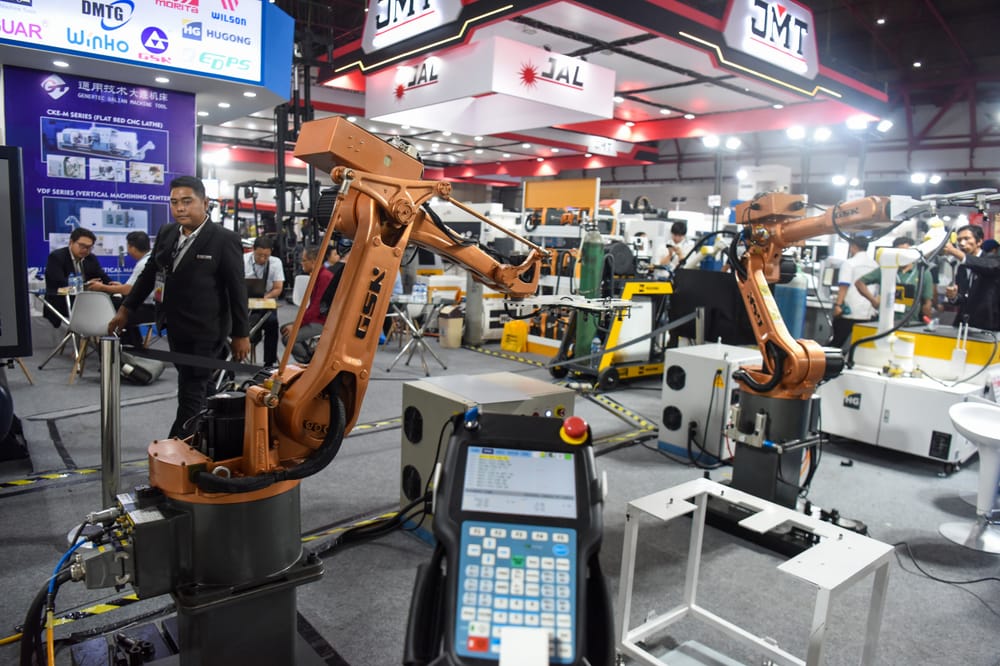
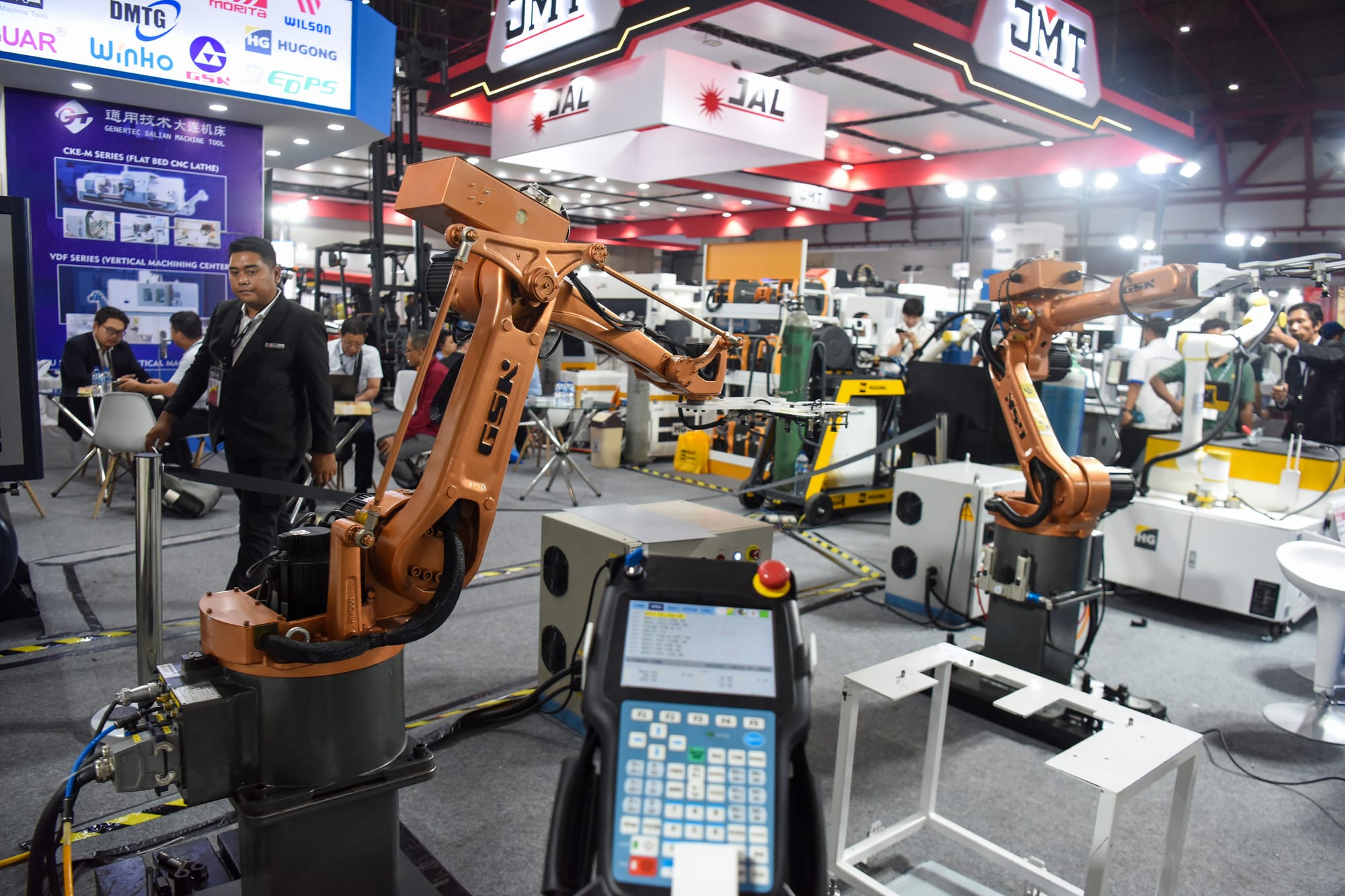
In order for the manufacturing sector to continue to grow sustainably, integrated policies are needed that focus on infrastructure, including logistics and industrial estates, fiscal incentives in the form of taxes, ease of doing business, strengthening human resources, increasing technological competitiveness (Industry 4.0), and supply chain synergies to reduce production costs.
Read also:
 Benedictus Krisna Yogatama
Tax incentives (tax holidays, tax allowances) for manufacturing investments are still needed every year, as they can attract investors to invest. If the manufacturing sector continues to grow, it will have a positive impact on economic growth.
"Simplifying regulations and business licensing related to the deregulation of imports of raw materials/capital goods must also be a major concern for the government," he told SUAR Jakarta (12/19/2025).
Policy direction for 2026
Minister of Industry Agus Gumiwang Kartasasmita presented the policy direction and priority programs for 2026 at a Working Meeting with Commission VII of the Indonesian House of Representatives in Jakarta some time ago. On that occasion, the Minister emphasized that the industrial sector remains the main driver of the national economy and is directed to become more competitive, inclusive, and sustainable.
The Minister of Industry stated that the non-oil and gas processing industry is targeted to grow by 6.52 percent in 2026, contributing 18.66 percent to the national GDP. This sector is expected to contribute 74.85 percent of national exports and absorb 14.68 percent of the workforce. Industrial equality is also projected to increase through the distribution of investment outside Java by up to 33.25 percent, in line with efforts to reduce greenhouse gas emissions by 6.79 million tons of carbon dioxide as a form of transformation towards a green industry.
"This target reflects the government's determination to make industry the main driver of the national economy. Industrial growth is not only aimed at strengthening the economic structure, but also at providing direct benefits to the community through job creation, increased exports, and strengthened competitiveness," he said.
To achieve these objectives, the Ministry of Industry has prepared a priority program that includes strengthening small and medium-sized industries, creating new entrepreneurs, accelerating the downstreaming of natural resources, restructuring machinery and technology, and strengthening vocational education to develop competent industrial human resources.
The Ministry of Industry also prioritizes the development of the halal industry, increasing the utilization of the Domestic Component Level (TKDN), and accelerating the development of industrial areas in various regions. The implementation of green industry is one of the main focuses by promoting energy efficiency, the application of clean technology, and the principle of sustainability in the production process.
"Our manufacturing sector has high resilience. Despite facing various dynamics and challenges, the industry's resilience has been proven, and this is the basis for optimism for accelerated growth," he said.
Read also:
 Tria Dianti
All of these programs are designed in line with the national development agenda and President Prabowo Subianto's Asta Cita. The Ministry of Industry is committed to ensuring that every industrial policy not only strengthens the national economic structure, but also realizes inclusive, equitable, and globally competitive growth.
He also emphasized that 2026 will be an important moment for Indonesia in promoting industrial products, expanding global market access, and increasing investment flows.
Classic challenge
Executive Director of the Institute for Development of Economics and Finance (Indef) Esther Sri Astuti estimates that the manufacturing industry will continue to grow next year despite still facing classic challenges.
A classic challenge in the manufacturing industry is high production costs, especially for expensive raw materials due to high dependence on imports, and energy prices, particularly gas prices, which are still debated by industry players as being high compared to other ASEAN countries.
These obstacles lead to a decline in competitiveness, suboptimal product quality, and slower growth. Therefore, the government must coordinate to find a solution.
"Raw material prices, rising energy prices, global economic instability, pressure from imported products, and declining purchasing power will continue to be challenges for the manufacturing sector next year," he told SUAR Jakarta (20/12).
Esther said that despite the challenges, the manufacturing sector remains the engine of economic growth (GDP), a major job creator, a driver of exports (foreign exchange), and a magnet for investment.