In the midst of the uncertainty of multilateral economic cooperation plus the tariff war by the United States, regional and even bilateral cooperation has become a cushion and even a foundation for many countries. Therefore, the opening of Indonesia-EU cooperation is a breath of fresh air.
The opening of long-term economic cooperation between Indonesia and the European Union is strengthened by the Indonesia-European Union Comprehensive Economic Partnership Agreement (IEU-CEPA). This agreement is targeted to take effect on January 1, 2027.
Some parties had doubts about the sincerity of this cooperation because the negotiations had taken a very long time, almost a decade. In fact, the Indonesian Employers Association noted that this effort had been carried out for 19 years.
However, this year, negotiations progressed very rapidly. On July 13, 2025, Indonesian President Prabowo Subianto and EU Commission President Ursula von der Leyen met in Brussels, Belgium to politically sign the agreement. However, the meeting still left a number of substantive issues.
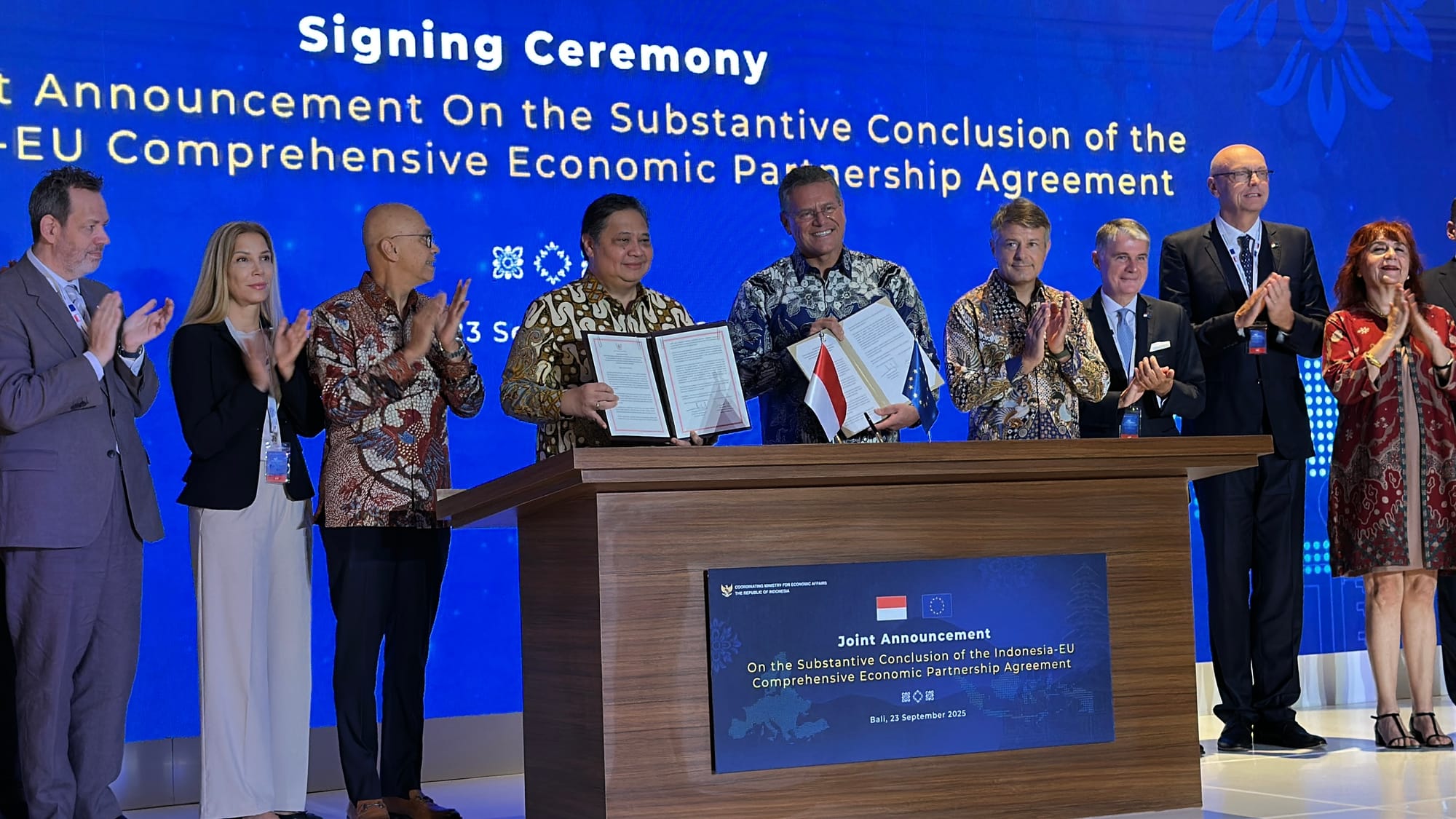
Two months later, another step forward occurred. Both parties have completed various negotiations on substantive issues. On Tuesday, September 23, 2025, Indonesia's Coordinating Minister for Economic Affairs Airlangga Hartarto and EU Trade Commissioner Maros Sefcovic signed a substantive conclusion at Gamelan Ballroom, Sofitel Nusa Dua Bali.
In the process of formulating an international trade agreement, signing a substantive conclusion means that both parties have resolved all substantial issues in the negotiations. That is, there are no more technical topics or important chapters or articles that are still being debated. All core articles have been agreed upon. The next stage is to enter the legal drafting and official translation phase.
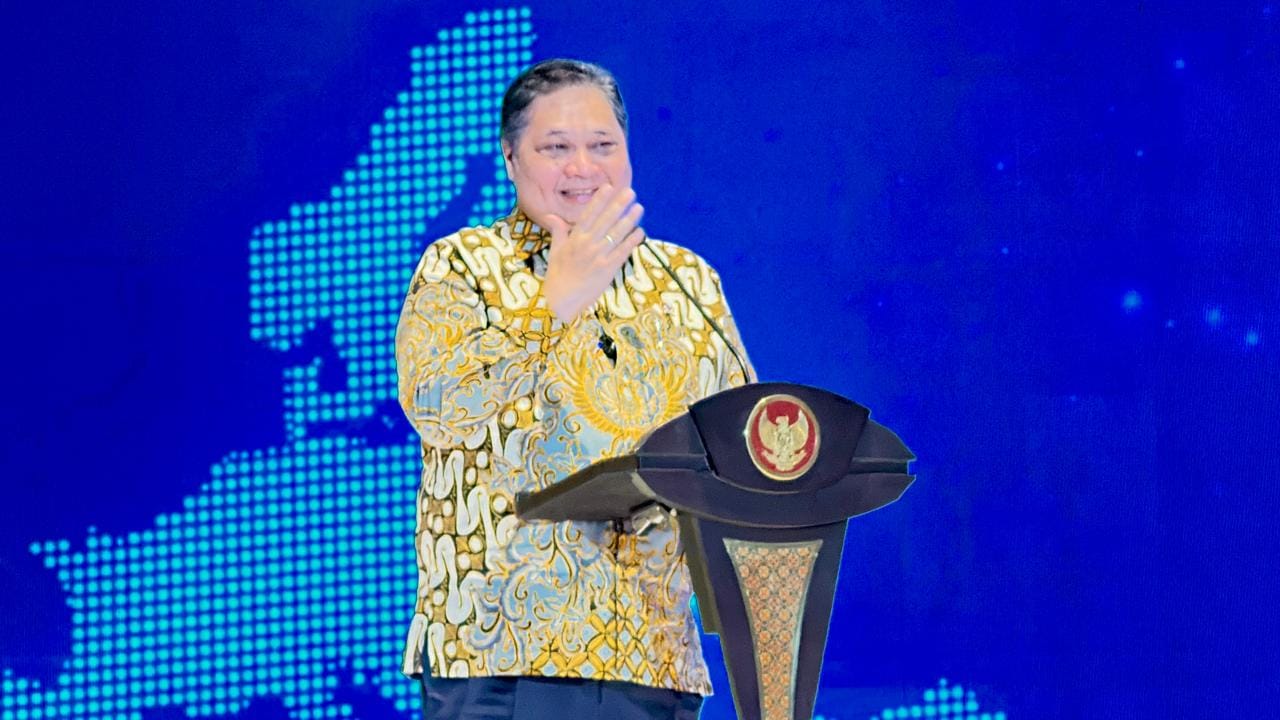
"With the signing and joint announcement of the substantive conclusion of the CEPA negotiations, a new era begins in the bilateral relationship between the two countries. This cooperation is a collaboration between 723 million people from both countries with a value of more than USD 21 trillion," said Airlangga in a meeting with the press in Maros.
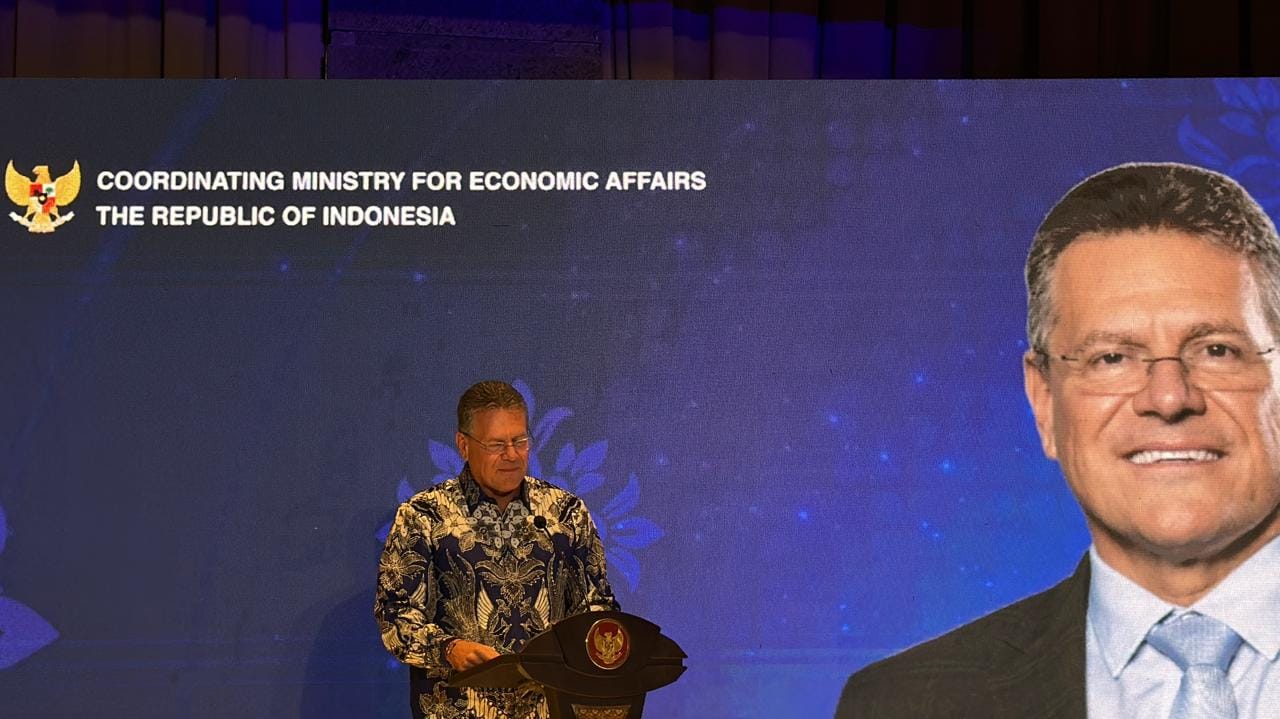
The European Union also considers this achievement a very historic event. "It is my honor to stand here, today, with Minister Airlangga, as well as all EU Ambassadors and Indonesia's very tough, strong and dynamic negotiating team at this historic ceremony. I would like to start by expressing my sincere gratitude to Minister Airlangga," Maros said.
Airlangga predicts that Indonesia's exports to the European Union will increase significantly by 60% and increase national income by USD 2.8 billion, as well as have an impact on 5 million workers in Indonesia related to labor-intensive sectors, and reduce poverty.
For the EU, this cooperation will also send a message to a world plagued by uncertainty and rapid change that the EU and Indonesia are always open to mutually beneficial cooperation.
Present to witness the signing: Indonesian Ambassador to Brussels and the EU, EU Ambassador to Indonesia and Brunei Darussalam, 21 Ambassadors of EU Member States, and representatives of High Officials from a number of relevant Ministries/Institutions.
Scope of Cooperation
Market liberalization under the IEU-CEPA covers goods, services, and investment. Regarding goods, both parties are committed to eliminating tariffs on more than 98% of tariff types and 99% of total import value.
When implemented, Indonesian products will immediately enjoy 0% tariffs in 90.4% of the EU market and further tariff reductions will gradually follow.
The implementation of the agreement will increase Indonesia's exports of key commodities such as palm oil, coffee, textiles and apparel, footwear, and furniture. IEU-CEPA will also open up opportunities for Indonesia to export high-tech products, including smart phones and telecommunications equipment, thereby encouraging export diversification and increasing the competitiveness of the national industry in the global market.
Regarding trade facilitation, both parties will strengthen cooperation through simplification of import-export procedures, and closer collaboration between customs authorities.
In terms of investment, the EU is one of the highest investing countries in Indonesia with significant contributions in key sectors such as chemicals and pharmaceuticals, services, housing and industrial estates, hospitality, trade and repairs, and the food industry.
The IEU-CEPA agreement will also provide greater regulatory certainty, encourage technology transfer, and strengthen Indonesia's integration into global supply chains.
Business World Gearing Up
The business world enthusiastically welcomes this progress. The IEU-CEPA agreement is believed to provide concrete benefits for Indonesia, particularly in expanding exports and securing wider market access in the European Union.
Chairperson of the Indonesian Employers Association Shinta Kamdani hopes that the IEU-CEPA cooperation will create better trade cooperation, which is transformative, not just a paper agreement.
"Equal access, plus investment, plus standard alignment," said Shinta at the Business Forum after the signing ceremony.

Equal access with each side opening the door. Investment by building capacity. Standards alignment to ensure global competitiveness.
The implementation of IEU CEPA also follows the readiness of business stakeholders so that no company is left behind.
The next step that needs to be done immediately after the signing of the substantive agreement, according to the Chairperson of the Apindo Trade Division, Anne Patricia Sutanto, is to disseminate it to provinces, districts / cities.
"Prepare businesses in the region as part of the supply chain ecosystem ... with standards that can enter the European Union. Provide advocacy and capability buildings for sectors that need upgrading and understanding to comply," he added.
The government also needs to ensure that existing regulations are in line with what businesses need to maintain and increase Indonesia's competitiveness in the European Union.
As an entrepreneur in the garment industry, Anne has started preparing for expansion. PT Pan Brothers has ordered a number of machines to increase capacity and competitiveness.
"Hahaha... yes I'm in Cisma Shanghai... but indeed we have planned a few months ago... to focus on developing and increasing competitiveness. Because the delivery is January 1, 2027. The order is from 2026," the Pan Brothers Vice CEO replied at the end of the phone when confirmed about his expansion plan.
The CEO of PT Bina Busana, Daniel Tirta Kristiadi, has also made preparations. According to him, related businesses must have started preparing for expansion. Although this agreement will only be implemented in January 2027, the signing of the Substantive Agreement gives a strong psychological message.
He has even heard that global brands have begun to consider opening factories in Indonesia because the labor market in Vietnam has become difficult.
However, Daniel estimates that this road will not be an easy one. The reason is that the buyers currently require high standards. For example, there are garment buyers who prohibit the use of coal-fired machines.
Nevertheless, the IEU-CEPA is a step forward and it is now up to the business community in this country to prepare themselves to build a mutually beneficial long-term partnership with the European Union.
"The morning sun shines on the land. The old town clock begins to chime. Indonesia holds Europe's hand. Through CEPA partnership, and across all time." Thus rhymed Airlangga.